REVIEW · HELLA ICELAND
Hella: Guided Tour of Ancient Man-Made Caves
Book on GetYourGuide →Operated by Caves of Hella · Bookable on GetYourGuide
South Iceland hides ancient underworlds in plain sight.
The Caves of Hella tour in southern Iceland takes you to Ægissíða, where twelve man-made caves have been discovered, and you’ll see four of them in one guided hour. What makes this stop special is how old it feels—these structures are considered Iceland’s oldest still-standing archaeological remains, with carved crosses, wall markings, and seats that look far older than the Viking stories most people start with.
I also like how the experience leans on personality and storytelling, not just facts. Guides such as Stefan (chill, funny, and full of sharp insights) and Hanna (high-energy and good at keeping you focused) turn the caves from “cool rocks” into a place with human voices. One thing to plan around: this tour isn’t suitable for wheelchair users, and you’ll be doing a short walk between the four cave stops.
In This Review
- Key points before you go
- Caves of Hella: why this 1-hour stop feels bigger than it is
- Finding it from Reykjavik and why the Ring Road location matters
- What you actually see: the four cave tour loop
- The mystery factor: Celts, worship theories, and why the guide matters
- Your guide experience: what to expect from English storytelling
- Walking, timing, and what to wear (the practical stuff)
- Price and value: is $39 worth it?
- Who should book this cave tour—and who might skip it
- Should you book Caves of Hella?
- FAQ
- How long is the tour?
- How many caves do you visit?
- Where are the Caves of Hella located?
- How far is it from Reykjavik?
- Is the tour guided?
- Do I need to walk much?
- Is the tour suitable for wheelchair users?
- How much does it cost?
- What language is the tour in?
- Is there parking available?
- What if my plans change?
Key points before you go
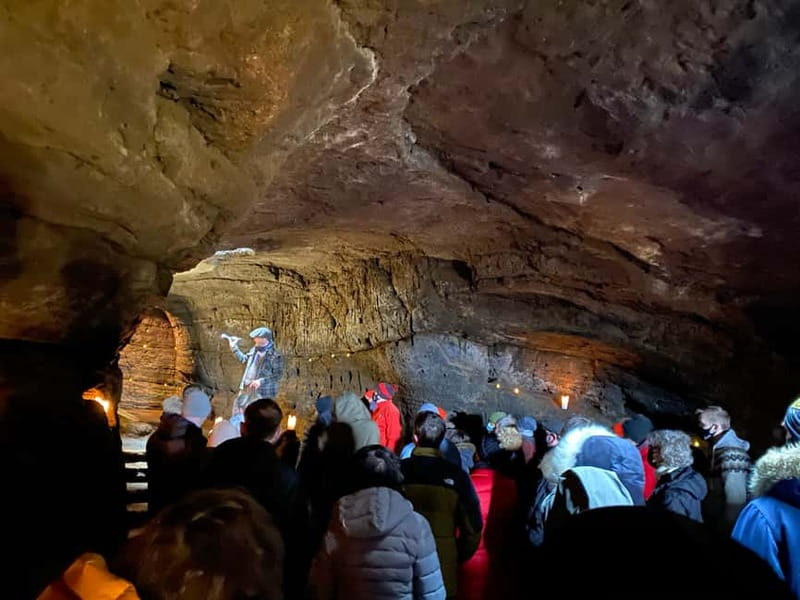
- Four caves in one hour: you won’t be stuck wandering forever.
- Oldest still-standing archaeological remains: an early chapter of Iceland you don’t usually see.
- Carved details: crosses, wall carvings, and seats that invite questions.
- Guides with real showmanship: stories that keep the pace lively.
- Route 1 easy add-on: near Hella, right by the Ring Road.
Caves of Hella: why this 1-hour stop feels bigger than it is
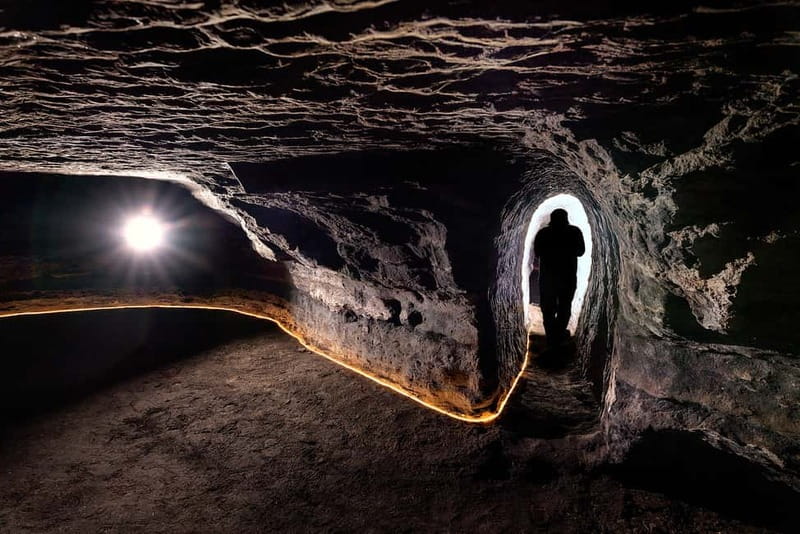
This is the kind of place where you arrive thinking you’ll be there “a minute”… and then you end up listening harder than expected. The Caves of Hella are man-made structures on the land of Ægissíða, and the tour gives you a practical sampler: four caves, a simple walking loop, and an English guide who connects what you’re seeing to the people who may have made it.
The strongest reason to care is age and presence. Iceland is young compared to much of Europe, so when you find human-made structures that are still standing from the earliest settlement era, your imagination turns on fast. That’s what happens here: carved seats and cross shapes aren’t just curiosities; they suggest repeated use, beliefs, and daily routines you can’t fully picture—but you can feel.
And there’s another layer that makes the tour more than a checklist: mystery. For centuries, people have wondered whether the caves were made by Celts, whether they served religious purposes, or what other role they played. Your guide doesn’t just recite one “final answer.” Instead, you’ll get context for why the clues lead to multiple theories, which makes your visit more thought-provoking.
Finding it from Reykjavik and why the Ring Road location matters
The caves are near the town of Hella on the south coast, right by Route 1. That location is a big deal for your planning. You can fold this into a road trip without turning it into a detour day.
From Reykjavik, it’s about a one-hour drive, which makes it workable even if you’re trying to keep your schedule tight. You’ll also find a big parking lot with the American School Bus café on site, plus plenty of free parking. Translation: you can stop, park, grab a snack if you want, and not stress about timing as much.
If your South Coast itinerary is built around the Ring Road—Reykjavik down toward Vik—this is the kind of stop that adds meaning without stealing half your day. It’s short, guided, and designed to fit naturally between longer sights.
What you actually see: the four cave tour loop
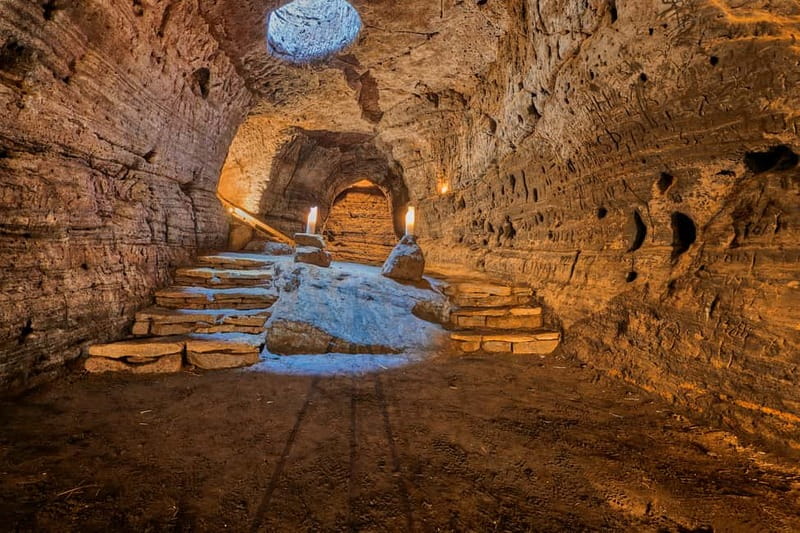
Your tour visits four man-made caves out of the twelve discovered on the Ægissíða property. That’s a sweet spot. Four stops are enough to compare shapes, carvings, and features, but it still stays manageable for a one-hour experience.
Between each cave stop, there’s a short, easy walk. You’re not doing a hike; you’re shifting between viewpoints and openings so the guide can point out details. The walking part is simple, but it matters because it keeps the experience from feeling staged. You move through the site and the caves feel less like museum exhibits and more like a living, weather-shaped setting.
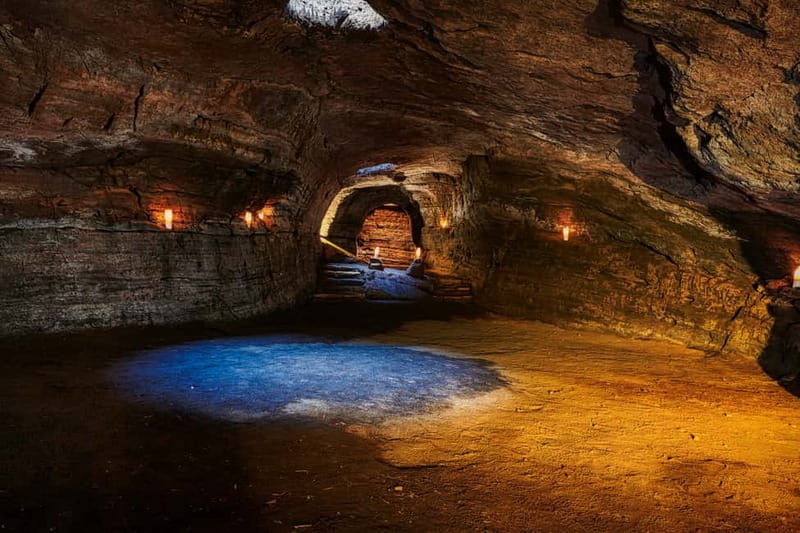
Inside and around these caves, you’ll be looking for specific kinds of marks:
- Ancient crosses that suggest symbolic use
- Wall carvings that add layers to the story
- Carved seats, which are especially intriguing because they imply people sat, waited, gathered, or held a role there
Those features are why this tour works for both history fans and curious travelers who don’t want a lecture. You can follow the guide’s theories, but the physical evidence is right there in front of you.
The mystery factor: Celts, worship theories, and why the guide matters
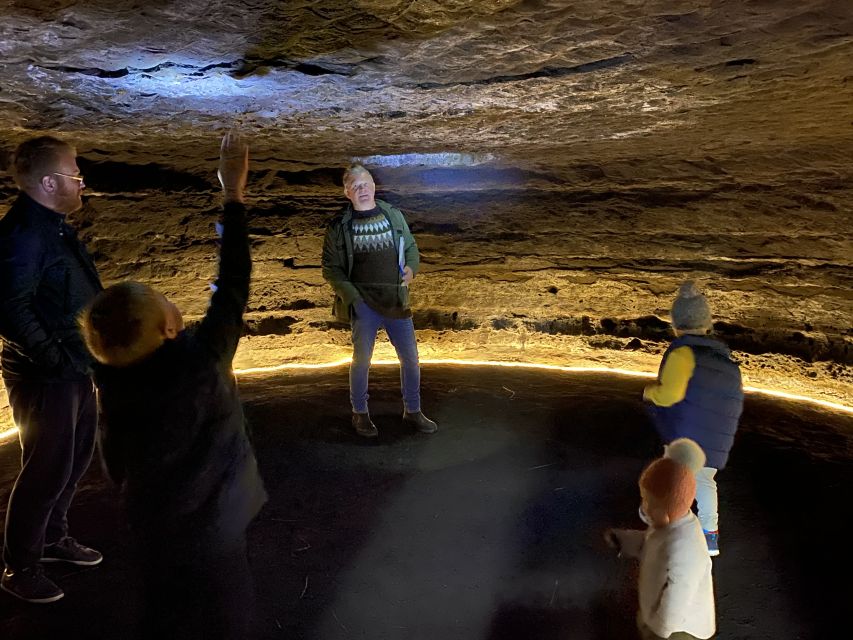
Part of the fun is that nobody can point to a single, totally settled explanation. People have wondered for centuries: were these caves the work of the Celts, were they a place of worship, or did they serve another purpose entirely?
This is exactly where your guide’s job becomes more than narration. A good tour doesn’t just tell you what to think—it explains why different interpretations exist. With the Caves of Hella, the guide connects the mystery to visible clues: cross-like carvings, wall markings, and seating features that hint at human rituals or social behavior.
That “why it might be” approach is often what turns a short tour into a memorable one. You leave with questions, but they’re good questions—grounded in the carvings and the layout, not just vague myths.
It also helps that the guides here are described as entertaining as well as informative. Stefan’s laid-back, funny style and Hanna’s ability to keep you fully focused mean you’re not stuck with a monotone history talk while standing in cold air and reading faded stone.
Your guide experience: what to expect from English storytelling
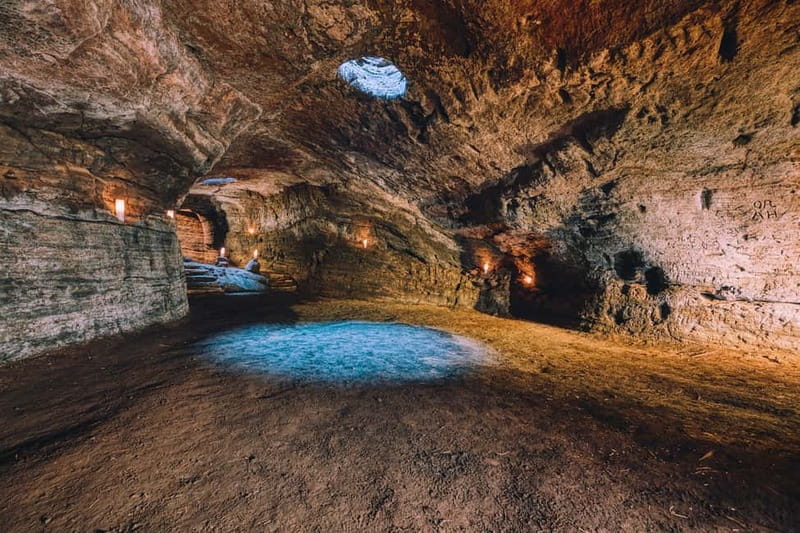
The tour is in English, and that matters because so much of the value comes from interpretation. When you’re looking at carvings that don’t come with labels, you need a guide who can translate details into meaning.
From what you can learn about the guides’ styles, here’s what you’re likely to notice:
- Guides often use humor and easy pacing to keep the group comfortable.
- They explain possible uses and how people may have lived or gathered there.
- The storytelling is structured around the caves themselves—what you see first, then what it might suggest.
Names you might recognize from past experiences include Stefan and Hanna. Either way, the common thread is that the tour feels engaging. It’s not just “walk here, see thing, move on.” The guide is constantly pointing out why one carving or seat could matter more than another.
And since this is only one hour, the guide has to be efficient. That’s good for you: you get the highlights without long gaps.
Walking, timing, and what to wear (the practical stuff)
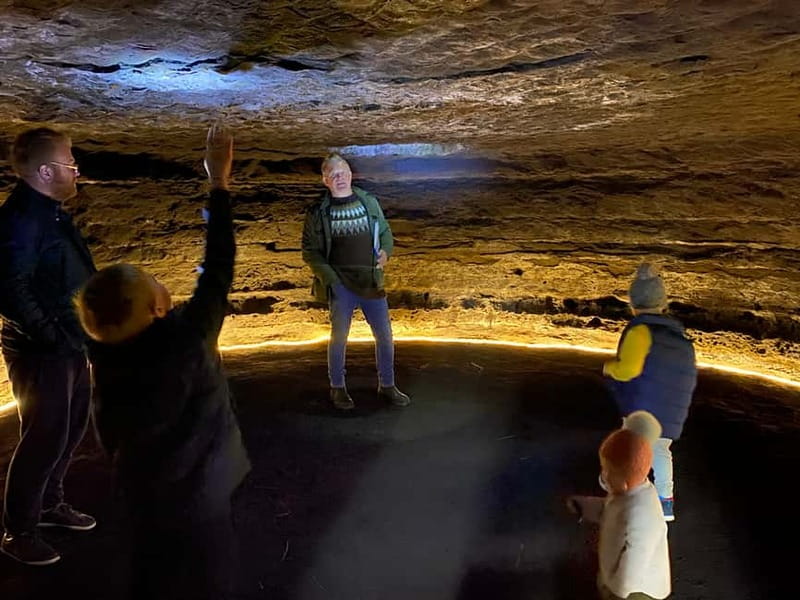
This tour is designed around a one-hour visit, with starting times that you’ll need to check based on availability. Plan to arrive early enough to park and settle. Since the meeting area sits by the American School Bus café, it’s easy to treat this like a normal stop on your drive.
What about the pace? The walk between the four caves is described as short and easy. Still, you’ll be outside and moving between cave areas, so wear shoes you trust on uneven ground. Dress for Icelandic weather. Even if the day feels calm at the Ring Road, conditions near caves can still change fast.
Also keep your expectations realistic: this isn’t a long archaeological expedition. It’s a compact, guided sampler designed to give you the essentials—oldest-remaining structures, the standout carvings, and the big questions.
Price and value: is $39 worth it?
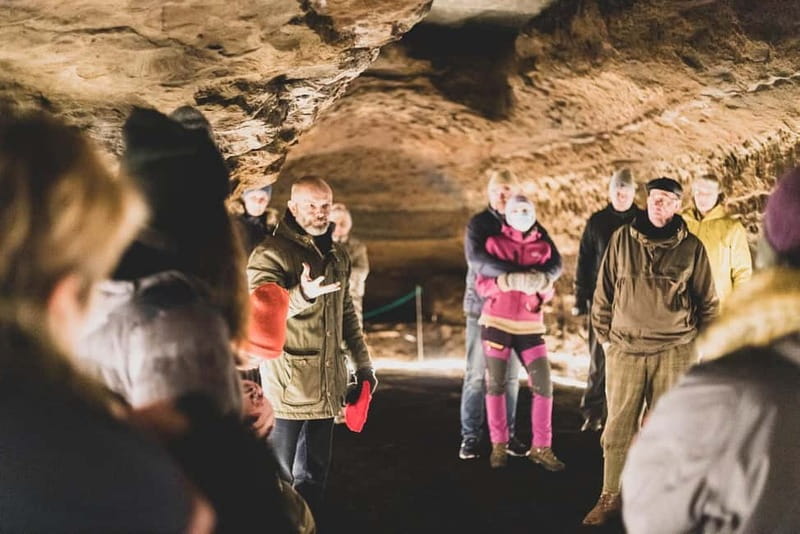
At $39 per person, this isn’t a “throwaway” add-on, but it also isn’t trying to be the most expensive thing on your Iceland trip. The value comes from three factors:
- Time efficiency: you get a full guided experience in about one hour.
- Guided interpretation: you’re not just sightseeing; you’re learning stories tied to carved crosses, wall markings, and seats.
- Significance per minute: you’re seeing some of Iceland’s oldest still-standing man-made structures, at a site that was closed to the public until 2019.
That last point matters more than it sounds. If a site only recently reopened, it usually means there’s less “tourist noise” and more careful presentation—exactly what you want when you’re chasing authentic, not generic.
So if you like history, mysteries, and small tours that make you pause, this price starts to feel fair. If you only want big scenery and zero explanation, you might find it less satisfying.
Who should book this cave tour—and who might skip it
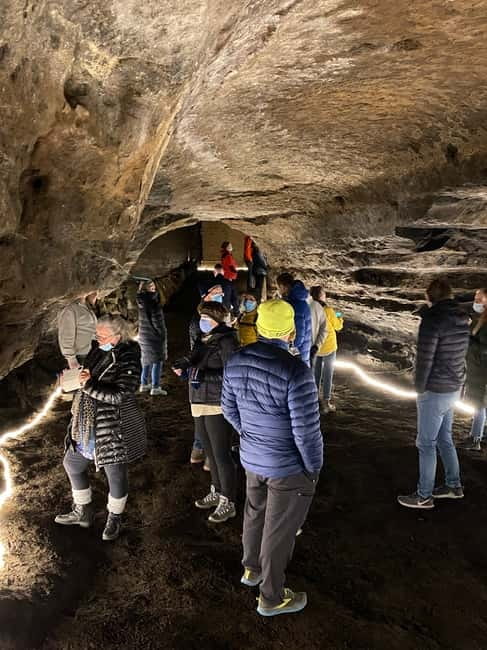
This tour is a strong fit if you:
- Love history and want early Iceland settlement context beyond the usual Viking framing
- Prefer short guided stops that still feel meaningful
- Enjoy sites with unanswered questions and visible clues you can reason about
- Want a practical stop along the South Coast without losing half a day
You might skip it if:
- You need wheelchair access, since it’s not suitable for wheelchair users
- You dislike walking, even if it’s described as short and easy
- You want scenery-heavy, photo-only attractions without interpretation
If your trip includes driving past Hella anyway, this is one of the easiest “yes” decisions. It’s built to be an add-on, not a complicated detour.
Should you book Caves of Hella?
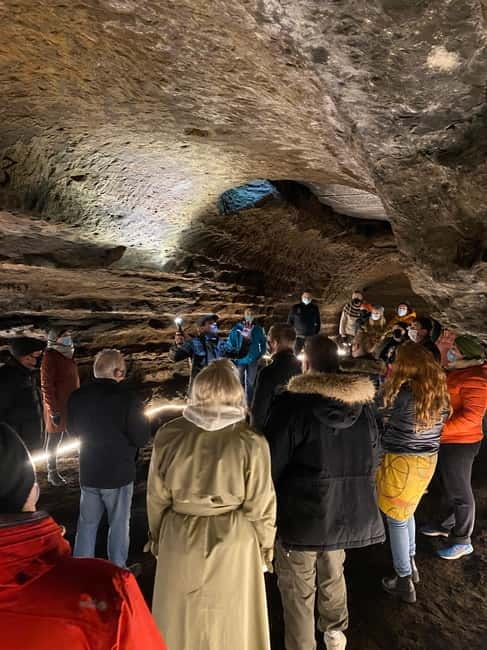
If your South Coast plan includes time near Hella on Route 1, I’d book this. The combination of age, physical carvings, and guided storytelling makes it more than a quick roadside curiosity. You get a compact tour that brings to life a site that was closed to the public until 2019—plus a mystery that actually feels grounded in what’s in front of you.
Just be honest about your needs. It’s short, but it does involve a walk between cave stops, and it isn’t set up for wheelchair users. If that works for you, $39 for a guided hour at Iceland’s oldest still-standing man-made caves is a very sensible use of time on the Ring Road.
FAQ
How long is the tour?
The tour lasts about 1 hour.
How many caves do you visit?
You’ll visit four of the twelve man-made caves discovered on the Ægissíða site.
Where are the Caves of Hella located?
They’re near the town of Hella on Iceland’s south coast, right next to Route 1 (the Ring Road).
How far is it from Reykjavik?
It’s approximately a one-hour drive from Reykjavik.
Is the tour guided?
Yes. It includes a personal guide tour in English.
Do I need to walk much?
There’s a short, easy walk between the four caves.
Is the tour suitable for wheelchair users?
No, it is not suitable for wheelchair users.
How much does it cost?
It costs $39 per person.
What language is the tour in?
The tour is in English.
Is there parking available?
Yes. There’s a big parking lot by the site, along with the American School Bus café, and plenty of free parking.
What if my plans change?
You can cancel up to 24 hours in advance for a full refund.