REVIEW · REYKJAVIK
Reykjavik: City Sightseeing Hop-On Hop-Off Bus Tour
Book on GetYourGuide →Operated by City Sightseeing Europe · Bookable on GetYourGuide
A city you can see in one wrap-around loop. Reykjavik’s hop-on hop-off bus tour gives you flexibility plus multilingual audio so you can play guide while you ride and hop off only when something catches your eye. It also hits a lot of the city’s big names without you having to plan every turn on icy sidewalks.
What I like most is the straightforward way you can use your ticket—one loop is about 80 minutes, and you can repeat it as many times as your 24- or 48-hour window allows. Second, the practical setup matters in Iceland: headphones are included and the commentary runs in 8 languages, so you’re not stuck with silence when the wind finds your ears.
One drawback to keep in mind: weather can disrupt the route, and the experience still depends on timing—if you miss a bus, you may wait outside in cold wind before the next one rolls by.
In This Review
- Quick hits before you ride
- Price and value: is $47 a good deal in Reykjavik?
- When buses run in winter vs summer (and why it matters)
- Boarding tips that save you cold time: vouchers, apps, and headphones
- The route in real-world order: what each stop is really for
- Harpa Concert Hall and Conference Centre: start with the wow-factor
- Old Harbour: boats, atmosphere, and an easy first wander
- Reykjavík Maritime Museum: connect the dots on seafaring life
- Whales of Iceland: a natural fit for most visitors
- National Museum of Iceland: the best “why Iceland is Iceland” stop
- Lækjartorg: a central hub for quick city errands
- Laugavegur Shopping Street: your flexible “wander and snack” lane
- Reykjavík Art Museum Kjarvalsstaðir: art stop with city rhythm
- Hallgrímskirkja: the Reykjavik church you’ll recognize everywhere
- BSI Bus Terminal: a practical midpoint you might use strategically
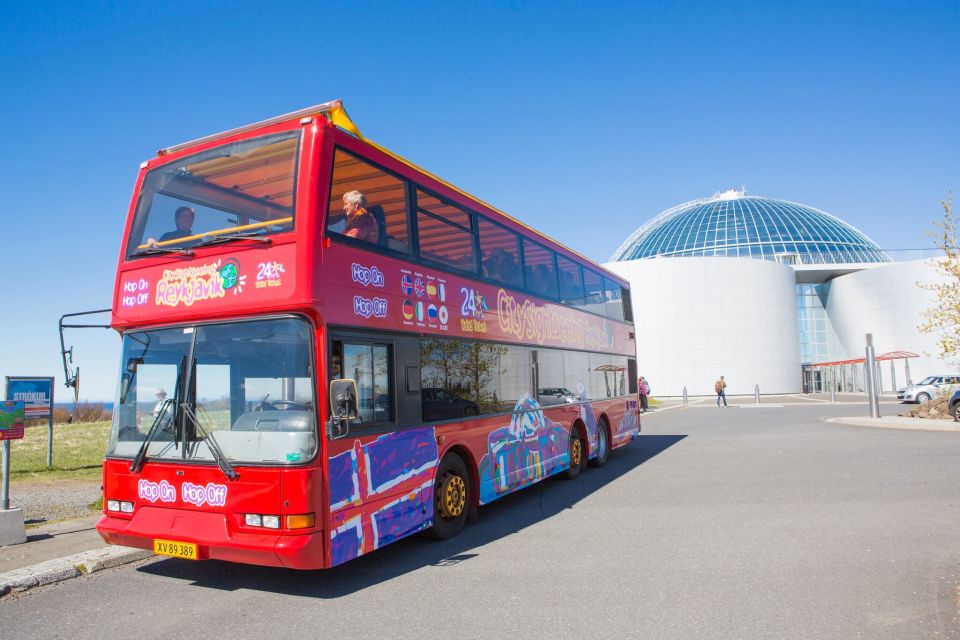
- Perlan: big viewpoint energy without extra planning
- Kringlan Shopping Centre: good for indoor breaks and practical needs
- Hilton Reykjavik Nordica: a chill zone for a pause, not a destination
- Laugardalur Valley: where the city softens into parks and pools
- Skarfabakki Harbour (summer only): the seasonal add-on that changes your day
- Hofdi House: the end-note stop that feels slightly different
- Ending back at Harpa
- What the bus experience feels like in practice
- Small gotchas: timing, cold, and headphone quirks
- Who this tour suits best (and who can skip it)
- Should you book the Reykjavik City Sightseeing hop-on hop-off bus?
- FAQ
- How long is the hop-on hop-off bus loop?
- What languages are included in the audio guide?
- Do I need a ticket printed out, or can I use my phone?
- Is Skarfabakki Harbour included year-round?
- How often do buses run in winter versus summer?
- Does the ticket include entry to museums or attractions?
Quick hits before you ride
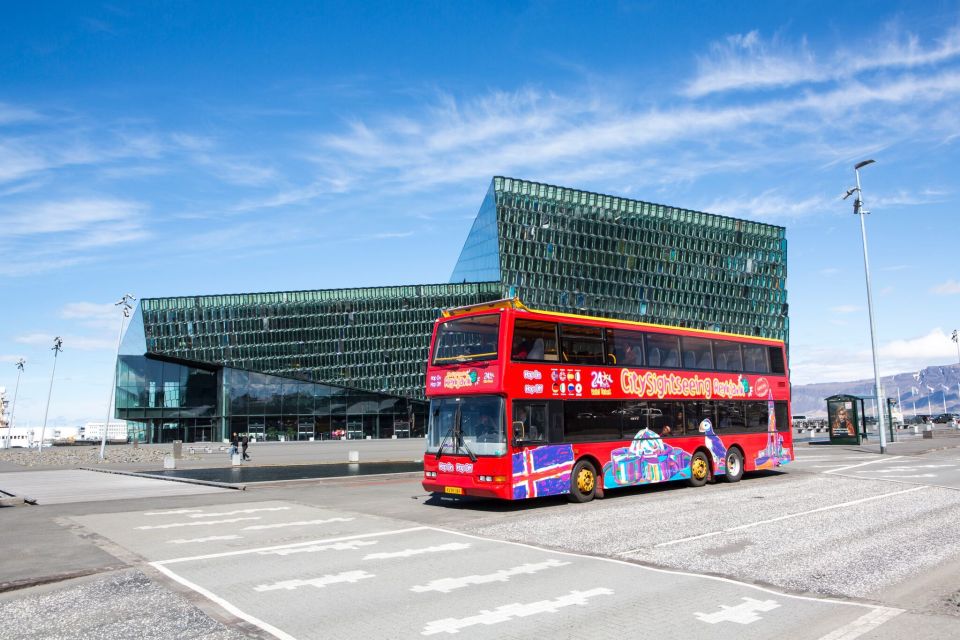
- On-board audio in 8 languages with headphones, so the city makes sense while you pass it
- 80-minute loop lets you get your bearings fast without over-planning
- QR codes at stops help you see when the next bus is coming, which is huge in winter
- Summer-only Skarfabakki Harbour stop means your route shifts by season
- Mobile or paper vouchers accepted at the stops, so you don’t need to print everything
- Longish stop windows mean you can actually explore, not just peek and run
Price and value: is $47 a good deal in Reykjavik?
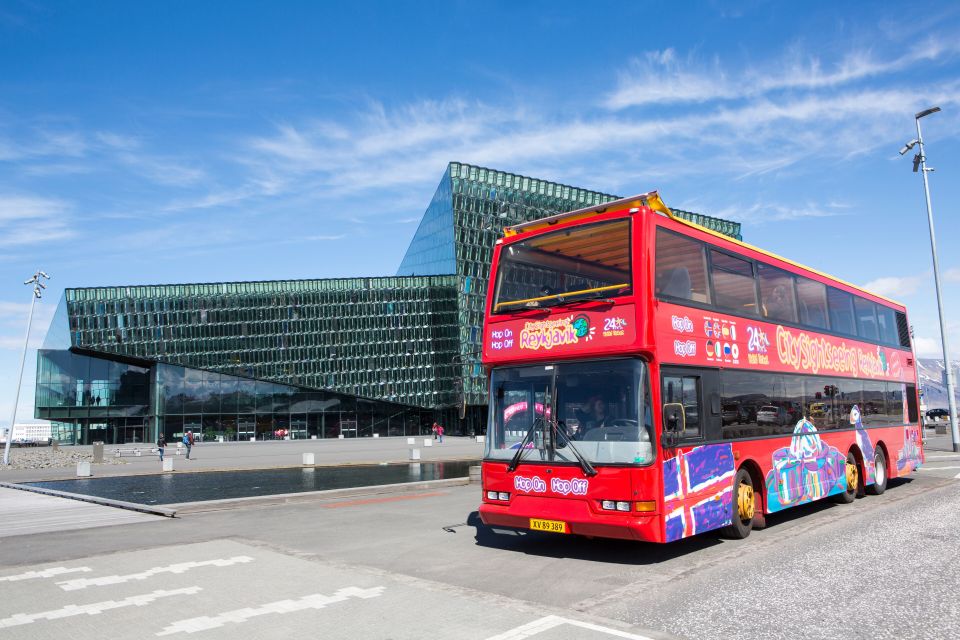
At about $47 per person for a 1-day hop-on hop-off ticket, this isn’t the cheapest thing on your Reykjavik list. But Iceland pricing is a constant reality check, and bus tours like this often pay for themselves in two ways: time saved and transport simplified.
First, you’re buying convenience. Reykjavik is compact, but it still takes energy to walk between sights—especially in wind, rain, and that mix of slush + cold that seems to live in the air. Paying once for a bus route that covers major stops means you can spend your legs on the places you actually want to linger.
Second, you’re buying information. The recorded commentary (8 languages) helps you connect what you’re seeing—harbor life, museums, architecture, and why places matter—without needing a guidebook you’ll barely open.
Is it a perfect bargain? Not always. If you already know the city well and you’re comfortable doing everything on foot in one day, you might feel the bus is extra. But if you want an easy “first pass” plus the option to return to favorites, the value lands more clearly.
You can also read our reviews of more city tours in Reykjavik



When buses run in winter vs summer (and why it matters)

The schedule changes by season, and this affects how spontaneous you can be.
- Winter (Oct 1–Apr 30): first departure from the first stop at 9:30am, last at 4:15pm, and buses run about every 45 minutes. The loop time is about 80 minutes.
- Summer (May 1–Sep 30): first departure 8:30am, last 5:30pm, and buses run about every 30 minutes. Loop time is still around 80 minutes.
In plain terms: in winter you plan a little more. You still get flexibility, but if you hop off and lose track of time, the next bus isn’t always right around the corner—especially if you’re waiting outdoors.
Also note: the tour can be disrupted during adverse weather. Reykjavik weather can change fast, so it’s smart to keep your day flexible and avoid stacking a tight schedule with other timed activities.
Boarding tips that save you cold time: vouchers, apps, and headphones
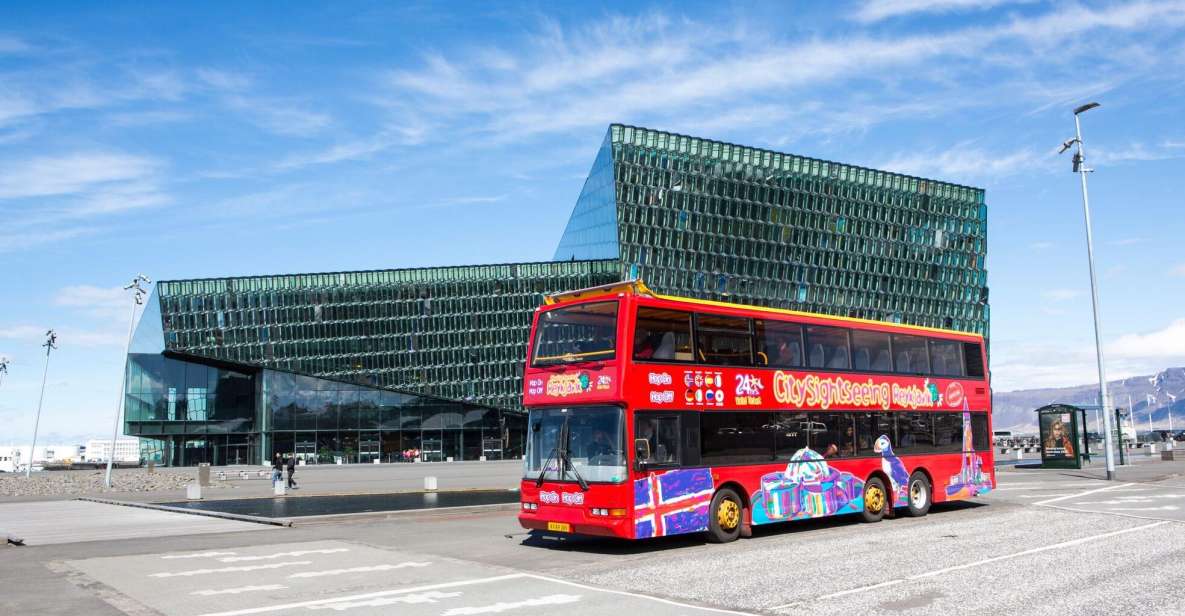
You’ll need a mobile or paper voucher to board. The good news is you can redeem it at the stops along the route, so you’re not stuck hunting for a single check-in counter.
Audio is built in. You get commentary in:
English, Spanish, French, German, Italian, Japanese, Swedish, and Icelandic
Headphones are part of the deal, and that’s a big quality-of-life upgrade when you’re riding in brisk wind.
Two practical tips from real-world use patterns:
- The bus route doesn’t always auto-stop at every location. If you want off, tell the driver ahead of time.
- Tracking helps. Some people find it useful to scan the QR code at stops to see how long the next bus will be. If you use the app or bus tracking tools, you can time your hop-offs much better and reduce cold waiting.
One more small comfort note: in colder months, the bus heating can feel like your real tour feature. Still, if you’re sensitive to cold, consider spending more time in the warmer sections of the vehicle when possible.
The route in real-world order: what each stop is really for
This route is designed as a loop through the city’s most visit-worthy zones. You start at Harpa (two starting options are listed as Harpa), then work your way through the Old Harbour area, museums, shopping streets, major churches, and out toward modern viewpoints and harbors.
Below is how to think about each stop—what it’s good for, and what you might want to do once you’re off.
Harpa Concert Hall and Conference Centre: start with the wow-factor
Harpa is a modern Reykjavik icon. Even if you don’t go inside, it’s a strong visual anchor for your day, and a sensible place to begin because it’s easy to find and it sets the tone for the city: sleek, modern, and definitely not frozen-in-time.
Why hop off: If you want photos early, before the day gets busy.
Time watch-out: If it’s windy, keep your photo session tight.






Old Harbour: boats, atmosphere, and an easy first wander
The Old Harbour stop is where Reykjavik’s working-water vibe shows up. This is a good area for a short walk, a coffee pause, and checking how the harbor scenes line up with the things you’ll hear on the audio.
Why hop off: If you want a feel for maritime Reykjavik fast.
Drawback: If rain’s coming sideways, you may want to keep your walking short.
Reykjavík Maritime Museum: connect the dots on seafaring life
If you’re the type who likes to understand how a place works, this museum stop gives you context. It’s also a practical indoor option if the weather turns.
Why hop off: Indoor time without feeling like you’re doing homework.
Potential downside: Entry isn’t included, so add museum ticket time if you plan to go in.
Whales of Iceland: a natural fit for most visitors
This stop pairs the harbor story with Iceland’s whale-watching identity. Even if you don’t do whale tours beyond this, the area and the theme make sense after a ride through the city.
Why hop off: If you want a nature angle and you like big-picture animal facts.
National Museum of Iceland: the best “why Iceland is Iceland” stop
This is one of the smartest stops for first-time visitors. You’ll see how Iceland’s heritage and history tie into what you’re walking past—one of the easiest ways to turn a sightseeing day into understanding.
Why hop off: If you want the city’s background without adding a second day.
Budget note: Entry isn’t included, so plan for museum costs separately.
Lækjartorg: a central hub for quick city errands
This stop is useful when you want to re-route your day. It’s a central-ish point that helps you navigate without committing to a long walk immediately.
Why hop off: Quick repositioning between major sights.
Laugavegur Shopping Street: your flexible “wander and snack” lane
Laugavegur is the shopping street many people picture when they imagine Reykjavik. It’s not just for buying souvenirs—think of it as the place to browse, people-watch, and choose where you’ll spend time when you hop off.
Why hop off: If you want a casual stroll and quick breaks.
Reality check: Food and drink aren’t included on the tour, so you’ll need your own plan here.
Reykjavík Art Museum Kjarvalsstaðir: art stop with city rhythm
This gives your day a different tempo. If you like museums but don’t want only history, art is a welcome pivot.
Why hop off: If you want variety after churches and harbor stops.
Hallgrímskirkja: the Reykjavik church you’ll recognize everywhere
This is the landmark that keeps showing up in photos. The audio sets context while you pass, but getting off lets you take in the scale up close.
Why hop off: If you want the exterior views and the wow size factor.
BSI Bus Terminal: a practical midpoint you might use strategically
This isn’t a “must-see” in the way a church is, but it’s important because it helps you manage your timing. When you’re using a hop-on route, midpoints matter.
Why hop off: If you’re planning to reposition and return later.
Perlan: big viewpoint energy without extra planning
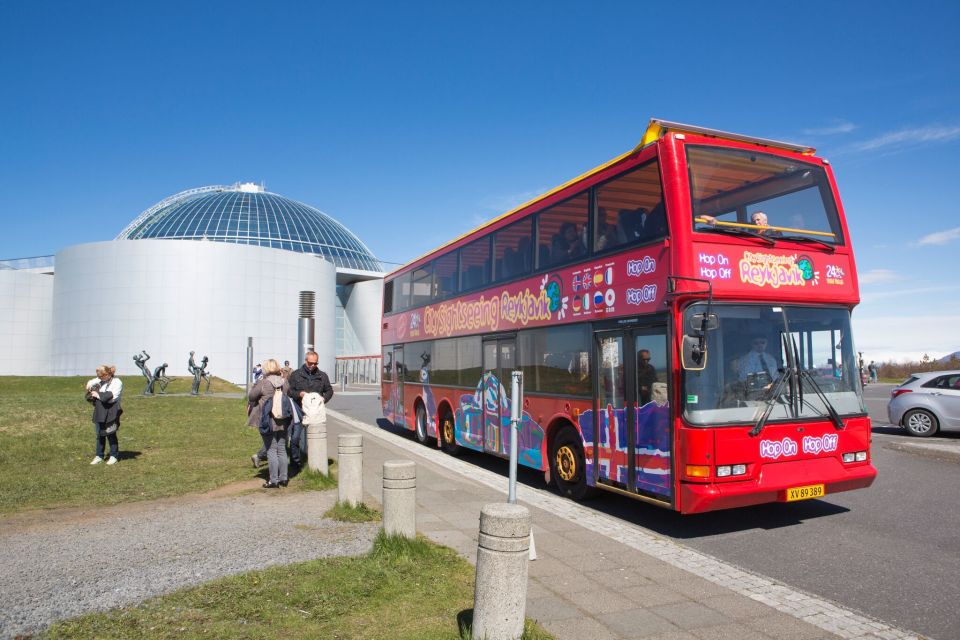
Perlan is one of those stops that works well even if you don’t know Reykjavik well. It’s tied to the city’s modern identity and gives you an easy “check the view” moment.
Why hop off: If you want a higher perspective and a change from street level.
Reality check: Entry isn’t included, so you can decide on the spot.
Kringlan Shopping Centre: good for indoor breaks and practical needs
Kringlan is an easy stop when you want warmth, bathrooms, and places to spend time without chasing tiny storefronts.
Why hop off: If weather’s rough and you want an indoor reset.
Why it’s valuable: It helps you keep the day moving even when outdoors feels miserable.
Hilton Reykjavik Nordica: a chill zone for a pause, not a destination
This is more about location than personality. If you want a breather or you’re nearby for another reason, this stop makes it convenient to walk a little and rejoin later.
Why hop off: If you want to break up your day and keep your route flexible.
Laugardalur Valley: where the city softens into parks and pools
This stop points you toward open space and leisure. It also connects with the Laugardalur thermal pools and spa mentioned on the audio.
Why hop off: If you want a calmer moment after busy streets.
Drawback: Entry to pools isn’t included, so treat it as an add-on.
Skarfabakki Harbour (summer only): the seasonal add-on that changes your day
This stop is explicitly summer only. If you’re visiting in the warmer months, it’s a bonus harbor viewpoint and a nice extra angle on the city.
Why hop off: If you’re in-season and want an additional harbor experience.
Important: In other seasons, this stop won’t be part of your day.
Hofdi House: the end-note stop that feels slightly different
Hofdi House is a strong “wrap” point for the loop. It gives your route a final stop that feels more distinctive than a pure shopping or harbor scene.
Why hop off: If you want your last photos and a final stop that feels like Reykjavik, not just generic sightseeing.
Ending back at Harpa
You’ll return to Harpa for your loop finish. That makes it easy to navigate your night plans, especially if you started there.
What the bus experience feels like in practice
The bus ride itself is part tour, part orientation. The pace works because the loop is about 80 minutes, so you’re not stuck on a slow crawl for hours. And since you can hop on again, you get a rhythm: ride, explore, return, repeat.
The audio helps you avoid the classic trap in new cities: you see a sight but don’t remember what it means. Here, you’re told what you’re looking at while it’s still fresh.
Also, the vehicles tend to be kept in good shape based on feedback about clean, brand-new vehicles and solid audio systems. Wi-Fi has been mentioned in staff feedback too, which can be handy if you’re trying to sync your plans.
Small gotchas: timing, cold, and headphone quirks
These tours are simple, but Iceland loves details.
Wind and cold are real. Even with heating, the bus and stops put you outdoors between rides. If you’re easily chilled, plan to dress like you’ll be outside longer than you think.
Headphone jacks can be finicky on some buses. One account described trouble keeping headphones connected. The fix is practical: be ready to try another jack quickly if you can’t get audio.
The bus may not stop automatically every time. The workaround is easy: tell the driver you want to get off at your stop ahead of arrival.
Stop-to-stop time can feel long if you only want a quick peek. Some people prefer more frequent cycling. If that’s your style, you’ll want to pre-decide what you’ll do at each hop-off.
Who this tour suits best (and who can skip it)
This is a great choice if:
- You want a first-day orientation and then flexible follow-up days
- You’re mixing museums, viewpoints, and shopping but don’t want to worry about bus timing every hour
- You’d rather spend time outside selectively, not constantly, because the weather can be a bully
You might skip it if:
- You’re planning to stay mostly in one tight area and walk everywhere
- You already have a detailed plan for every sight and don’t need the audio context
- You hate waiting outdoors and want purely self-paced walking routes instead
One last thought: the city is compact, so the bus is less about “covering miles” and more about covering options.
Should you book the Reykjavik City Sightseeing hop-on hop-off bus?
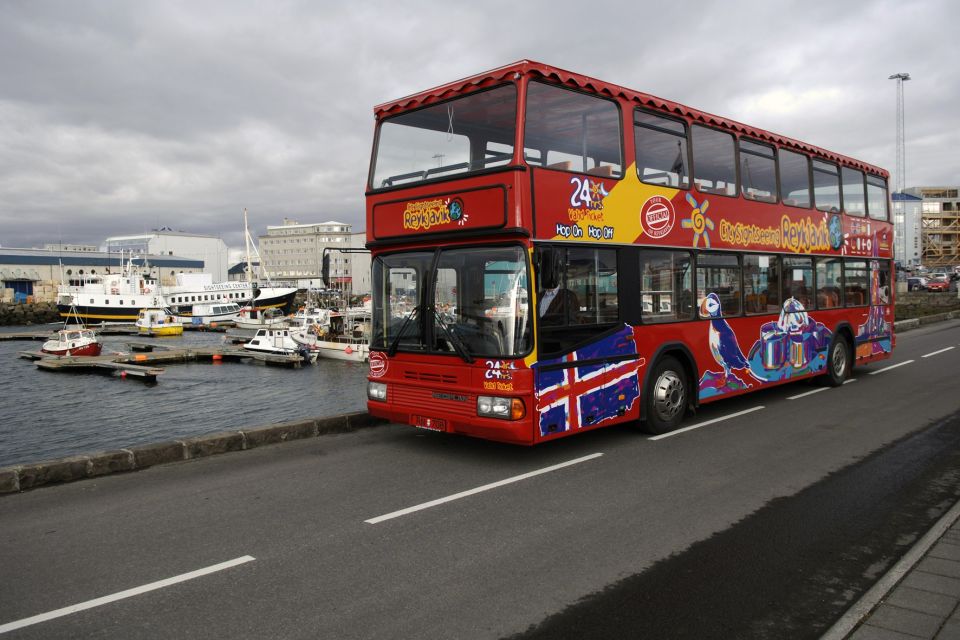
If you’re spending one day in Reykjavik and want an easy way to hit the major sights without building a complicated route, I’d book it. The best reason is simple: you get a structured loop plus the freedom to decide what’s worth your walking time once you’re there.
Book it especially if you’ll be juggling winter conditions, because QR timing helps and the audio keeps the time useful even when you’re not sprinting around.
Just don’t treat it like a magic substitute for planning. Pick your top 3–5 stops in advance, then use the hop-on flexibility to fill the rest. That way, you get the value of the route—and you avoid spending your day waiting in the wind.
FAQ
How long is the hop-on hop-off bus loop?
The tour duration is about 80 minutes, and it runs with set departures and frequencies depending on the season.
What languages are included in the audio guide?
The audio commentary is available in 8 languages: English, Spanish, French, German, Italian, Japanese, Swedish, and Icelandic.
Do I need a ticket printed out, or can I use my phone?
A mobile or paper voucher is accepted to board the tour, and you can redeem your voucher at the stops along the route.
Is Skarfabakki Harbour included year-round?
No. Skarfabakki Harbour is listed as summer only.
How often do buses run in winter versus summer?
In winter, buses run about every 45 minutes. In summer, buses run about every 30 minutes.
Does the ticket include entry to museums or attractions?
No. Entry to attractions and food and drink are not included. The tour provides transport and audio guidance between stops.