REVIEW · REYKJAVIK
Reykjavik: Red Lava Horse Riding Tour
Book on GetYourGuide →Operated by Sólhestar Horse Riding · Bookable on GetYourGuide
Red lava and horses in the same breath? This tour delivers Iceland in a way you feel, not just watch. I love the variety of routes—smooth Redhills for an easy-going ride, and Rauðarvatn for a more spirited track—and I also love how well the guides match horses to rider experience. One heads-up: this is real riding. If you have back issues, mobility limits, or recent surgery, it may not be the right fit.
You get a short bus/jeep transfer or a self-drive to stables with an orange sign, then gear up fast and ride for a solid chunk of time. Expect complimentary coffee and tea after, plus rain clothing and winter jumpsuits when the weather turns. The only drawback to plan around is cold-and-wet conditions in Iceland—dress like you mean it.
In This Review
- Quick hits: Red lava riding essentials
- Red lava riding from Reykjavik: what makes it feel worth $142
- Getting to the stables: smooth pickup, clear timing, free parking
- Gear-up time: helmets, rainwear, and the warm-clothes reality
- Meeting Icelandic horses: calm temperaments and real rider matching
- The ride itself: Redhills paths and Rauðarvatn for the more confident
- Redhills: smooth, beginner-friendly flow
- Rauðarvatn: more riding energy for advanced groups
- Pacing, splits, and tölt: how the tour stays fun for beginners
- The red lava rocks photo stop: where the “wow” clicks
- Timing and weather: when to go and what Iceland will do to you
- Rules that keep things safe (and what you should double-check)
- Instructor-led value: why the guides matter as much as the views
- Who should book this (and who should skip it)
- Should you book the Sólhestar Reykjavik Red Lava Horse Riding Tour?
- FAQ
- How long is the tour from pickup or meeting point?
- How much time do I actually ride the horses?
- Is hotel pickup offered in Reykjavik?
- Do I get a helmet and weather gear?
- Is this tour suitable for beginners?
- Are there weight or health limits?
Quick hits: Red lava riding essentials
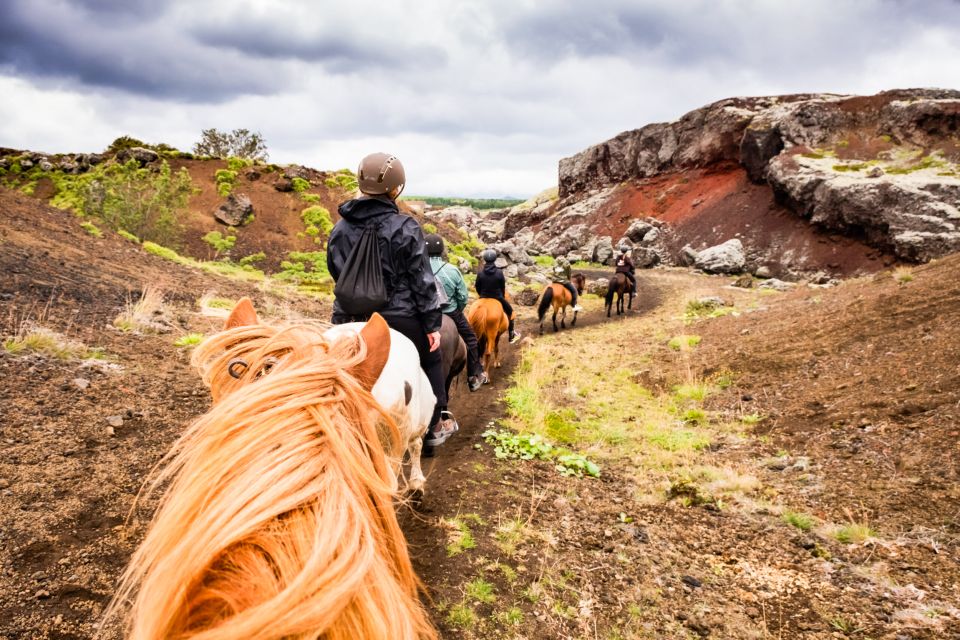
- Helmet included and required: you’ll get one at the stables and wear it the whole ride.
- Two route styles: Redhills for a smoother path, Rauðarvatn for riders wanting more challenge.
- Short distance, real time: about 1.5–2 hours riding over roughly 5–7 km.
- Beginner and advanced groups: you’re set up based on experience, not bravado.
- Weather protection is part of the deal: rain gear and winter jumpsuits if needed.
- Photo moment on red lava rocks: you can stop for pictures, with guides helping on the spot.
Red lava riding from Reykjavik: what makes it feel worth $142
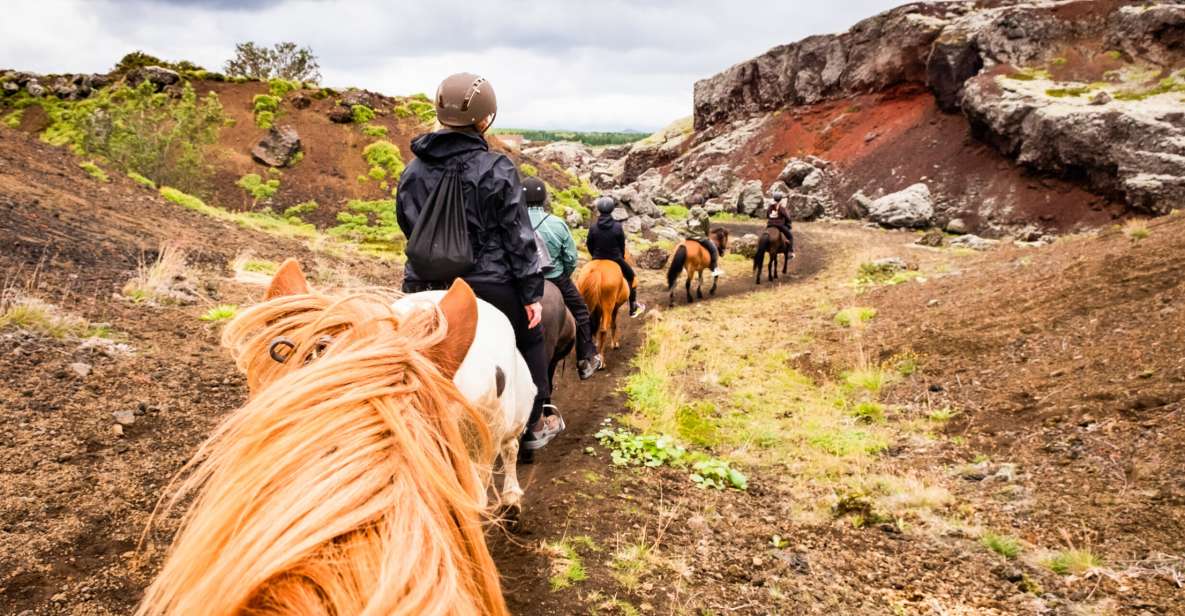
This tour is built for people who want Iceland to feel up close. You don’t just stand on a viewing platform; you move across red lava terrain on horseback. That matters. Lava fields look dramatic from afar, but up close you notice how the ground shapes the trail—rocks, moss, and uneven edges that change the ride rhythm.
For the money, I like that the experience includes the parts that usually cost extra elsewhere: an instructor, a helmet, proper wet-weather clothing, and time on the horse. At $142 per person for about 2.5 hours total, you’re paying for organized safety + guided animal handling + time outside in some of the most distinctive scenery near Reykjavik.
The value also comes from how the ride is structured. The route length varies (roughly 5–7 km) depending on your comfort level, and you’ll be matched to horses and pacing options. That keeps it fun for beginners and still gives experienced riders something to work with.
You can also read our reviews of more tours and experiences in Reykjavik
Getting to the stables: smooth pickup, clear timing, free parking
If you choose hotel pickup, you’ll be collected about 30 minutes before the start time, picked up by a small bus or jeep with the provider name on the side. It’s an easy way to keep your day simple, especially if Reykjavik traffic and parking are not your thing.
If you’re driving yourself, you’ve got free parking in front of the stable. The stables are about 15 minutes from downtown—close enough that the day stays practical, even if you’re on a tight itinerary.
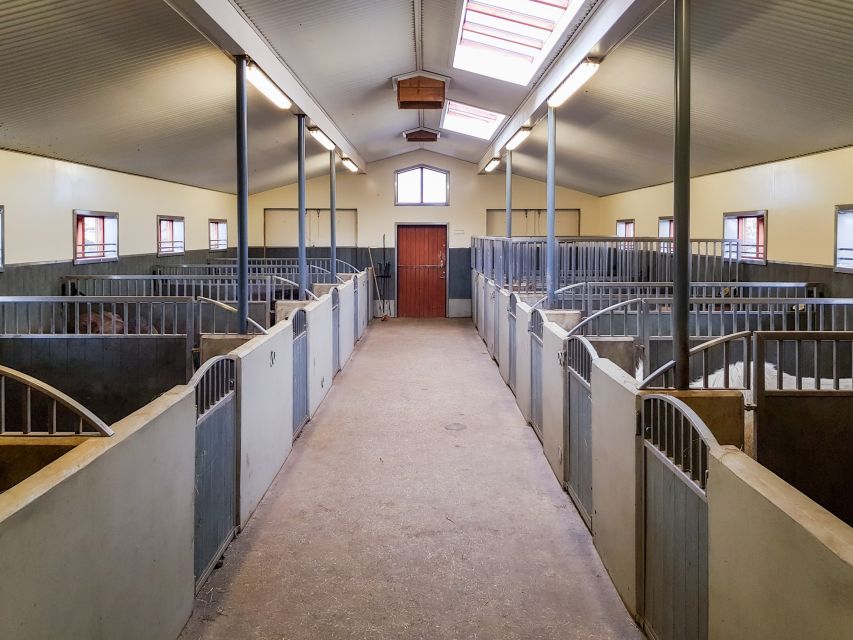
Meet 15 minutes before the set riding time at the stable. Look for a big white stable with a big orange sign. This is one of those tours where punctuality helps. When everyone’s ready early, your group gets on the horses with less waiting and less stress.
Gear-up time: helmets, rainwear, and the warm-clothes reality
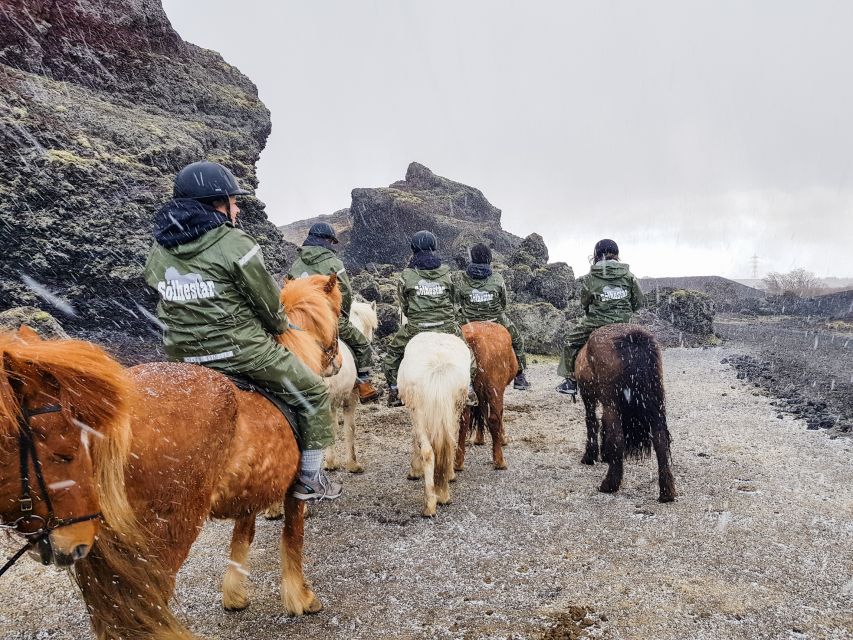
Plan for Icelandic weather to be unpredictable, even when the forecast looks decent. The good news is the tour hands you the protection that usually makes or breaks a winter outing: wet-weather clothing and winter jumpsuits when required.
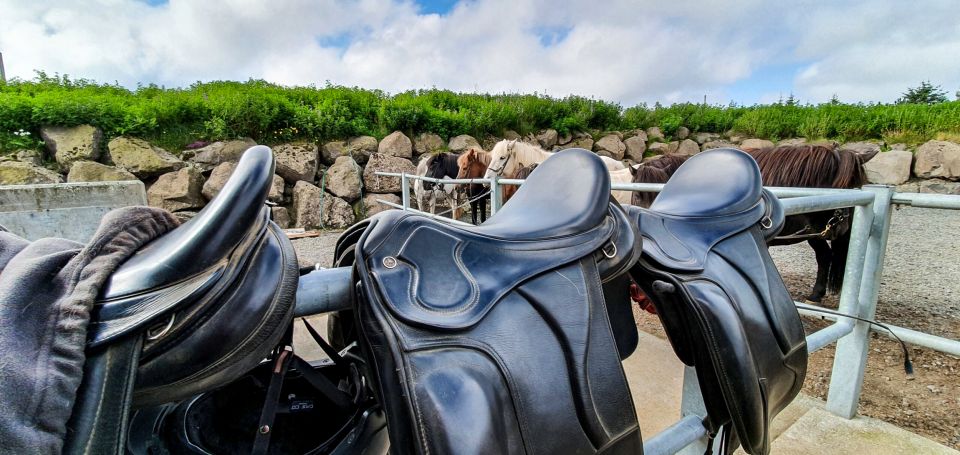
Helmet rules are straightforward: all riders must wear the helmet provided at the stables. You’ll also get an initial prep window on arrival—time to fit gear, get boots/shoes sorted, and get briefed before riding. Many people arrive a little nervous. Gear-up helps turn that into focus.
What you should bring:
- Warm layers and weather-appropriate clothes
- Comfortable clothing for riding
- Closed-toe, suitable footwear
What you should not bring:
- Shorts (they’ll tell you not to wear them)
- Backpacks
- Open-toed shoes
- Professional cameras
And don’t ignore small stuff. In winter, gloves and warm socks matter. One practical tip from riders: come prepared with gloves and wool socks because the cold can creep in fast once you’re outside.
Meeting Icelandic horses: calm temperaments and real rider matching
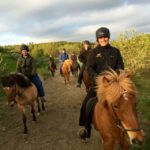
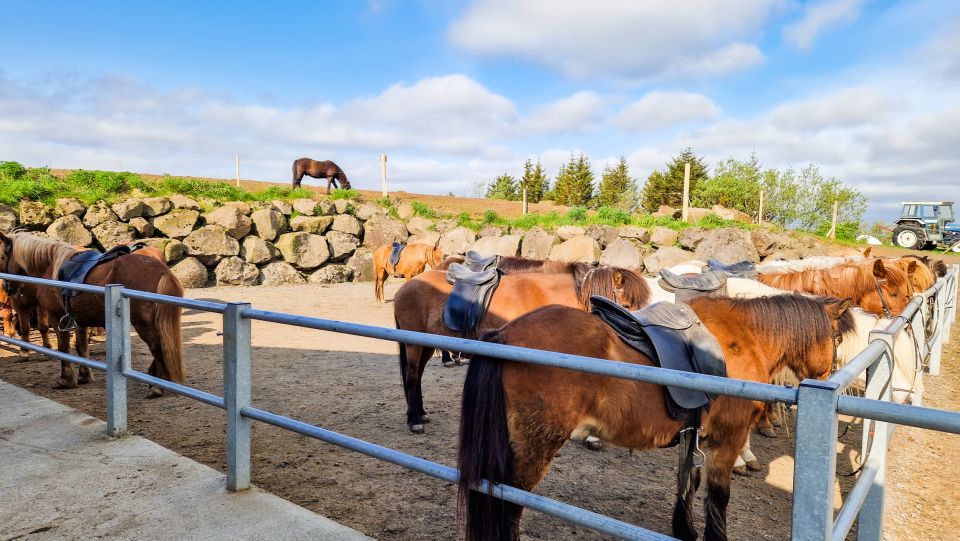
The horses are Icelandic horses—known for their manageable temperaments and unique gaits. You’ll get introduced to the horses first, and then the guides pair riders based on experience. That matching is a big part of why so many first-timers leave feeling proud instead of scared.
The guides also manage the group so you don’t feel left behind. In the ride, instructors watch your position, help you settle in, and adjust pace options. You’ll see this most when the group splits.
Names that have led rides include Patri, Claudia, Nina, and Claira. (If you end up with one of these guides, you’re in good hands based on the consistency of feedback.) The key theme across guides is the same: they keep things organized, clear, and safe.
The ride itself: Redhills paths and Rauðarvatn for the more confident
You’ll ride between 1.5 and 2 hours total, and the distance comes out to about 5–7 km depending on your group. That’s a sweet spot. It’s long enough to feel the route and settle into the horse. It’s not so long that you’re cooked by the end.
Two main route options shape your experience:
Redhills: smooth, beginner-friendly flow
Most riders start with Redhills. Expect a beautiful and smooth path where you can focus on balance and rhythm instead of worrying about every rock underhoof. This is a good choice when you’re new to riding or you just want the views and the feeling of movement without pushing speed.
Rauðarvatn: more riding energy for advanced groups
More experienced riders may take the Rauðarvatn route. This adds challenge through the way the terrain and pacing feel. Some groups also get extra opportunities to try faster gaits (including tölt sessions, which riders talk about as a fun highlight). If you want your ride to feel like more than a gentle stroll, this is the track you’d hope for.
Either way, you’re on natural paths through red lava ground. That means the scenery is not just pretty—it’s physically part of the trail.
Pacing, splits, and tölt: how the tour stays fun for beginners
The smartest part of this tour is that the pace isn’t one-size-fits-all. Riders get sorted by experience, and the route can change after a photo stop. That’s why beginners still feel safe and confident, and why experienced riders still get room to enjoy more.
What this can look like in practice:
- Beginner groups often ride at a steady, manageable pace along the smoother route.
- More advanced groups may get a longer way back and practice faster movement.
- You may have options to go slower or faster depending on your comfort level.
You’ll also learn basic riding technique from your instructor during the briefing and as you go. If you’re worried you’ll do it wrong, relax. The setup is built for people who are nervous at the start.
And yes, instructors are big on keeping things comfortable, not just strict. Several riders mention the guides checking in, helping with comfort, and making sure everyone’s matched to a horse that works for them.
The red lava rocks photo stop: where the “wow” clicks
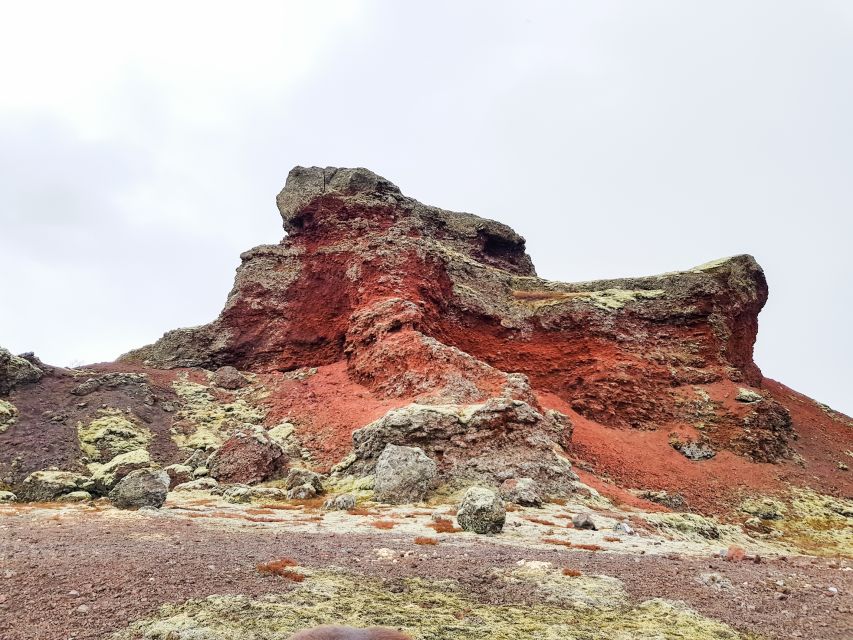
There’s typically a chance to stop on the red lava rocks for photos. Guides often help take pictures from your phone, and you might also get a group photo moment. It’s not a long production. It’s just long enough to get that classic Iceland shot without turning your ride into a waiting game.
This stop is more than a photo break. It’s a reminder that the tour is about the terrain, not only the animals. Lava fields are Iceland’s signature look, and this is a direct way to see that texture and color in person.
If you want photos:
- Keep your phone accessible (no professional camera is allowed)
- Wear sunglasses if the roads/ground are dusty (a rider tip that makes sense in clear weather)
- Watch your footing when you dismount for photos—someone will guide you, but good balance helps
Timing and weather: when to go and what Iceland will do to you
Total duration is about 2.5 hours, including pickup or transfers. Actual riding time is 1.5–2 hours. That means you can fit it neatly between other Reykjavik plans without feeling like you lost half your day to logistics.
Weather note: Iceland can hit you with wind, rain, or snow fast. The tour provides rain clothing and winter jumpsuits if needed, but you still control your comfort with what you wear under it.
If it’s cold:
- Wear warm layers
- Bring gloves
- Consider wool socks
- Assume the wind will find the gaps
If it’s bright:
- Bring sunglasses
- Don’t wear thin summer gear even if the air looks pleasant near town—open lava terrain can feel harsher
Rules that keep things safe (and what you should double-check)
Safety is handled in a practical way: helmets, instructor guidance, and rider matching. The tour also has a few clear limits you should respect so you don’t get turned away at the last second.
Not suitable for:
- Pregnant women
- People with back problems
- People with mobility impairments
- Wheelchair users
- People with recent surgeries
- People with low level of fitness
Weight limit:
- 110 kg / 242 lb
Also confirm you’re in physical good condition. Riding on uneven, volcanic ground is not a casual seated activity. Even if you’re a beginner, you need enough stamina and balance to follow the instruction and stay comfortable.
Instructor-led value: why the guides matter as much as the views
A tour like this can either be great or stressful depending on how the guide runs it. This one seems to succeed because the guides are actively managing rider comfort and safety, not just pointing the group down a trail.
A few things that show up repeatedly:
- Riders are matched to horses by experience level.
- Instructors provide clear guidance and keep an eye on the group.
- People get options for pace based on comfort.
- Breaks and photo moments are timed so the ride stays enjoyable.
Names that appear in feedback include Claudia, Patri, Nina, and Claira. The consistent thread is attention—especially for first-timers. If you’re anxious, that human factor matters. A calm, organized leader can turn a “maybe I should cancel” moment into a proud “I’m glad I did this” ending.
And after the ride, there’s hot coffee and tea. It’s simple, but it helps your body reset after time in cold wind.
Who should book this (and who should skip it)
Book this if you:
- Want a hands-on way to see red lava terrain near Reykjavik
- Are a beginner or intermediate rider (the setup is designed for both)
- Care about safety gear and guidance being part of the package
- Want something memorable that’s still practical time-wise
Skip it if you fall into the not-suitable categories: pregnancy, significant back problems, mobility impairments, wheelchair use, recent surgeries, low fitness, or if you’d exceed 110 kg / 242 lb.
Also think about camera expectations. If you love photography, plan around the fact that professional cameras aren’t allowed.
Should you book the Sólhestar Reykjavik Red Lava Horse Riding Tour?
If you want a classic Iceland experience without the “all day, all bus, no breathing” feeling, this one makes a strong case. The ride time is real, the scenery is directly connected to what you’re doing, and you get the gear that keeps winter from ruining your mood.
It’s also a smart choice if you’re new to riding. You’re split by experience, paired with a suitable horse, and given instructor help from start to finish. That reduces the usual first-time riding chaos.
One practical checklist before you book:
- Dress for wet and cold (you can rely on provided outer layers, but your base layers still matter)
- Wear shoes that fit the rule set
- If you’re on the fence about ability or comfort, be honest with yourself about the physical demands
- If you want convenience, pick the Reykjavik pickup option
If you like flexible planning, there’s free cancellation up to 24 hours and you can reserve and pay later.
Bottom line: for most people in Reykjavik with moderate fitness and a readiness for cold weather, I’d book it.
FAQ
How long is the tour from pickup or meeting point?
The tour runs about 2.5 hours total, including transfers.
How much time do I actually ride the horses?
Plan on about 1.5 to 2 hours of horseback riding.
Is hotel pickup offered in Reykjavik?
Pickup is optional from selected hotels and pickup points. Pickup happens about 30 minutes before the tour start time.
Do I get a helmet and weather gear?
Yes. Helmets are provided and required while riding. Rain clothing is provided if required, and winter jumpsuits are included.
Is this tour suitable for beginners?
Yes. The tour is suitable for beginners and also for more experienced riders, with different routes and options based on experience.
Are there weight or health limits?
There’s a weight limit of 110 kg / 242 lb. The tour is not suitable for pregnant women, people with back problems, mobility impairments, wheelchair users, people with recent surgeries, or people with low level of fitness.