REVIEW · REYKJAVIK
Reykjavik: Small-Group Snæfellsnes Day Trip
Book on GetYourGuide →Operated by Nicetravel · Bookable on GetYourGuide
Snæfellsnes packs serious scenery into one day. On this Reykjavik: Small-Group Snæfellsnes Day Trip, you crisscross the Snæfellsnes Peninsula and hit classic natural stops plus one hands-on moment at Djúpalónssandur. Two highlights I really like are the seal beach at Ytri-Tunga and the black-sand drama of Djúpalónssandur.
You also get a smooth “I’ll handle the driving” setup, with pickup from Reykjavik and a small group capped at 19 people, so you’re not stuck shoulder-to-shoulder. The other thing I like is how the day keeps moving between geology and human stories, from basalt columns at Lóndrangar to the Red Church at Ingjaldshólskirkja.
The main drawback is time and footing: it’s a long 11-hour day, and some stops involve short walks on uneven, sometimes slippery ground. If you’re not comfortable with wet rocks and steep-ish coastal paths, you may want to think twice.
In This Review
- Key Points Worth Planning For
- Why Snæfellsnes Feels Like Iceland in Miniature
- Small-Group Size (Up to 19) Makes the Day Feel Less Rushed
- Reykjavik Departure and the First Snæfellsjökull Glimpse
- Ytri-Tunga: Seals, Salt Air, and a Real Farm-Style Stop
- Arnarstapi and Hellnar Cliffs: Mossy Rocks and Ocean Noise
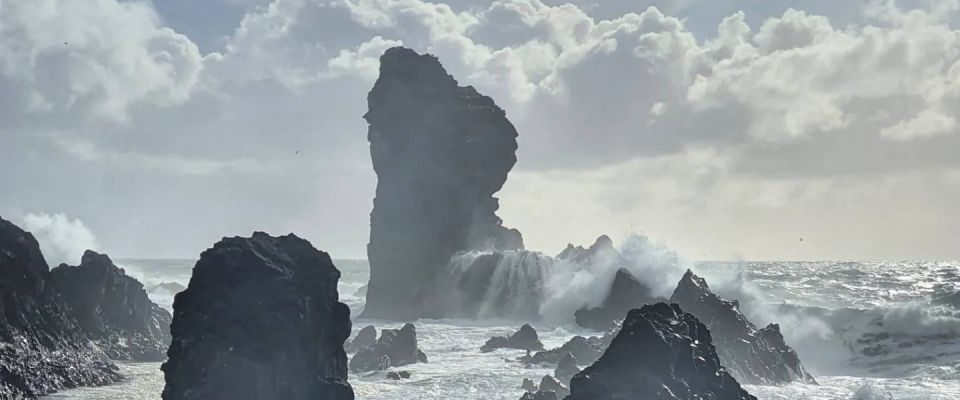
- Lóndrangar Basalt Columns: A Roadside View With Big Impact
- Djúpalónssandur Black Beach and the Lifting Stones Challenge
- Ingjaldshólskirkja Red Church: A Cultural Pause With Wide Views
- Kirkjufell at Day’s End: Photo Time, But Also Atmosphere
- Price and What You’re Actually Paying For
- Weather, Footwear, and Who Should Book This
- Should You Book the Snæfellsnes Day Trip?
- FAQ
- How many people are in the group?
- What time is pickup in Reykjavik?
- Is the tour guide English-speaking?
- Are meals included?
- What are the main stops on the trip?
- Can I cancel for a full refund?
Key Points Worth Planning For
- Small-group cap (up to 19) means less waiting and more time at each stop
- Seal colony at Ytri-Tunga gives you real wildlife viewing, not just a signboard
- Djúpalónssandur lifting stones are a fun, physical break from pure sightseeing
- Lóndrangar black basalt columns deliver a big visual payoff from the roadside
- Ingjaldshólskirkja Red Church adds culture to the geology-heavy route
- Kirkjufell ends the day at one of Iceland’s most photographed mountains
Why Snæfellsnes Feels Like Iceland in Miniature
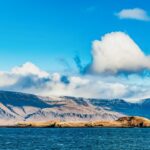
Snæfellsnes National Park is often described as Iceland in miniature, and the phrase holds up because the variety hits fast. One minute you’re staring at volcanic ice in the distance, and the next you’re walking a mossy coastline with cliffs full of sea birds. After that, you swing back to stark black sand and sharp rock formations that look almost sculpted by a giant.
This is the kind of day trip that works even if you’ve already seen a lot of Iceland’s “big hits.” It’s not just another waterfall stop. It’s a loop of geology: glaciers and volcanic peaks, basalt columns, and black coastal beaches—plus a few human landmarks tucked in so the day doesn’t feel like nonstop weather and rocks.
You can also read our reviews of more tours and experiences in Reykjavik
Small-Group Size (Up to 19) Makes the Day Feel Less Rushed
With groups limited to no more than 19, the pace feels more human. You get enough time for photos without the constant herd pressure that comes with larger buses. It also helps with logistics: bathroom breaks and regrouping are usually calmer when the guide isn’t managing a crowd.
You also have an English-speaking guide with room for questions. In past departures, guides such as Jonas (funny and kind), Bart (friendly and knowledgeable about the area), Henrik (high energy), and Dominika (easygoing and story-focused) are mentioned as standout parts of the day. Even when the scenery does most of the work, a good guide helps you notice what you’d otherwise walk past.
Reykjavik Departure and the First Snæfellsjökull Glimpse
You start with pickup from the Reykjavik area, typically between 8:30 AM and 9:00 AM. Depending on local regulations, pickup is either from your hotel or a nearby meeting point. Either way, it’s one less thing to coordinate before your long drive.
The drive itself matters because you start seeing Snæfellsjökull, the glacier-covered volcano, early enough that it becomes a visual thread through the day. On clear days, you can even catch the highest peak in the area from the capital. That kind of first impression sets the tone: this is a peninsula where the weather and light can change the whole look.
Expect a long road day. Even if the schedule keeps everything organized, you’re still spending substantial time in the bus. If you’re the type who gets antsy on transfers, bring something to do (music, snacks, something warm to hold onto) and settle in.
Ytri-Tunga: Seals, Salt Air, and a Real Farm-Style Stop
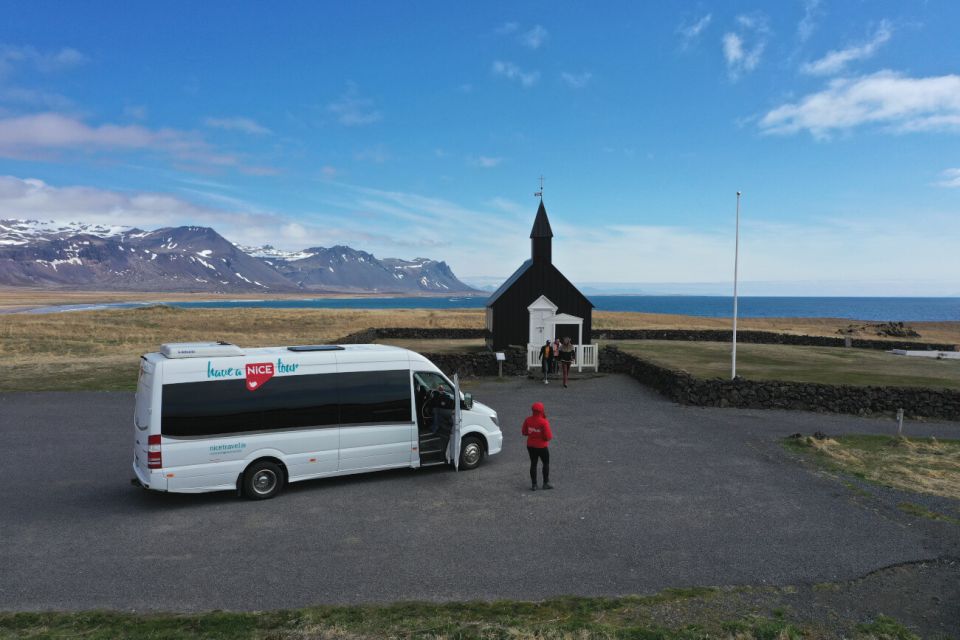
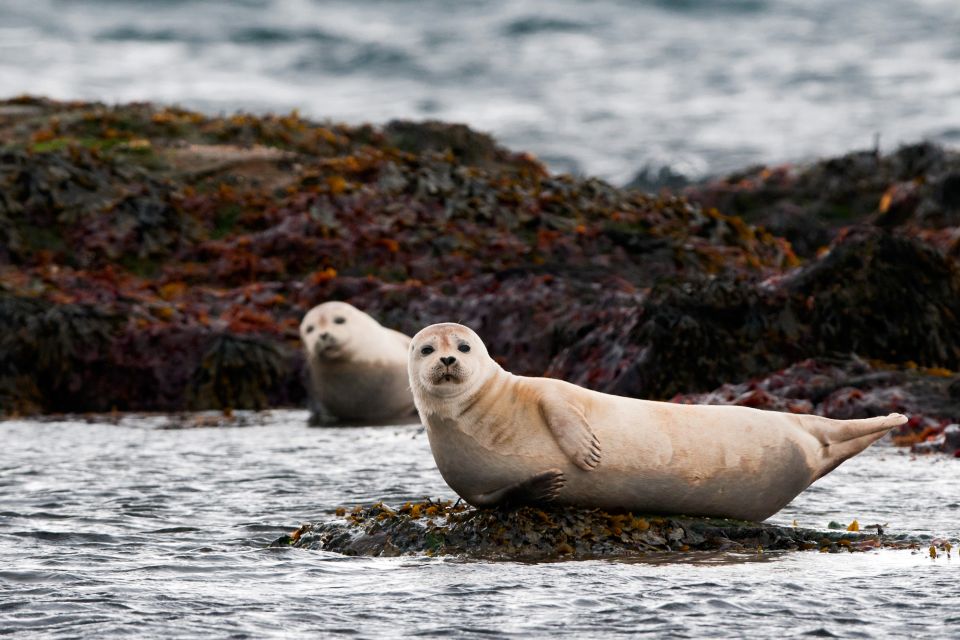
Ytri-Tunga is one of those stops where the photo moment turns into a slow look. You’re heading to a charming farm and nearby beach, and the beach is home to a seal colony. When they’re out on the sand, you can watch them sunbathe and play in the surf—wildlife viewing that feels surprisingly close.
What makes this stop valuable is timing and atmosphere. It’s not just a quick roadside view. You get time to enjoy the beach air and the contrast between the soft sand and the rugged coastline. And because seals are wild animals, the whole scene has a natural rhythm—less like a staged attraction and more like a real slice of coastal life.
Bring layers. Coastal wind can change fast, especially in shoulder seasons and winter.
Arnarstapi and Hellnar Cliffs: Mossy Rocks and Ocean Noise
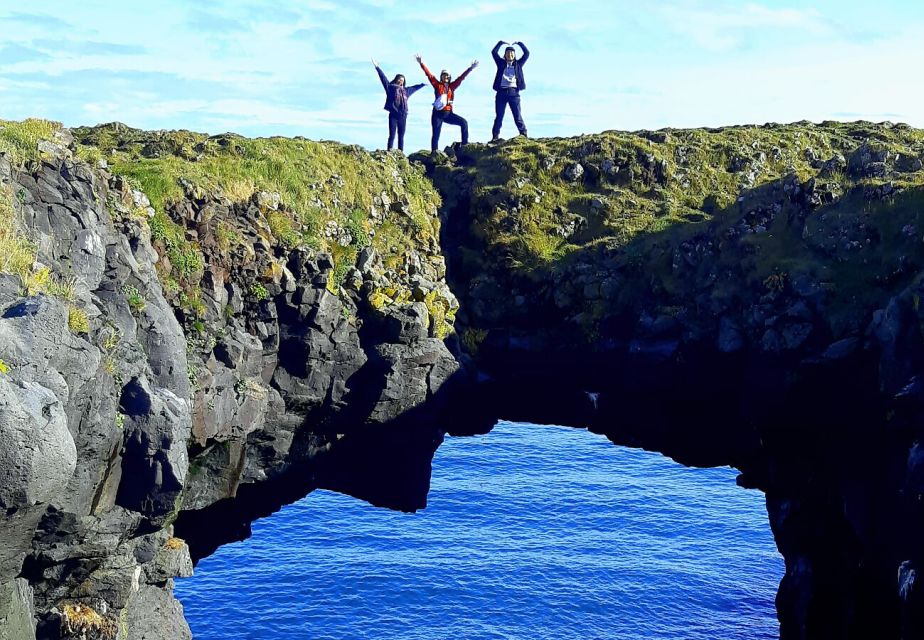
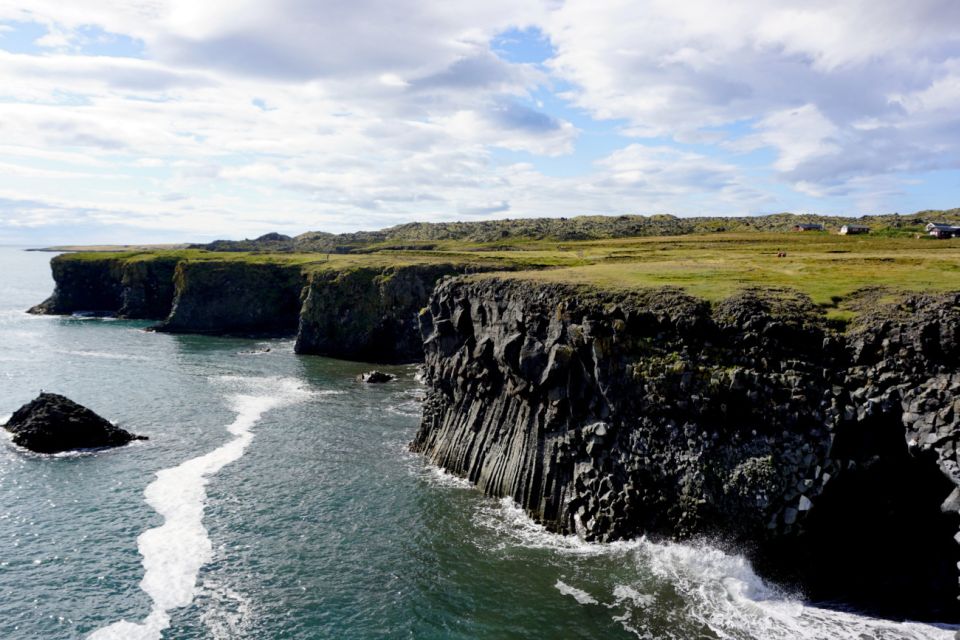
After Ytri-Tunga, the day shifts into coastline mode. You’ll spend time around Arnarstapi and Hellnar, where you can see rock formations dotted with green-and-yellow moss. This is one of the best sections for walking, because the cliffs give you fresh sea air and constantly shifting views.
The vibe here is simple: stop, look, walk a bit, and let the ocean sound reset your brain. It’s a good place for photographers who like variety—wide coastal angles one minute and more detailed rock textures the next.
The main consideration is footing. Coastal paths can be uneven, damp, and slick. Keep your balance, don’t rush, and you’ll get the full benefit of these cliff walks instead of fighting the ground.
Lóndrangar Basalt Columns: A Roadside View With Big Impact
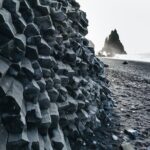
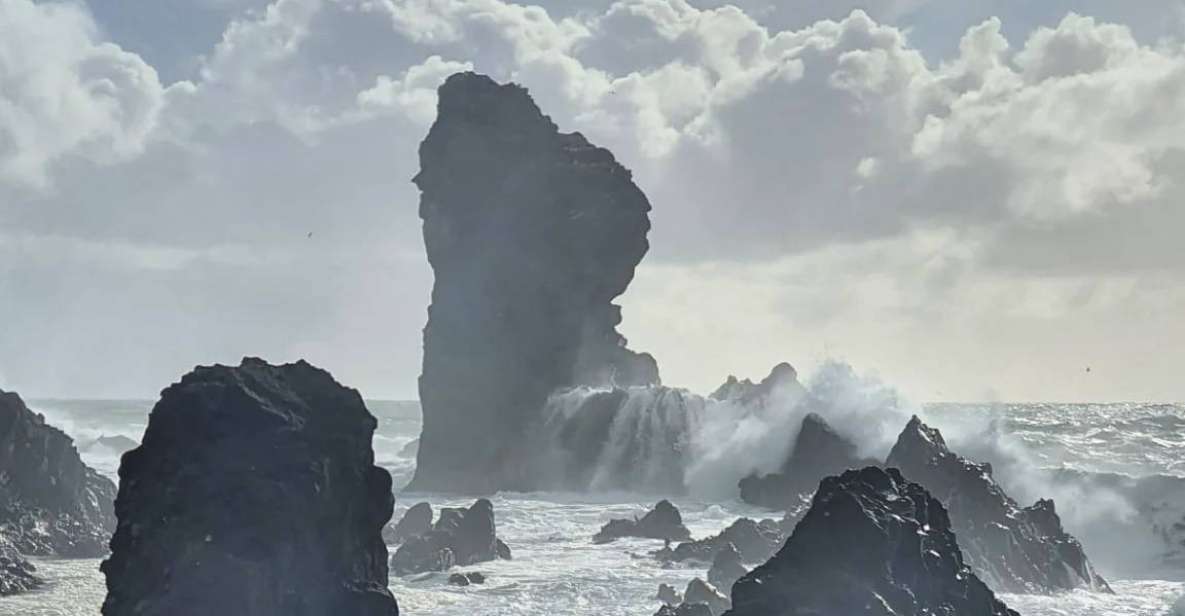
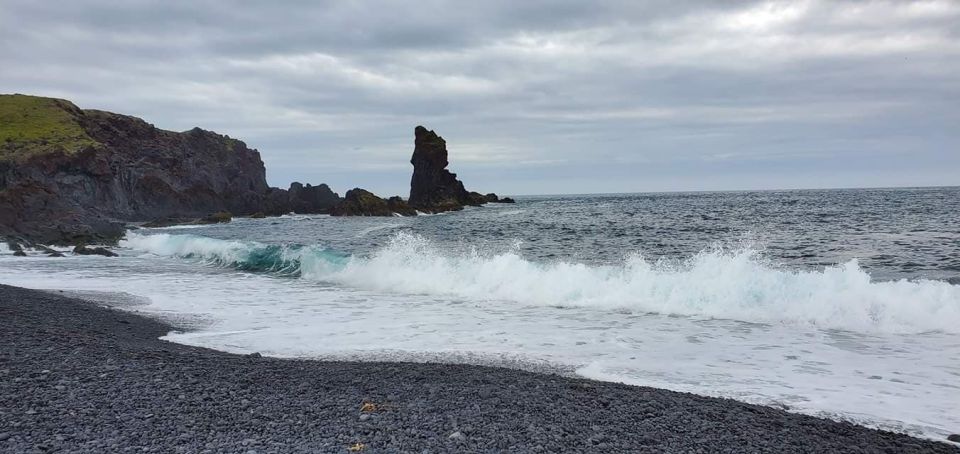
Then comes one of the most satisfying “how is that real?” stops: Lóndrangar. You see two black basalt columns that are tall enough to be spotted from the road. That roadside visibility is a gift, especially in weather—when visibility drops, you still have a strong landmark to anchor your view.
Basalt columns are a classic Iceland sight, but what makes this one feel special is scale and simplicity. Two giant pillars. Not a cluttered site. The result is easier sightseeing when you’re cold and your hands are already struggling with camera settings.
Take a minute to look from different angles if the weather allows. Even without hiking, the light can make the rock look different within minutes.
Djúpalónssandur Black Beach and the Lifting Stones Challenge
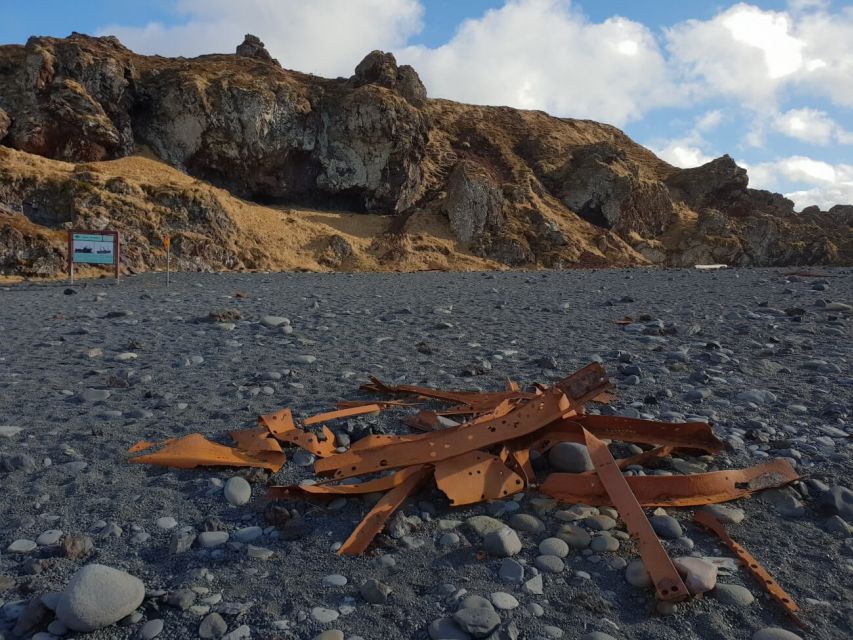
Djúpalónssandur is black beach territory, and it delivers. The air carries the sound of birds circling the cliffs and ocean waves hitting the sand. The beach itself feels stark and dramatic, which is exactly why it works as a break in the day—your eyes get a strong reset.
At Djúpalónssandur you also get the famous lifting stones, used historically to measure fishermen’s strength. If you’re curious (or just a little competitive), this is one of the most fun moments on the itinerary because it turns history into something you can try.
Here’s what’s included with the challenge:
- Fullsterkur (Full-Strength), 154 kg / 340 lb
- Hálfsterkur (Half-Strength), 100 kg / 220 lb
- Hálfdrættingur (Weakling), 54 kg / 119 lb
- Amlóði (Useless), 23 kg / 50 lb
The practical tip is to lift with your knees so you don’t hurt your back. Also remember you’re doing this on sand and uneven ground. If you’re not comfortable with it, don’t force the attempt—watching others try is still a memorable part of the stop.
One more real-world note: in winter and shoulder seasons, traction can be an issue. A good plan is bringing gear for slick footing, and at least one guide recommendation from past guests is to bring crampons for unexpected ice.
Ingjaldshólskirkja Red Church: A Cultural Pause With Wide Views
After the black beach and the physical challenge, you shift back to something calmer and very Icelandic: Ingjaldshólskirkja, often called the Red Church. It was built in 1903 and sits on a hill between Hellissandur and Rif, with wide views across the Snæfellsnes area.
What I like about this stop is that it gives you a story to hold onto while the scenery does its thing. It’s also tied to a long-held local story that Christopher Columbus stayed in the area during the 1470s. Whether you treat it as legend or a historical clue, it’s the kind of detail that helps you understand why people care about places beyond the “pretty postcard” factor.
Design-wise, it’s simple and striking with peaceful surroundings. It’s a good moment to warm up, look out across the peninsula, and catch your breath before the final push toward Kirkjufell.
Kirkjufell at Day’s End: Photo Time, But Also Atmosphere
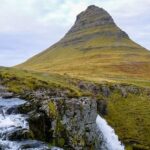
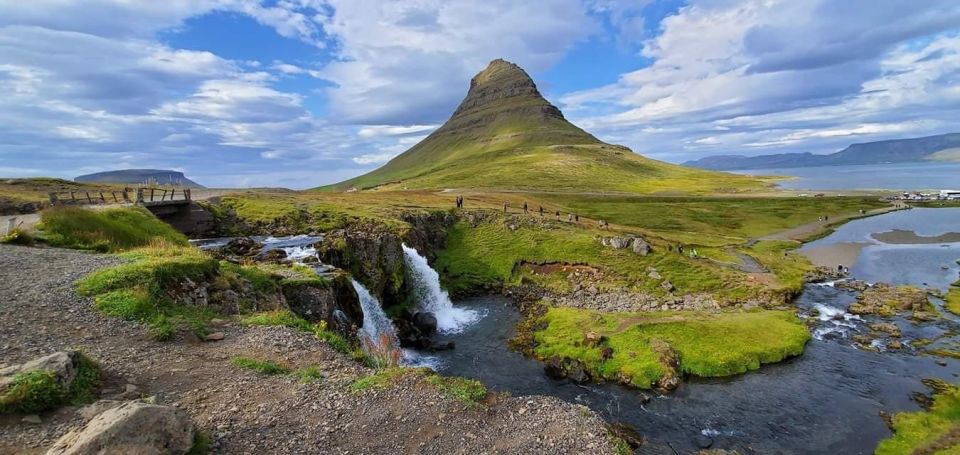
The day ends at Kirkjufell Mountain, one of Iceland’s most popular photography spots. The mountain rises from green hills, with trickling rivers nearby. It’s the kind of ending that turns your earlier geology into a complete picture: peaks, water, and coastline all in one view.
Because it’s widely photographed, you’ll likely have other people around. Still, this stop usually feels rewarding because you’ve reached it after a full circuit of different environments. By the time you arrive, you’re ready for the classic view—and your brain has context now.
If you care about photos, dress for the conditions and give yourself a few minutes to adjust camera settings. Iceland weather is fast. That “perfect” look often lasts briefly.
Price and What You’re Actually Paying For
The price is listed at $163 per person for an 11-hour small-group outing. Meals aren’t included, so plan on buying your own food or bringing snacks you can eat during breaks. Everything else—guide, English interpretation, pickup/drop-off from the Reykjavik area, and free Wi‑Fi on the bus—is part of the package.
Is it good value? It can be, especially if you don’t want to drive a long loop on unfamiliar roads in the wind and rain. You also get the guide’s running commentary, plus a structured route that hits many of the peninsula’s signature stops without you hunting for parking or timing.
The flip side: if you’re comfortable renting a car and you’re traveling on your own schedule, you might see the same core sights for less money. Some people also feel the itinerary is a lot of driving for one day. My advice is to match the tour style to your travel personality: if you want a managed day with minimal stress, this is a solid option. If you want maximum control and don’t mind driving, you might do better going independent.
Weather, Footwear, and Who Should Book This
This trip is weather-dependent in the way Iceland always is, but the route is designed to keep you seeing key features even when conditions aren’t ideal. Some days, guides adjust on the fly to keep things safe. A past example included rearranging the day when winds and rain got extreme, while still working toward the planned stops.
Still, plan for real walking challenges. You’ll be on uneven terrain at coastal viewpoints, and surfaces can be slick. For that reason, I’d be careful if you have a mobility limitation. One review specifically warned that it’s not a great choice for motion disability due to uneven and sometimes slippery paths, plus the need for agility and sturdy footwear.
What to bring, practically:
- Windproof layers (you’ll feel the difference at the cliffs and beach)
- Non-slip footwear
- Warm gloves if it’s cold and damp
- A snack for the long driving stretches since meals aren’t included
This is best for active sightseers who like mixing wildlife, geology, and a bit of challenge—plus anyone who wants Kirkjufell without doing a full multi-day trip.
Should You Book the Snæfellsnes Day Trip?
Yes, with a few conditions. Book it if you want a well-paced “greatest hits” day that balances wildlife (Ytri-Tunga seals), iconic geology (Lóndrangar and Djúpalónssandur), and a culture stop (Ingjaldshólskirkja), finishing with Kirkjufell.
Skip it or seriously reconsider if you’re uncomfortable with slippery coastal walks, or if you hate long bus days where you’re mostly transferring from one viewpoint to the next. Also, if you’re on a tight food budget, remember meals aren’t included.
If you get the weather that clears even a bit, this is one of those Iceland days that stays in your head for weeks.
FAQ
How many people are in the group?
The group is capped at no more than 19 people.
What time is pickup in Reykjavik?
Pickup is typically between 8:30 AM and 9:00 AM from your hotel or a nearby meeting point.
Is the tour guide English-speaking?
Yes. The tour includes an English-speaking guide.
Are meals included?
No. Meals are not included, so plan on buying food or bringing snacks.
What are the main stops on the trip?
You’ll visit Snæfellsnes National Park highlights including Ytri-Tunga (seals and farm area), Arnarstapi and Hellnar (coastal cliffs), Lóndrangar (basalt columns), Djúpalónssandur (black beach and lifting stones), Ingjaldshólskirkja (Red Church), and finish at Kirkjufell.
Can I cancel for a full refund?
Yes. You can cancel up to 24 hours in advance for a full refund.