REVIEW · REYKJAVIK
Small Group Golden Circle Tour w/ Kerid & Tomato Farm Visit
Book on GetYourGuide →Operated by David The Guide Iceland · Bookable on GetYourGuide
A Golden Circle day with a tomato detour. That combo is the fun part: you’ll see Iceland’s big geology up close and then step into a real working greenhouse run with practical sustainability. You’ll be moving from UNESCO tectonic drama to roaring water and active geothermal steam, with enough walking to make it feel like a day, not a slideshow.
Two things I really liked: small-group comfort in a minivan that keeps the day from feeling rushed, and the chance to watch Strokkur erupt for real, not just from a distance. One thing to consider: you’ll do a moderate amount of walking on uneven paths (Þingvellir, Gullfoss viewpoints, and both the rim and bottom at Kerid), so comfy shoes and warm layers matter.
In This Review
- Key things to know before you go
- A Small-Group Golden Circle Day from Reykjavik
- Þingvellir National Park: Walking Between North America and Eurasia
- Geysir Geothermal Area and the Strokkur Eruption Timing
- Gullfoss Waterfall: Feel the Hvítá Drop and Pick Your Viewpoint
- Fridheimar Tomato Farm: Sustainable Greenhouse Farming in Action
- Kerid Crater Walk: Volcanic Lake Colors from Rim to Bottom
- Comfort, Timing, and What to Pack for 8 Hours
- Price and Value: Is $115 Worth This Route?
- Should You Book This Golden Circle and Tomato Farm Tour?
- FAQ
- How long is the tour?
- Where does the tour start and end?
- Is lunch included?
- What sites are included on the route?
- How accessible is the tour?
- Is there walking involved?
- What should I wear or bring?
- Is the tour in English?
Key things to know before you go
- Small-group pacing: the route is structured, but you get more guide attention than on big buses.
- Strokkur eruptions are frequent: plan to hang around and look sharp when the steam builds.
- Gullfoss is worth multiple stops: you’ll walk viewing paths for different angles of the Hvítá drop.
- Fridheimar is a working greenhouse visit: you’re not dining here, so dress for walking and observation.
- Kerid is both rim and crater floor: you’ll get panoramic views and then closer looks at rock color.
A Small-Group Golden Circle Day from Reykjavik
This is built for an 8-hour sweep of the Golden Circle with a twist: after the big natural hits, you’ll visit Fridheimar Tomato Farm to see how tomatoes grow in Iceland’s challenging conditions. You start with hotel pickup and drop-off in Reykjavik, then ride in an air-conditioned minivan designed for small groups. That usually means less waiting around and a smoother flow between stops.
The order of sights makes practical sense. You go from Þingvellir’s tectonic setting to the geothermal area, then to Gullfoss, and only after that you shift into the greenhouse world. By the time you reach Kerid, you’re warmed up on geology, so the crater walk feels like the final chapter instead of a random extra.
If you’re traveling solo or as a couple, I like this format because it’s easier to ask questions and get answers that fit what you’re seeing right now. If you’re the type who needs zero walking, keep reading—this isn’t the kind of tour where you barely step out of the van.
You can also read our reviews of more tours and experiences in Reykjavik
Þingvellir National Park: Walking Between North America and Eurasia
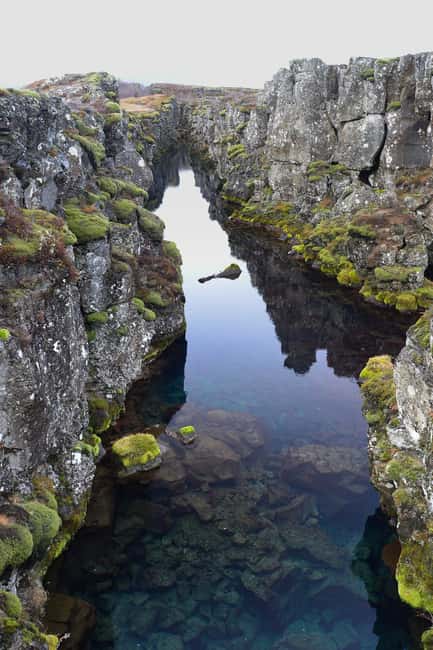
Þingvellir is UNESCO-listed for a reason, and it’s not just paperwork. You’ll walk in a place where the tectonic plates of North America and Eurasia are pulling apart. It’s visual in a way that’s hard to get from photos: you’re literally in the landscape where the ground is changing.
Your guide also connects the geology to Iceland’s human history by pointing you toward the story of the Alþingi, Iceland’s parliament. In plain terms: Þingvellir wasn’t only important because of nature. It became a gathering place as the island developed its political life.
Practical reality check: this stop involves walking through the park on paths that can be slippery if conditions are wet. I’d wear shoes you trust. Also, bring layers that can handle quick weather shifts. Þingvellir sits out in the open, and Iceland doesn’t do warm and steady.
Geysir Geothermal Area and the Strokkur Eruption Timing
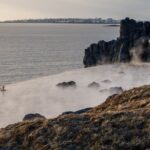
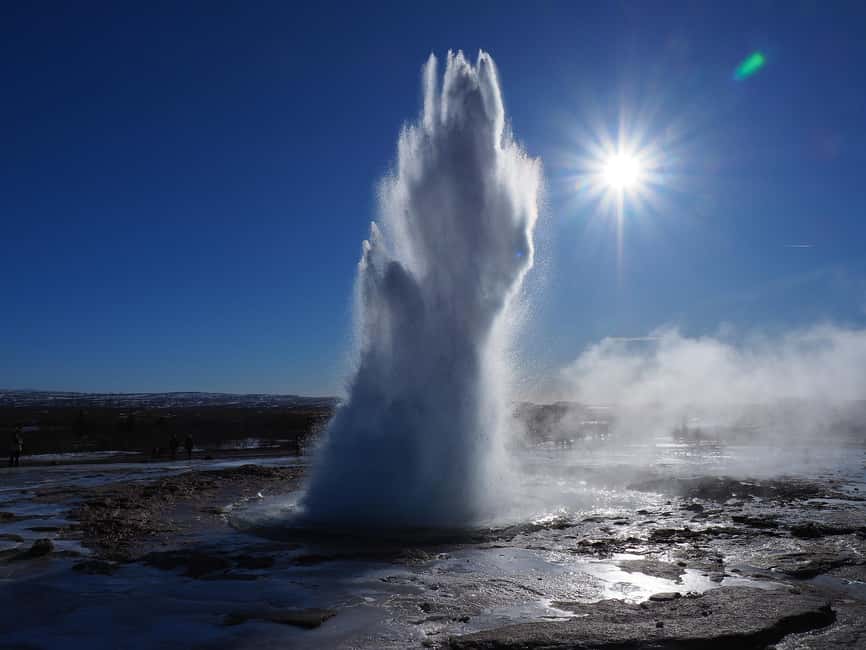
After Þingvellir, the day moves into geothermal territory, where everything looks steam-made. The focus here is the Geysir geothermal area and, especially, Strokkur, the active geyser.
The best part is that you’re not waiting forever. Strokkur erupts every few minutes, and the water can shoot as high as about 30 meters. That means you’ll have time to watch from a good spot and still take photos without feeling like you’re holding your breath the whole time. When the steam thickens and the ground starts doing its boiling-water thing, you’ll know the show is close.
One tip from how these tours tend to run: stay alert and positioned early. People who try to “just one more photo” right as the eruption starts often end up with a photo of steam instead of water. I’d rather have a clear shot than a dramatic blur.
Also, expect the smell. Hot springs have a very specific odor, and it’s part of the experience. Bring a light layer you don’t mind getting slightly “Iceland-geothermal.”
Gullfoss Waterfall: Feel the Hvítá Drop and Pick Your Viewpoint
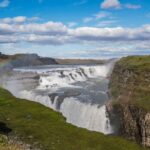
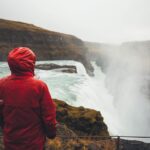
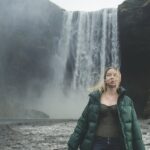
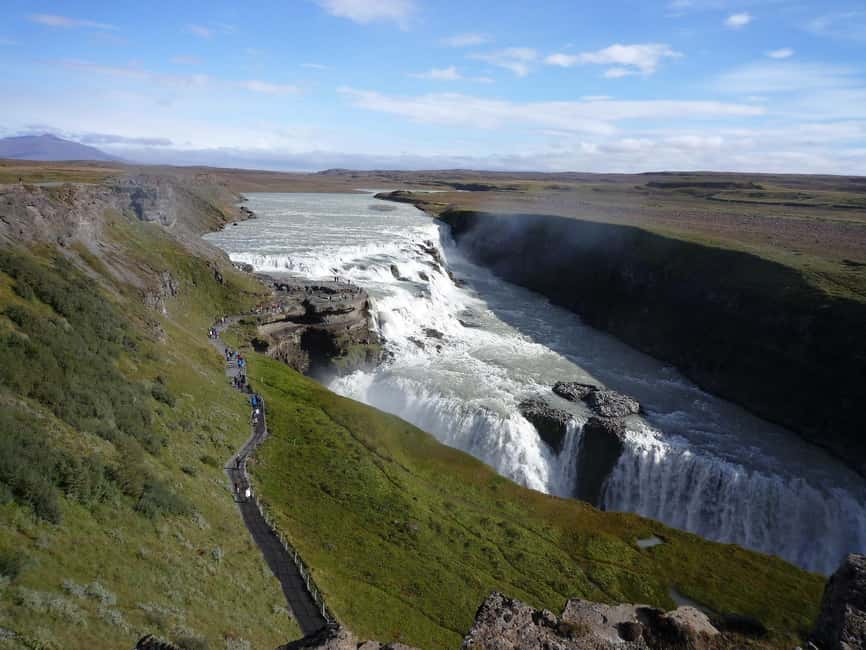
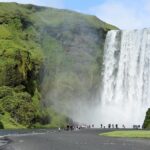
Gullfoss is the kind of famous that earns its fame. You’ll head to the waterfall where the Hvítá river plunges into a deep canyon. The water’s power is obvious, but the viewing paths are what turn it into a satisfying visit.
Instead of one single platform, you’ll walk along designated paths to experience different perspectives. That’s valuable because Gullfoss changes depending on where you stand—angle, mist, and sound all shift. You’ll feel the spray in the air, so keep your camera protected and your hood ready.
Weather matters here. If it’s windy, you’ll get more mist. If it’s calm, you’ll get clearer views. Either way, I’d plan to spend a bit of time at each stop point rather than rushing through, because the best views often come after you reposition.
If you’re sensitive to cold spray, wear water-resistant outer layers or at least plan for wet sleeves. Iceland water finds seams.
Fridheimar Tomato Farm: Sustainable Greenhouse Farming in Action
Then you get the curveball: Fridheimar Tomato Farm. You’ll visit the greenhouse and learn about how tomatoes are grown in Iceland, including the sustainable practices the farm uses. It’s a visit only, not a tour with lunch and not a full meal stop.
Why this is worth your time: it’s a real example of adapting food production to a tough environment. Iceland isn’t famous for field tomatoes, so seeing how they grow in greenhouse conditions helps you connect the dots between the country’s geothermal resources, controlled environments, and day-to-day sustainability.
This stop is also a mental breather. After steam and waterfalls, the greenhouse is calmer and more focused. You can ask questions and see the plants up close rather than just looking at nature from a distance.
There’s one consideration to keep in mind: the tomato farm stop is part of the plan, but in rare cases a day’s schedule can change. If the farm visit is a key reason you booked, double-check your confirmation details before you go, and don’t count on extras replacing it if it doesn’t happen.
Kerid Crater Walk: Volcanic Lake Colors from Rim to Bottom
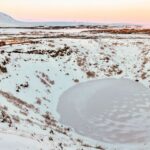
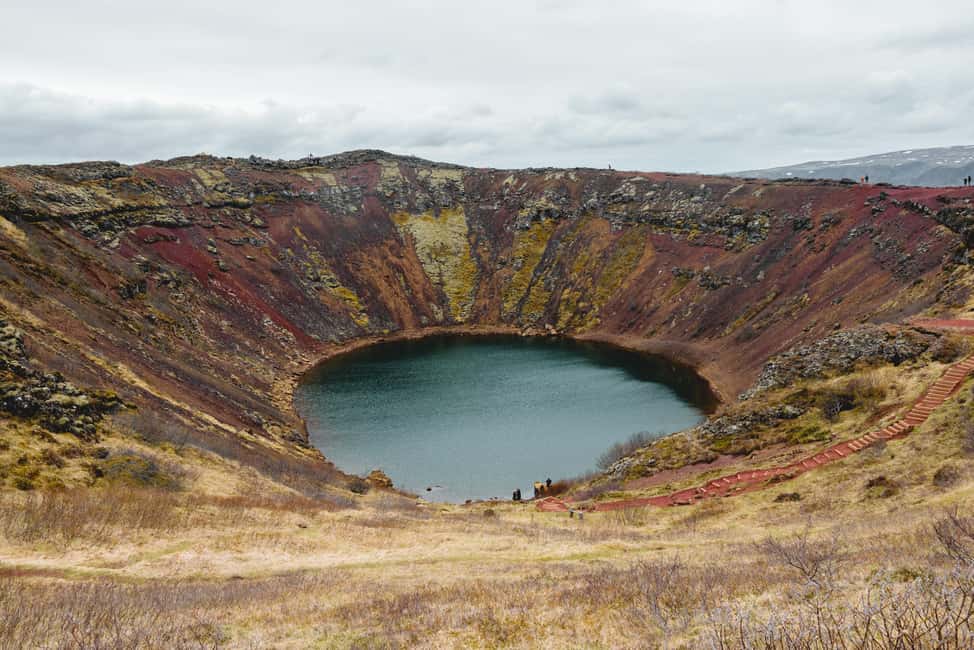
Kerid is one of those places where the “wow” comes from color and shape. You’ll visit Kerid Crater, a volcanic crater lake with vividly colored slopes. The top rim gives you panoramic views of the surrounding area, and the experience doesn’t end there.
You’ll also walk down toward the bottom for a closer look at the rock formations and the unique colors around the crater. It’s more than a quick photo stop. The rim-to-bottom sequence gives you scale: first you see the crater as a whole, then you see how the layers and tones tell the story up close.
This is also where comfortable shoes matter most. The path can be uneven, and you’re mixing sightseeing with actual walking effort. If you’re traveling in winter or after rain, take your time on steps and sloped ground.
I like Kerid because it’s different from the rest of the day. Þingvellir and Geysir tell you how Iceland’s forces work. Gullfoss shows the power of water. Kerid shows how volcanic history can leave behind a quiet lake that looks almost unreal.
Comfort, Timing, and What to Pack for 8 Hours
This is a full-day tour, about 8 hours, and it’s paced as a sequence of stops rather than one long continuous drive. That works well because each location has a different kind of walking, different weather exposure, and different sight rhythms.
What you’ll want in your daypack:
- Comfortable walking shoes with grip
- Warm layers you can adjust quickly
- A camera (you’ll want it for Strokkur and Kerid)
- A small layer for wind and mist at Gullfoss
Even though the minivan is comfortable, you’ll still be outside for stretches. Guides typically build in time to explore at each stop, but you should still expect moderate walking at Þingvellir, Gullfoss viewing paths, and Kerid rim and crater floor.
Good to know: the tour is wheelchair accessible, which is a big plus if you’re planning around mobility needs. Walking distances still apply, so you’ll want to ask how the guide handles specific paths and viewpoints for your group, but the accessibility is explicitly listed.
On the guide front, this provider is connected to guides such as David The Guide Iceland. In practice, you might be with guides including Anya or Svarvar, who were praised for clear explanations and a good sense of humor—exactly what you want when you’re staring at steam and wondering what you’re actually seeing.
One more practical note: meeting up matters. There have been at least a couple of issues reported when pickup didn’t happen at the scheduled time and place. I’d keep your confirmation info handy, arrive a little early, and have a way to contact the operator if the meeting point feels confusing.
Price and Value: Is $115 Worth This Route?
At about $115 per person, you’re paying for a tight package: pickup and drop-off, a professional guide, an air-conditioned small-group vehicle, and entrance fees for the stops listed. You also get a tour at Fridheimar Tomato Farm, which isn’t just a drive-by photo moment.
Is it good value? I think it’s fair because:
- You’re covering multiple major Golden Circle sites in one day without the hassle of self-driving between them.
- The geyser and waterfall stops are experience-based, not just scenic pull-offs.
- The minivan format tends to feel more personal than a big coach.
The only big thing not included is lunch. That’s normal on tours, but it does affect your day planning. If you’re prone to getting hungry mid-afternoon, plan ahead so you can eat on your own schedule rather than feeling rushed. Bring water too—geothermal and cold air both affect how you feel.
If you’re comparing alternatives, the sweet spot for this tour is when you want a guided route and you appreciate explanation for what you’re seeing—tectonic plates, geyser mechanics, volcanic rock color—not just driver-based sightseeing.
Should You Book This Golden Circle and Tomato Farm Tour?
Book it if you want:
- A small-group Golden Circle day with guided context
- Real time at Strokkur and meaningful viewing at Gullfoss
- A greenhouse visit that adds something different from the usual nature-only route
- A crater walk that goes beyond a quick rim stop
Skip it or at least reconsider if:
- You’re extremely time-sensitive and can’t handle moderate walking
- The tomato farm stop is your only reason to book and you’d be disappointed if a day’s timing changed—just confirm details first
- Pickup logistics could be tricky for you. If your lodging makes pickup confusing, verify the meeting point in advance and plan to be ready early.
My take: this is a smart way to do the Golden Circle when you want more than postcard stops. The mix of tectonics, geothermal action, waterfall mist, and a working tomato greenhouse gives the day shape. You’ll come home with photos, sure—but also with a better sense of how Iceland’s geology and food systems connect.
FAQ
How long is the tour?
The tour lasts about 8 hours.
Where does the tour start and end?
It includes hotel pickup and drop-off in Reykjavik, with return transport back to your hotel or a central location.
Is lunch included?
No. Lunch is not included.
What sites are included on the route?
You’ll visit Þingvellir National Park, the Geysir geothermal area (including Strokkur), Gullfoss, Fridheimar Tomato Farm, and Kerid Crater.
How accessible is the tour?
The tour is listed as wheelchair accessible.
Is there walking involved?
Yes. There is a moderate amount of walking, including paths at Þingvellir, viewpoints at Gullfoss, and both rim and crater-floor walking at Kerid.
What should I wear or bring?
Wear comfortable walking shoes and dress warmly in layers. Bring a camera if you want photos.
Is the tour in English?
Yes, the live guide provides English.