REVIEW · REYKJAVIK
Volcano Tour on Reykjanes Peninsula Including Icelandic Snacks
Book on Viator →Operated by Guiding.is · Bookable on Viator
Fresh lava and geology in a Reykjavik day trip. This Fagradalsfjall tour is interesting because it combines real volcanic terrain on the Reykjanes Peninsula with classic Iceland geothermal stops, and I love the focus on photos and walking trails. A big plus is the small group feel, plus a guide like Johannes who brings the geology to life with clear, friendly explanations.
One thing to weigh up: the volcano portion can mean a long uphill walk. Expect moderate fitness at minimum, and the route has been described as demanding (up to 10 kilometers each way in some conditions), with possible changes when access is restricted.
In This Review
- Key highlights you’ll actually care about
- Reykjanes Peninsula Volcanoes: What You’re Actually Seeing
- From Reykjavik Pickup to the Mid-Atlantic Rift Drive
- Fagradalsfjall and Litli Hrútur: The Lava Field Walk
- Seltún Geothermal Area: Boiling Springs and Mud Pools
- Kleifarvatn Lake: Quick Stop, Clear Clues
- Icelandic Snacks: What’s Included, What’s Not, What to Do
- Price and Group Size: Is $53 Good Value?
- Guide Impact: Why Johannes Makes the Day Better
- Reliability and Weather: The Two Real Variables
- Who This Tour Suits (and Who Should Think Twice)
- Should You Book This Volcano Tour?
- FAQ
- How long is the volcano tour on the Reykjanes Peninsula?
- What time does the tour start?
- Do they pick you up in Reykjavik?
- Is a mobile ticket used?
- How many people are in the group?
- Do I need to pay admission at the stops?
- What about food and drinks on the tour?
- Is the hike strenuous?
- What happens if the tour can’t run due to weather?
Key highlights you’ll actually care about
- Pickup across central Reykjavik: you start without hunting for parking or schedules.
- Fagradalsfjall lava fields and craters: fresh, post-2021 terrain you can get up close.
- Seltún geothermal area: boiling hot springs and bubbling mud pools in a short visit.
- Kleifarvatn quick stop: a fast look at Iceland’s “lava-coated” lake area.
- Small group cap (19): easier pace and more chances to ask questions.
- Snack situation is mixed: the tour name mentions Icelandic snacks, but the operator lists food as not included.
Reykjanes Peninsula Volcanoes: What You’re Actually Seeing
This tour is built around one simple idea: the Reykjanes Peninsula is where Iceland’s tectonic drama shows up in a way you can walk through. The driving theory is the Mid-Atlantic Rift, where the Eurasian and North American plates pull apart. That matters because the terrain here feels young and active.
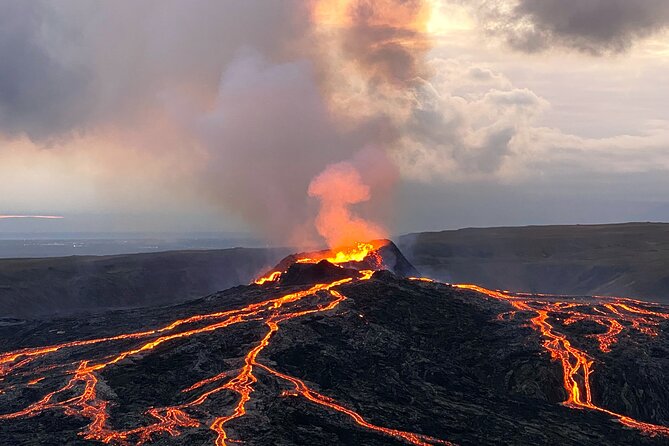
The big story is Fagradalsfjall. After a long quiet stretch, the volcano began erupting in early 2021 and continued for about six months. Even though the eruption has ended, you still get that post-eruption look: new lava fields, craters, and the kind of ground texture that makes you stop and stare like you’ve wandered onto another planet.
I also like that the tour doesn’t treat “volcano” as a one-stop photo op. You get paired geothermal sites too, so the day has variety: hot ground, steam, and bubbling mud, then back out to crater views.
You can also read our reviews of more tours and experiences in Reykjavik.

From Reykjavik Pickup to the Mid-Atlantic Rift Drive
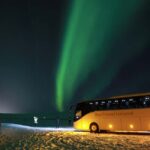
You meet with a start time of 8:30 am and the tour offers pickup from hotels in central Reykjavik or from pickup spots spread across the city. This is a practical advantage: you don’t need to rent a car or figure out rural roads on a tight morning.
The drive takes you out from the capital into the Reykjanes Peninsula’s volcanic zone. Along the way, your guide’s job is basically twofold: set expectations and teach you what you’re looking at before you step out. If you’re into photography, I’d call this “prep time.” You’ll know which angles make sense for lava textures and where it helps to position yourself.
The tour runs about 4 to 6 hours, and group size is capped at 19 people, which usually means fewer delays at stops and a calmer feel on trails.
Fagradalsfjall and Litli Hrútur: The Lava Field Walk
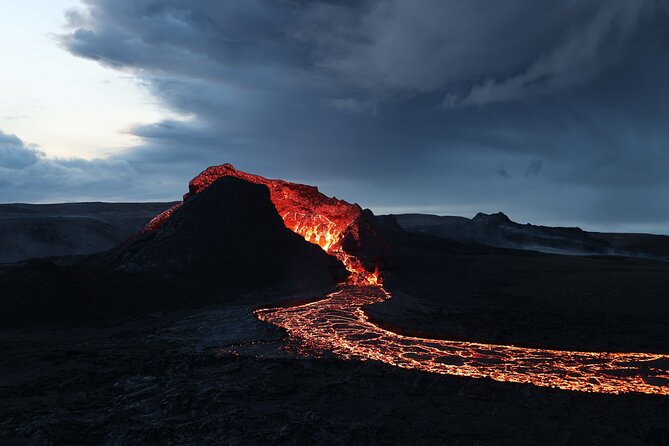
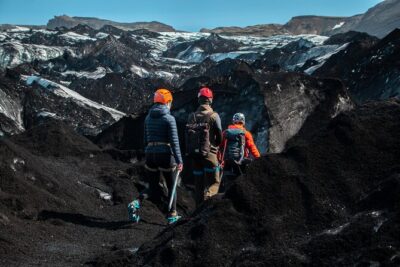
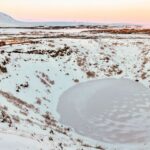
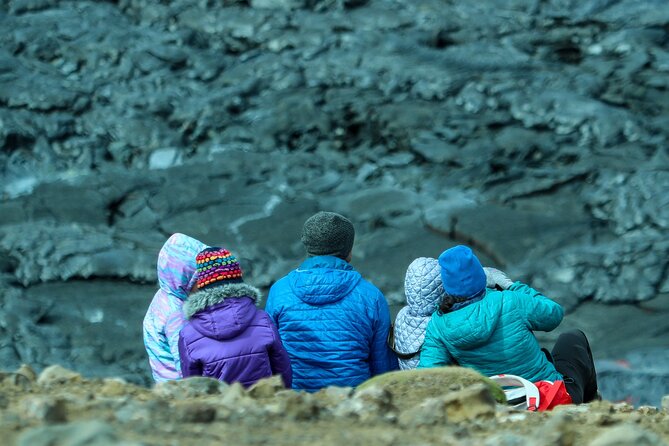
The heart of the day is Fagradalsfjall and the active-volcano area known as Litli Hrútur. This is where the walking happens and where the views tend to win people over.
Plan for a hike that can be more serious than you expect. The tour description talks about physical endurance and a route that can reach up to 10 kilometers each way. And in plain terms: it’s not just the distance, it’s the uphill effort and uneven ground. Even when parts are adjusted due to conditions, you should still expect hill walking and time on your feet.
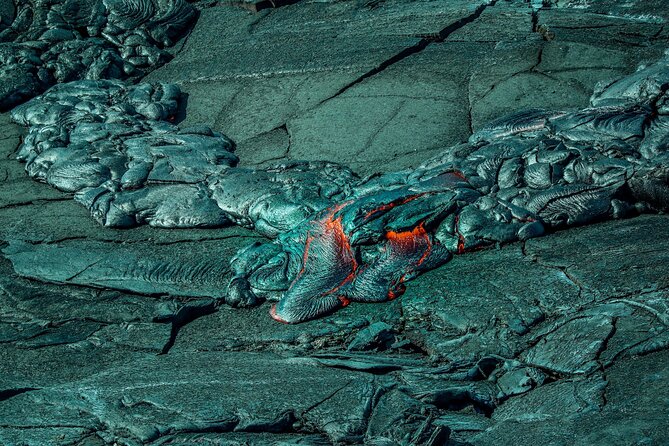
What makes this section worth it is the feeling of being near the aftermath of a real eruption. You’re not just watching from far away. You may get to walk on safer parts of the lava fields and see geothermal activity close up, including steam or warming ground features (some guides even lead people to hot spots to make the geology feel immediate).
A key tip: bring real hiking shoes. The ground can be jagged, sloped, and loose in places. If you show up in sneakers meant for city sidewalks, the day can feel longer than it already is.
Seltún Geothermal Area: Boiling Springs and Mud Pools
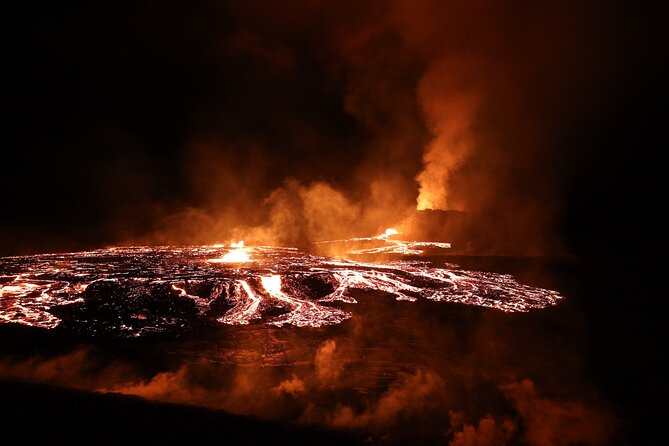
After the volcano effort, you head to Seltún geothermal area (Krysuvik) for about 30 minutes. This stop is powerful because it’s compact and vivid. You get bubbling mud pools and boiling hot springs without having to fight through hours of hiking.
Think of Seltún as your “reset button.” The air often feels thicker with sulfur and heat. The ground looks altered in a way that’s easier to recognize than lava textures from a distance. If you like geology, this is where you see how steam, pressure, and minerals shape a place in a very visual way.
This is also one of the stops that tends to satisfy people who want variety. Even if the volcano walk is modified on the day, geothermal areas like this usually still deliver big visuals.
Kleifarvatn Lake: Quick Stop, Clear Clues
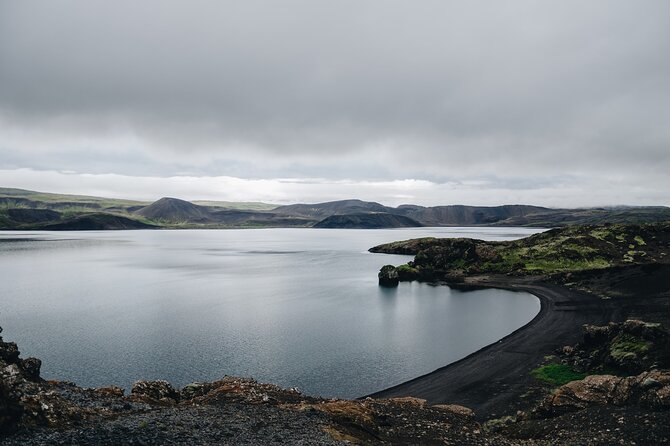
Next is Kleifarvatn Lake, the largest lake on the Reykjanes Peninsula, with a brief 15-minute visit. You likely won’t have time for long wandering here, but the short stop can still be meaningful.
The reason: the area is tied to geothermal and volcanic activity, and it shows up in the way lava and rock cover the surroundings. Even from a quick drive-by, it helps you connect the dots between what you saw at Fagradalsfjall and what you’re seeing across the peninsula.
I’d treat this stop as timing support. It’s the kind of pause that keeps the day from feeling like nonstop hiking, especially if your volcano walk turned out to be longer or steeper than you expected.
Icelandic Snacks: What’s Included, What’s Not, What to Do
The tour title promises Icelandic snacks, and some participants have described a snack that includes dried fish. But the operator’s listed inclusions and exclusions are a bit confusing: the tour does not list food and drinks as included, even though the name strongly implies snacks.
So here’s the practical move: assume you might get a small snack, but don’t plan your whole day on it. Bring water. If you’re sensitive to low fuel or long walks, pack a backup snack you trust.
Also, if you have dietary needs, keep it simple: you need something you know you can eat. That avoids the worst kind of Iceland problem—being hungry in wind and volcanic grit.
Price and Group Size: Is $53 Good Value?
At $53 per person, this is priced like a serious budget-friendly day trip, especially for a pickup-in-Reykjavik volcano outing. The operator includes parking fees and a fuel surcharge, and it also lists admission tickets for the main stops as free, which helps the value add up.
What you’re really paying for is:
- transport out to the Reykjanes Peninsula with pickup
- a guide who explains what you’re seeing (and helps keep the day moving)
- access to the key sites: Fagradalsfjall, Seltún, and Kleifarvatn
- a small-group cap that often improves the experience
The only “value” wobble is the hiking effort. If you want minimal walking, this may not feel like a bargain. If you’re happy to work for great views, the price feels fair because you’re getting a lot of terrain in one day.
Guide Impact: Why Johannes Makes the Day Better
A name you’ll see tied to positive experiences is Johannes. When the guide is strong, this tour is more than a bus ride plus a hill. Johannes is described as friendly and informative, with a knack for explaining the area in a way that makes lava fields and geothermal sites click.
One thing I appreciate about strong guiding here is pacing. People often love when they can look around without feeling rushed. On this route, timing matters because weather and access can change, but a good guide still finds moments to let you get photos and take the views in.
Also, when conditions force adjustments, the best guiding turns frustration into problem-solving. There are examples of hikes being altered due to restrictions or closures, and in those cases, the guide’s ability to pivot matters. If your main volcano route changes, it’s usually the guide who decides how to salvage the day.
Reliability and Weather: The Two Real Variables
Any volcano day in Iceland has two variables you can’t fully control: weather and access.
The operator states it requires good weather, and that also lines up with what you should expect. Wind, rain, and visibility can change trail safety and viewpoint choices.
The other variable is logistics. The tour has been described by some people as having communication or pickup issues on certain days, including cases where no one arrived or the day was cancelled with short notice. I can’t predict your day, but I can suggest how to manage risk: keep your phone charged, get pickup location details clearly before departure, and avoid booking a tour that depends on you being back at a hard deadline.
If you’re flexible with your schedule in Reykjavik, you’ll handle these rough edges with less stress.
Who This Tour Suits (and Who Should Think Twice)
This fits best if you:
- like geology and want more than a quick look
- enjoy photography and walking to viewpoints
- are comfortable with steep, uneven paths
- want pickup from Reykjavik and a guided plan
It’s a tougher choice if you:
- want minimal walking or flat terrain
- have heart conditions or mobility limits (the tour asks for moderate physical fitness)
- get stressed if your planned route changes due to closures
The day can be described as challenging even when it’s called moderate. The final climb and the overall time on foot are the main reasons people either love it or find it too much.
Should You Book This Volcano Tour?
Book it if you want a value-packed Reykjavik day with real volcanic terrain, plus geothermal stops that make the peninsula feel like an active system rather than a single viewpoint. The combination of Fagradalsfjall access, Seltún’s boiling areas, and the small group cap can make this a highlight day.
Skip or reconsider if your comfort zone is short walks, you hate uphill climbs, or you need guaranteed schedules down to the minute. With Iceland volcano terrain, conditions and route access can shift.
If you do book, pack for effort and uncertainty: good shoes, warm layers, water, and a backup snack. And keep your expectations grounded: the volcano may be amazing, but the day still depends on weather and safe access.
FAQ
How long is the volcano tour on the Reykjanes Peninsula?
The tour runs about 4 to 6 hours.
What time does the tour start?
The start time is 8:30 am.
Do they pick you up in Reykjavik?
Yes. Pickup is offered from hotels in central Reykjavik or from pickup spots across the city.
Is a mobile ticket used?
Yes, the tour uses a mobile ticket.
How many people are in the group?
The group maximum is 19 travelers.
Do I need to pay admission at the stops?
The tour notes admission tickets are free for the stops.
What about food and drinks on the tour?
Food and drinks are not listed as included. The tour name mentions Icelandic snacks, and some people describe a snack such as dried fish, but you should still plan to bring your own water and backup food.
Is the hike strenuous?
It requires moderate physical fitness. The route to the active volcano area can involve a long walk and uphill effort, with descriptions reaching up to 10 kilometers each way depending on conditions.
What happens if the tour can’t run due to weather?
It requires good weather. If it’s cancelled due to poor weather, you’ll be offered a different date or a full refund.