REVIEW · VIK
Black Sand Beach Horse Riding Tour from Vik
Book on Viator →Operated by Vik Horse Adventure · Bookable on Viator
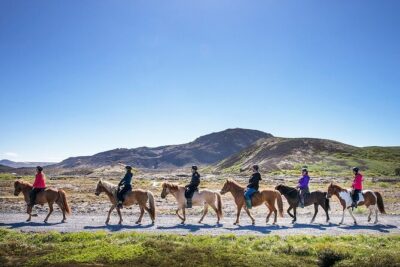
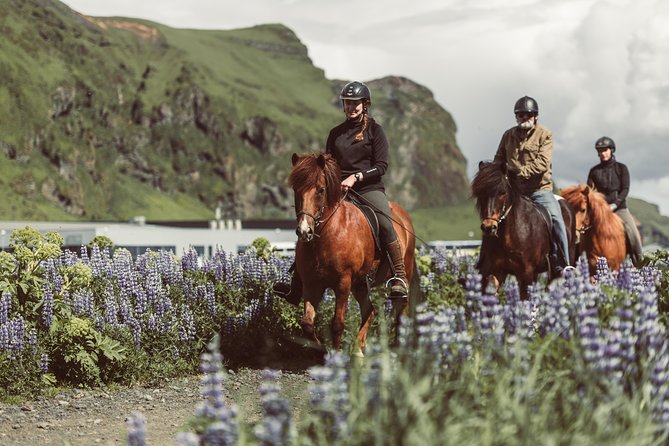
Black sand turns riding into theater on wheels. This one-hour tour in Vík takes you to Víkurfjara, where you’ll follow a guide over volcanic black sand and hear how Icelandic horses and this area work together.
I love the calm, well-looked-after Icelandic horses and the way the guides keep things organized without making it feel stiff. I also like that you may get to try the Icelandic tölt for a short stretch, which is a fun extra when conditions allow.
The only real drawback is Iceland weather. High winds on the beach can lead to delays or cancellations, so keep your day in Vík flexible.
In This Review
- Key Things I’d Prioritize
- Meeting Vik Horse Adventure and Getting Ready
- The One-Hour Experience: What Happens on the Beach
- Icelandic Horses in Real Life: Calm, Short, and Characterful
- Can You Go Faster? Tölt and Trot Without Risking the Ride
- The Guides: Safety-First, But Still Friendly
- What to Wear for Wind, Sand, and Cold (Even in Winter)
- Value for $133: Why This Price Can Make Sense
- Weather Reality: Your Best Backup Plan in Vík
- Who This Tour Fits Best (and Who Might Want Another Option)
- Should You Book This Black Sand Beach Horse Ride?
- FAQ
- How long is the horseback riding on the black sand beach?
- What’s included in the price, and what should I bring?
- What are the age and weight limits?
- Can beginners ride safely on this tour?
- Are pregnant travelers allowed?
- Do I get the chance to try the tölt or ride faster?
- What happens if weather cancels the tour?
Key Things I’d Prioritize
- Small group (max 10 travelers): easier control, more attention for first-timers.
- Helmet included: safety gear is handled for you.
- Víkurfjara black-sand views: you see the beach from a perspective most people never get.
- Beginner-friendly pace, tölt option: you ride at a walk first, with speed tricks offered later for some riders.
- Photo-friendly pauses: guides help you get good shots without rushing.
- Weather-dependent beach riding: plan for wind, and dress for it either way.
Meeting Vik Horse Adventure and Getting Ready
Your experience starts and ends at Vik Horse Adventure in Vík, with the stable serving as the main meeting point. The ride itself heads to Vík í Mýrdal’s black sand beaches, known as Víkurfjara, so you’re not doing a long transfer before the fun begins.
You should plan on a short setup period first: meet your guide(s), get your helmet, and get matched with a horse. Then you’ll head out with the group at a controlled, beginner-safe pace. This “everything handled” flow matters here, because Icelandic horses are steady, but sand and wind can still make everything feel a bit unfamiliar at the start.
Quick note from the rules: riders must be 10+ and under 100 kg / 220 lb. Pregnant travelers aren’t allowed, and the stable reserves the right to ask riders to step on a scale. If you’re on the higher end of the weight limit, it’s worth factoring this in early.
You can also read our reviews of more tours and experiences in Vik.
The One-Hour Experience: What Happens on the Beach
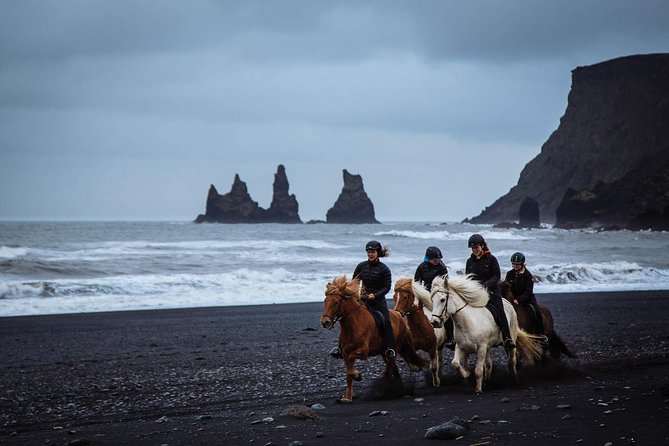
This is a short, satisfying outing. The total duration is listed as about 1 hour, and the horse time is typically around 50–60 minutes (with briefing and photo stops built in). That pacing is a big part of the value: you get the black sand beach experience without committing your whole day to transport and long trail logistics.
Once you’re on the beach, you’re walking across black sand with a guide close by. The terrain can be rocky and sandy, and there are deeper patches and rocks hidden under the surface, so the ride stays calm and controlled. That’s not a bad thing. It’s actually what makes it feel stress-free, even if you’ve never ridden before.
The beach itself is the star. Black sand in wind and waves looks dramatic in a way that photos can’t fully explain. From horseback, you get a “moving viewpoint” that feels different than standing still. You also get the best chance to hear the guide’s explanations while you’re actually experiencing the place.
Icelandic Horses in Real Life: Calm, Short, and Characterful
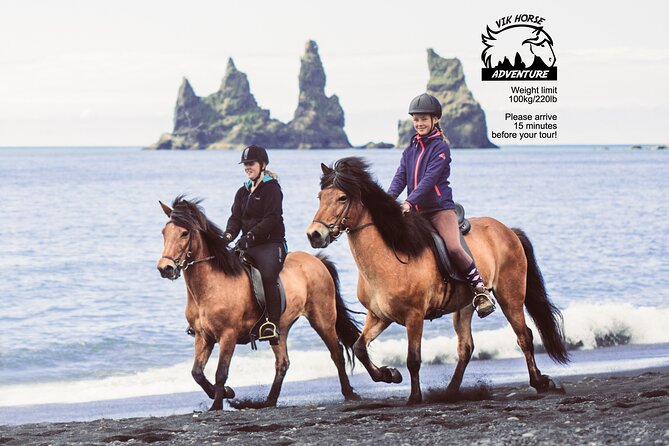
Icelandic horses have a reputation for being friendly and steady, and this tour is built around that reality. You’re not just borrowing a horse. You’re learning the rhythm of how Icelandic horses move and why guides emphasize safety and gentle handling.
In real terms for you, that means your horse is likely to be very composed at the start, and you won’t be fighting for balance the way you might on an unfamiliar mount elsewhere. Many people will find it easy to settle in quickly. One rider highlighted that the animals were extremely well behaved, and another mentioned they were easy even for first-time riders.
You may also hear horse-farm details and get a sense that the stable takes care of these animals day to day. One name that stood out in conversation was Dreki, which means dragon. Those little bits of personality make the whole thing feel more personal than a checklist tour.
Can You Go Faster? Tölt and Trot Without Risking the Ride
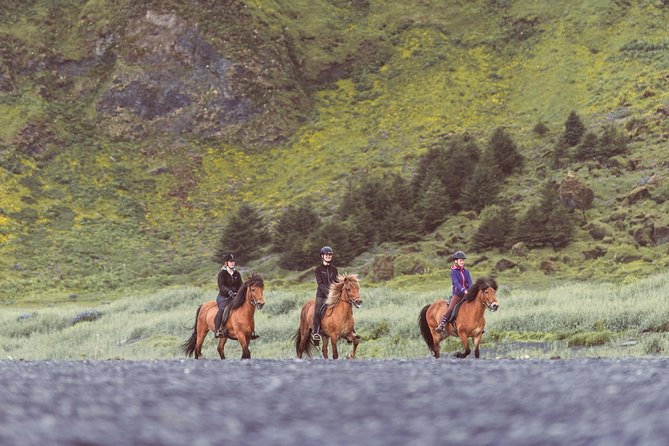
Here’s the honest expectation-setting: this is not a high-speed, gallop-the-beach kind of ride. The beach has hidden rocks and deep sand patches, so the stable limits speed to keep both riders and horses safe.
That said, you might still get a fun taste of Icelandic “extra” gaits. In the experience, riders may be offered the chance to try the tölt—that smooth, four-beat running walk Icelandic horses are famous for—usually as a shorter portion rather than the entire beach route. Some guides also offer speed-up moments on the way back, depending on the group and conditions.
If you’re an experienced rider looking for a longer, faster ride, this may feel more controlled than you want. This setup is designed to work for mixed skill levels, including beginners, so the priority stays on safe consistency, not performance riding.
The Guides: Safety-First, But Still Friendly
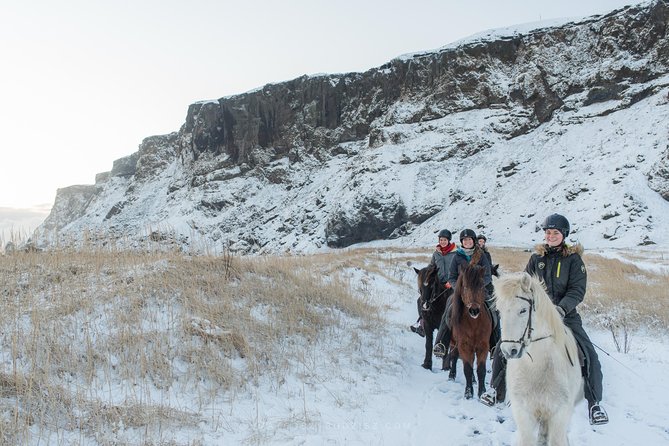
The best thing about this tour is how the guidance feels “hands-on” without being controlling. You’ll get a briefing before you go, and guides stay focused on safety throughout the ride. That’s where the stress-free part comes in. Sand is weird. Wind can whip up fast. Horses react to riders, and a good guide helps you stay calm and balanced.
In terms of real names, one guide stood out as Yohanna. Riders described her as informative and patient, and that matches the overall approach: clear instructions, careful pacing, and steady supervision rather than chaos management.
Also, many people commented on how the guides help with photos. You’re out on black sand with a horse that can’t just pose on command, so a guide who knows when to pause and where to position the horse makes a real difference in your final pictures.

What to Wear for Wind, Sand, and Cold (Even in Winter)
You don’t control the weather in Iceland, but you can control how quickly you get uncomfortable. This ride runs in varying conditions, including winter, and people reported dressing appropriately was the difference between fine and miserable.
Aim for warm, wind-blocking layers, plus waterproof outer gear. The beach is open, so wind can be strong even when air feels okay near town. Sand also finds its way into everything, so boots and socks that can handle damp conditions are smart.
One detail you’ll want to plan for: shoes aren’t included. You’ll need to wear your own suitable footwear. If your shoes are too slick or too hard to keep stable in, you’ll feel it on the ground before you even mount.
Helmet rental is included, which helps a lot. You don’t have to worry about bringing your own safety gear on a travel-heavy trip.
Value for $133: Why This Price Can Make Sense
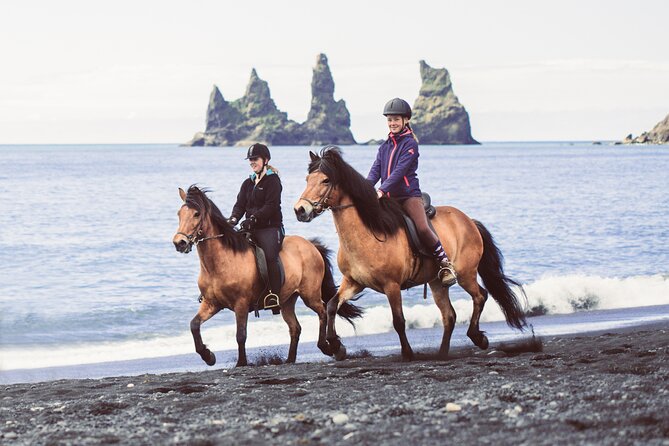
At $133.02 per person for about an hour, this tour isn’t a bargain in the way a bus ticket is a bargain. But it can be good value when you look at what’s included: helmet rental, an Icelandic horse, guided instruction, and time on one of Vík’s most iconic natural settings.
Two factors push the price toward “worth it” for many people:
- Small group size (max 10): you’re paying partly for attention and horse handling, not just the ride.
- Guided safety + photo help: those pauses and positioning matter more than you’d think when you’re trying to get a good image with a moving animal.
If you’re comparing options, look at what you’ll actually get in the saddle. Here, you’re buying an experience that’s designed to work for beginners and mixed groups, with a controlled pace and a real chance to see Víkurfjara from horseback.
Weather Reality: Your Best Backup Plan in Vík
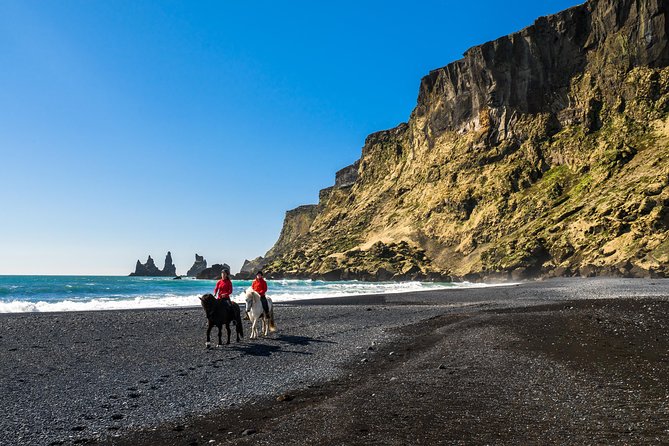
Iceland loves surprises, and this tour is tightly connected to the beach conditions. High winds are a common reason for cancellations. If the beach ride can’t be done safely, the stable prioritizes safety over schedule.
That matters for your planning. Don’t treat this as the one single must-do with no flexibility. If you can, schedule it earlier in your Vík window so you can adjust if wind ruins the beach ride.
The good news: the provider communicates about weather risk ahead of time, and they may offer alternatives if conditions aren’t right. So if your day is impacted, you’re not left completely in the dark. Still, you should plan emotionally for the possibility that the black sand ride might not happen exactly when you want.
Who This Tour Fits Best (and Who Might Want Another Option)
This is a strong match if:
- You want a beginner-friendly introduction to Icelandic horses.
- You care about safety and clear guidance.
- You want the black sand beach experience without a full-day commitment.
- You’d enjoy a guided tour that explains the horses and the local area while you’re riding.
It may be less ideal if:
- You’re looking for a long, fast ride. Beach terrain limits speed, and the tölt/trot moments are typically shorter.
- You’re close to the weight limit or have a restriction related to pregnancy. The rules here are firm for 100 kg / 220 lb and pregnancy eligibility.
It’s also great for families, since there’s a minimum age of 10. One of the pleasures of this tour format is that it keeps the experience manageable even for first-timers.
Should You Book This Black Sand Beach Horse Ride?
If your main goal is to see Víkurfjara from horseback with calm Icelandic horses, this is an easy yes. The combination of helmeted safety, a controlled pace, and guide support makes it feel approachable. Add the chance to try tölt for a short stretch, and you get something you can’t easily recreate on your own.
One more thing: book early. On average, people reserve this about 41 days in advance, which tells me the dates can fill in peak windows around Vík. If you’re flexible and you dress right for wind, you’ll likely get a genuinely memorable hour that feels very Iceland.
FAQ
How long is the horseback riding on the black sand beach?
The tour duration is listed as about 1 hour. Riding time is typically around 50–60 minutes, with some extra time for briefing and photo stops.
What’s included in the price, and what should I bring?
Helmet rental and the Icelandic horse are included. Shoes are not included, so you should wear suitable footwear.
What are the age and weight limits?
The minimum age is 10 years. The maximum weight is 100 kg / 220 lb. The stable can also request a rider steps on a scale.
Can beginners ride safely on this tour?
Yes. This experience is designed to be beginner-friendly, starting with an easy walking pace. You can still get exciting movement later in the ride if offered by the guide and if conditions allow.
Are pregnant travelers allowed?
No. Pregnant travelers are not allowed to ride on this tour.
Do I get the chance to try the tölt or ride faster?
The beach riding stays controlled for safety because of rocky, sandy ground. You may be offered a chance to try tölt or speed up on a smaller portion of the tour.
What happens if weather cancels the tour?
If the experience can’t run due to poor weather, you’ll be offered a different date or a full refund. The tour also follows a free cancellation window up to 24 hours in advance.