REVIEW · REYKJAVIK
From Reykjavík: Fagradalsfjall Volcano Hike with Geologist
Book on GetYourGuide →Operated by Geoadventures ehf · Bookable on GetYourGuide
A live volcano makes Iceland feel personal. This Fagradalsfjall hike from Reykjavík turns a tough, windy walk into a science lesson, with a geologist explaining what you’re standing on and why it keeps changing at the Reykjanes Peninsula. You’ll get the story behind the lava fields and the eruption site, not just a point-and-look view.
I especially like two things. First, the small group format (up to 6 people) makes it easier to keep a calm pace and ask questions. Second, the crater-area hike is built around real observation, so the views come with context, whether your guide is France, Fransie, Jasmine, Giuseppe, or Joseph.
One consideration: this is a difficult hike over rough terrain, and the area can have toxic gas. If you have respiratory issues, are pregnant, or you’re traveling with kids under 12, this tour is not for you.
In This Review
- Key things I’d circle before you book
- Why the Fagradalsfjall crater hike feels different with a geologist in tow
- Getting there from Reykjavík: the drive that sets up the science
- The hike: timing, climb, and why your shoes matter
- Crater viewpoint: what you’re seeing and why it feels bigger up close
- Safety in active volcanic country: gas, venting, and the gear you get
- Price and value: is $163 for a guided volcano hike worth it?
- Who should do this Fagradalsfjall hike (and who should skip it)
- Booking smart: how to set yourself up for a great day
- Should you book this Fagradalsfjall volcano hike with a geologist?
- FAQ
- How long does the Fagradalsfjall volcano hike take?
- Is the hike difficult?
- What’s included in the price?
- What do I need to bring?
- Can I see glowing lava during the hike?
- Who is this tour not recommended for?
- How big is the group, and what language is the tour?
- Where do I meet the group in Reykjavík?
Key things I’d circle before you book
- Geologist-led interpretation that helps you read lava layers, textures, and rock clues instead of just watching from a distance
- Crater viewpoint time for panoramic views and a clearer sense of how the eruption reshaped the ground
- Safety focus in active areas, including keeping you away from venting zones and watching for gas
- Small group pacing (limited to 6) that makes the climb feel manageable and less chaotic
- Crampons and a headlamp if needed, which matters in winter or icy conditions
Why the Fagradalsfjall crater hike feels different with a geologist in tow
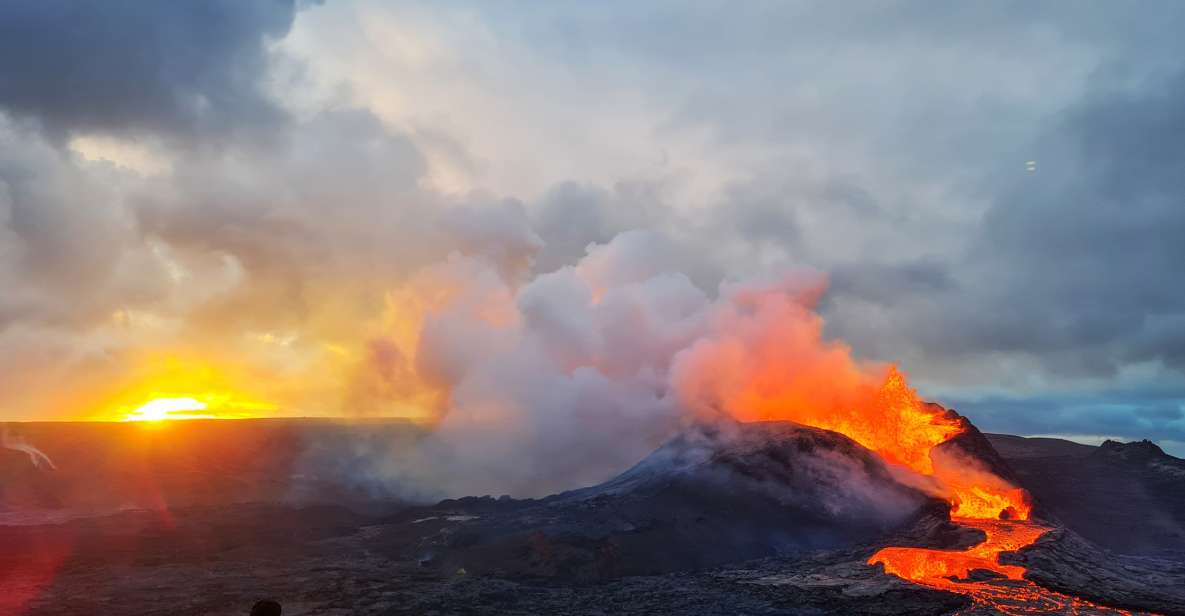
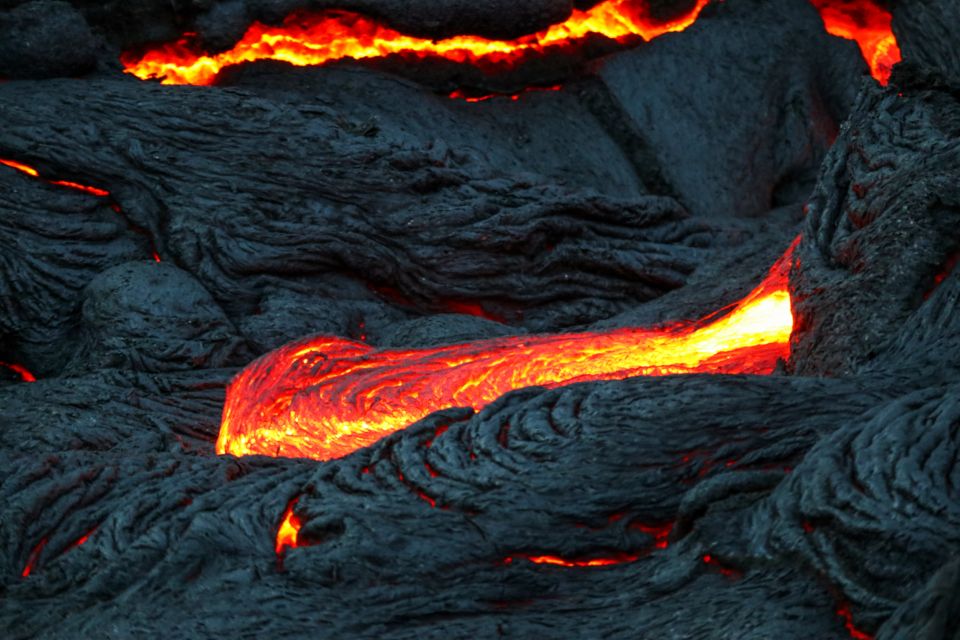
The main magic here is translation. Iceland already looks alien, but without context you mainly see rocks and steam. With a geologist or volcanologist leading the walk, you start noticing details that change your whole experience: what kind of eruption produced these formations, how fresh lava cools and fractures, and why some surfaces look glassy while others form different textures.
In the best moments, your guide is basically teaching you to “read” the ground like a textbook with pictures. Many guides on this tour—people like France/Fransie and Giuseppe show up often in recent experiences—use clear explanations and sometimes diagrams and maps to connect what you see right now with what happened days, years, or even longer ago. That’s why this doesn’t feel like a typical sightseeing hike.
If you’re curious about volcanology, this is the kind of day that makes the subject click. And if you’re not, it still works because the science is tied to what’s in your boots: lava flows, heat effects as the ground cools, and the way the eruption rewrites the coastline of the mind.
You can also read our reviews of more hiking tours in Reykjavik
Getting there from Reykjavík: the drive that sets up the science
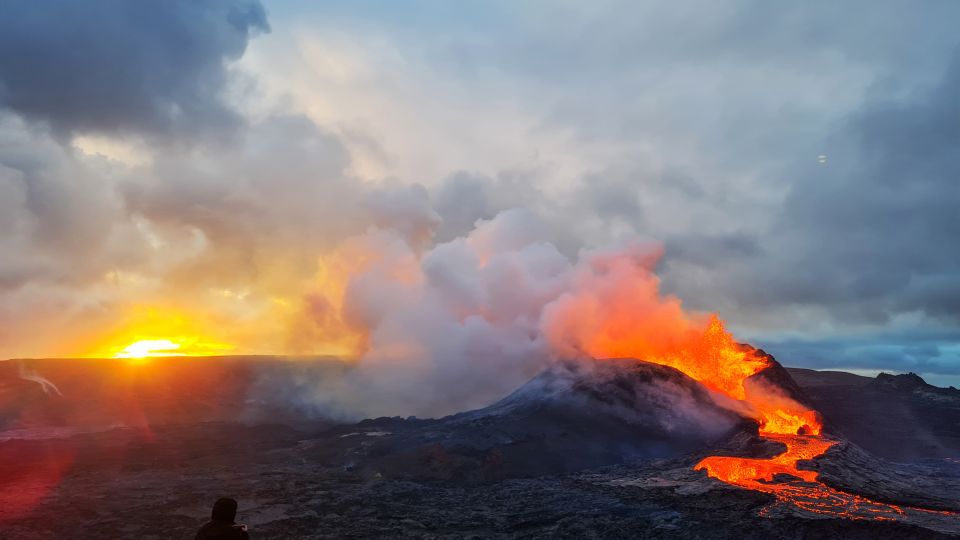
You start with pickup in Reykjavík, either at Bus stop #8 Hallgrimskirkja or by option from a meeting point near the Geldingadalir parking area. Then you drive into the Reykjanes Peninsula, passing older lava fields before reaching the eruption side.
That drive matters more than most people expect. It helps you get the “before” picture—how volcanic terrain looks when it’s older and stabilized, compared with what you’re about to hike through. You also pass through parts of the peninsula where you might see hot springs, lakes, and mountains, which reinforces how geothermal activity shapes the whole region, not only the crater.
Because this is an active area, the route can shift. That’s good to know going in: you’re not on a rigid, robot-following itinerary. Guides are trained to keep you positioned for the safest viewpoints based on current conditions.
The hike: timing, climb, and why your shoes matter
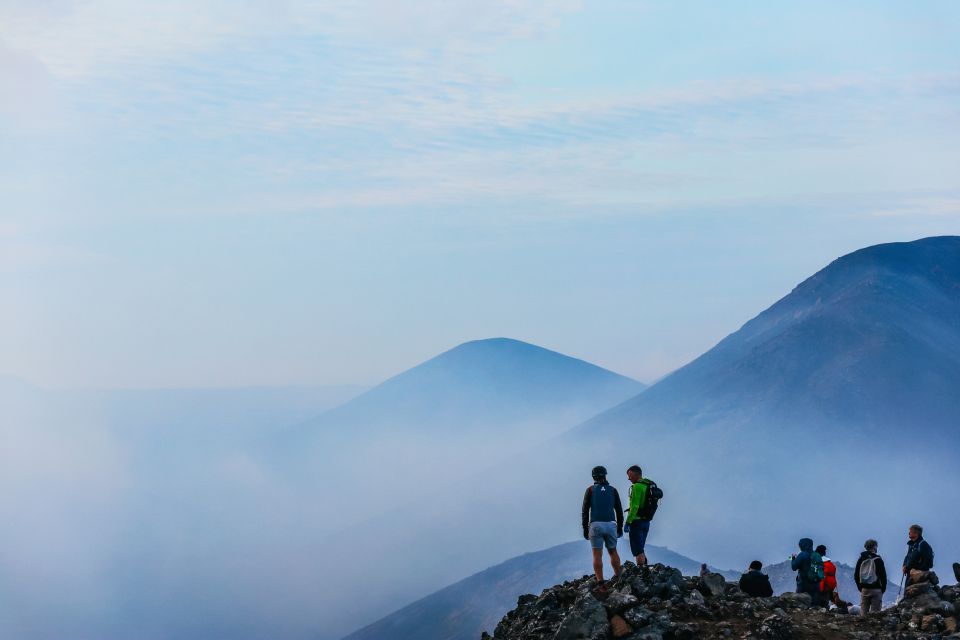
The hike is built for a longish walking day with breaks, not a sprint. Expect roughly 1 to 1.5 hours each way—so about 2 to 3 hours of hiking total. The day overall runs about 4 to 6 hours, which includes pickup, driving, and time at viewpoints.
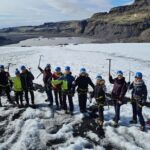
This is also not a stroll on a paved trail. You’re walking through rough, uneven terrain, and the climb has real elevation. One person noted a climb around 213 meters (about 700 feet), which gives you a practical sense of effort. If you have knee issues or you’re not comfortable with steep, rocky paths, take that warning seriously.
What helps: the guides tend to manage pacing and stopping points. In small groups, it’s easier to adjust for different hiking speeds without turning the day into a bottleneck. In many recent experiences, guides also took care to keep people safe and not push anyone toward venting or hazardous areas just because it looks cool from a distance.
Bring hiking shoes you trust. Sandals and flip-flops are a no. Warm layers are smart even in the warmer months—wind can cut hard near volcanic terrain.
Crater viewpoint: what you’re seeing and why it feels bigger up close
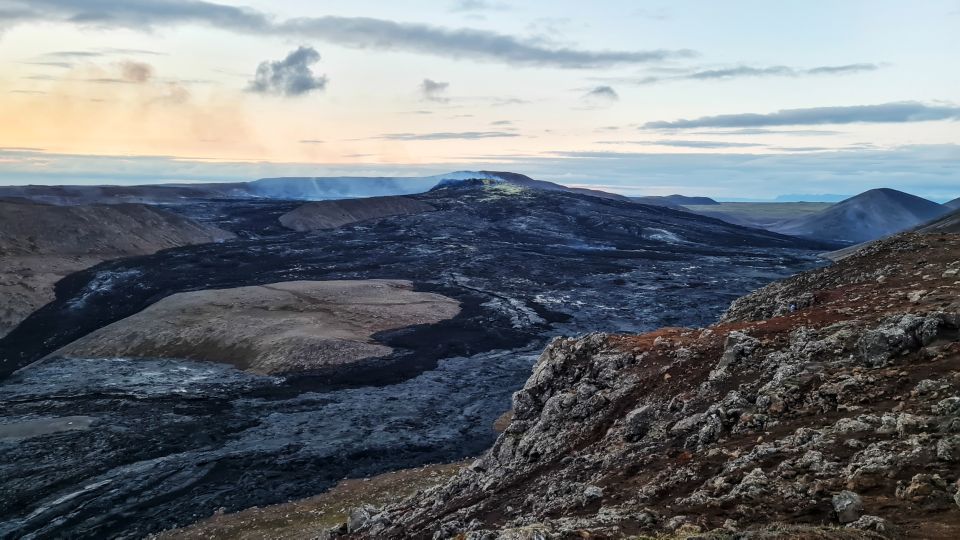
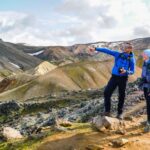
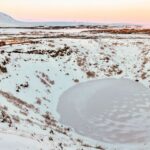
Reaching the crater viewpoint is where the tour stops being “cool hiking” and becomes “earth is alive.” From up there, you get panoramic views of the volcanic ground below—ridges, fissures, lava channels, and the patterns left by different phases of eruption.
What makes the viewpoint worth paying for is the way the guide turns distance into understanding. Instead of only pointing out where lava is (or isn’t), you learn how lava forms new land and how the lava composition influences what the rocks look like as they cool. That connection changes how you look at every dark patch, every banding, every odd shape of cooled material.
When conditions line up, you may even see effects from the recent activity—steam venting and the sense of heat near cooling lava are common types of experiences people describe. That said, glowing lava is not guaranteed. The operator may adjust access and positioning for safety if gas levels or weather make it necessary.
Safety in active volcanic country: gas, venting, and the gear you get
This is the “good to know” section, because safety here is not optional. The area can have gas pollution, and the tour is not recommended for:
- Children under 12
- Pregnant women
- People with lung diseases or respiratory issues
Even when you’re fit and careful, gas exposure is a risk you can’t out-walk. Guides are watching for it, and the hike can be canceled on short notice due to bad weather or high gas levels. That’s part of touring active volcanic ground: nature doesn’t schedule itself around your flight plans.
Gear matters too. You get a headlamp and crampons if needed, which is a thoughtful touch for icy or low-light conditions. You still need to bring your own hiking shoes, rain gear, and food and drinks. Since there’s no mention of on-site dining, pack a simple lunch you can eat during breaks.
One small detail I really appreciate: guides focus on safety even when a venting area looks tempting. People describe guides keeping them away from venting, which makes sense. Seeing the active features is exciting, but it’s not worth compromising your lungs.
Price and value: is $163 for a guided volcano hike worth it?
At about $163 per person for a 4–6 hour day, this isn’t a cheap add-on. The value comes from three places.
First, you’re paying for expert interpretation. A geologist guide doesn’t just explain what you’re seeing—they help you understand why it looks that way. That turns photos into evidence, not just souvenirs.
Second, you’re paying for safe access and route decisions in an active area. You could likely hike in the region on your own, but you’d be missing the safety management around gas and venting, plus the context for lava formations. In active volcanic country, that safety margin is money well spent.
Third, you’re getting small-group dynamics. Limited to 6 people means you’re less likely to get rushed through the best stops or get lost in a crowd. It also tends to make the explanations more interactive—people can ask “why is this layer different?” and actually get an answer.
A fair caution: some folks feel it’s pricey if you’re confident hiking and you don’t care much about the geology. If you’re the type who just wants views and can read your own route, you might not feel the full value. But if you want your hike to feel like learning, with a real expert translating the rocks, the price starts to feel easier to justify.
Who should do this Fagradalsfjall hike (and who should skip it)
I think this tour fits best if:
- You want the science behind Iceland’s active geology, not only the scenery
- You enjoy hiking uphill and rough ground with weather shifts
- You like asking questions and getting answers tied to what you see
- You want a safety-first guide who keeps you away from risky spots
Skip it (or don’t book) if:
- You’re under 12 years old, pregnant, or you have respiratory/lung conditions
- You have mobility limitations that make steep, uneven terrain hard
- You don’t have solid hiking shoes or you know you’ll struggle in wind and cold
Also, think honestly about the weather. The tour can be canceled at short notice due to road closures or bad weather. In Iceland, that’s normal. Plan flexibility into your day so you’re not stuck making tough decisions at the last minute.
Booking smart: how to set yourself up for a great day
You can’t control wind or gas, but you can control the stuff that makes the hike easier.
Bring:
- Warm clothing in layers
- Rain gear
- Food and drinks
- Hiking shoes with traction
Do not bring:
- Sandals or flip-flops
- Pets
- Weapons or sharp objects
- Large luggage or anything bulky
- Party groups
And one practical tip: pack your layers so you can adjust quickly. Near the volcano, temperature swings with sun and wind. People often remember the day as much for weather comfort (or discomfort) as for the views.
If you want extra language support, English is the listed standard, and some experiences mention German availability in certain cases. When you book, check what language options are offered for your departure.
Should you book this Fagradalsfjall volcano hike with a geologist?
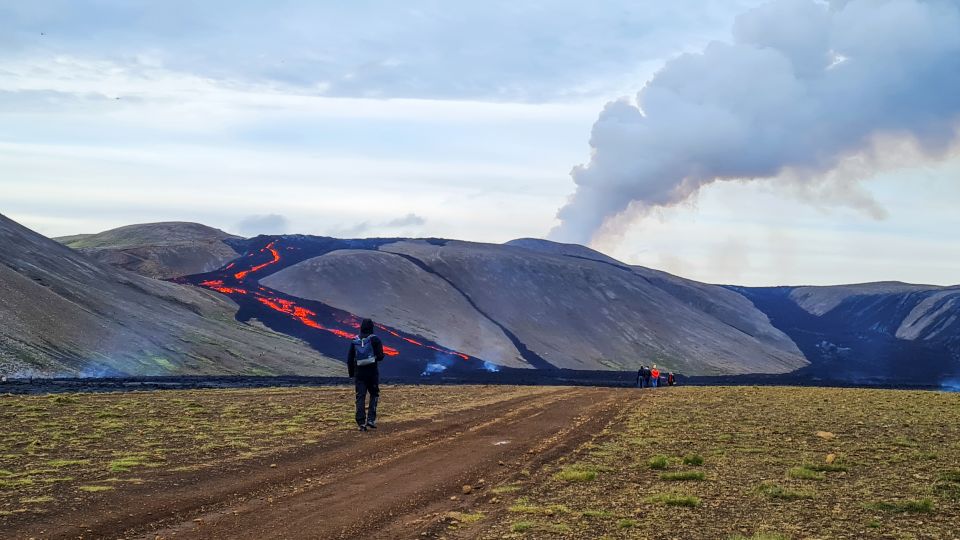
Yes, if you want more than a workout with dramatic views. This is a hands-on way to understand how Iceland’s volcanic activity literally builds new land, and it’s guided by people trained to keep you safe in an environment that can change quickly.
Skip it if you’re not comfortable with uphill, rough terrain, or if the gas/health risks apply to you. And if you only want photos and you’re comfortable hiking on your own, the value might feel thinner.
If your goal is to come away feeling like you understand the eruption—not just that you witnessed it—then this tour is one of the best ways to do it from Reykjavík.
FAQ
How long does the Fagradalsfjall volcano hike take?
The hike itself is about 2 to 3 hours total, with roughly 1 to 1.5 hours in each direction. The full tour experience is about 4 to 6 hours including driving and stops.
Is the hike difficult?
Yes. It’s described as difficult and involves rough terrain. You’ll need a good hiking level and suitable gear, and you should be comfortable with uphill sections.
What’s included in the price?
Included items are a geologist guide, transportation from Reykjavík (depending on the booking option), and a headlamp and crampons if needed.
What do I need to bring?
Bring warm clothing, food and drinks, hiking shoes, and rain gear. Hiking equipment is not included, so wear and pack what you normally use for hiking.
Can I see glowing lava during the hike?
It’s not guaranteed. The activity and access can change quickly, and the guide may adjust viewpoints for safety, so you shouldn’t plan on glowing lava as a sure thing.
Who is this tour not recommended for?
It’s not recommended for children under 12, pregnant women, people with mobility impairments, and anyone with respiratory issues due to gas pollution risks.
How big is the group, and what language is the tour?
The group is small, limited to 6 participants. The tour guide speaks English.
Where do I meet the group in Reykjavík?
Pickup options include Bus stop #8 Hallgrimskirkja. Another option includes the Geldingadalir Parking P1 area, and the meeting point can vary by booking choice.