REVIEW · REYKJAVIK
Reykjavik: Midnight Sun Whale Watching Tour
Book on GetYourGuide →Operated by Elding Adventure at Sea · Bookable on GetYourGuide
The ocean keeps its best secrets close to shore.
This Reykjavik cruise is all about spotting whales in the Midnight Sun, with marine biologist-style guidance plus warm overalls that make standing outside actually doable. The big draw is that the boat focuses on the southern part of Faxafloi Bay, where ocean conditions often make sightings happen, sometimes within just a few meters of the vessel.
My favorite part is the way the crew works like a team with you on spotting duty, instead of doing a drive-by and hoping for the best. One reality check: whale sightings are still wildlife, so weather and animal movement can change what you see on the day—even though summer success is strong.
In This Review
- Key Points I’d Bet Your Trip on
- Why Faxafloi Bay Makes Reykjavik Whale Watching Feel Personal
- Meeting Elding at Ægisgarður 5: Start With the Whale Watching Center
- On Deck During the Midnight Sun: How the Search Really Works
- Wildlife You Can Expect: Whales, Dolphins, Harbor Porpoises, and Birds
- Whales: what sightings tend to look like
- Dolphins and porpoises: often the best “bonus”
- Boat Comfort, Cold Weather Reality, and Seasickness Tips That Actually Help
- Value Check: Why the $111 Price Feels Fair (or Not)
- Sustainability and Research: The Part That Changes How the Boat Behaves
- Your Practical Strategy: How to Maximize Sightings and Fun
- What Kind of Traveler Should Book This?
- Should You Book Reykjavik Midnight Sun Whale Watching With Elding?
- FAQ
- What animals might I see on the Reykjavik Midnight Sun whale watching tour?
- How long is the tour?
- Where do I meet the tour?
- Is there a place to visit before boarding?
- What should I wear?
- Are refreshments included?
- Is WiFi available on the boat?
- Is the tour guided?
- What if I don’t see whales?
- Is the tour wheelchair accessible?
Key Points I’d Bet Your Trip on
- Faxafloi Bay is prime whale water, shaped by currents that can bring animals closer to Reykjavik’s harbor area
- Constant-speed cruising aims to reduce disturbance while still getting you into the right zone
- Warm overalls and practical boat comfort help you stay outside for the long look
- Guide expertise matters: trained crew and wildlife interpretation help you read whale behavior, not just spot it
- Whale guarantee means you’re not left with a shrug if whales don’t show up on your outing
- You’re supporting research tied to whale protection efforts, not just sightseeing
Why Faxafloi Bay Makes Reykjavik Whale Watching Feel Personal
Reykjavik whale watching works because the ocean here is active. Faxafloi Bay sits close to the city, and shifting currents help concentrate marine life where you can actually view it from a boat without a long haul.
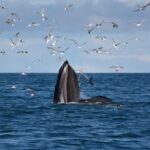
That closeness changes the whole experience. Instead of watching something tiny far away, you’re often scanning for behavior—breaches, slow surface rolls, fins that cut across the water, and the kind of feeding signs seabirds tend to follow. On a good night, it feels like the ocean is showing you something it would otherwise keep hidden.
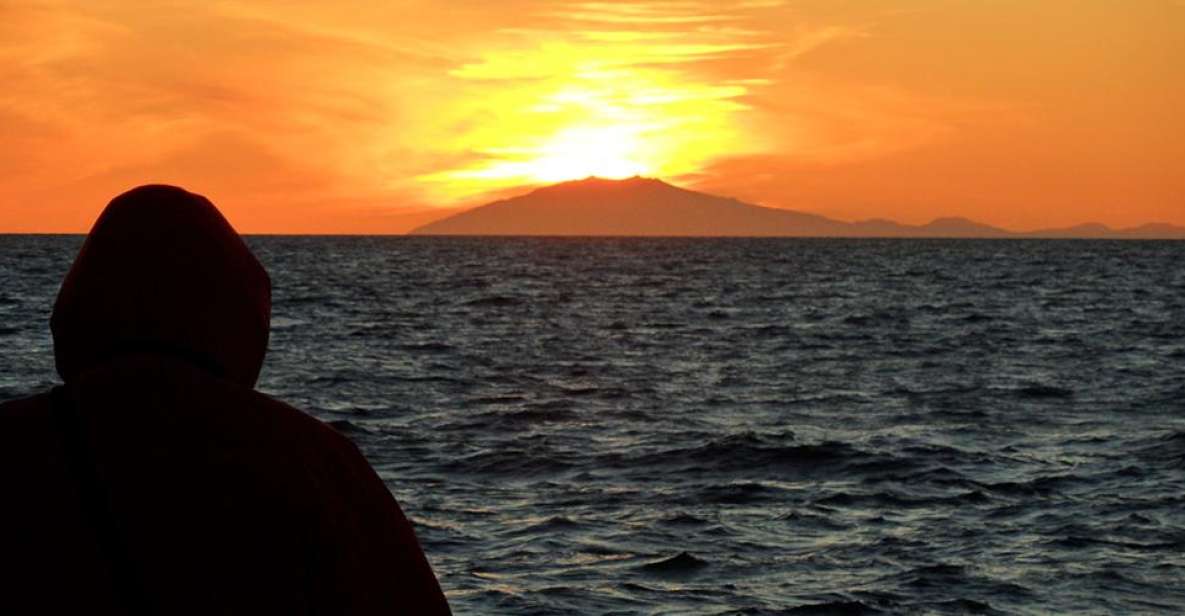
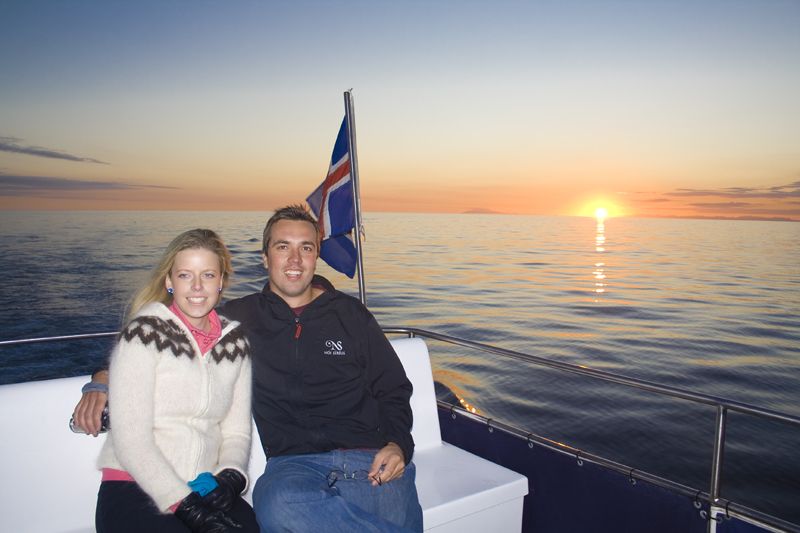
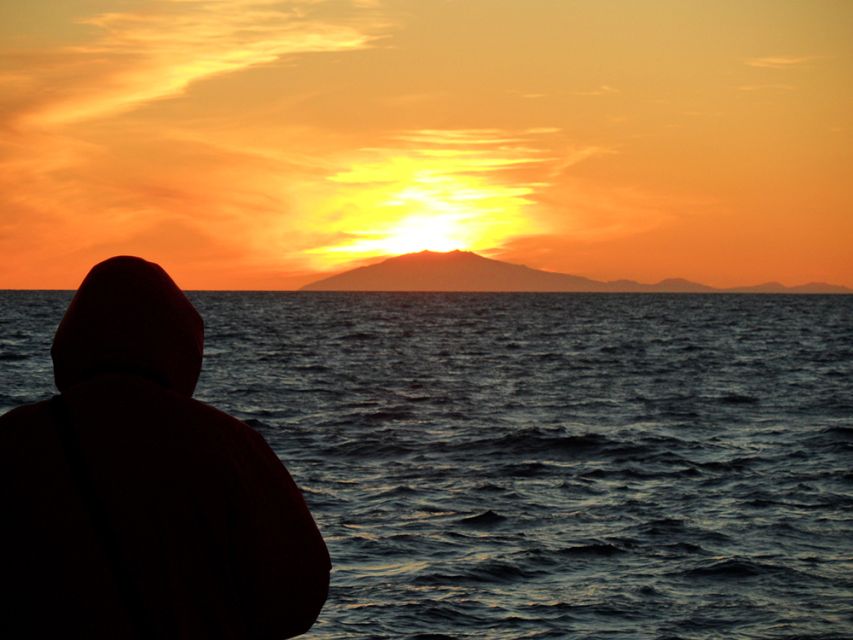
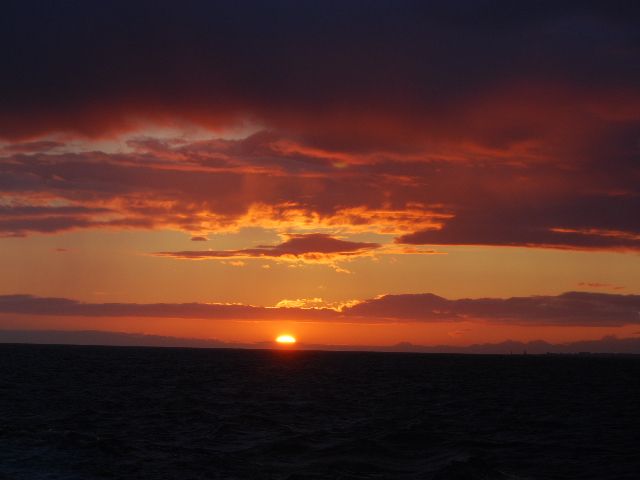
The Midnight Sun adds another layer. You’re not chasing sunset by schedule. The sky stays bright enough for clear deck viewing, yet the light still gives you that late-evening Reykjavík glow back toward the harbor.
You can also read our reviews of more whale watching tours in Reykjavik


Meeting Elding at Ægisgarður 5: Start With the Whale Watching Center
You meet the Elding operation right in central Reykjavík at Ægisgarður 5, 101 Reykjavík, at the Elding ticket office. It’s a short walk from the downtown Tourist Information Centre area, and the key early step is simple: exchange your ticket before heading to the boats.
Once you’re in, take advantage of the Whale Watching Center time. You can wander around at your own pace, watching videos and checking out skeletons, information boards, and small gift options. For me, this is a smart warm-up because it helps you know what you’re looking at once you’re out on the water. You’ll also notice the vibe is more “wildlife-focused” than “let’s go fast and hope.”
If you want an easy win, do this center bit early. It gives your brain a target list before you start scanning the water for motion, spouts, and bird activity.
On Deck During the Midnight Sun: How the Search Really Works
The tour is set up around one idea: find whales while minimizing stress on the animals. To do that, the boat runs at a constant speed toward the whales’ habitat. That’s not just a sustainability talking point; it also affects how you experience the chase. You’re not bouncing around wildly during the search phase, and the crew can coordinate sighting calls more smoothly.
Guides are trained through an extensive program, and the role of the guide isn’t just facts—it’s directing your attention. When you understand what behavior to look for, whale watching shifts from luck to skill. A guide named Nico was specifically praised for being excellent at guiding the group and sharing useful information.
Live on-board vibe is part of the package. You’ll have wifi on board and a live troubadour performance as you sail. It’s not just background noise; it fills the time while you’re scanning the water and keeps the mood positive when animals aren’t instantly visible.
One practical note: if you care about hearing the guide clearly, try to position yourself well. Some guests have found the audio hit-or-miss, so being higher on deck where you can see and hear tends to help.
Wildlife You Can Expect: Whales, Dolphins, Harbor Porpoises, and Birds
This cruise is about more than one animal. You’re looking for whales, dolphins, and harbor porpoises, plus a lot of sea birds.
Whales: what sightings tend to look like
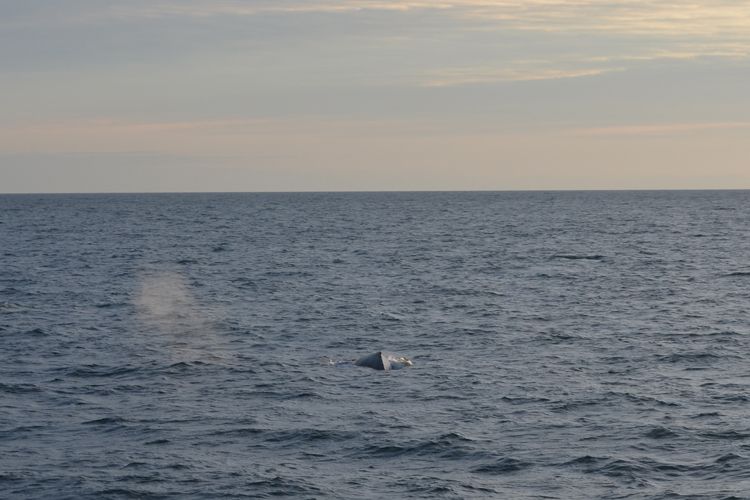
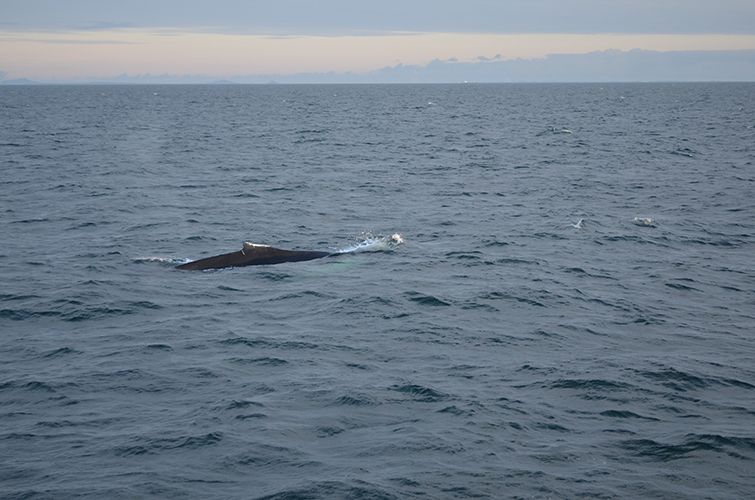
Minke whales and humpbacks show up frequently on this route. You may even catch dramatic behavior like breaches or slapping water, and when a humpback is active, it can keep you watching for a long stretch. Several descriptions highlight long, close encounters—sometimes lasting nearly half an hour—when the whale stays near the viewing area.
Still, manage expectations the way you would for any wildlife outing. Even with a strong summer track record, not every trip produces the same lineup. That’s part of the deal, and it’s why the whale guarantee matters.




Dolphins and porpoises: often the best “bonus”
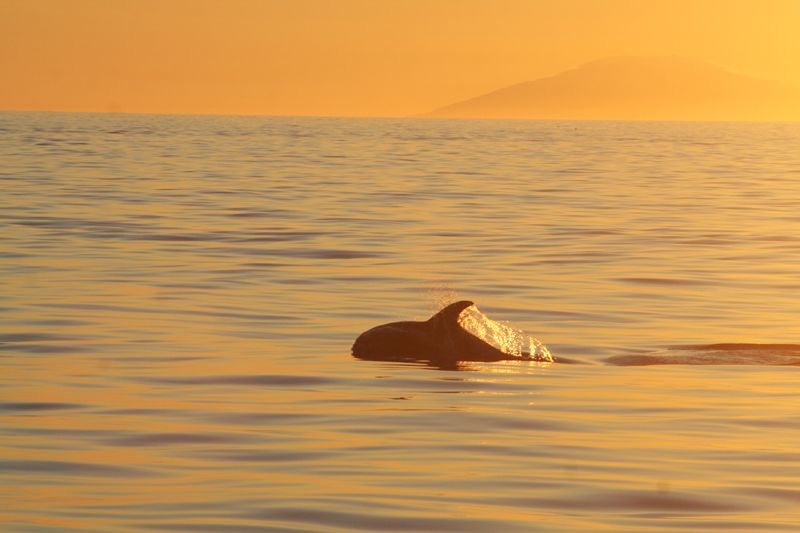
Dolphins can be one of the more reliable finds on these cruises. There are accounts of big groups of dolphins and repeated sightings while the crew keeps working the area. Harbor porpoises are also commonly listed, and sea birds appear throughout, which can help you spot where the ocean is “busy.”
If you’re the type who worries you’ll only have fun if you see a whale, this is good news: the tour doesn’t fold if whales are slow. Dolphins and birds can keep the deck energized while the crew continues searching.
Boat Comfort, Cold Weather Reality, and Seasickness Tips That Actually Help
Reykjavík in summer can still feel cold when the wind cuts across the water. The tour provides warm overalls, which is a major comfort boost because you’ll be standing outside more than you expect. The goal is simple: keep you warm enough to stay focused on the water.
Bring warm clothing and hiking shoes. Even if it’s bright out, the temperature and wind factor matter once you’re out in the bay. In some cases, guests have reported windburn on windy days, which is your cue that the air can bite despite the season.
As for motion: sea conditions vary. Some people report rougher water and even feeling a bit sick, while others say they didn’t need seasickness prevention. If you’re prone to motion sickness, don’t gamble. Bring your usual remedy and consider taking a spot where motion feels less intense.
One more comfort tip: choose your deck spot intentionally. You want a balance between a good view and comfort in wind. If you start feeling cold, don’t wait until you’re miserable. Use the warmth gear and rotate between spots.
Value Check: Why the $111 Price Feels Fair (or Not)
At $111 per person for about 3 hours (some descriptions mention closer to 3.5), you’re paying for a full ecosystem of extras, not just a boat ride.
Your ticket includes:
- Access to the Whale Watching Center
- Warm overalls
- A guide
- WiFi onboard
- A live troubadour performance
That’s value because whale watching in Iceland isn’t cheap, and a lot of tours charge extra for warmth gear, interpretation, or “extras” that make the time pass smoothly while you wait for sightings. Here, the package supports your comfort and your understanding at the same time.
Refreshments are not included. You can buy drinks on board, which lets you choose. If you’re budgeting, plan for at least one purchase so you’re not surprised when you get hungry or want something warm.
Also, there’s a whale guarantee included in the experience. That doesn’t eliminate the wild-animal reality, but it reduces the risk of paying for a trip that feels like a dud.
Sustainability and Research: The Part That Changes How the Boat Behaves
This tour leans hard into responsible viewing. The company is described as environmentally certified, and the constant-speed approach toward whale habitat is meant to reduce disturbance and reduce oil use and pollution.
You’ll also feel the mission when you visit the Whale Watching Center. Buying a ticket ties into summer research projects and non-governmental efforts protecting wildlife. In other words, your money isn’t just covering fuel and guides—it’s meant to support ongoing work.
For me, that matters because whale watching isn’t only about your photo. It’s about how your presence changes the animals’ behavior. When a crew follows a policy that aims to minimize impact, the whole outing feels more respectful—and honestly, more satisfying.
Your Practical Strategy: How to Maximize Sightings and Fun
If you want the best odds, treat this like a “skills day” instead of a lottery. Here’s how to work it.
- Arrive ready to scan. In the bright Midnight Sun, the water can look deceptively calm. Search for patterns: changes on the surface, seabirds funneling toward activity, and repeated breaks in the same area.
- Stay with the crew’s calls. When the guide points out what to watch for, follow it. It speeds up your learning and reduces the “I missed it” feeling.
- Use the gear early. Put on the overalls and dress for wind. Getting cold makes you stop watching, which is the opposite of what you want.
- Give yourself time for the Whale Watching Center. Knowing the basics beforehand helps you spot the differences between whales, dolphins, and porpoises faster.
- Take advantage of photos. There’s mention of a photographer who shares photos of sightings afterward. If you’re hesitant to take pictures yourself, that option can save you from worrying about dropping your phone.
Sound like a lot? It isn’t. It’s mostly about staying warm, being attentive, and letting the crew do what they trained for.
What Kind of Traveler Should Book This?
This tour fits best if you:
- want a close-to-the-city whale watching experience without a long drive
- enjoy wildlife interpretation, not just watching from a deck in silence
- travel in summer and want to use the Midnight Sun light for better viewing
- care about responsible tourism and whale research support
It’s also a good “first Iceland cruise” choice. Reykjavik is easy to reach, and the pre-boat Whale Watching Center time helps you ease into the wildlife theme rather than jumping straight to open water.
If you hate wind, you’ll need to commit to warm layers and use the overalls. If you’re extremely seasick-prone, consider bringing your own prevention and picking your seat carefully.
Should You Book Reykjavik Midnight Sun Whale Watching With Elding?
If you want my plain answer: yes, if you’re visiting in summer and you like wildlife that’s close enough to matter. The combination is strong—warm gear, trained guidance, Midnight Sun viewing, onboard entertainment, and a whale guarantee that protects you from the worst-case scenario.
It’s not magic. You’re still depending on real animals and real weather. But the structure is built to improve your odds: the company focuses on the right bay, the boat’s approach aims to reduce disturbance, and the crew actively helps you spot what’s out there.
If you want a single “signature” night in Reykjavík that feels both fun and purposeful, this is one of the best ways to do it.
FAQ
What animals might I see on the Reykjavik Midnight Sun whale watching tour?
The tour focuses on whales such as minke and humpback, and you may also see dolphins, harbor porpoises, and seabirds.
How long is the tour?
The duration is listed as about 3 hours, with some descriptions referring to a slightly longer outing around 3.5 hours.
Where do I meet the tour?
Meet at the Elding ticket office at Ægisgarður 5, 101 Reykjavík.
Is there a place to visit before boarding?
Yes. You get access to the Whale Watching Center, where you can look around, watch videos, and see information materials and skeletons.
What should I wear?
Bring warm clothing and hiking shoes. The tour also provides warm overalls.
Are refreshments included?
No. Refreshments are not included, though drinks can be purchased on board.
Is WiFi available on the boat?
Yes, wifi is available on board.
Is the tour guided?
Yes. A live guide provides commentary in English.
What if I don’t see whales?
There is a whale guarantee that offers a try-again option if whales aren’t seen.
Is the tour wheelchair accessible?
Yes, it is listed as wheelchair accessible.