REVIEW · REYKJAVIK
From Reykjavik: New Volcanic Area Helicopter Tour
Book on GetYourGuide →Operated by GlacierHeli · Bookable on GetYourGuide
Seeing a volcano from the sky is pure awe. This Reykjavik helicopter flight puts you above Iceland’s Reykjanes Peninsula, where you can look down on lava fields, streams, and volcanic zones that have been active close to the capital. The flight area is only about 19 miles (30 km) from Reykjavik, and it’s part of a volcanic region with intense activity in recent years—so the view feels current, not historic.
I love that the experience is short and tightly focused. At around 40 minutes, you get the big “wow” factor without spending your whole day in transit.
I also love the human touch: the pilot-led approach. Names like Laura and Tamas show up again and again in the feedback, with passengers pointing out smooth flying, clear English commentary, and extra effort to make sure everyone gets a useful angle for photos.
The main drawback to plan for is simple: you’re in the air, and lava visibility isn’t guaranteed. Flights are weather-dependent, and the volcano may be quiet during your flight even if the area has been erupting recently.
In This Review
- Key highlights worth marking on your Iceland map
- Ace FBO Reykjavík: where the rotor-powered magic starts
- The 40 minutes that feel like a front-row seat to Iceland’s new volcano era
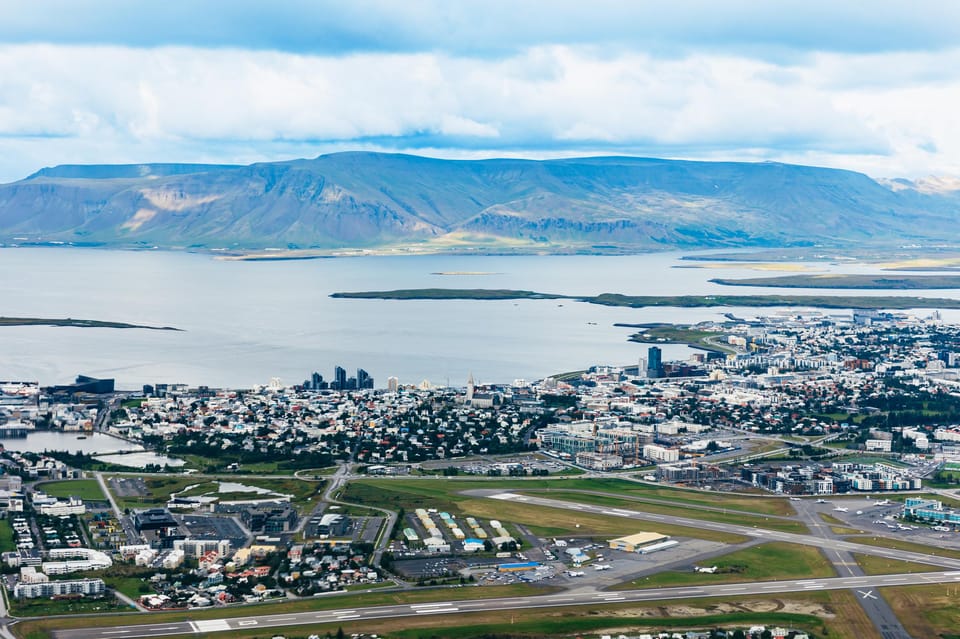
- Segment 1: Capital Region views from above (the quick warm-up)
- Segment 2: Litli Hrútur Volcano—short sightlines, big meaning
- Segment 3: Geldingadalir—where the view starts to look engineered by nature
- Segment 4: Fagradalsfjall—longer time over the main stage
- Segment 5: Grindavík—coastline drama with volcanic context
- Segment 6: Returning toward Reykjavik—Mount Esja and final light
- The photo and video reality: how to get good shots in a small helicopter
- Price and value: what $577 buys you (and what it doesn’t)
- Safety and operations: why weather decides more than you do
- Who this tour fits best (and who should think twice)
- Should you book the Reykjavik to Reykjanes helicopter tour?
- FAQ
- FAQ
- How long is the From Reykjavik: New Volcanic Area Helicopter Tour?
- Where do I meet for the helicopter tour?
- What parts of the Reykjanes Peninsula will we fly over?
- Is there a guide on the flight?
- What’s included in the price?
- Are food and drinks included?
- Is the flight dependent on weather?
- How many people are in the group?
- What if I weigh more than 120 kg?
Key highlights worth marking on your Iceland map
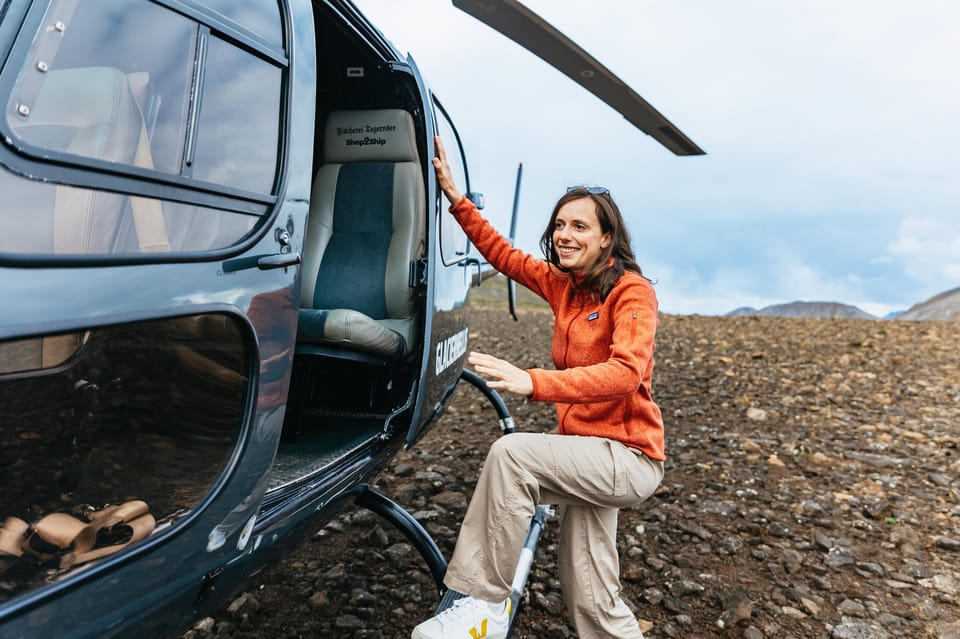
- Small-group helicopter (up to 6), using a 5- or 6-seater setup for closer, more personal views
- Reykjanes Peninsula focus with stops over major eruption zones like Litli Hrútur, Geldingadalir, and Fagradalsfjall
- Photo-friendly flight pattern reported by passengers, with loops/banks so both sides can see the action
- Landmarks from above, including Mount Esja and Faxafloi Bay
- Optional close-up moments: some flights include landing briefly near lava for a short walk, depending on conditions
- Highly safety-minded operations, guided by Iceland’s civil protection and emergency management rules
Ace FBO Reykjavík: where the rotor-powered magic starts
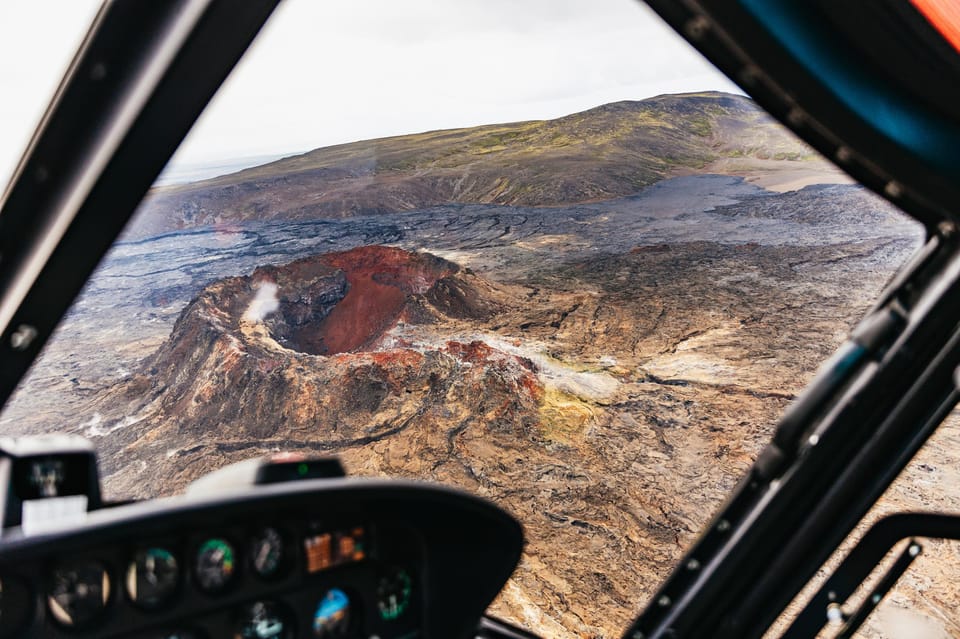
Most of the day’s calm happens before takeoff. You meet at Ace FBO Reykjavík, located just behind Reykjavik Hotel Natura, in the ACE FBO building. This matters because it keeps the pre-flight part straightforward, without a long scramble across town.
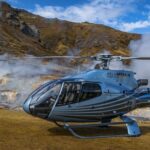
The helicopter ride is short, and that means the crew’s job is to make every minute count. You’re flying in a small aircraft holding five or six people, so it’s not a cattle-car situation. If you want the most panoramic views, aim for the front seats when possible—passengers have specifically praised front-seat sightlines for wide angles.
One practical note: you’ll be looking for views on both sides of the helicopter. The operation is set up so the pilot can work the route and the turns to give everyone chances to see the volcanic terrain clearly.
You can also read our reviews of more tours and experiences in Reykjavik
The 40 minutes that feel like a front-row seat to Iceland’s new volcano era
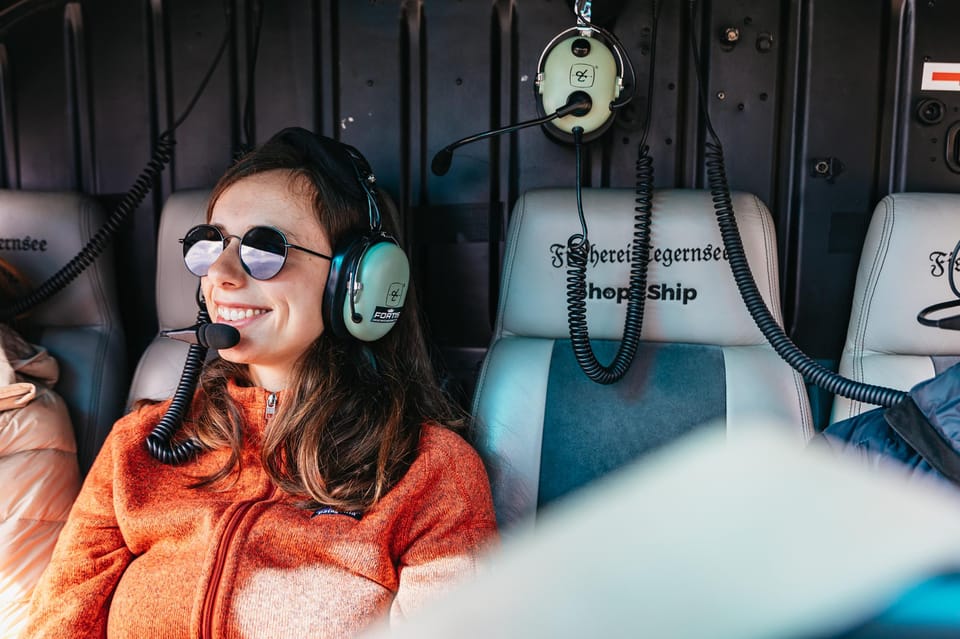
This is a 40-minute helicopter tour from Reykjavik, and the timing is the whole point. You’re not trying to “cover Iceland.” You’re going deep into one story: the Reykjanes Peninsula’s volcanic zone near the capital.
The route is built as a loop back to Reykjavik, with several visual targets along the way. You start with a quick look at the Capital Region, then hop toward Litli Hrútur Volcano, continue to Geldingadalir, spend the longest stretch over Fagradalsfjall, pass near Grindavík, and then return toward Reykjavik for the final views before landing back at Ace FBO.
For most people, the biggest surprise is how quickly you go from city edges to otherworldly lava terrain. One moment you’re thinking about Reykjavik, the next you’re studying volcanic fissures and crater shapes like you’re reading a live geology textbook—just from the sky.
Segment 1: Capital Region views from above (the quick warm-up)
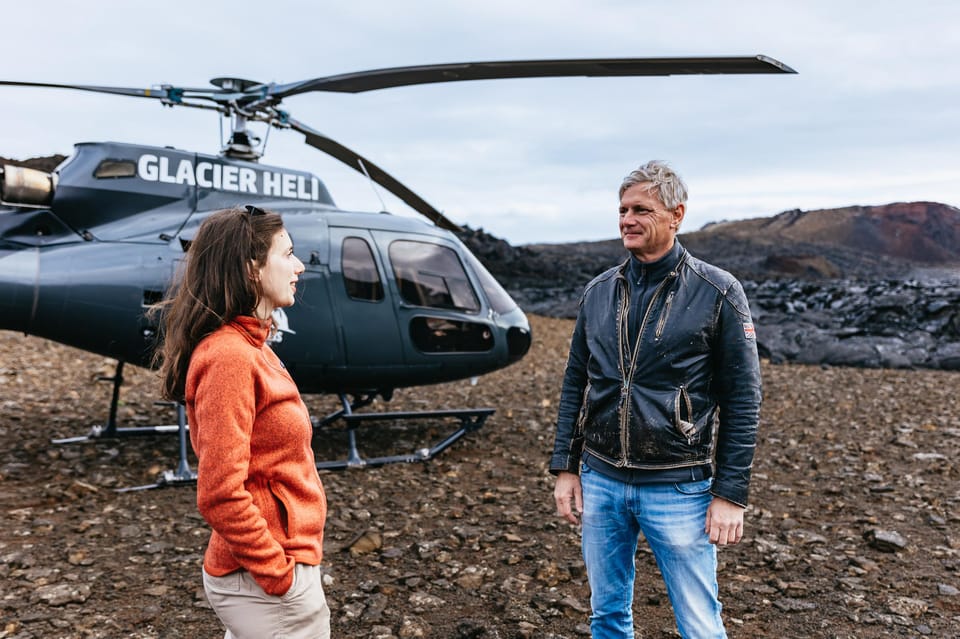
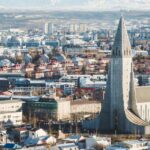
The early part of the flight is only about five minutes, but it’s useful. You’re taking in the Capital Region of Iceland and setting your bearings: coastline, the bay, and the general shape of the area before the volcanic features take over.
This section is also where you get your rhythm. Helicopter seats can feel a little floaty at first, and the early minutes are the time to settle in, put your camera grip on properly, and start thinking about where you’ll want your lens for the next turn.
If you’re hoping to recognize Reykjavik geography from the air, this is the window. You’re moving quickly, so have your phone/camera ready before the aircraft turns toward the volcanic zone.
Segment 2: Litli Hrútur Volcano—short sightlines, big meaning
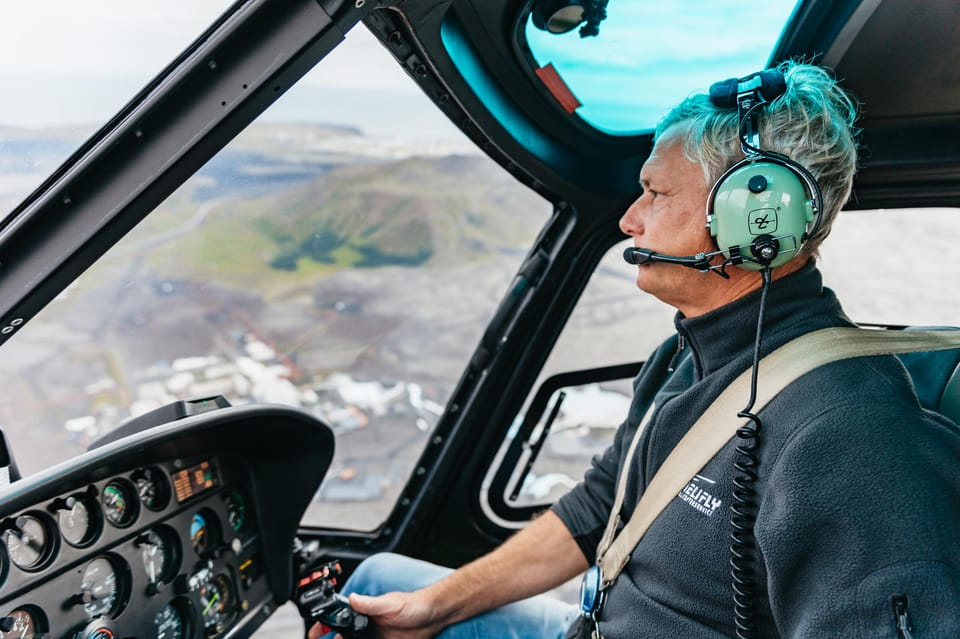
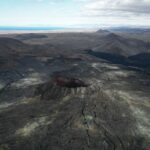
After the quick warm-up, you head to Litli Hrútur Volcano for another brief stop (about five minutes). Even in a short window, volcanic sites have distinct “tells” from above—lava fields that look like hardened rivers, darker ground scars, and crater or fissure outlines when visibility and conditions cooperate.
What makes this stop special for you is that it’s one of the active points in the overall Reykjanes eruption zone. You’re not just flying over a random mountain. You’re flying over a place where the terrain has been changing in recent years, which makes the view feel current.
If the skies are clear, you’ll likely see the kinds of textures that make lava so recognizable: smooth sheets, broken crust, and channels where molten rock once traveled.
Segment 3: Geldingadalir—where the view starts to look engineered by nature
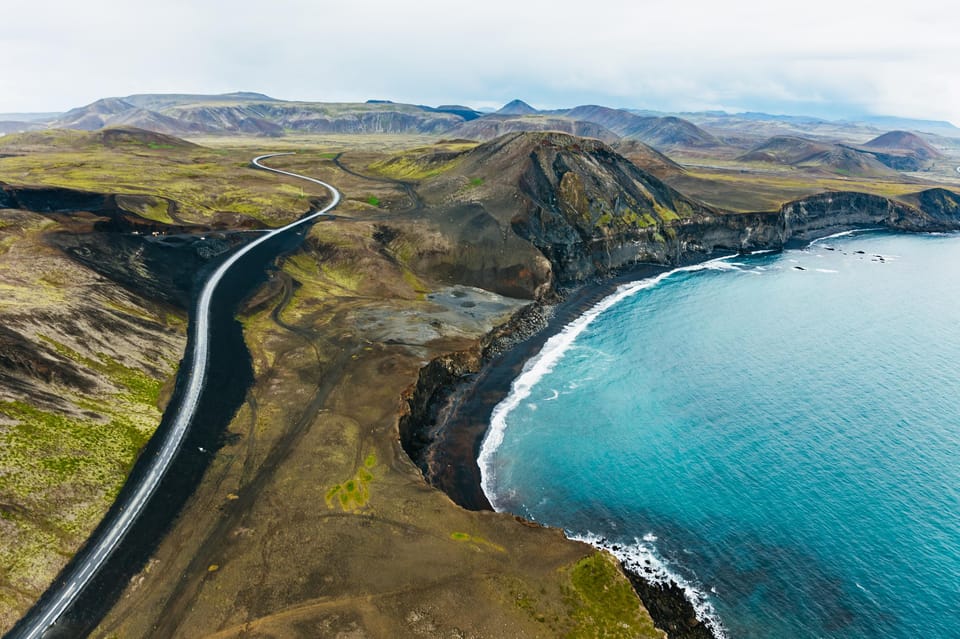
Next up is Geldingadalir Volcano (about five minutes). This is one of the areas visitors are excited to see because it’s tied to Iceland’s recent eruption chapters on the Reykjanes Peninsula.
From the air, Geldingadalir is less about one perfect crater photo and more about the overall volcanic layout. You’re looking for patterns: where the landscape darkens, where flows widen, and where the terrain suggests multiple events rather than one single blast.
Here’s a practical tip: if you’re photographing, try to alternate between wide shots and tight frames. Wide shots help you understand scale; close shots help you capture the visual drama of fissures and crater edges.
Segment 4: Fagradalsfjall—longer time over the main stage
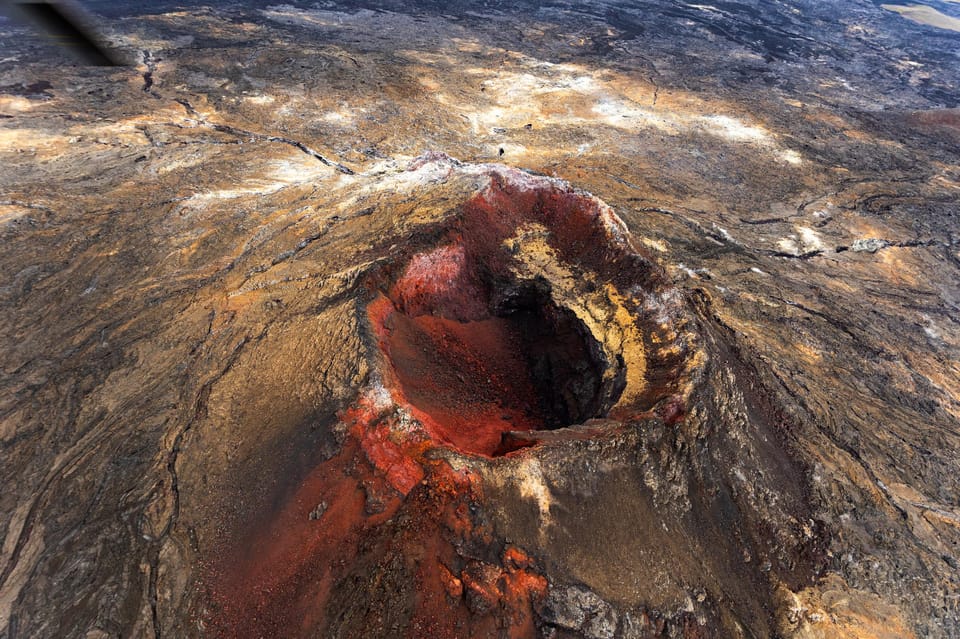
The flight gives Fagradalsfjall Volcano the most time (about 10 minutes). That extra time matters because volcanic features aren’t always obvious at a glance. A few minutes more gives the pilot room to adjust the approach angle as clouds, wind, and visibility shift.
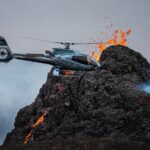
This stop is where passengers often focus their attention on crater zones and lava-related features. The experience is designed so you can get looks at simmering craters when conditions allow, along with potential lava streams and wide lava-field textures across the Reykjanes terrain.
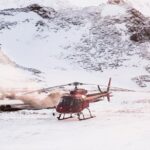
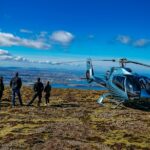
Some reviews also describe a truly memorable twist: a brief landing near lava, with a short walk onto older lava remains or near an eruption area. That’s not guaranteed as a rule in the tour description, but it shows up often enough in real-world accounts that it’s worth getting excited about—especially if you’re the type who wants a tactile moment, not just a photo moment.
Even without landing, this segment is the “main act.” Plan on being fully focused here.
Segment 5: Grindavík—coastline drama with volcanic context
After Fagradalsfjall, you pass toward Grindavík (another about 10 minutes). This is a powerful area to see from above because it’s where volcanic activity and human geography overlap. You can often spot how the coastline and settlement patterns relate to the volcanic terrain nearby.
From this part of the loop, you may also catch clearer views toward the water and the bay. People mention seeing Faxafloi Bay from the air, and this segment is a good bet for that kind of wide geographic picture.
If you like your travel with a side of perspective, this is your moment. The volcano isn’t floating in space—it’s right next to real places people live, travel through, and plan around.
Segment 6: Returning toward Reykjavik—Mount Esja and final light
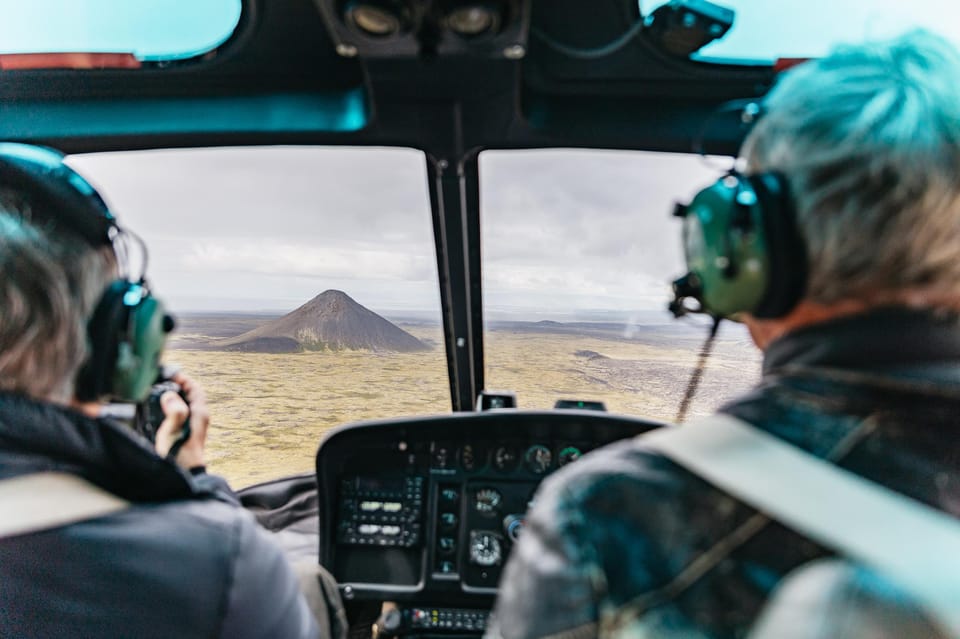
The final stretch heads back toward Reykjavik (about five minutes), closing the loop from above. This is where landmarks like Mount Esja can show up clearly in the frame, depending on weather and cloud cover.
The return leg is also when you’ll notice how fast the flight time disappears. You started thinking about crater shapes and lava texture, and suddenly you’re already counting down minutes to touchdown.
If you care about lighting for photos, pay attention here. Depending on the sky, you might get better contrast on the volcanic ground texture than you did earlier. That’s not guaranteed, but it’s worth watching for.
The photo and video reality: how to get good shots in a small helicopter
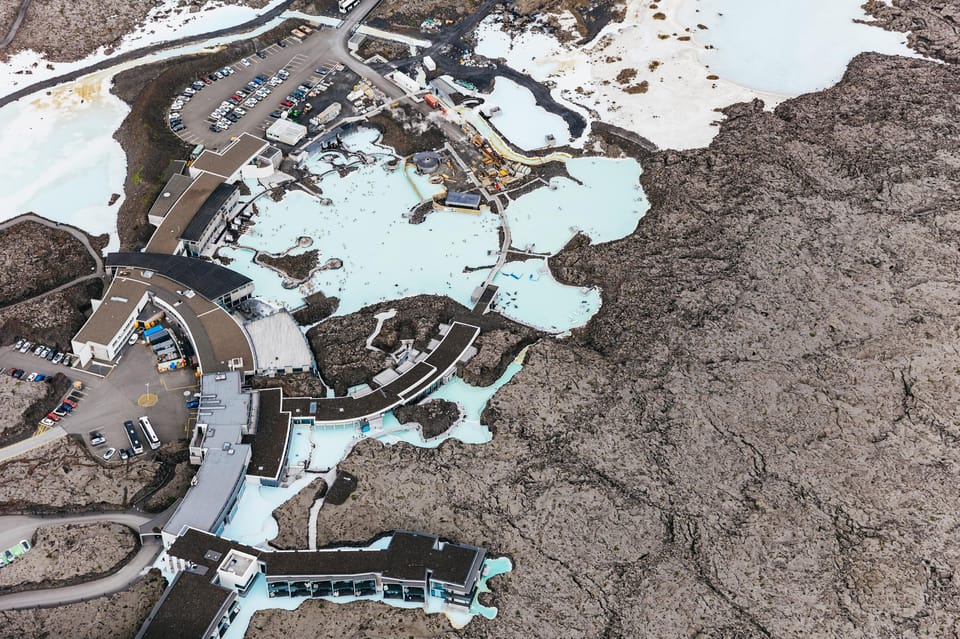
Helicopter photography is a game of speed and angle. With a 40-minute total flight and multiple turns, your best results come from planning how you’ll shoot before you’re staring at the ground.
Do this:
- Keep your camera/phone ready during every segment shift.
- Take a few wide frames early, then switch to tighter shots when you see fissures or crater edges.
- Watch the pilot’s turns and trust them. Passengers have praised pilots who make sure both sides of the helicopter get view time, including named pilots like Laura and Tamas.
Also, remember something important: you might be watching lava fields that look quiet from the air. Even if there’s no visible flow at the moment, the ground shapes can still be striking. Lava doesn’t need a spectacle to look intense from above.
If you’re chasing one specific image—like the crater itself—mentally accept that volcanic conditions change. This tour is about being over the volcanic zone, not about forcing a specific eruption moment on schedule.
Price and value: what $577 buys you (and what it doesn’t)
At $577 per person, this is not an impulse purchase. It’s expensive, period. But it’s also the kind of expense you only pay when you want something that land tours can’t replace.
Why it can be worth it:
- A helicopter gives you a view over active volcanic zones that many ground routes can’t reach.
- You get multiple eruption-related targets in one short flight, rather than spending hours trying to stitch together long drives and viewpoints.
- The small-group format means more “time looking,” less “time waiting.”
What it doesn’t buy:
- A guarantee of visible lava or crater activity. You’re flying in a place where nature decides what it shows.
- A full-day adventure. This is a compact experience, and the value is tied directly to weather, visibility, and how well your flight timing matches volcanic activity.
In plain terms: if you’re excited about volcanic features and you can afford the helicopter premium, this is one of the more direct ways to see the Reykjanes Peninsula from above.
Safety and operations: why weather decides more than you do
This is a weather-dependent flight, and that’s not just a policy line—it’s part of how the tour works. Flights follow rules set by Iceland’s Department of Civil Protection and Emergency Management, and pilots have to prioritize safe operations over getting you a perfect view.
That’s also why the tour can’t promise visible lava. Your best-case scenario includes simmering craters, flowing lava streams, and active-looking areas. Your more common scenario might be dramatic lava fields and crater shapes even if the eruption is less visible at that moment.
One good sign from real-world feedback: passengers consistently mention a calm, professional atmosphere. Names like Laura and Tashi show up for friendly, reassuring flying, and multiple accounts highlight that the pilot was focused on safety and on giving passengers time for views and photos.
Who this tour fits best (and who should think twice)
You’ll likely love this if:
- You want a helicopter view of active Icelandic volcanic terrain close to the capital.
- You’re short on time in Reykjavik but don’t want to miss the Reykjanes story.
- You care about photos and want multiple angles over several named volcanic areas.
You may want to reconsider if:
- You’re very price-sensitive. This is a helicopter tour, not a budget activity.
- You get extremely frustrated by uncertainty. Weather and volcanic visibility can affect what you see.
Good news for nervous flyers: at least one account mentions that a passenger who was terrified of flying still relaxed during the ride, and the pilot’s calm approach helped. Helicopter discomfort is personal, but the tone of the operation seems designed to keep people at ease.
Should you book the Reykjavik to Reykjanes helicopter tour?
If you’re asking me for the quick answer: I’d book it if your Iceland trip has the flexibility to handle weather changes and you’re excited by volcanoes in a way that goes beyond photos from a distance. The flight’s main value is proximity—seeing lava fields and volcanic features near Reykjavik from above in a compact, high-impact 40 minutes.
If you’re expecting a guaranteed eruption show, I’d temper expectations. But if you want a front-row view of an active volcanic landscape (and possibly a close-up landing near lava on some days), this is a strong pick. For many people, it’s the sort of experience that sticks in your mind long after you’ve left the island.
FAQ
FAQ
How long is the From Reykjavik: New Volcanic Area Helicopter Tour?
The tour duration is about 40 minutes.
Where do I meet for the helicopter tour?
You meet at Ace FBO Reykjavík, located just behind Reykjavik Hotel Natura, in the ACE FBO building.
What parts of the Reykjanes Peninsula will we fly over?
The flight includes sightseeing over the Capital Region, then Litli Hrútur Volcano, Geldingadalir Volcano, Fagradalsfjall Volcano, Grindavík, and finally back toward Reykjavik.
Is there a guide on the flight?
Yes. There is a live tour guide in English, and an English audio guide is included.
What’s included in the price?
The price includes the helicopter tour and the pilot.
Are food and drinks included?
No. Food and drinks are not included.
Is the flight dependent on weather?
Yes. Flights are weather-dependent and must follow safety rules set by Iceland’s Department of Civil Protection and Emergency Management.
How many people are in the group?
It’s a small group limited to 6 participants.
What if I weigh more than 120 kg?
If you are over 120 kg, you will have to book an additional seat.