REVIEW · REYKJAVIK
From Reykjavik: Northern Lights Sightseeing Cruise
Book on GetYourGuide →Operated by Sea trips Reykjavík · Bookable on GetYourGuide
The sea is a better theater for the aurora. On this Reykjavik cruise, I like that you leave city glow behind quickly, then you’re actually set up to watch the sky change. I also love the double observation deck setup, with guides helping you look in the right direction while you stay comfortable.
Once you’re out past the harbor lights, the experience turns into patient star-watching with a living soundtrack: calm ocean sounds, nighttime mountains in the distance, and a crew that keeps checking the sky. The boat setup makes it easier to stay out on deck without freezing all night, because you’re not stuck shivering in one spot.
The only real drawback is simple: the Northern Lights aren’t guaranteed. If clouds roll in, you may spend a lot of the two hours scanning for signs of green that never fully show.
In This Review
- Key Things I’d Focus On
- Why a Northern Lights Cruise Works Better Than a Bus Hunt
- Old Harbour House Check-In: Quick Start Without Headaches
- Boarding the Boat: Deck Viewing, Wi-Fi, and the Blanket Plan
- The Night Sky Hunt: How the Crew Searches for Aurora
- What You’ll See on the Way Out: Mountains, Dark Water, and the City Fading
- Staying Warm on Deck: Comfort Choices That Actually Matter
- Aurora Spotting and Photos: What to Do When the Sky Gives You Green
- Price and Value: Is $88 a Fair Deal for Two Hours at Sea?
- If the Aurora Doesn’t Show: What Happens When the Sky Won’t Cooperate
- Who This Cruise Fits Best (and Who Might Want Something Else)
- Should You Book This Reykjavik Northern Lights Cruise?
- FAQ
- How long is the Northern Lights sightseeing cruise?
- Where do I meet for the cruise?
- How early should I check in?
- Is hotel pickup available?
- Are blankets provided for the deck?
- Is the Northern Lights viewing guaranteed?
- Are drinks included in the price?
- What language is the tour guide?
- What should I wear or bring?
Key Things I’d Focus On
- Double observation decks for sky time: you get unobstructed views without feeling trapped below.
- Blankets for deck viewing: warm enough that you can actually keep watching instead of rotating in and out every five minutes.
- Guides actively searching, not just narrating: you’ll get direction on where to look as conditions change.
- City lights fade fast: the “ahh, it’s darker now” moment happens as you move away from Reykjavik.
- Warm indoor seating when you need it: a place to reset when the wind bites.
- Guides remember the night’s momentum: some departures even pause on the way back for one last stronger moment of activity.
Why a Northern Lights Cruise Works Better Than a Bus Hunt
Reykjavik is gorgeous, but for aurora hunting, the city’s brightness is the enemy. What I like about sailing out on the ocean is that you get genuine night-sky darkening, not just a quick drive to a viewpoint that’s still surrounded by lights. By the time the harbor glow starts to thin out, you can focus on the sky instead of your surroundings.
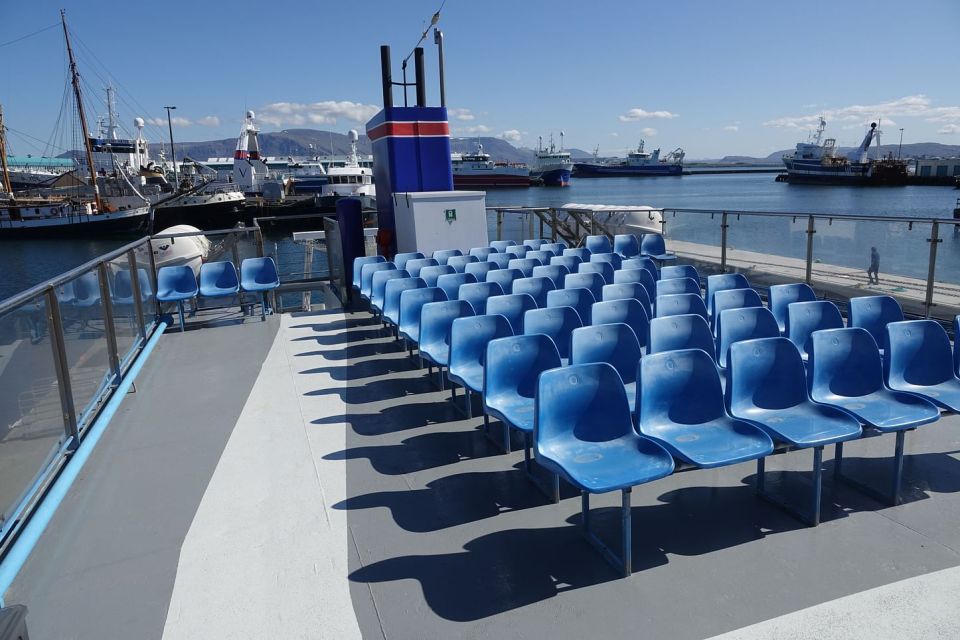
Another big win is the setting. On the water, the sky feels larger and more dramatic because you’re not boxed in by roadsides and fences. You also get the option to move between decks as the action shifts. That matters, because aurora can appear in one part of the sky and then brighten or fade. Having two vantage points makes it less stressful to track what you’re seeing.
And yes, it’s still Iceland at night. Wind and cold are part of the deal—but the boat experience makes it easier to last the whole 2 hours without turning it into an endurance test.
You can also read our reviews of more boat tours in Reykjavik



Old Harbour House Check-In: Quick Start Without Headaches
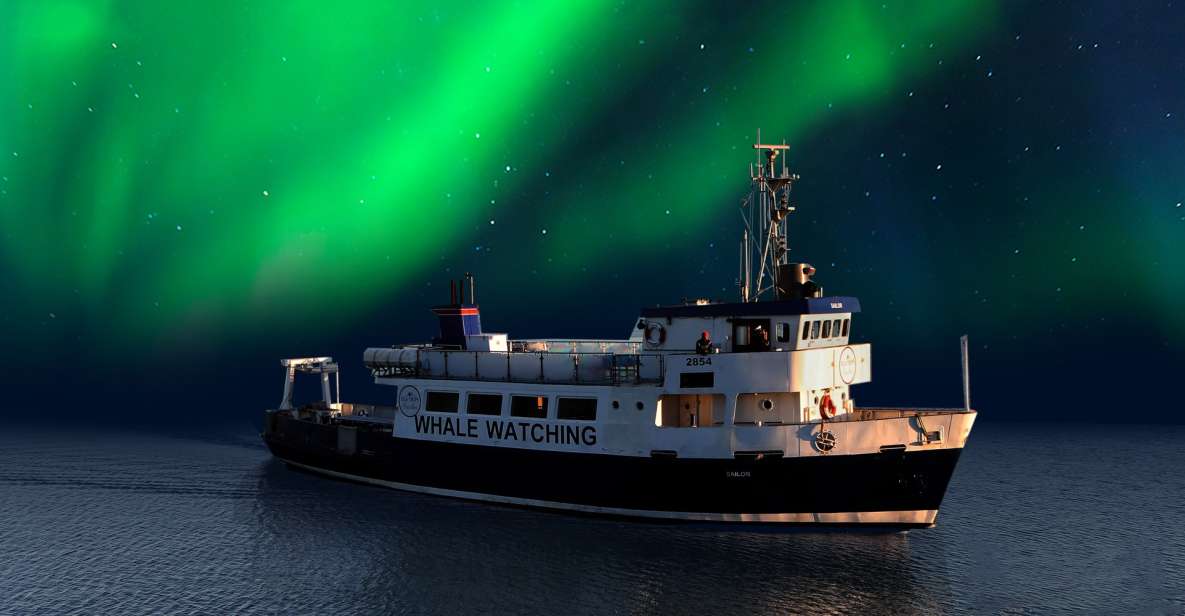
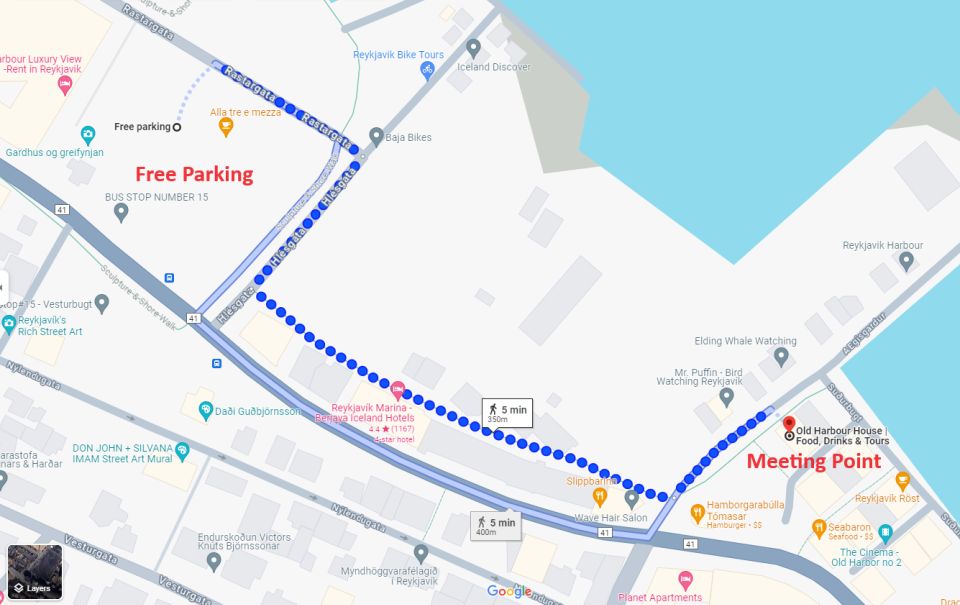
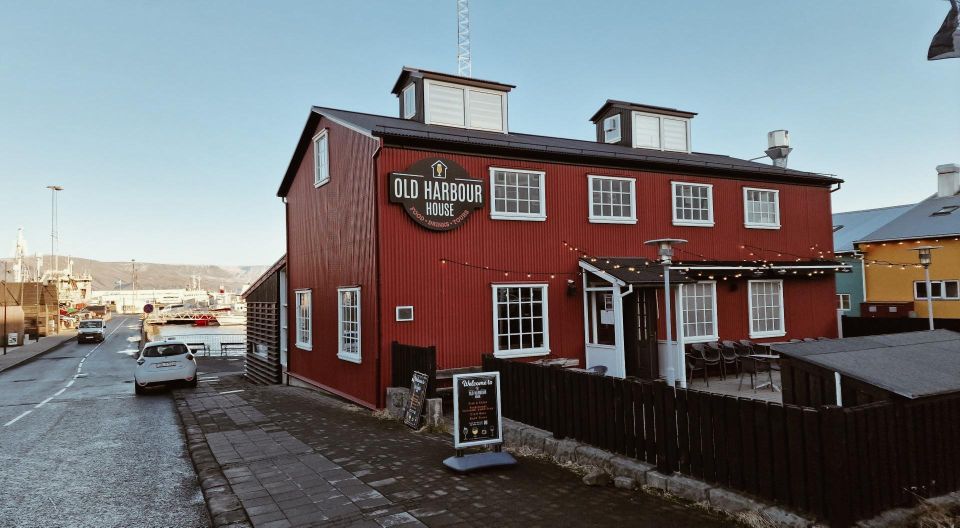
Your night begins at the Old Harbour House at Aegisgardur 2 in Reykjavik. Plan to check in 30 minutes before departure. The process is straightforward: you scan the bar/QR code from your ticket at the self-service kiosk at the meeting point, then you’re set.
If you chose optional pickup, you’ll be picked up from a hotel in the Reykjavik area. Either way, the timing is the same philosophy: arrive early, get situated, and avoid the last-minute scramble when it’s already dark outside.
Practical tip: wear easy-on layers. You’ll want your warm clothing ready before you step onto the deck, since you’ll likely head out for sky checks as soon as you’re underway.
Boarding the Boat: Deck Viewing, Wi-Fi, and the Blanket Plan
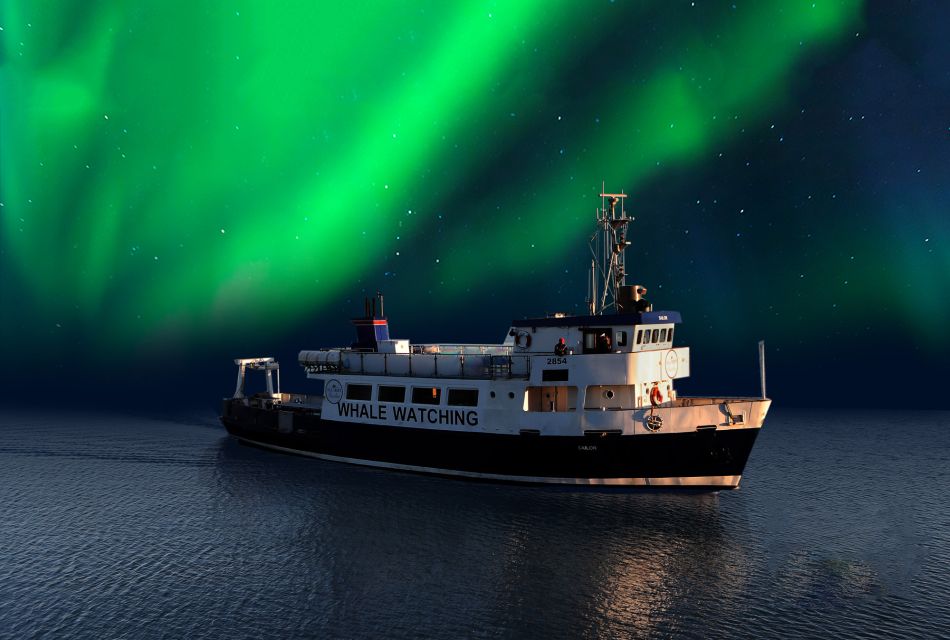
This is a 2-hour Northern Lights hunting cruise, and the boat is set up for actually watching the sky. Included are double observation deck spaces and blankets for comfort, which is huge when you’re trying to keep your body warm enough to stand there with your neck craned up.
I also appreciate that the tour includes free wi-fi. It’s not the main reason to go, but it helps you troubleshoot fast—checking whether you’re sharing location, confirming timing, or quickly looking up camera settings so you’re ready the moment green appears.
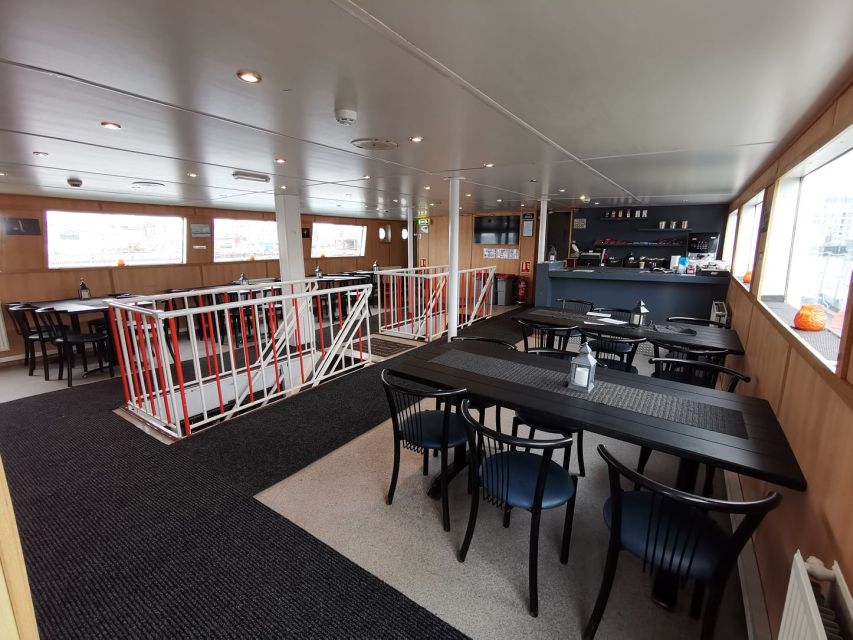
Inside, you get a warm place to regroup when conditions feel too cold. Several guests specifically praised the cozy comfort of the interior lounges, with seating that lets you keep watching without feeling like you’re stuck outside the whole time. And there’s a bar on board where drinks can be purchased if you want something warm or a little morale boost.
If you’re picturing a cramped, crowded ride, don’t. The overall setup is designed so people can spread out between decks and inside spaces.
The Night Sky Hunt: How the Crew Searches for Aurora
The heart of the experience is the hunt itself. You cruise out from Reykjavik, then the crew and guides start working the problem: looking for the aurora as conditions change.
What stands out is that the crew’s role isn’t passive. People described guides as actively spotting lights early, then guiding everyone’s attention when the sky shows signs of activity. On some nights, the aurora arrives fast; on others, it’s slow and subtle. Either way, the guide work helps you avoid the classic issue: thinking you’re seeing nothing when something is actually happening.
You may hear details that feel nerdy—in a good way—like references to aurora activity levels. One guest noted the guide mentioned a KP figure around 6.67, which gives you context for why the lights look the way they do.
Guide names you might hear include Christina, and for certain departures people specifically mentioned Hólmar and Steingreimur. I like that kind of consistency: it suggests the crew isn’t just reading a script. They’re watching, adjusting, and responding to what the sky is doing right now.
What You’ll See on the Way Out: Mountains, Dark Water, and the City Fading
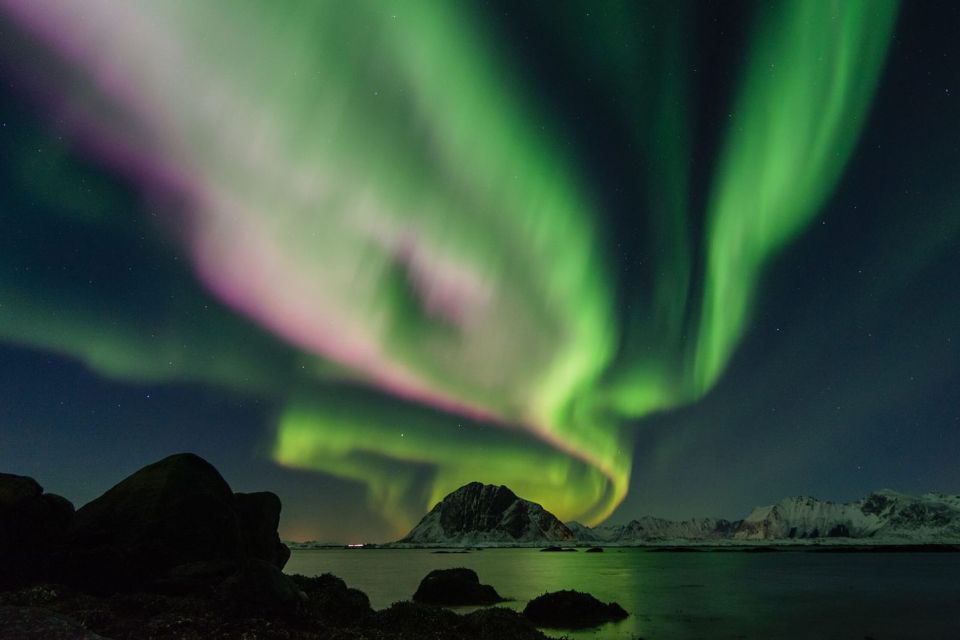
As you leave the coast, the scenery does its own job. You start with the city and harbor area in view, then it fades behind you. That transition matters more than it sounds. The moment Reykjavik’s lights dim down, the sky stops looking like a ceiling and starts looking like real space.
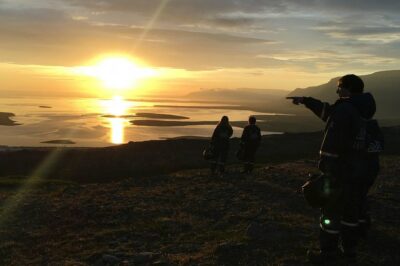
The mountains in the distance add depth to the night. Even if the aurora is quiet at first, the view isn’t blank. You’re watching the coastline change, listening to the ocean, and getting a sense of scale as open water comes into view.
Some lucky nights add bonus wildlife moments too. One guest reported a brief whale sighting during a cruise. It’s not something you should count on, but it’s a reminder that ocean nights can surprise you.
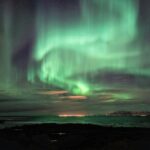
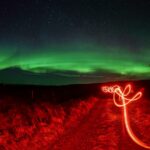
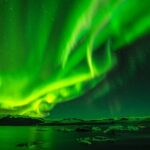
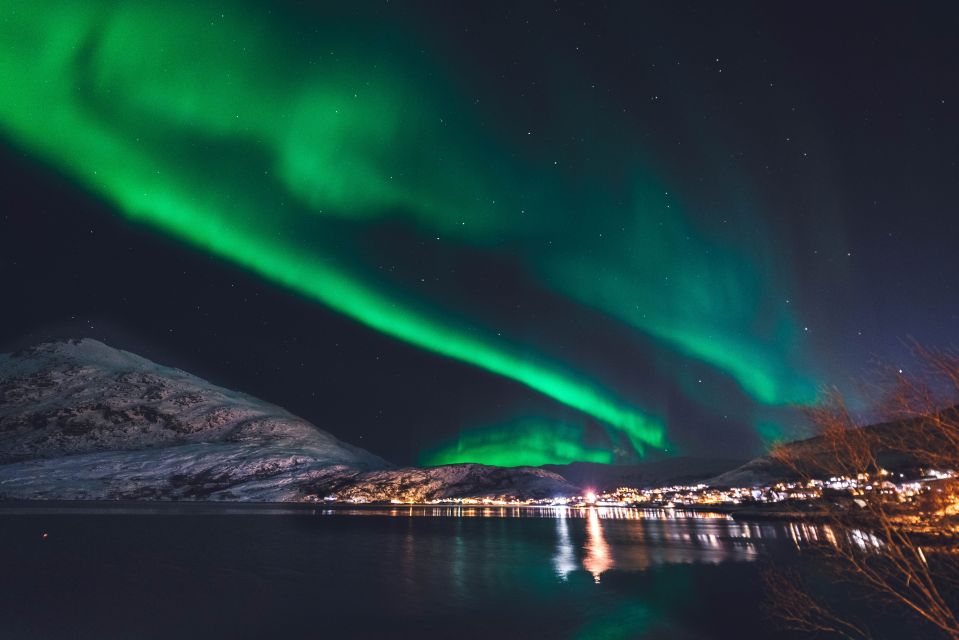
And then—when the lights finally show—you’re watching green dance above darkness, plus you often get a reflection on the water. That reflection effect can make the whole thing feel larger than the sky alone.

Staying Warm on Deck: Comfort Choices That Actually Matter
Cold is the enemy of good spotting. The difference between enjoying the cruise and counting minutes outside usually comes down to how you handle temperature.
Here’s the practical setup: you’ll have blankets for the deck, and you can use the boat’s interior spaces when you need to warm up. Many guests said they spent plenty of time outside because the deck experience was comfortable enough to stay engaged, especially with provided blankets and a boat that doesn’t feel stingy about warmth.
Still, plan for Iceland wind. The top deck can feel much colder than the interior lounges. I’d treat this as a “use both” strategy:
- go out when the guide says activity is building
- warm up inside when your hands start to feel numb
- come back out quickly for the next bright moment
Also bring comfortable shoes. You’ll move around between decks and seating areas, and you want your feet happy when you finally stand still for aurora watching.
Aurora Spotting and Photos: What to Do When the Sky Gives You Green
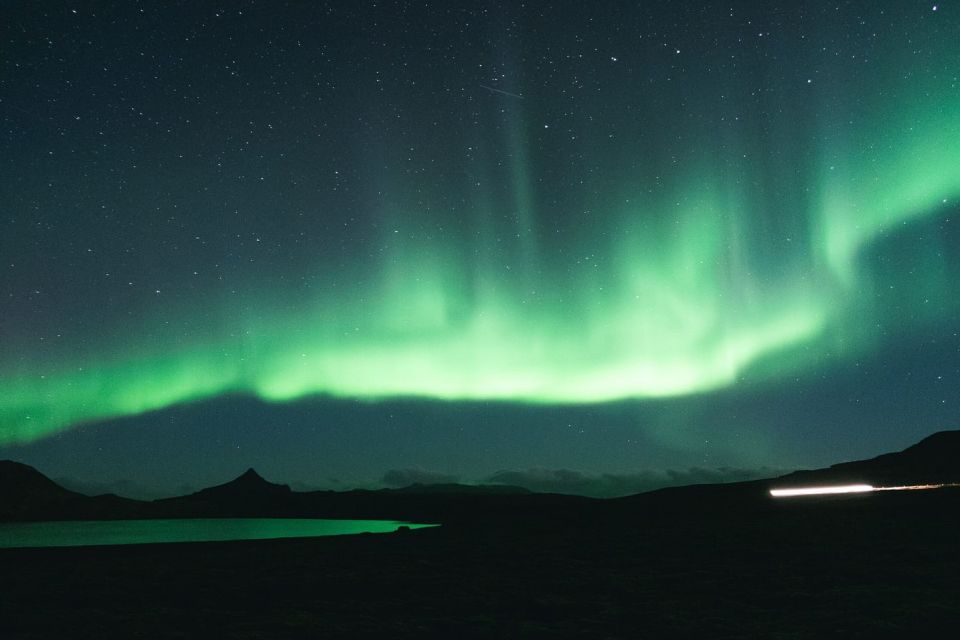
You don’t control the aurora. You can control what you do in response.
First: look where the guide tells you to look. The biggest “I didn’t see it” problem is usually direction, timing, or confusion between clouds and lights. When the aurora is weak, the first signs might look like faint smudges or wisps rather than a bright curtain.
Second: expect the lights to vary. People described nights where aurora was subtle at first, then strengthened toward the end of the cruise. One guest even mentioned the captain paused on the way back to point out a final stronger emerging moment. That’s a good reminder not to tune out just because it’s late in the schedule.
Third: camera sanity beats camera panic. A guest shared a simple phone tip for capturing aurora: set an Android phone camera to Pro mode and try a longer exposure setting (they mentioned 1 second). If you use a camera app differently, the principle is the same—give the camera enough time to gather faint light. Just don’t expect every shot to be instant. The aurora can change fast.
Finally: keep your eyes in the real world too. Some nights, aurora shows more clearly with the naked eye than in photos. Other nights, it’s fainter than expected and looks stronger on camera. Either way, you’re learning what aurora actually looks like in Iceland, not just in postcards.
Price and Value: Is $88 a Fair Deal for Two Hours at Sea?
At $88 per person for a 2-hour cruise, you’re paying for three things: a smaller, more comfortable viewing setup than bus-only excursions, better chances of reducing light pollution by going out on the water, and a crew that actively helps you find the sky action.
Is it cheap? No. But the value comes from how the time is used. You’re not spending most of those two hours stuck in traffic or waiting at a random roadside. The cruise format gets you out into quieter waters and gives you room to actually watch.
Also, the included extras help justify the price: blankets, double deck viewing, guides, and free wi-fi. Drinks aren’t included, but the bar is there if you want a warm beverage during a long wait.
If you care about getting as much guided “watching time” as possible, this model tends to feel worth it. And the overall satisfaction is strong: the experience sits at a 4.3 rating from 438 reviews, which is a signal that the operation is generally working as planned.
If the Aurora Doesn’t Show: What Happens When the Sky Won’t Cooperate
This is the part no one can skip: Northern Lights viewing is a gamble. What’s reassuring here is the policy around missed sightings.
The tour states that views are not guaranteed, but if the Northern Lights aren’t visible, you can reschedule for free with the operator. Some guests went further in their accounts, describing additional free attempts after cloudy nights, including scenarios where people rebooked more than once until they saw the aurora.
So my advice is simple: treat this as your first attempt, not your only attempt—especially if your schedule allows a little flexibility. If your days in Iceland are tight, you’ll want to book early so you have a backup option if skies disappoint.
Who This Cruise Fits Best (and Who Might Want Something Else)
This cruise is a strong choice if you:
- want to see the aurora without dealing with bus congestion
- like the idea of deck time plus warm indoor breaks
- prefer guided pointing and sky-reading over sitting in silence hoping for luck
- want a compact, 2-hour activity rather than a long day plan
It may be less ideal if:
- you hate cold weather and don’t want to spend any time on the open deck (even with blankets, it’ll still be chilly up there)
- you need a fully guaranteed experience, because nature doesn’t promise aurora on command
That said, the cruise experience itself is pleasant even when the aurora is late. You’re still out on the ocean at night, watching the city disappear, and learning how to read the sky.
Should You Book This Reykjavik Northern Lights Cruise?
I’d book it if you want a practical Northern Lights experience that balances comfort and guidance. The $88 price makes more sense when you think of it as paying for better viewing setup (two decks), warmth support (blankets and indoor seating), and active guide help to spot the moment activity turns on.
I wouldn’t book it only for the promise of guaranteed lights. You’re buying the chance to hunt effectively—and the operator’s free reattempt option makes that chance feel less risky.
If you’re in Reykjavik and want your aurora night to feel organized, not chaotic, this cruise is one of the cleanest ways to do it.
FAQ
How long is the Northern Lights sightseeing cruise?
The cruise lasts about 2 hours.
Where do I meet for the cruise?
You check in at the Old Harbour House, Aegisgardur 2, 101 Reykjavík.
How early should I check in?
Please check in 30 minutes before departure.
Is hotel pickup available?
Pickup is optional from hotels in the Reykjavík area.
Are blankets provided for the deck?
Yes, blankets are provided to help keep you warm while you watch from the deck.
Is the Northern Lights viewing guaranteed?
No. Viewing isn’t guaranteed, and if they aren’t visible it’s possible to reschedule for free.
Are drinks included in the price?
Drinks are not included, but they are available for purchase on the boat.
What language is the tour guide?
The tour includes a live English-language guide.
What should I wear or bring?
Bring comfortable shoes and warm clothing.