REVIEW · REYKJAVIK
From Reykjavik: Northern Lights Chase with Expert Guide
Book on GetYourGuide →Operated by ICELANDIA · Bookable on GetYourGuide
Northern Lights nights are a gamble. This Reykjavik chase turns that gamble into a real plan, driving you beyond the city glow with a local guide who reads the night like a puzzle. I especially like the focus on getting away from city lights.
The tour’s biggest strength is how it handles the moment the sky changes. I also love the photo-friendly viewing stops and the calm, practical way guides coach you on where to look and how to capture the lights.
One thing to consider: you’re outdoors in winter cold, and sightings are never guaranteed. If cloud cover or weather ruins the view, you might wait a while, or the tour could be canceled and tried another night.
In This Review
- Key things to know before you go
- Northern Lights chase from Reykjavik: why this style works
- Meeting at BSÍ bus terminal and how pickup works
- The 3.5-hour night plan: how guides use forecasts in real life
- Dark-sky viewpoint stops: what each stop is really for
- Learning the aurora without a lecture vibe
- Photos and phone setup: how to get results when the sky is moody
- What to wear: warm layers, grip, and patience outside
- Guides, quick thinking, and the difference between a okay night and a great one
- Price and value: is $73 per person worth it?
- Should you book this Northern Lights chase?
- FAQ
- How long is the Northern Lights chase from Reykjavik?
- Where do I meet for the tour?
- Is pickup from hotels available?
- Are Northern Lights sightings guaranteed?
- What happens if no Northern Lights are seen?
- What should I bring?
- Is food included?
- What’s included besides the guide and transport?
- Is there an audio guide, and what languages are offered?
Key things to know before you go
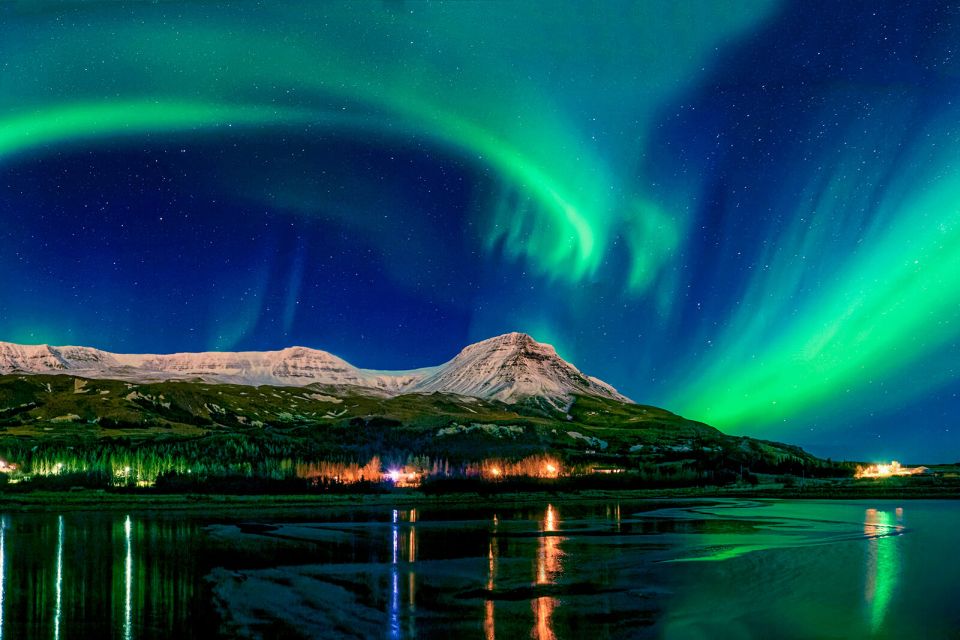
- You’re chasing the aurora, not just hoping: the route is selected based on updated conditions and aurora activity reports.
- Dark-sky stops are built in so you can actually see the lights and photograph them without Reykjavik’s glow.
- You get free retry chances if you don’t see the Northern Lights, with retry tickets valid up to 2 years subject to availability.
- Guides stay flexible and will shift locations if conditions change mid-tour.
- It’s winter-cold time: you should expect uneven ground and periods outside while you wait.
Northern Lights chase from Reykjavik: why this style works
Reykjavik is beautiful, but it’s also bright. The farther you get from artificial light, the better your odds that the aurora shows up sharply enough for your eyes (and your camera) to catch it. This tour is built around that idea: drive out, stop in darker areas, then watch with intent.
The “chase” part matters because auroras don’t show up on a fixed schedule. What you want is a team that tracks conditions and is willing to move when the night improves. That’s exactly the vibe here—your guide uses the latest weather and aurora info to choose where to look next.
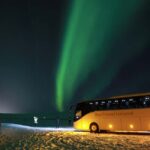
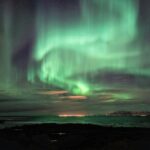
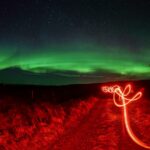
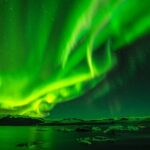
And once the lights appear, it becomes a different kind of travel experience: quiet, awe-filled, and very physical. You’ll step outside, look up for long stretches, and wait for the sky to start moving in real time.
You can also read our reviews of more guided tours in Reykjavik
Meeting at BSÍ bus terminal and how pickup works
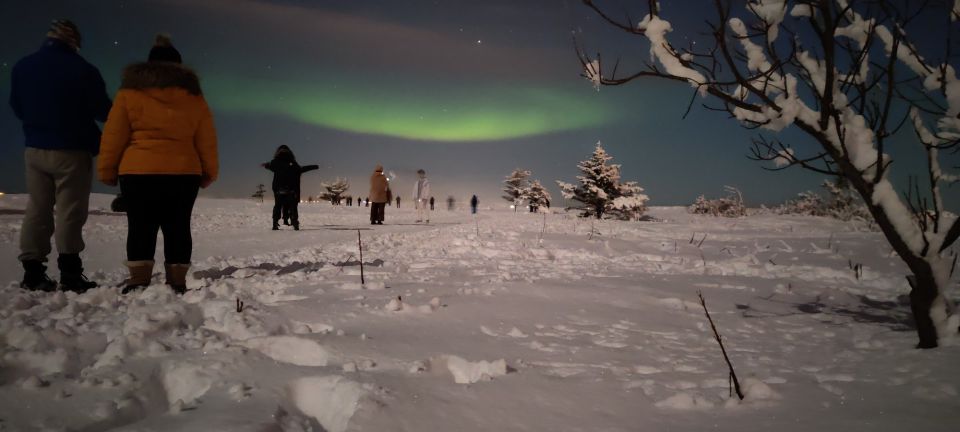
Your starting point is BSÍ Bus Terminal in Reykjavik. Plan to arrive at least 15 minutes early so you’re not rushing in the cold.
Pickup is optional and can pull you from hotels or designated stops, but the logistics are a little “Reykjavik-style.” The operator makes multiple pickup stops, and waiting times of up to 20 minutes are normal. Pickup happens up to 30 minutes before the tour start time, and the vehicles are clearly marked as Reykjavik Excursions.
If you’re not sure which pickup point is yours, you can check via busstop.is. This is one of those details that can save you stress, especially when winter schedules are tight.
The 3.5-hour night plan: how guides use forecasts in real life
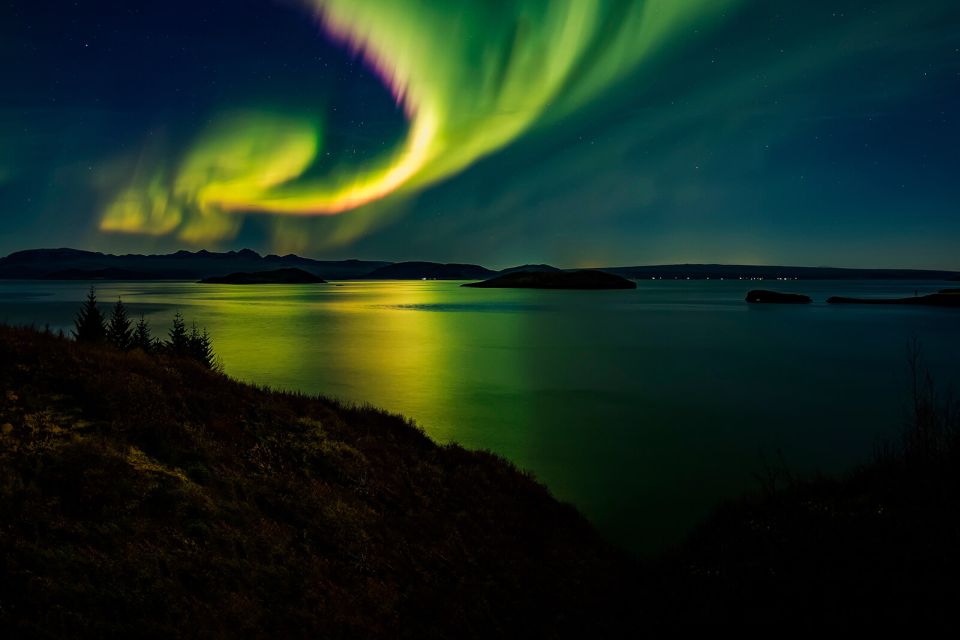
The total time is about 3.5 hours, and that time is used for one main goal: dark viewing with a smart route. Your guide checks up-to-date weather forecasts, cloud cover, and aurora activity reports, then decides where the group will go that night.
A key detail: you’re not locked into one spot. Several nights can involve multiple stops—sometimes you wait, sometimes you relocate. In real terms, this is what separates a “tour” from a “hunt.”
People in the provided experience notes repeatedly highlight that guides kept an eye on the aurora state and acted quickly when activity became obvious. On some nights, that meant stopping the bus and letting everyone out right away, sometimes even after an earlier location felt disappointing.
You should also be prepared for the tour to be flexible enough that the experience doesn’t always feel perfectly scheduled minute-to-minute. In aurora hunting, weather is the boss.
Dark-sky viewpoint stops: what each stop is really for
You’ll make a primary viewing stop with a mix of guided viewing and photo time. The main purpose of these stops is simple: get you somewhere dark enough and comfortable enough to actually see the aurora show up.
Think of it like three phases:
1) Arrive and settle (find a good spot and get your eyes ready).
2) Watch and wait (auroras can turn on slowly).
3) Shoot and reassess (once you see activity, your guide helps you make the most of it).
You’ll also be on the lookout for the sky to improve. Some nights start with faint activity, where the lights might look subtle to the naked eye and stronger on a camera. That doesn’t mean you’re out of luck—often it means you’re early, and patience is part of the deal.
Your group should expect to spend time outdoors, sometimes on uneven ground. That’s why comfortable shoes and warm layers matter more than fancy outerwear.
Learning the aurora without a lecture vibe
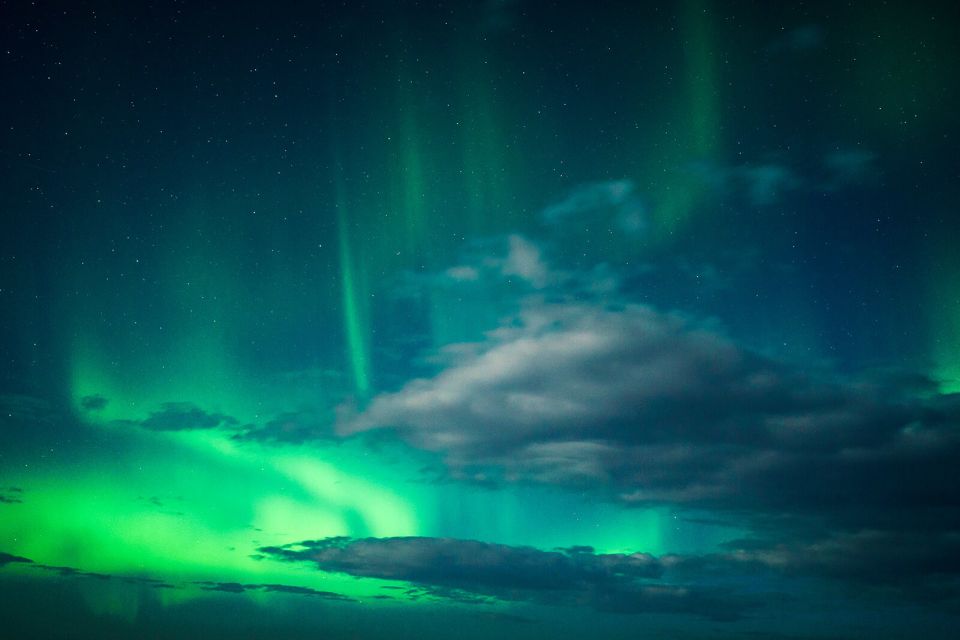
There’s a teaching component on the drive. The guide explains what causes the Northern Lights and why Iceland’s winter skies can be especially good for aurora viewing conditions.
It’s not meant to turn the bus into a classroom. It’s more like quick, practical context while you’re traveling and waiting. And because the guide is tracking the sky in real time, the explanations tend to connect directly to what you’re seeing (or trying to spot).
Some guides also include extra storytelling and humor to keep the waiting time from feeling endless. On nights where the lights take a while to arrive, this kind of pacing is genuinely helpful.
If you want extra info, there’s an optional audio guide in an app you use on your own smartphone. Languages listed include Dutch, Japanese, Korean, Finnish, Spanish, French, German, Chinese.
Photos and phone setup: how to get results when the sky is moody
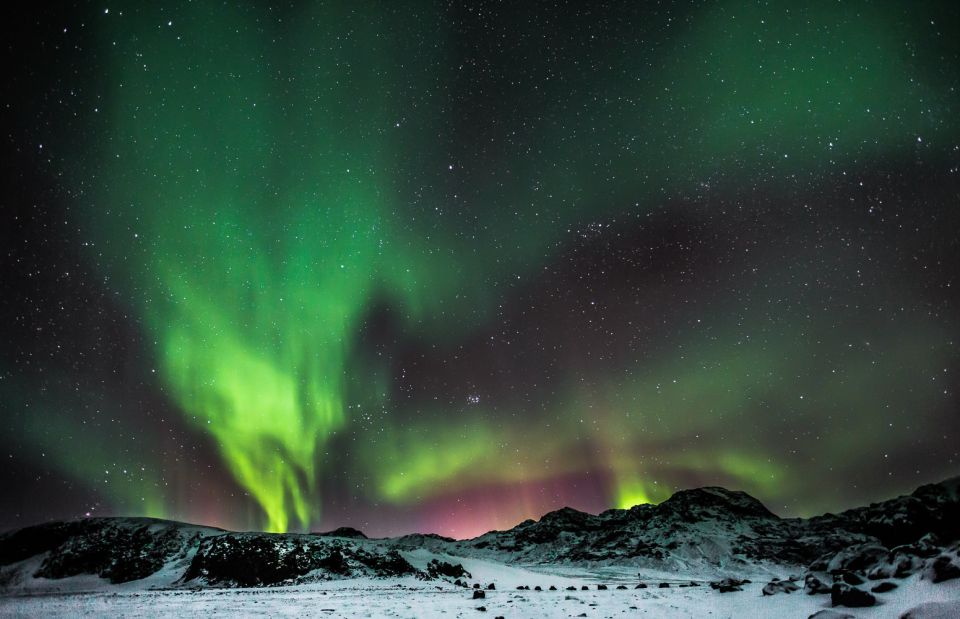
Photographing the Northern Lights is all about timing and technique, but you don’t need to be a pro to get usable shots. The tour includes guidance that helps you set up your phone for Northern Lights photos.
That matters because phone cameras often don’t behave intuitively in low light. A guide giving quick pointers can help you:
- aim the camera where it matters (not just at the brightest part of the sky),
- adjust settings enough to capture a visible aurora,
- avoid obvious mistakes that lead to blurry or overexposed results.
In the experience notes, people praised guides for helping everyone find good spots and for staying on top of when aurora activity became clearer. Even when the show was faint at first, the best moments often came after the guide made a quick move and everyone got out again fast.
Real expectation check: some nights produce strong arcs and movement, while others are more subtle. A camera can reveal things your eyes only faintly detect, but you still need clear enough conditions.
What to wear: warm layers, grip, and patience outside
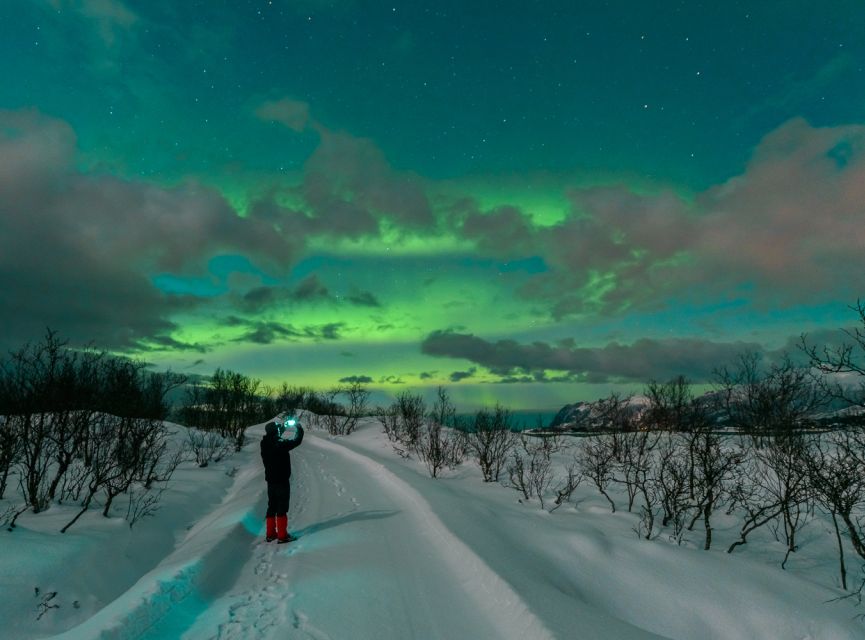
This is a winter outing. Dress like you plan to stand still for long stretches, because you will.
You’ll want:
- comfortable shoes with grip,
- warm clothing in multiple layers,
- a mindset that you might be waiting outside for a while.
It’s also worth remembering that you could be spending time outdoors on uneven ground during viewing stops. That’s where warm clothes meet real-world comfort. Cold that bites through your layers ruins your concentration fast.
If you run warm easily, bring layers you can peel off. If you get cold quickly, bring the extra layer. The tour doesn’t include food or beverages, so warm comfort is mostly on you.
Guides, quick thinking, and the difference between a okay night and a great one
The guides are a major reason this tour gets strong satisfaction. Across the experience notes, people repeatedly mention guides who:
- stay attentive to aurora activity,
- make quick decisions when cloud cover shifts,
- keep the group focused and calm while waiting.
Names that appear in the notes include Arman, Rene, Oliver, Darren, Eric, Kat, and others. While you can’t pick your specific guide in advance based only on this info, the pattern is clear: guides are active in the process, not just reading a script.
Some nights include a long wait before activity becomes obvious. In those cases, the best guides don’t treat the cold like wasted time. They keep searching until the sky gives you something worth seeing—and they often find a workable gap in clouds.
One practical takeaway from the experience notes: if you’re told there’s activity, don’t assume it means hours of nothing. People described guides calling out changes and then stepping out quickly when it was finally visible.
Price and value: is $73 per person worth it?
At about $73 per person for roughly 3.5 hours, you’re paying for more than a bus ride. You’re paying for:
- a guide who tracks forecasts and aurora activity reports,
- transportation into darker countryside areas,
- structured photo/viewing stops,
- and the promise of a free retry if the Northern Lights don’t show.
That last part is where the value gets real. You’re not buying a guaranteed sky show. You’re buying a system designed to improve your odds—and then another chance if the night doesn’t cooperate.
A strong price point for this kind of winter experience is when you feel it’s hard to replicate on your own. You’d have to navigate dark-sky spots, interpret aurora and weather data, and manage the “move when it changes” part. This tour bundles that into one planned evening.
A downside on cost/value can happen only if you’re the kind of person who needs predictability. If you hate waiting and cold, you might feel the price tag while you’re freezing. But if you’re okay with the aurora game, this feels like a fair deal for what’s included.
Should you book this Northern Lights chase?
If you’re visiting Reykjavik and you want your best shot at seeing the lights, I think this is a smart booking. The tour’s core strengths are exactly what matter most: dark-sky stops, an active guide who chooses the route nightly, and free retry chances when the sky doesn’t cooperate.
Book it if you:
- want a guided plan instead of DIY guessing,
- are comfortable dressing warmly and waiting outdoors,
- care about improving your odds through smarter locations.
Consider skipping or thinking twice if you:
- can’t handle cold or long outdoor waits,
- need guaranteed conditions (because auroras are weather-dependent),
- have very young kids, since the info says it’s not suitable for children under 6.
FAQ
How long is the Northern Lights chase from Reykjavik?
The tour lasts about 3.5 hours.
Where do I meet for the tour?
Please be at BSÍ Bus Terminal at least 15 minutes before departure.
Is pickup from hotels available?
Yes, pickup is optional from selected hotels and designated pickup points. Pickup can be up to 30 minutes before the tour start time, and there can be multiple stops with waiting times up to 20 minutes.
Are Northern Lights sightings guaranteed?
No. The Northern Lights depend on weather and natural conditions, so sightings can’t be guaranteed.
What happens if no Northern Lights are seen?
If you don’t see the Northern Lights on your tour, you can join another Northern Lights tour free of charge, subject to availability. Retry tickets are valid up to 2 years.
What should I bring?
Wear comfortable shoes and dress in warm layers suitable for cold winter conditions.
Is food included?
No. Food and beverages are not included.
What’s included besides the guide and transport?
You get guided Northern Lights viewing, bus transportation into the countryside, stops at dark locations for viewing and photography, Wi-Fi onboard, and an optional audio guide via an app.
Is there an audio guide, and what languages are offered?
Yes. An optional audio guide is provided via an app and is available in Dutch, Japanese, Korean, Finnish, Spanish, French, German, and Chinese.