REVIEW · REYKJAVIK
Reykjanes secret G spots – raw edition
Book on Viator →Operated by G spot Iceland · Bookable on Viator
Volcanic weirdness on Iceland’s Reykjanes Peninsula. This small-group tour mixes lava-tube spelunking with geothermal steam and color that you simply do not see from the main roads. I love how the day feels intimate with a guide who clearly knows the ground beneath your boots, and I love that the route is built for quieter, less crowded viewing. One consideration: this is not a sit-and-sip excursion, so you need moderate fitness and serious weather-ready clothing.
If you’re staying in Reykjavik or nearby, the pickup is a real time-saver. The tour starts at 8:30 am, and you can be collected from Reykjavik, Grindavik, Vogar, Sandgerdi, Gardur, Keflavik, or Hafnir. Reviews highlight guides such as Damian (and Premmi) for being both friendly and practical with safety, plus for tailoring the day when weather changes fast.
The only real downside is that Iceland weather can flip hourly. Dress like you’re going to meet wind, wet, and cold all at once, because the cave and geothermal stops do not slow down for comfort. If you want the easiest possible day with minimal walking, this probably won’t be your pick.
In This Review
- Key highlights you’ll care about
- Reykjanes in one day: the energy most people miss
- Small group, early start, and pickup that actually helps
- Getting underground at Leidarendi Cave
- Kleifarvatn Lake: quick, scenic, and a bit legendary
- Seltún Geothermal Area: mud pools, hot springs, and color tricks
- Blue Lagoon area: a hike, the steamy crater story, and the power-plant context
- Weather-proof packing: what to wear for this rough-and-ready day
- How active is it, really?
- Price and value: why $270 can make sense here
- Should you book: who this tour fits best
- FAQ
- FAQ
- What time does the tour start?
- Does the tour include hotel pickup?
- How long is the tour?
- What size is the group?
- Is the tour in English?
- What should I wear and bring?
- Are the tickets included for the sites?
- Is the tour physically demanding?
- What happens if the weather is poor?
- What if I need to cancel?
- Final call: book it or skip it?
Key highlights you’ll care about
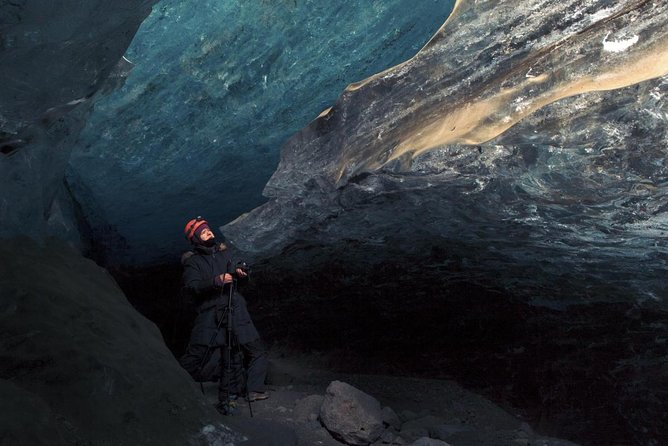
- Leidarendi Cave: two eruptions shaped a lava tube with intensely colorful formations, with time underground for real exploration
- Small-group feel: a maximum of 4 travelers, so the guide can move at a pace that fits you
- Geothermal hit: mud pools, hot springs, and steaming grounds in a range of colors at Seltún
- Blue Lagoon area (with power-plant context): viewpoints tied to Reykjanes fires and the geothermal infrastructure nearby
- Go off the main routes: you’ll spend time away from the busiest tourist patterns, even around popular areas
Reykjanes in one day: the energy most people miss
The Reykjanes Peninsula is where Iceland’s volcanic character feels close-up and practical. This tour leans into that feeling hard, with a route that centers on what the ground has been doing for centuries: lava, heat, steam, and the scars where eruptions left their marks.
What I like about this style of day is that it doesn’t treat Iceland like a postcard. You get to move through places where geology is the main actor. In particular, the cave portion gives you that rare sense of going underneath a working landscape, not just watching it from above.
And because it’s built for a small group, your guide can explain what you’re seeing as you see it. Damian and Premmi come up in the feedback as guides who share more than just where to stand; they talk about why the sites look the way they do, including how the volcanic processes connect.
You can also read our reviews of more tours and experiences in Reykjavik.

Small group, early start, and pickup that actually helps
The tour runs about 8 to 9 hours (and in practice, plan like it can feel like a long full day). It begins at 8:30 am, which matters because early light often makes geothermal color pop and because the roads can change fast in weather.
Pickup is offered from many areas around Reykjavik, including the list above, and the tour uses a mobile ticket. It’s also listed as being in English and capped at 4 travelers, which changes the whole experience: you’re less likely to feel herded, and it’s easier for the guide to adjust when wind or visibility shifts.
One more practical note: the tour is near public transportation. That’s useful if you’re staying slightly outside the pickup zones and want options, but you also shouldn’t need to worry if pickup is available for you.
Getting underground at Leidarendi Cave
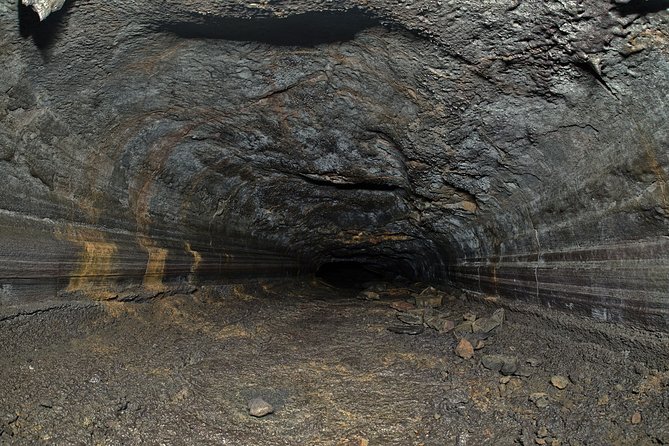
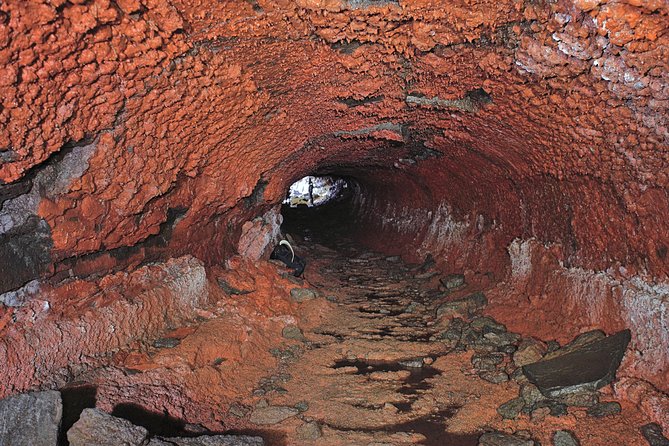
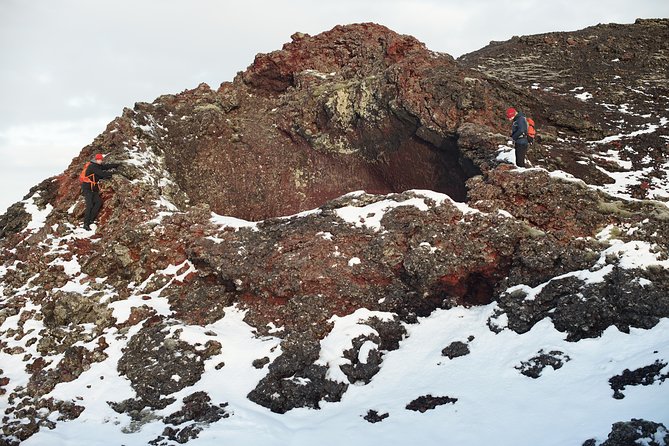
Leidarendi Cave is the headliner. You spend about 2 hours underground, and the stop is listed with free admission. The big draw here is that the lava-tube world wasn’t made in one moment; it formed from separate eruptions (around 2000 and 1000 years ago). That timing shows up as different sections and different visual textures.
This is also the part of the day that tends to feel most intense. The cave involves moving through uneven ground and tight spaces, so you’ll want to be comfortable with crawling, squeezing, and stairs-like shifts in footing. The tour’s guidance calls for moderate physical fitness and hiking shoes, and reviews reinforce that the experience can be very active, even for a range of ages when people are prepared.
What makes the cave worth it is not just the fact that it’s underground. It’s the contrast: you go from daylight conditions into a lit, close-up view of rock forms built by flowing lava. The scenery you’ll notice is described as incredibly colorful, and that fits what lava tubes often do best: layered minerals and different cooling patterns create tones you don’t expect from plain dark rock.
Safety and comfort matter most here. If you’re the type who gets nervous in tight places, consider whether you’re okay with controlled scrambling and a slower, careful pace. The upside is that the guide-led approach keeps you moving without guesswork.
Kleifarvatn Lake: quick, scenic, and a bit legendary
After the cave, the day pivots to a shorter stop: Kleifarvatn Lake. It’s about 30 minutes, with admission listed as free. The fun detail is that it’s described as an Icelandic version of the Loch Ness idea, with the lake hosting monster rumors.
This stop isn’t about long hiking or big monument views. It’s more like a reset: a chance to breathe, take photos, and switch your brain from underground geology to open-air water and wind. If you like quick scenic breaks that still feel connected to the region, this fits well.
The practical drawback: because it’s short, you shouldn’t plan on loitering if the weather is pushing the group along. If you’re the kind of person who wants time to wander, build in your own buffer mindset, but don’t expect a long free-roam window.
Seltún Geothermal Area: mud pools, hot springs, and color tricks
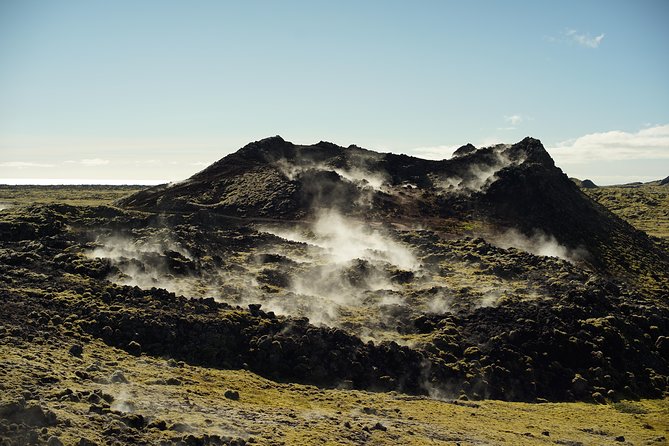
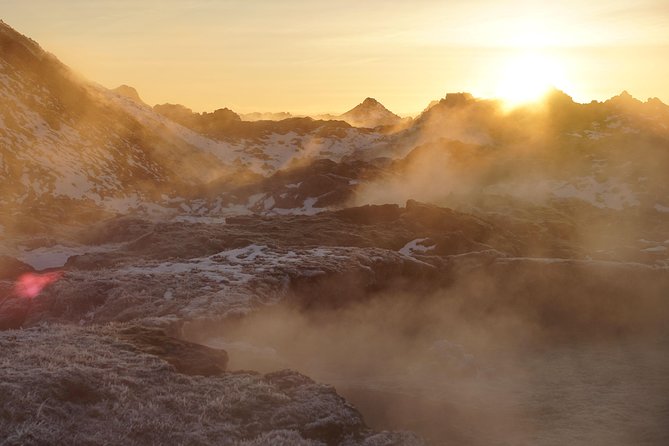
Seltún Geothermal Area is another fast hit, about 30 minutes with free admission. Here the vibe is pure geothermal: mud pools, hot springs, steaming ground, and colors that feel almost unreal.
This stop works because it teaches your eye. After you’ve seen lava tubes, geothermal sites make more sense. Instead of solid rock shaped by flows, you’re seeing heat moving through the earth right now. The range of colors helps you understand that geothermal activity isn’t one bland gray patch. Mineral content and changing conditions can produce multiple hues close together.
One caution: even though the time is short, you’ll want to be dressed for wet and cold conditions. Steam zones can make the air feel different, and uneven ground is common in geothermal areas.
If you like “science in motion,” this is the kind of stop you’ll enjoy. If you prefer only the biggest sights, it may feel like a quick detour—but a good one.
Blue Lagoon area: a hike, the steamy crater story, and the power-plant context
The Blue Lagoon area portion has two parts, and that creates a bit of a logistics question. One stop is listed as a 1-hour hike on top with admission ticket not included. Another stop is listed as 30 minutes at Blue Lagoon with admission ticket free.
So here’s the practical advice: when you book, confirm exactly what’s included for your date. Your day might include time above the area tied to the region’s volcanic history, plus a separate Blue Lagoon time block. The key is to make sure you’re not surprised at the gate.
What you will get, based on the tour description, is a connection to the Reykjanes fires eruption in the 13th century and the steamy creator crater atmosphere. In plain terms: you’re not just showing up to a famous name; you’re seeing the geological reason it exists in the first place.
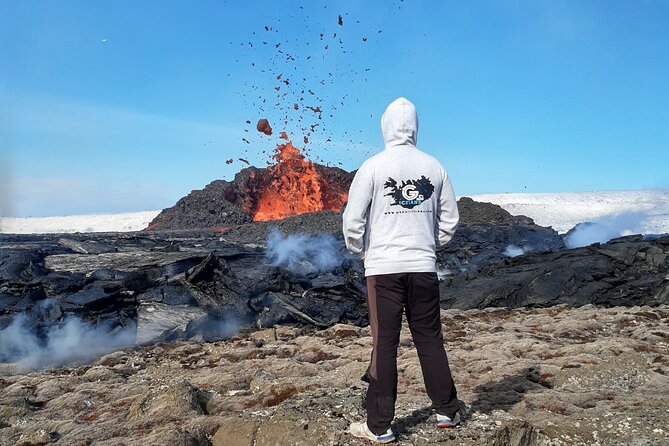
From reviews, there’s also a strong emphasis on getting close enough for photos of active volcanic features when conditions allow, plus seeing geothermal infrastructure. One review notes attention to dirt walls that defend the lagoon and mentions the geothermal power plant context, including a bore hole.
That matters if you care about how Iceland’s geothermal energy gets used, not just how it looks. It turns Blue Lagoon from a purely resort stop into a story about heat, engineering, and land.
A realistic expectation check: Blue Lagoon can involve crowds on your own time, but this tour’s strength is that it approaches the area with a different route and timing style than the typical grab-and-go plan. Still, the famous area is famous for a reason, so don’t expect total silence.
Weather-proof packing: what to wear for this rough-and-ready day
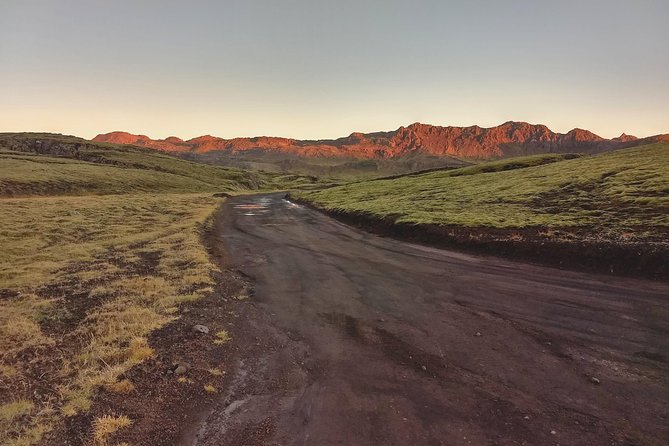
This is an Iceland day where the weather can change constantly. One review describes winds, snow, sun, rain, sleet, and hail shifting many times each hour. That kind of change is normal in the region, and this tour keeps moving through it.
The tour guidance is clear: hiking shoes, heavy-duty clothing, and layers for warmth. Based on the packing mindset from the reviews, I’d treat this like a “waterproof everything” situation: gloves, a hat, and a jacket that handles wind better than you think you need.
Also consider how you’ll handle cave conditions versus open-air geothermal stops. In the cave you’ll want footwear that grips and stays comfortable when you’re moving through uneven rock. Outside, you’ll want dryness and warmth because wet clothing in wind can steal your energy fast.
If you’re tempted to travel in soft sneakers or a light jacket, don’t. This is not the day for guessing.
How active is it, really?
The tour is described as requiring moderate physical fitness. You’ll be walking and hiking enough to count it as an active outing, and the cave portion is the most physical segment.
Reviews reinforce that it’s essentially a day where you get in and out, squeeze and crawl, and keep moving with safety in mind. One review even frames it as a full day, recommending that you clear dinner plans afterward and get a good night’s sleep.
On timing: listed duration is 8 to 9 hours. In practice, plan closer to a long day. If you’re connecting flights later the same evening, you should be cautious and leave a buffer.
For who it suits: people who enjoy hands-on experiences. A review included a family group with ages spanning from 13 to 53, which suggests the day can work for teens and adults when everyone is prepared and willing to hike and crawl safely.
For who it might not suit: anyone with limited mobility or anyone who hates tight spaces.
Price and value: why $270 can make sense here
The price is $270 per person. That number feels easier to swallow when you look at how the day is structured rather than just the ticket price.
First, multiple stops list admission as free: Leidarendi Cave, Kleifarvatn Lake, and the Seltún Geothermal Area. That reduces what you’d otherwise pay on top of the tour.
Second, pickup is included from a wide set of locations around Reykjavik and nearby towns. In Iceland, that can be a big deal because getting to the Reykjanes sites on your own can mean extra driving stress, timing worries, and weather-dependent routes.
Third, the group size is tiny: a maximum of 4 travelers. That’s not just a comfort upgrade. It often means more attention, better pacing in tricky areas like caves, and more time for questions.
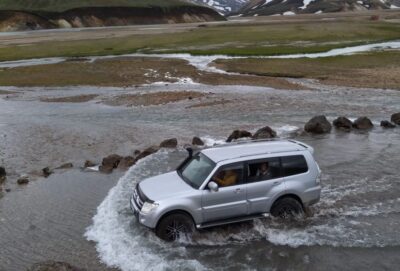
Finally, the guide value matters. Damian (and Premmi) show up in feedback for being informative, pleasant, and for helping the day run even when a 4×4 vehicle plan changes. You’re paying for problem-solving and local interpretation, not just transportation.
Should you book: who this tour fits best
This is a strong choice if you:
- want to go beyond the standard Reykjanes viewpoints and get into geology-focused places
- like small-group days with room to ask questions and move at a guided pace
- are comfortable with active conditions, layers, and a cave environment
- care about geothermal science and why these features look the way they do
It’s probably not the best match if you want a relaxed day with minimal walking, or if you know you’ll struggle in tight underground spaces.
Also, if you’re sensitive to weather, this still might work because the guide can tailor around conditions, but you should go in prepared. Iceland weather wins unless you dress like you’re ready for it.
FAQ
FAQ
What time does the tour start?
The start time is 8:30 am.
Does the tour include hotel pickup?
Yes. Pickup is offered in most locations at Reykjavik, Grindavik, Vogar, Sandgerdi, Gardur, Keflavik, and Hafnir.
How long is the tour?
It’s listed as 8 to 9 hours (approx.). Reviews also describe it as a full day depending on conditions.
What size is the group?
The tour has a maximum of 4 travelers.
Is the tour in English?
Yes, it’s offered in English.
What should I wear and bring?
You should have hiking shoes, heavy-duty clothing, and dress for harsh weather. The guidance also calls for clothing suitable for wind and cold.
Are the tickets included for the sites?
Admission is listed as free for Leidarendi Cave, Kleifarvatn Lake, and the Seltún Geothermal Area. For the Blue Lagoon area, one listed portion shows admission ticket not included, while another portion lists admission free, so double-check what’s included for your exact booking.
Is the tour physically demanding?
It’s described as requiring moderate physical fitness. You should expect hiking and a cave component, with recommendations that you wear proper footwear and be ready for active movement.
What happens if the weather is poor?
The experience requires good weather. If it’s canceled due to poor weather, you’ll be offered a different date or a full refund.
What if I need to cancel?
You can cancel for a full refund up to 24 hours before the experience’s start time.
Final call: book it or skip it?
If your goal is Iceland that feels hands-on and off the usual trail, I’d lean toward booking this. The combo of a long lava-tube stop, geothermal color, and a Blue Lagoon area visit with more context is a strong way to spend a day on Reykjanes without getting swallowed by crowds.
Skip it if you want easy walking, tight cave spaces are a deal-breaker, or you prefer a totally predictable, low-weather-risk schedule. But if you’re prepared to dress for everything and you’re excited by geology up close, this is the kind of day you’ll remember long after you leave the peninsula.