REVIEW · REYKJAVIK
Reykjavik: Best Value Whale Watching Boat Tour
Book on GetYourGuide →Operated by Reykjavik Sailors · Bookable on GetYourGuide
Whales show up when you’re patient. This Reykjavik boat trip heads out from the Old Harbour area into Faxaflói bay for a real shot at minke and humpback whales, plus dolphins and other sea life, with the comfort to stay warm when Iceland weather turns. I really like the practical setup: warm flotation overalls, heated indoor viewing space, and a boat that keeps you from getting “instantly cold” every time you want a better look.
The second thing I like is how the experience is run once you’re out there. Guides point out what to watch for and, based on consistent feedback, the operation aims to be careful around whales—one highlight I saw mentioned was not using sonar and not cutting across when animals are spotted. If your guide happens to be Lucas, his energy and enthusiasm can turn a simple sighting into a full story, complete with pointers on where to look and what behavior means.
One consideration: sightings are never guaranteed, and conditions can make the experience feel either cozy or very demanding. Some departures end with only one whale sighting (still amazing, but not what you paid for if you expected a constant parade), and on cold/rainy days the deck can be hard work unless you lean on the overalls and inside cabins.
In This Review
- Key things I’d bet on
- Starting in Reykjavik’s Old Harbour area: quick, clear, and built for movement
- Faxaflói bay cruise: where your “what if” becomes a checklist
- Why the captain’s positioning matters
- What you’re likely to see: interpreting blow, splash, and movement
- Old Harbour comfort: heated cabins, onboard bar, and the free overalls that save your trip
- How the onboard bar fits into the experience
- The guide experience: science talk, behavior clues, and a sense of care
- Itinerary flow: what each block of time really does for you
- Check-in and departure (Geirsgata 11)
- Time on Faxaflói bay (guided sailing + whale watching)
- Return (back to Geirsgata 11)
- Value for money: $103 for 3.5 hours of real-world wildlife searching
- When this tour is a great fit (and when it isn’t)
- Practical tips so you get the most from the trip
- Should you book this whale watching tour?
- FAQ
- What is the meeting point for the tour?
- How long is the whale watching tour?
- What animals might I see on this tour?
- Are warm overalls provided?
- Is food included in the price?
- What if we don’t see whales or dolphins?
- Can I bring pets?
- Is the tour wheelchair accessible?
Key things I’d bet on
- Warm overalls and heated indoor cabins keep you comfortable even when it’s nasty out.
- Expert guide commentary helps you spot wildlife instead of just hoping.
- Careful whale handling gets emphasized, including reports of no sonar and not cutting across whales.
- Faxaflói bay wildlife variety, from dolphins and porpoises to minke and humpbacks.
- Captain positioning for visibility, so you don’t just face one direction and wait.
- Free return ticket if no sightings, which helps soften the risk.
Starting in Reykjavik’s Old Harbour area: quick, clear, and built for movement
Most whale watching tours live or die by the first 15 minutes. Here, you’ll meet at Geirsgata 11 at the Special Tours office (check in at the corner). Plan on arriving about 30 minutes early. That buffer matters because you’ll want time to get oriented, grab the free gear, and settle in before you’re pushed out toward open water.
From there, the tour focuses on getting you into Faxaflói bay rather than spending the whole trip stuck near the harbor. That’s a good sign for value because whale watching time is the product you’re really buying. A 3.5-hour total tour with about 2.5 hours on the water means you’re not just touring the coastline—you’re actively looking.
Also, you should know this is an English-language live guide experience. If you want to understand what you’re seeing—blow timing, body shape differences, how dolphins move—you’re more likely to get it here than on tours that feel like a silent drive-by.
You can also read our reviews of more boat tours in Reykjavik


Faxaflói bay cruise: where your “what if” becomes a checklist
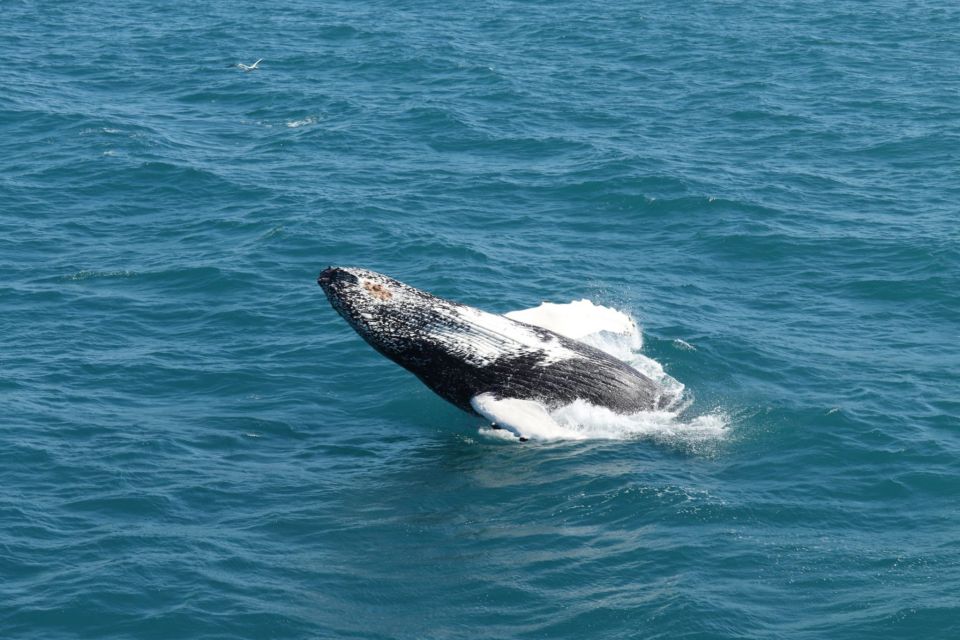
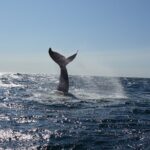
Once you head out, the tour becomes a rhythm: scan, watch, reposition, repeat. The boat runs through Faxaflói bay, and the goal is to find whales and dolphins in their natural environment. Species you may spot include:
- Minke whales
- Humpback whales
- Dolphins (including types mentioned in feedback like white-beaked dolphins)
- Harbour porpoises
- Killer whales (described as elusive in the tour details)
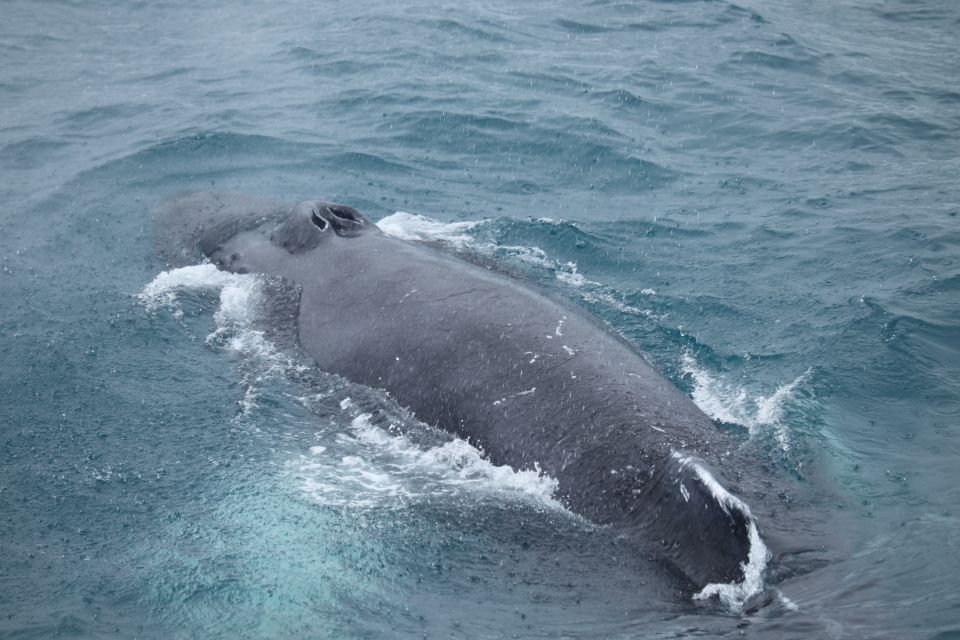
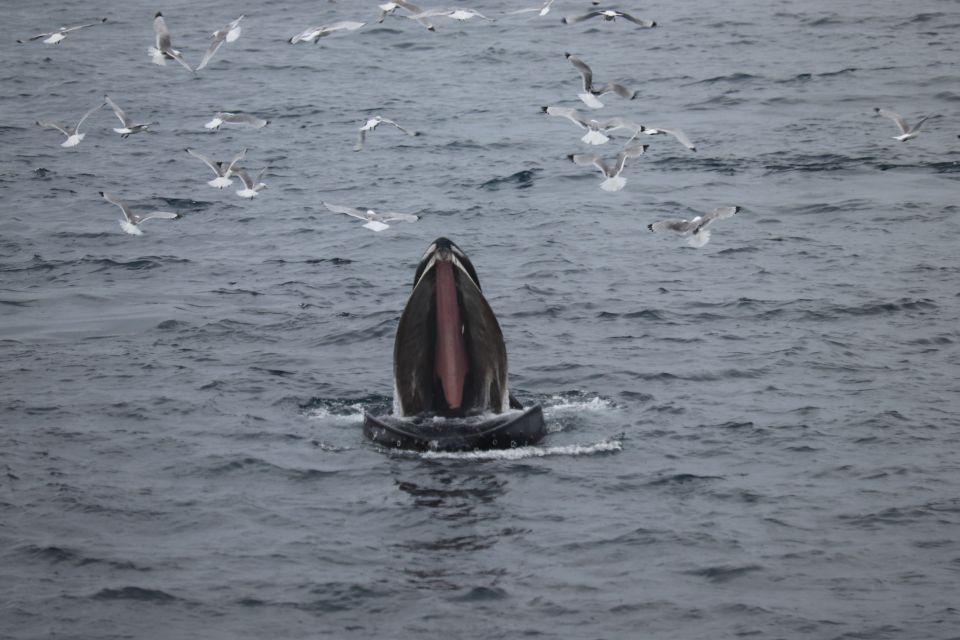
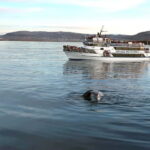
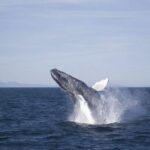
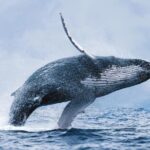
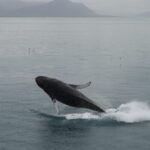
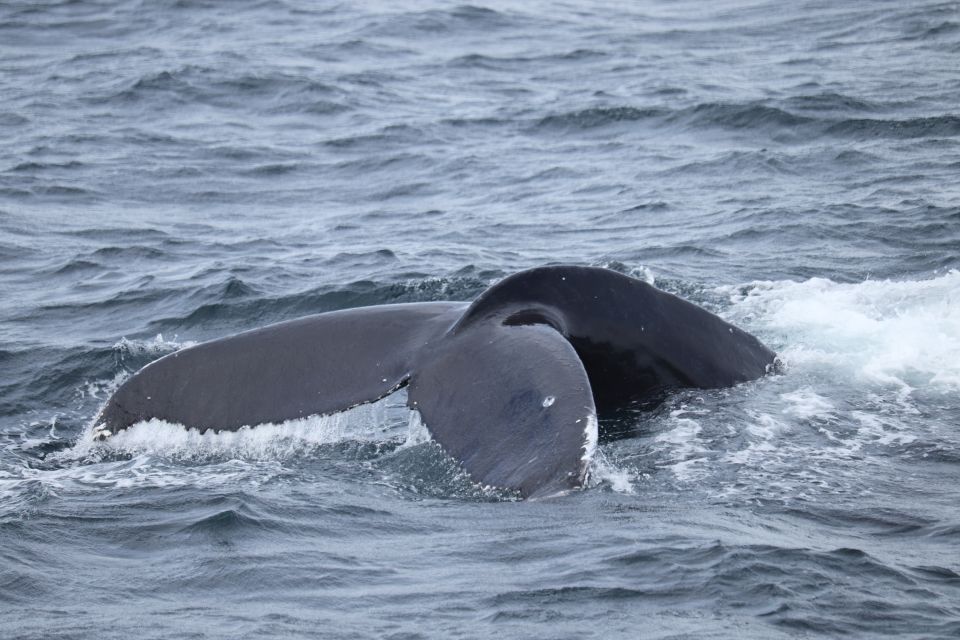
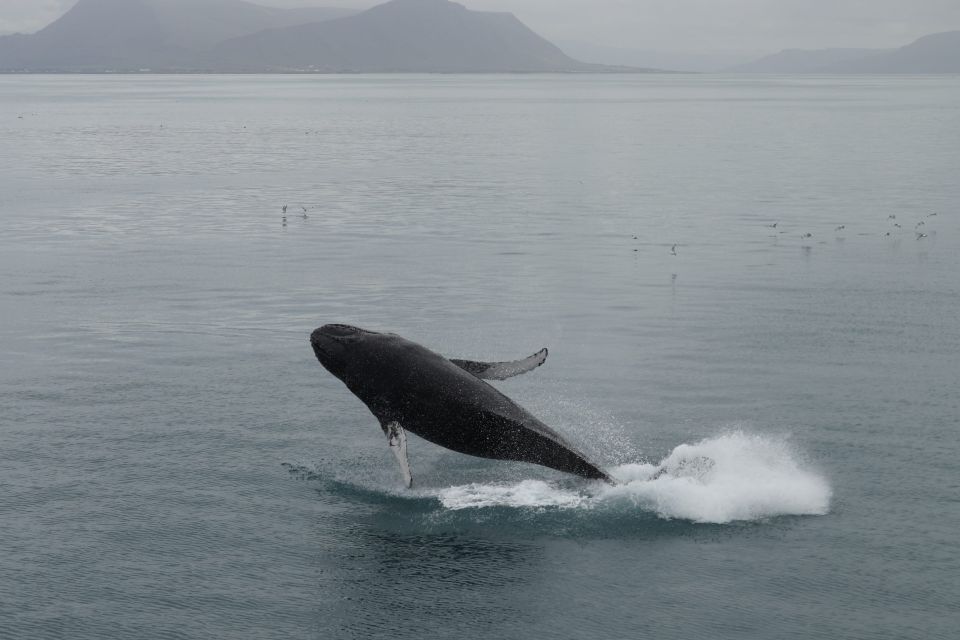
You’ll also have birdlife in the mix, and you can treat the trip like a moving wildlife walk. On days with calmer visibility, dolphins and porpoises can show up earlier, and whales often follow—at least that’s the pattern hinted at in multiple experiences shared afterward. Even when the number of whale sightings is limited, the quality of behavior can be spectacular: one humpback sighting was described as staying in view and diving repeatedly close to the boat, which is exactly the kind of “small count, big moment” you hope for.
Why the captain’s positioning matters
Several people noted that once a whale was spotted, the captain frequently repositioned the boat to improve viewing angles from different sides. That’s a big deal in practice. In a harbor of people chasing one side of the deck, your view can be blocked by others—or you can end up with nothing but sea spray in your camera lens. Better repositioning means you have a fair shot at seeing the whale without playing architectural chess with strangers.
It also makes the guide’s job easier. When animals come up near the boat, the guide can give you specific “look here” instruction. When the boat stays locked in one position, the guide can talk all day and you still won’t get much.
What you’re likely to see: interpreting blow, splash, and movement
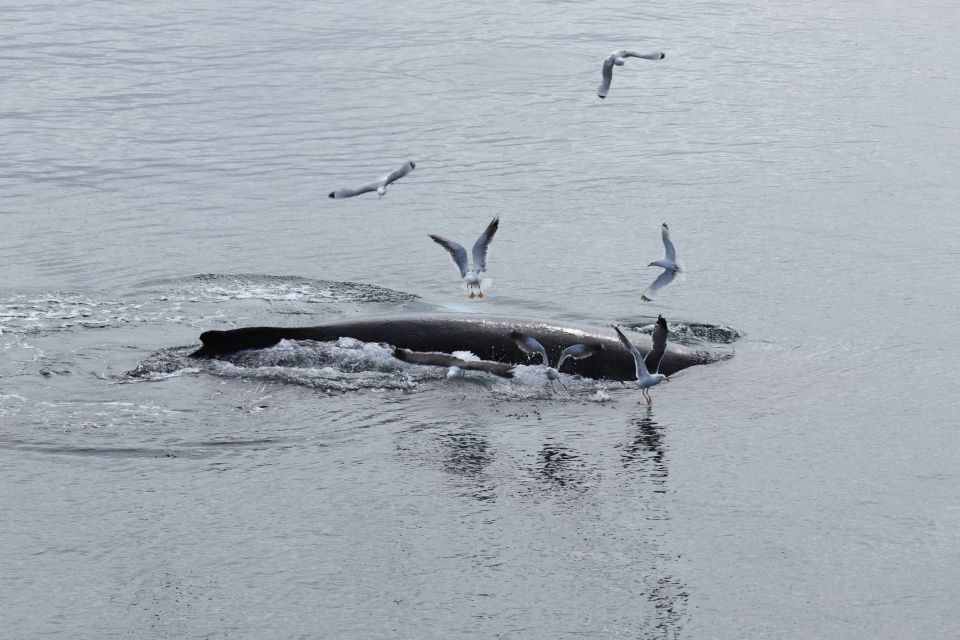
This isn’t just about spotting a whale like a distant landmark. The tour is set up so you learn what you’re looking at. Guides call out wildlife and answer questions, and the behavior can be the real show.
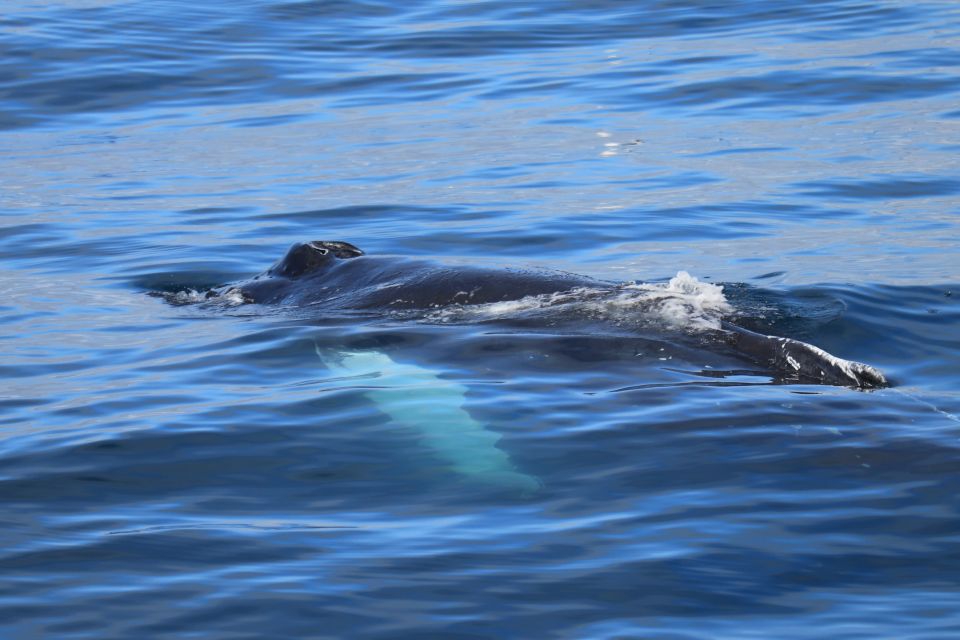
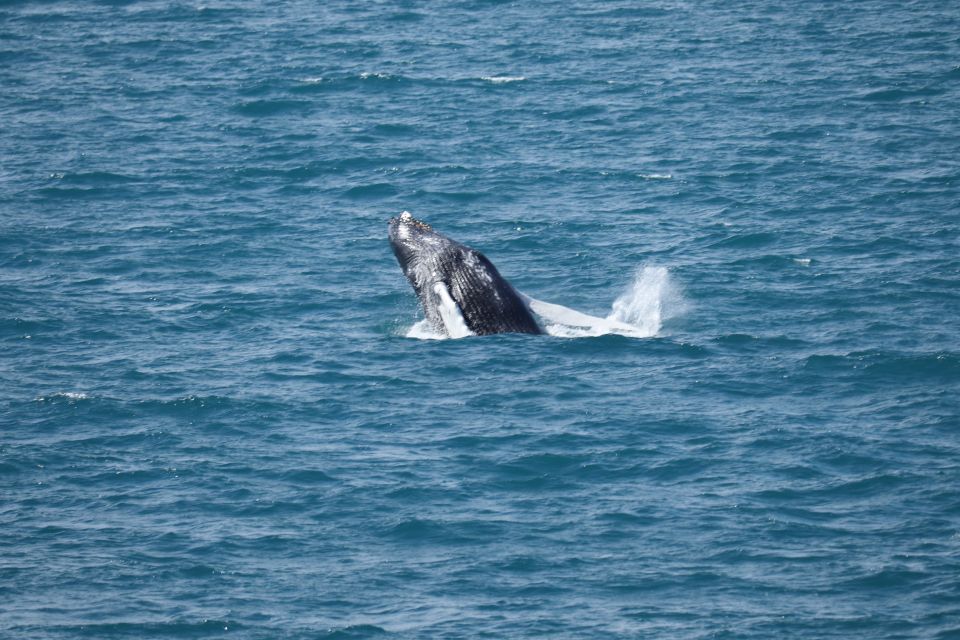
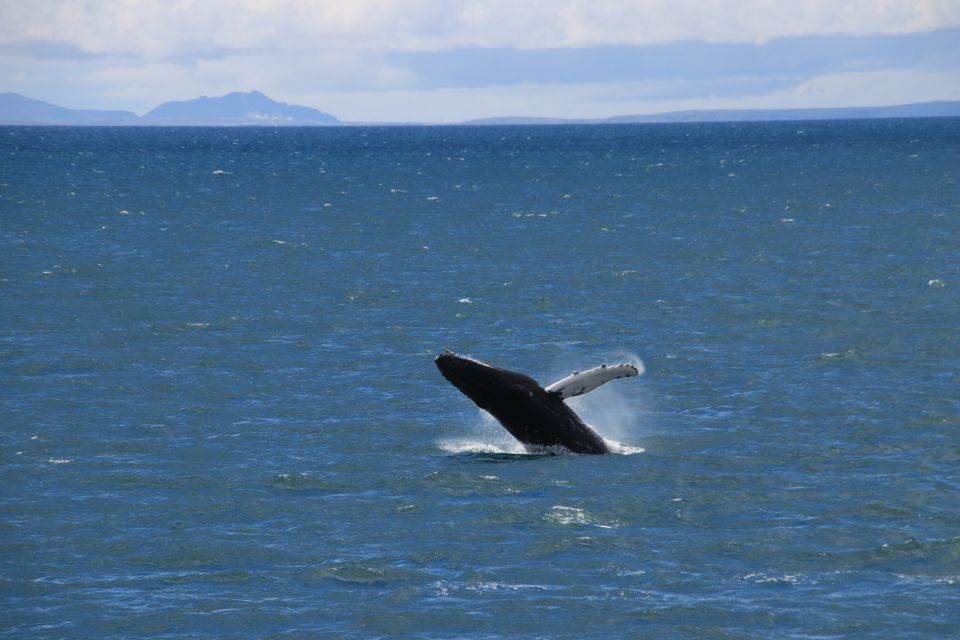
Based on feedback, humpbacks can surface repeatedly while you’re in the right spot. That repeated surfacing is what turns a sighting into an experience, because you get time to watch the animal’s pattern—surface, hold, move on, and sometimes create memorable moments like breaching or pectoral slaps (mentioned as part of what people saw on different dates).
Dolphins can be quicker and more visible than whales, and porpoises often show as fast, moving bodies that appear, disappear, and reappear. If you’re the type who gets impatient when you’re not seeing much, dolphins and birds can keep the trip feeling alive until whales show up.
And yes, sometimes you only see one whale. That can still be worth it if the whale is close and active. The key is to adjust expectations: this is a wildlife encounter, not a guaranteed animal parade.
Old Harbour comfort: heated cabins, onboard bar, and the free overalls that save your trip
Here’s the practical truth about Iceland whale watching: weather changes everything. You can dress for the cold, or you can dress for the cold and use the gear built into the tour. The big win is that the tour provides warm flotation overalls and you can keep switching between inside and outside viewing without feeling like you’re sacrificing comfort.
Multiple people specifically recommended wearing the provided overalls because without them you can end up damp, windy, and very cold. That tracks with what you’d expect in a Reykjavik departure—wet cold is the kind that drains you fast.
The boat also has:
- Spacious heated indoor cabins
- Toilet facilities
- An onboard bar
- Wi-Fi
I like the combination because it gives you options. If you’re bundled up but the deck still feels brutal, you can move inside, warm up, and come back when you hear spotting chatter.
You can also read our reviews of more whale watching tours in Reykjavik
How the onboard bar fits into the experience
If you’re tempted to think drinks are overpriced tourist fluff, you’ll be relieved to know the onboard bar felt relatively reasonable compared with nearby harbor cafés based on shared feedback. You can treat it as a practical comfort purchase, not a financial trap.
The guide experience: science talk, behavior clues, and a sense of care
The best guides don’t just point. They explain. You’ll get informative commentary from the guide team, and that’s where your viewing improves—because whales aren’t easy to find from a boat unless you know where to look and what behaviors matter.
Specific examples from feedback include:
- Guides watching for birds and wildlife while scanning the water
- Guides giving clear viewing direction, so you’re not just staring aimlessly
- A strong emphasis on whale-respecting behavior, including reports of not using sonar and not cutting across whales once spotted
Two guide names show up in the experiences shared: Lucas and Badger. Lucas was described as enthusiastic and passionate, especially when whales were seen and the group was warned about the rarity of certain behaviors. Badger was praised for being passionate about whales and providing learning moments, with extra help offered on conditions like cold and how to stay comfortable.
That guide energy matters because it turns a “maybe we’ll see something” trip into a “we understand what we’re looking at” trip.
Itinerary flow: what each block of time really does for you
The tour is straightforward: you meet, sail out, whale watch, and return to the same starting point.
Check-in and departure (Geirsgata 11)
This phase is about getting set up. Arrive early enough to check in, dress smart, and choose where you’ll watch from—inside for warmth, outside when conditions are good.
Time on Faxaflói bay (guided sailing + whale watching)
This is the heart of the tour. Roughly 2.5 hours is dedicated to spotting and positioning. That’s long enough to find dolphins and porpoises and still wait for whales, but it’s short enough that you aren’t stuck in discomfort for an all-day slog.
If you’re watching the clock, remember: whale behavior doesn’t follow schedules. The value is that the operator keeps searching and repositioning with the goal of getting you better chances.
Return (back to Geirsgata 11)
When you’re back, your trip ends without dragging you through additional stops. That makes this a good fit as a half-day anchor activity in Reykjavik, especially if you want to pair it with other town time and not spend your whole day in transit.
Value for money: $103 for 3.5 hours of real-world wildlife searching
At $103 per person for a 3.5-hour tour, this isn’t bargain-bin tourism. But whale watching in Iceland isn’t the kind of activity where price is only about time—it’s about risk, fuel, search effort, and boat readiness in rough conditions.
Here’s where the value shows up:
- You get warm overalls plus a heated cabin, so you’re not paying extra for comfort gear.
- You get guide commentary that improves your odds of spotting and understanding.
- You get seasickness tablets if needed, and that’s genuinely useful when wind and swells aren’t cooperating.
- You get a ticket to join again if there are no sightings. That turns an uncertain product into one with a safety net.
Is it expensive? Yes. But it can be good value if you treat it as a wildlife experience and accept that the ocean decides the headline. If you’re the type who needs five whale sightings for the price to feel “worth it,” you may walk away disappointed even with a good operator.
When this tour is a great fit (and when it isn’t)
This is best for you if:
- You want a structured, guided whale watching experience rather than wandering and hoping
- You care about staying warm (and you’ll actually use the free overalls)
- You like learning while you watch animals in motion
- You’re planning a half-day activity in Reykjavik and want it close to downtown
It may not suit you as well if:
- You hate crowds and get annoyed when decks feel packed (one shared note flagged crowding)
- You’re extremely sensitive to cold and plan to stay outside constantly
- You’re only satisfied by a specific number of whale sightings
Practical tips so you get the most from the trip
A few things make a visible difference on this kind of boat tour:
- Wear the overalls even if you think it looks like overkill. Damp wind-cold is sneaky in Reykjavik.
- Plan to split time between inside and outside. Inside keeps you functional; outside gives you the best sightlines when animals surface.
- Bring weather-appropriate clothing. The overalls help a lot, but you still need layers under them.
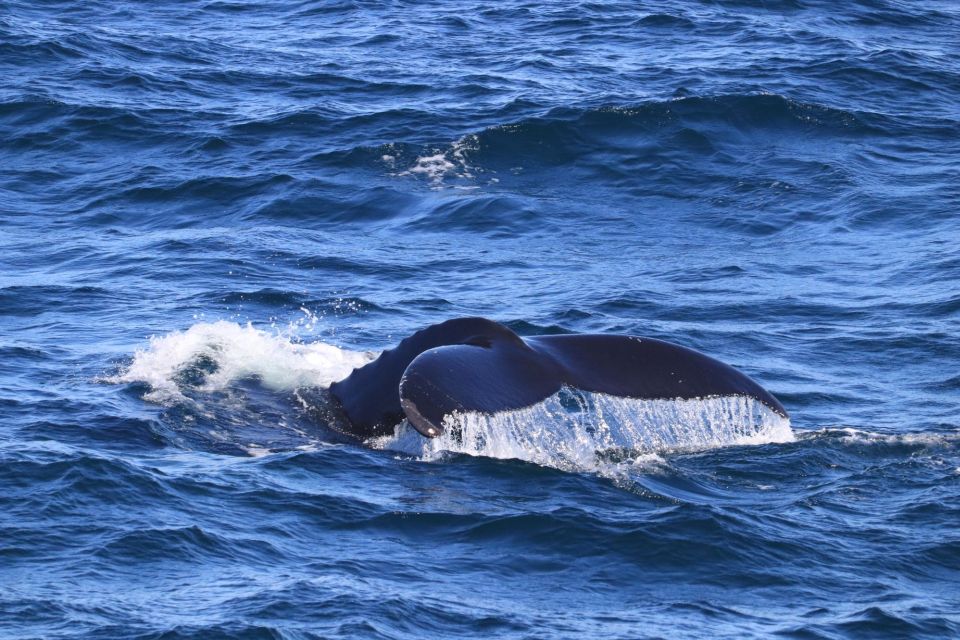
- Have a camera ready but manage your breathing. When whales surface close, you’ll want stability more than panic zooming.
- Expect variable sightings. One humpback close up can outperform five far away.
Also, the operator mentions that for environmental reasons, during certain times of the year trips may be on a shared boat with another activity partner. That can affect crowding, so if you dislike that kind of mix, choose your timing carefully.
Should you book this whale watching tour?
My take: if you’re in Reykjavik and want a serious shot at Iceland’s marine wildlife without turning the day into logistics homework, this is a strong option for your money.
Book it if you:
- want heated comfort + free overalls
- appreciate guides who explain behavior (and not just spot “a whale-shaped dot”)
- can handle the normal wildlife reality that sightings can vary
Skip it or at least rethink if you:
- are planning this as a guaranteed animal checklist
- know you’ll be miserable in cold and won’t use the inside cabins
- hate crowded decks
If you do book, go in with the right mindset: you’re buying time on the water, expert scanning, and a chance at close wildlife. When the ocean cooperates, the payoff is the kind of memory you’ll carry long after the wind has dried off your socks.
FAQ
What is the meeting point for the tour?
You meet at Geirsgata 11, with check-in at the Special Tours office at the corner.
How long is the whale watching tour?
The tour lasts 3.5 hours total, with about 2.5 hours spent on the guided sailing and whale watching.
What animals might I see on this tour?
You may see minke whales, humpback whales, and dolphins, along with other species like harbour porpoises. Killer whales are also mentioned as possible but elusive.
Are warm overalls provided?
Yes. The tour includes warm flotation overalls. You should use them, especially in cold or windy conditions.
Is food included in the price?
No. Food and drink are not included, but you can purchase them onboard.
What if we don’t see whales or dolphins?
The tour includes a ticket to join again in case of no sightings.
Can I bring pets?
No. Pets are not allowed on the tour.
Is the tour wheelchair accessible?
Yes. The activity is listed as wheelchair accessible.