REVIEW · REYKJAVIK
Reykjavik City Card 24-hour
Book on Viator →Operated by Visit Reykjavik · Bookable on Viator
Running out of time in Reykjavik? This 24-hour City Card is built for fast-paced sightseeing, with admission to top museums and hot springs-style public pools. It also lets you choose your own pace instead of following a strict itinerary, which is a lifesaver when weather, lines, or opening hours don’t cooperate.
The two biggest perks I like: first, the variety. You can bounce from Icelandic art to settlement history to photography, then cool off in geothermal pools. Second, transport is covered through Straeto bus fares, which helps connect neighborhoods without constantly paying extra. One drawback to plan for: the bus can be less helpful than you hope if the stops are awkward for where you want to go next, so you’ll still want to group stops by area and be ready to walk.
In This Review
- Key points before you plan your day
- Price and what the $47.88 really buys
- How to use the City Card without feeling rushed
- National Gallery of Iceland: art that frames the whole country
- Reykjavik Art Museum Hafnarhús: contemporary art in an old harbor warehouse
- National Museum of Iceland and the Settlement Exhibition: Iceland’s origin story
- Reykjavik Maritime Museum: fishery history in the right setting
- Árbær Open Air Museum: step into everyday life as it used to be
- Reykjavik Museum of Photography: Iceland through a lens
- Kjarvalsstaðir: Nordic modernism plus a major Icelandic artist
- Ásmundarsafn (Reykjavik Art Museum – Asmundarsafn): sculptures in a dome
- Gerðarsafn (Kópavogur) and the Natural History Museum: modern art and Iceland’s science side
- Culture House and small museum spaces: points of view without a time dump
- Hafnarfjörður detour: quick culture in the area beyond central Reykjavík
- Videy Island ferry: nature and modern art, with a winter planning wrinkle
- Thermal pools: the real Reykjavik payoff for your included time
- Reykjavik Family park and zoo: more than a quick animal stop
- Straeto bus and city movement: when it helps, when walking wins
- Who this card fits best
- Should you book the Reykjavik City Card 24-hour?
- FAQ
- What’s included with the Reykjavik City Card 24-hour?
- Do I need to pick up a physical card?
- Which bus service does the card cover?
- Are there thermal pools included?
- Is Videy Island included, and how do I get there?
- What museum types can I visit with this card?
- What hours should I plan around?
Key points before you plan your day
- 24 hours of choice: pick only the sights that match your mood, not someone else’s schedule
- Museums + pools in one swipe: you can stack indoor and geothermal stops back-to-back
- Straeto bus fares included: helpful for longer hops, especially when sidewalks are icy
- Videy Island is included, but timing matters: in winter, getting to the ferry pier may take extra effort
- Some venues have late openings: certain museums open later in the day, so start with what you can guarantee
Price and what the $47.88 really buys
At about $47.88 per person, this card only makes sense if you actually use it to “pay once, see many.” The value comes from stacking admissions that are normally separate costs: a zoo and family park, multiple museums across Reykjavík and nearby areas, and access to city geothermal pools.
If you’re the type who can comfortably fit 3–5 paid stops in a day (museums or museum + pool), the math usually works out well. But if you end up doing just one or two small venues, you can feel like you paid for a lot of unused options. The sweet spot is obvious: treat the card like a menu, then order a few big items, not just snacks.
Also note: the digital voucher doesn’t function like the final “card.” You’ll need to swap your voucher for the City Card at museums in Reykjavík before the admissions start working. That means you should plan to pick it up early rather than late-afternoon.
You can also read our reviews of more city tours in Reykjavik



How to use the City Card without feeling rushed
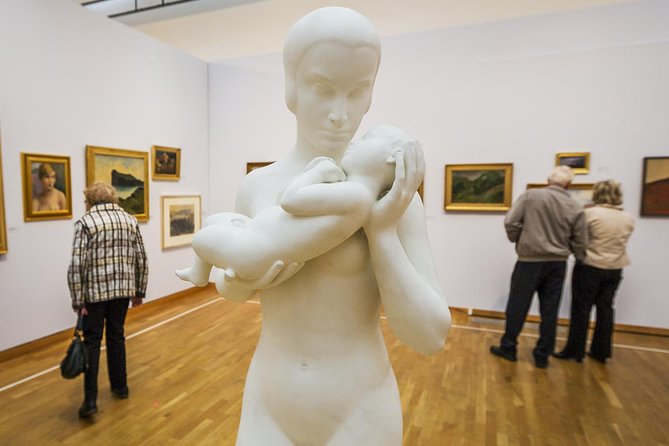
This is a 24-hour card, but the practical goal is to set up your day like a chain. Pick one neighborhood cluster for museums, then add one or two “anchors” that require more time—like an open-air museum or a pool session.
In Reykjavík, timing matters because museums don’t run all day. Many tend to be open only during standard daytime hours, and a few can open later than you expect. So I recommend you start your plan with the places that open earliest, then fill the gaps with indoor options nearby.
National Gallery of Iceland: art that frames the whole country
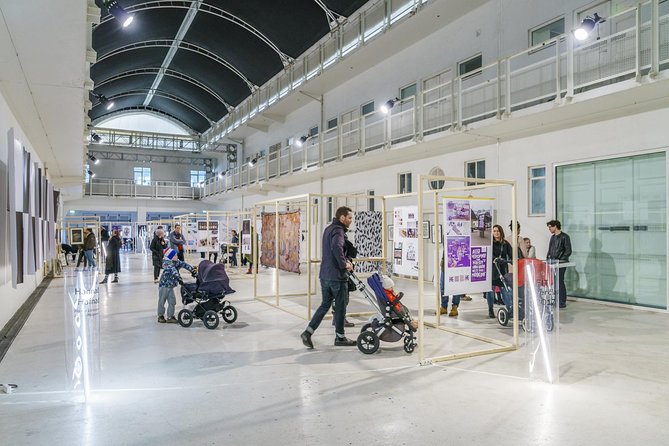
Your downtown art/history day often starts well with the National Gallery of Iceland (Listasafn Íslands). It focuses strongly on 19th- and 20th-century Icelandic art, but it also includes internationally famous names like Pablo Picasso, Edward Munch, Karel Appel, and others in the mix.
Why I think it’s a great first stop: it gives you context fast. If you’ve never seen Icelandic art collections before, this is one of the quickest ways to understand how artists translated the country into images, not just landscape descriptions. Plan for about an hour. If you try to rush through everything, it’s easy to miss the connections between the national collection and the international works.
Reykjavik Art Museum Hafnarhús: contemporary art in an old harbor warehouse
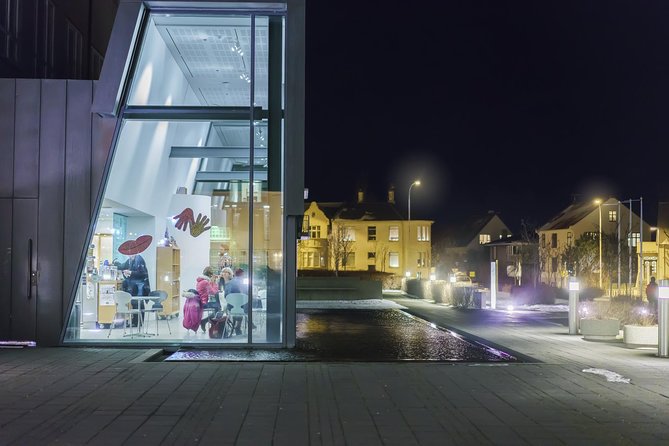
Next up is Hafnarhús, Reykjavík Art Museum’s venue in an old harbour warehouse in one of the city’s oldest areas. This place runs progressive exhibitions across several galleries, mixing local and international contemporary artists. It’s also home to works by Erró, a major figure in the international pop art scene.
What makes this stop work well with the City Card: you can keep your day interesting even if you’re not a “museum all day” person. Hafnarhús feels more modern and rotating than a fixed collection museum, so your time goes toward what’s actually on view now. Budget about two hours if you like to linger; if you’re short on time, you can still make it meaningful in less.
National Museum of Iceland and the Settlement Exhibition: Iceland’s origin story
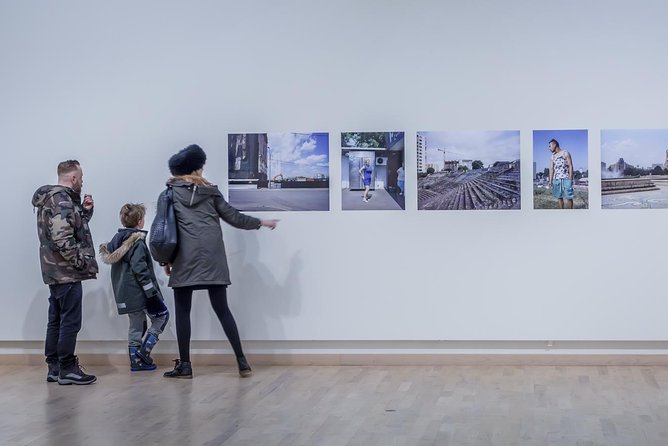
If you want the clearest storyline for Reykjavík and Iceland, combine the National Museum of Iceland with the Settlement Exhibition (Reykjavik 871±2). The National Museum covers Icelandic cultural history and invites you to think about past, present, and future. It’s free with the card, and it’s designed to be more than a list of objects.
The Settlement Exhibition is a focused, archaeology-driven look at early Reykjavík life. The centerpiece is an excavated hall that was inhabited around 930–1000, with remnants of turf walls built shortly before 871. It’s one of the oldest man-made structures found in Iceland so far, which gives the stop real weight.
This combo works even if you only have half a day. If you’re really time-tight, you can see a lot quickly because the exhibits are concentrated. The only catch is your momentum: these two stops can take you from “wow, history” into “I need a change of pace,” so don’t put them back-to-back with another dense museum unless you’re in the zone.


Reykjavik Maritime Museum: fishery history in the right setting
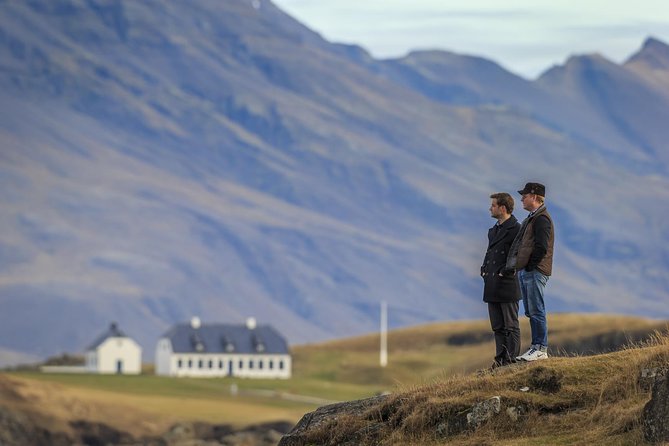
Reykjavik Maritime Museum focuses on 150 years of fisheries, told through Reykjavík’s role as the country’s biggest fishing port. The setting helps: the building once housed a fish factory, so the museum isn’t just talking about industry, it’s placed where that industry operated.
This is a great choice if you want variety from art and archaeology. It’s still cultural history, just told through work, trade, and everyday life at sea. About an hour is usually enough.
Árbær Open Air Museum: step into everyday life as it used to be
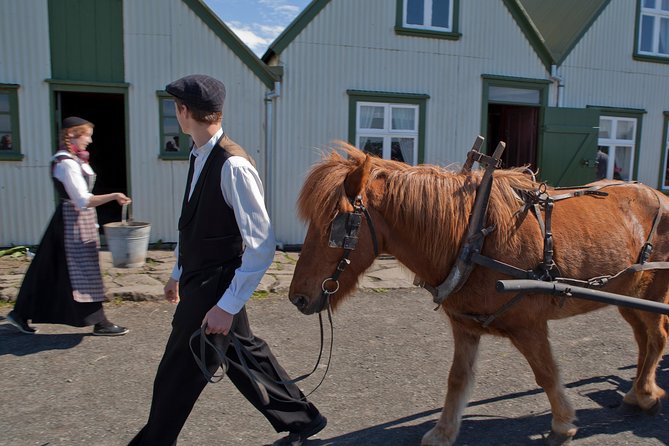
Árbær (Árbær Open Air Museum) is a different kind of museum day. It’s an open-air setup with more than 20 buildings forming a farm, village, and town square. Many structures were moved from central Reykjavík, and the farm was active well into the 20th century before the museum opened in 1957.
This is the stop I’d choose when the weather is bad and you want something that still feels real. You get to “walk through” history, not just look at it behind glass. Plan closer to three hours. It’s the kind of place where you’ll keep noticing details as you go.
Reykjavik Museum of Photography: Iceland through a lens
Reykjavik Museum of Photography offers exhibitions that connect Icelandic photography with works by foreign photographers. The museum also provides social and cultural context, which is useful if photography isn’t just your hobby—it’s how you read a place.
A practical warning: plan your timing carefully. One day-based tip from experience is that the museum may not open until 13:00, so if you’re building a tight schedule, don’t schedule it first thing unless you’ve confirmed hours for your exact day.
Kjarvalsstaðir: Nordic modernism plus a major Icelandic artist
Kjarvalsstaðir is dedicated to Jóhannes S. Kjarval and focuses on paintings and sculptures by established masters of modern art. The building is a strong reason to go even if you’re not obsessed with art trivia: it’s Nordic modernism with floor-to-ceiling windows looking toward Klambratún Park.
This is the kind of stop that makes Reykjavík feel like a lived-in modern city, not just a gateway to nature. Budget about an hour, and give yourself a little time to enjoy the building and views outside the galleries.
Ásmundarsafn (Reykjavik Art Museum – Asmundarsafn): sculptures in a dome
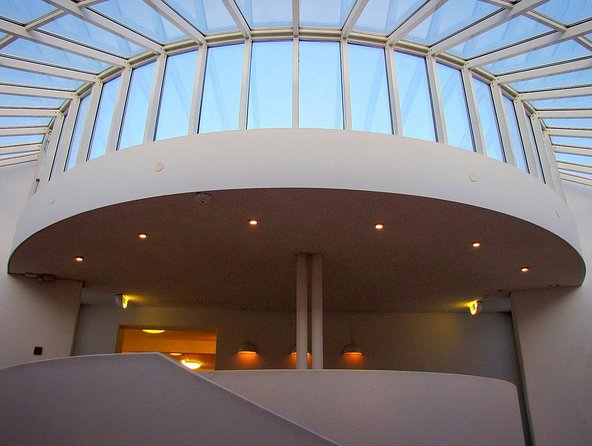
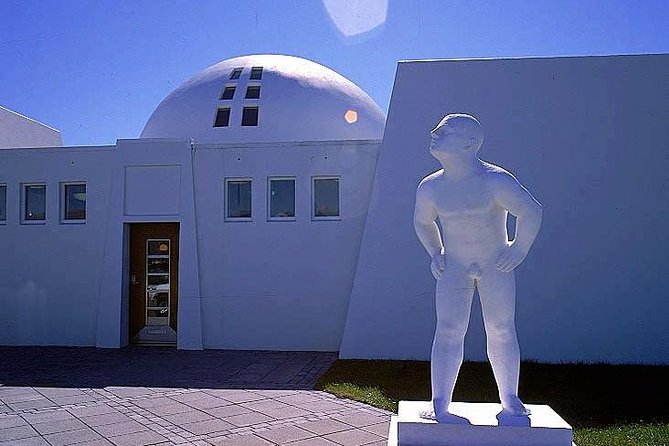
Ásmundarsafn is tied to sculptor Ásmundur Sveinsson, who designed, worked in, and lived in the building before it became part of the Reykjavík Art Museum. The white dome structure is surrounded by Sveinsson’s sculptures, including both heavier earlier works and lighter abstract compositions. Inside, the artist’s design is inspired by vernacular Mediterranean architecture, which creates a striking mix.
It’s not a huge time sink. Think about an hour. If you enjoy sculpture or architectural spaces, it’s also a great “mental reset” between museum types.
Gerðarsafn (Kópavogur) and the Natural History Museum: modern art and Iceland’s science side
Gerðarsafn in Kópavogur leans into modern and contemporary art through temporary exhibitions and parts of the museum collection. It’s also tied to the fact the museum was built in honor of a female artist, which shapes its identity. About an hour should fit easily.
Right next door (in the sense of staying within your day’s radius) is the Natural History Museum of Kópavogur, split into geological and zoological sections. The geology covers Iceland’s formation, rocks, and minerals. The zoology side focuses mostly on Icelandic birds, mammals, fish, and invertebrates. If you request staff guidance, it’s free and can be adapted to your interests and language.
These two stops are a nice pairing if you want your day to cover art and science without feeling repetitive. I’d still watch your total time, because museums stack fast once you start adding “just one more.”
Culture House and small museum spaces: points of view without a time dump
The Culture House has a permanent exhibition called Points of View, covering the visual world of Iceland by bringing together collections from six major Icelandic cultural institutions. The museum mixes artworks with objects, books, and maps in thematic groupings.
There’s also Aðalstræti 10, part of Reykjavík City Museum across five unique places, with about 30 minutes of time expected here. This is useful if you want variety without committing to a full hour-long museum.
Hafnarfjörður detour: quick culture in the area beyond central Reykjavík
Two of the card’s free stops point you toward Hafnarfjörður (Reykjavík area culture and fine art): Hafnarborg and the Hafnarfjörður Museum. Hafnarborg is a 30-minute fine art museum stop, and Hafnarfjörður Museum gives regional history across several buildings for about an hour.
I like this detour because it breaks the “everything in Reykjavík downtown” routine. But keep it realistic: with a 24-hour window, you’ll do best when you treat these as add-ons to a day route, not the core of your plan.
Videy Island ferry: nature and modern art, with a winter planning wrinkle
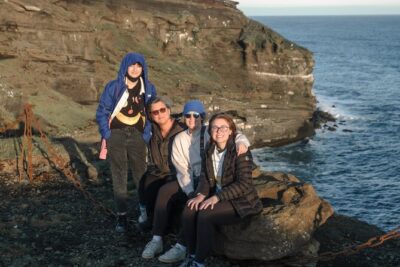
Videy Island is one of the more memorable inclusions because it mixes unspoiled nature with modern art installations and strong bird life. The card includes the ferry, and the time you set aside can be flexible depending on what you want to linger for.
Here’s the important practical catch: if you’re visiting in winter, the ferry pier logistics may not be as simple as you’d like. One experience-based tip is that the bus didn’t reach Skarfabakki Pier, the relevant ferry departure point in December, which can mean a taxi. In that situation, the taxi cost can be significant, and drivers may not be familiar with the exact ferry terminal.
My advice: if you’re going to Videy Island in cold months, give yourself extra time and confirm the route to the pier ahead of your day. If you’re not trying to be efficient, this island is still worth it; if you’re trying to squeeze in ten things, it can become the one headache that ruins the schedule.
Thermal pools: the real Reykjavik payoff for your included time
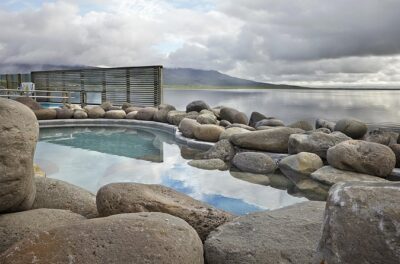
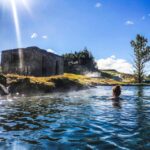
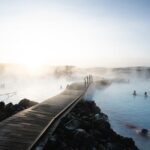
Public thermal pools are where the City Card can feel like a bargain. Reykjavík runs multiple sundlaugar, heated with geothermal water, with steam baths, saunas, hot tubs, and jacuzzis. Safety training is part of how these pools operate, which matters when you’re hopping between locations.
You’ll find several pool options included with the card, and some are listed as free entry while others are included admissions. The names you can work into your plan include Grafarvogslaug, Arbaejarlaug swimming pool, Laugardalslaug, Breiðholtslaug, Dalslaug, Klébergslaug, Sundhollin Public Baths, and Vesturbaejarlaug.
Practical strategy: use pools as your “buffer” between museums. They add a real Reykjavík experience that isn’t just another indoor room, and they can reset you when you’re tired of moving. Also, don’t assume you’ll love every pool. Pick one as your main session and use the card’s other pool choices only if your schedule stays smooth.
Reykjavik Family park and zoo: more than a quick animal stop
The zoo and family park is included with the card, and it’s a strong option even if you think you only want farm animals. The place includes Icelandic farm animals, wildlife mammals, plus a small exhibition of reptiles, amphibians, and insects. That mix makes it less predictable than a basic kids’ zoo.
It’s also described as fun year-round. Playgrounds and outdoor features like castles and zip-lines are mentioned as open in summertime and on weekends during winter, weather permitting. That’s a reminder to check conditions if your trip is in the colder months, because weather can close outdoor sections even if the idea is family-friendly.
Plan about two hours. If you go faster, you’ll still have time for a pool afterward, which is exactly what I’d do to balance animals with Reykjavik’s geothermal rhythm.
Straeto bus and city movement: when it helps, when walking wins
The card includes public bus transportation fares using Straeto buses in Reykjavík. In theory, that can connect you to museums across town without stress. In practice, I’d treat the bus as support, not a guarantee.
One common issue is that bus stations you can use easily may cluster around downtown, which can make cross-city connections slower than expected. A second issue is that you may run into schedule friction, where waits don’t match your museum timing. Also, bus drivers may not speak English well, so don’t rely on perfect help during transfers.
My go-to tactic: group stops by neighborhood. Walk between nearby museum clusters, then use the bus only for the longer jumps. That keeps your day flexible and cuts down the odds you lose an hour to transit when the museum closes at 5 or opens later than expected.
Who this card fits best
This City Card works best for time-tight visitors who want value from multiple admissions in a short window. It’s especially good if you like art and museums but also want a true Reykjavík moment that isn’t just sightseeing from a sidewalk.
It can be less satisfying if your travel style is slow and you only want one big destination. It may also feel frustrating in winter if outdoor parts like the zoo or specific ferry pier logistics don’t line up with bus coverage, which can add cost or time.
Should you book the Reykjavik City Card 24-hour?
If you’re aiming to hit several museums plus at least one thermal pool (and optionally Videy Island), I’d book it. The price is reasonable when you use the bundled admissions, and the choice-based format helps you adapt if a venue isn’t what you expected.
If you want one or two stops only, or you’re traveling in winter with a tight timeline and no buffer for ferry/pier access, I’d be cautious. In that case, consider doing fewer, high-confidence venues you know are open and reachable on your route.
Overall, this card is a smart tool for building a full Reykjavík day fast. Just plan it like a route, not like a checklist.
FAQ
What’s included with the Reykjavik City Card 24-hour?
The card includes admission to the zoo and family park, admission to several museums, public bus fares, and admission to several thermal pools. It also includes admission to the ferry ride to Videy Island.
Do I need to pick up a physical card?
Yes. You’ll need to swap your digital voucher for the City Card at museums in Reykjavík.
Which bus service does the card cover?
The card includes public bus fares using the Straeto bus in Reykjavík.
Are there thermal pools included?
Yes. The card provides admission to multiple Reykjavík public thermal pools, with several specific pool options listed as included or free with the card.
Is Videy Island included, and how do I get there?
The ferry to Videy Island is included. However, winter ferry pier access may be tricky, and you might need an alternative way to reach the departure point depending on the bus route.
What museum types can I visit with this card?
You can access a mix of museums such as art museums, the National Gallery of Iceland, the National Museum of Iceland, photography, maritime history, an open-air museum, and small museum/exhibition spaces.
What hours should I plan around?
The card pickup hours are listed as Monday to Friday, 9:00 AM to 10:00 PM, and many museums operate only during daytime hours. Plan your day around the opening times of the specific venues you want.