REVIEW · REYKJAVIK
Reykjavik: the Original 3-Hour Whale Watching Tour
Book on GetYourGuide →Operated by Elding Adventure at Sea · Bookable on GetYourGuide
Whales are the point here. This 3-hour cruise out of Reykjavik is built around close-up whale encounters with a responsible, certified whale-watching operation, and the chances are strong year-round. One thing to plan for: the best forward-deck viewing can be seriously cold, and in some windier moments you may not hear the guide as clearly as you’d like.
You cruise into Faxaflói bay from the Old Harbor, scanning for humpback and minke whales, plus dolphins, harbour porpoises, and plenty of seabirds. The tour runs with live, on-the-water commentary from a specially trained marine biologist guide, and you can also check the online Whale Diary to track what’s been spotted in the area.
Before you set off, you can drop into the whale-watching center to get your bearings, watch videos, and look at information displays and skeletons (and yes, there are gifts). With the included sighting guarantee (or try again for free), this is also one of those rare tours where you’re not just buying a gamble and hoping for the best.
In This Review
- Key things to know before you sail
- Where this tour happens: Old Harbor to Faxaflói Bay in 3 hours
- What you’ll spot (and what “close” usually means on this cruise)
- The boat experience: decks, warmth, and how to choose your spot
- The marine biologist commentary and the Whale Diary advantage
- Responsible whale watching: what they do to protect the animals
- The 3-hour flow: center before the boat, search at sea, warm-up reality check
- What’s included (and how it affects your trip budget)
- Who this tour suits best (and who should set expectations)
- Price and logistics: the small details that really matter
- Should you book the Reykjavik original 3-hour whale tour?
- FAQ
- How long is the Reykjavik whale watching tour?
- How much does it cost?
- Where do I meet the tour?
- What animals might I see?
- Are whales seen often on this tour?
- Is a sighting guarantee included?
- What’s included with my ticket?
- Is food and drink included?
- What language is the live guide?
- Does the tour include winter?
Key things to know before you sail
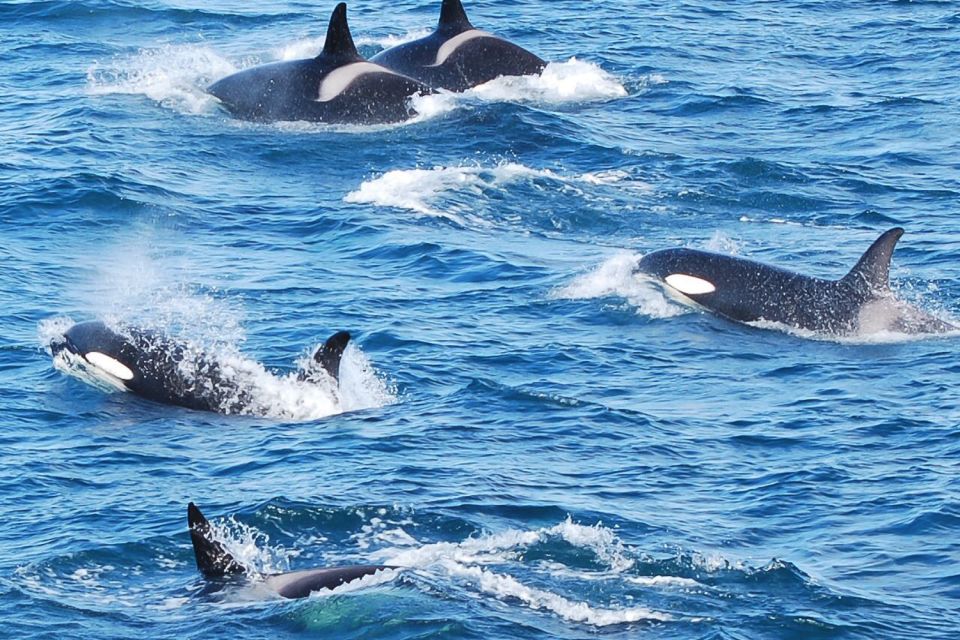
- More than 90% whale sighting rate: The company targets whale encounters on the vast majority of departures.
- Faxaflói Bay, right off Reykjavik: You’re not driving for hours first. You’re already in prime-looking water soon after boarding.
- Marine biologist guide on board: Live commentary is a big part of the value, not an afterthought.
- Warm overalls and real help staying comfortable: Gear is provided, and you’ll often find free motion-sickness tablets as well.
- Whale Diary updates: You can monitor sightings ahead of time so you know what the crew is likely chasing.
- Responsible whale-watching code: They keep distance and follow rules designed to avoid disturbing wildlife.
Where this tour happens: Old Harbor to Faxaflói Bay in 3 hours
Reykjavik’s Old Harbor is where the action starts. You’ll check in at the red Elding ticket office, then get ready for a cruise that stays focused on the same goal: whales off the Reykjavik coast in Faxaflói bay.
The route matters because Faxaflói isn’t a generic coastline spot. Ocean currents there are part of why whale watching can be so productive, and the tour’s “look all year round” approach matches that. In practice, that means you’re not waiting for one season’s perfect conditions; you’re going into a system that tends to produce sightings across winter and summer.
The timing is also pretty traveler-friendly. Three hours on the water gives you enough time to search, reposition when whales surface, and actually enjoy the experience instead of feeling like you’re racing the clock. It’s long enough to get cold-weather gear to feel worth it, but short enough that you can still build the rest of your Reykjavik day around it.
You can also read our reviews of more whale watching tours in Reykjavik

What you’ll spot (and what “close” usually means on this cruise)
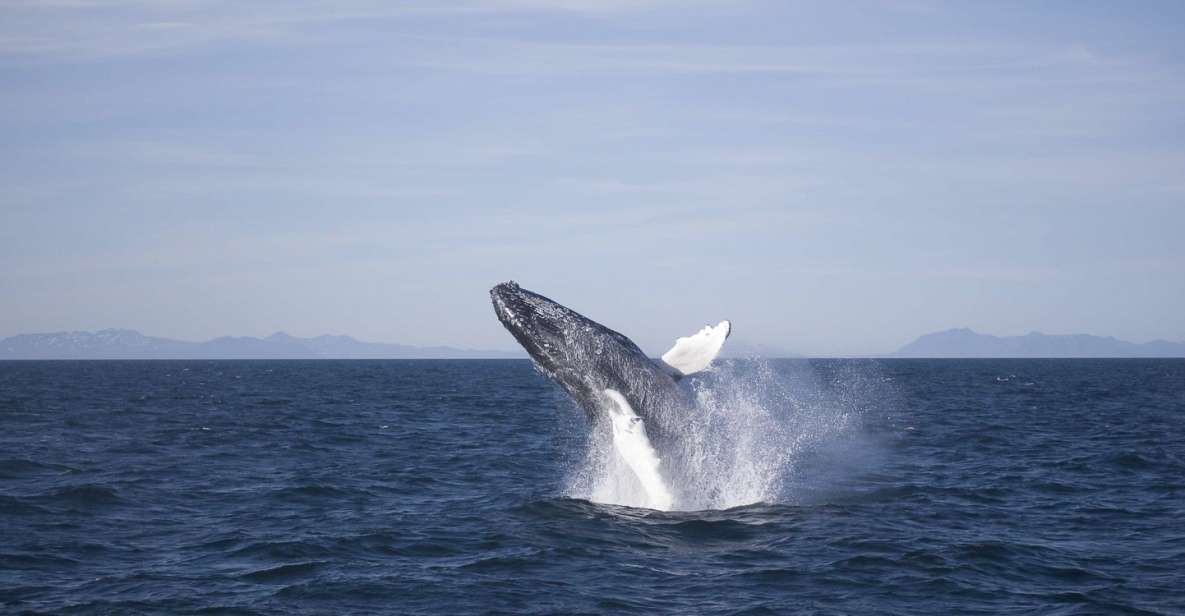
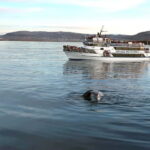
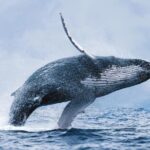
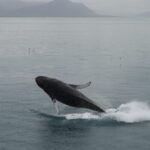
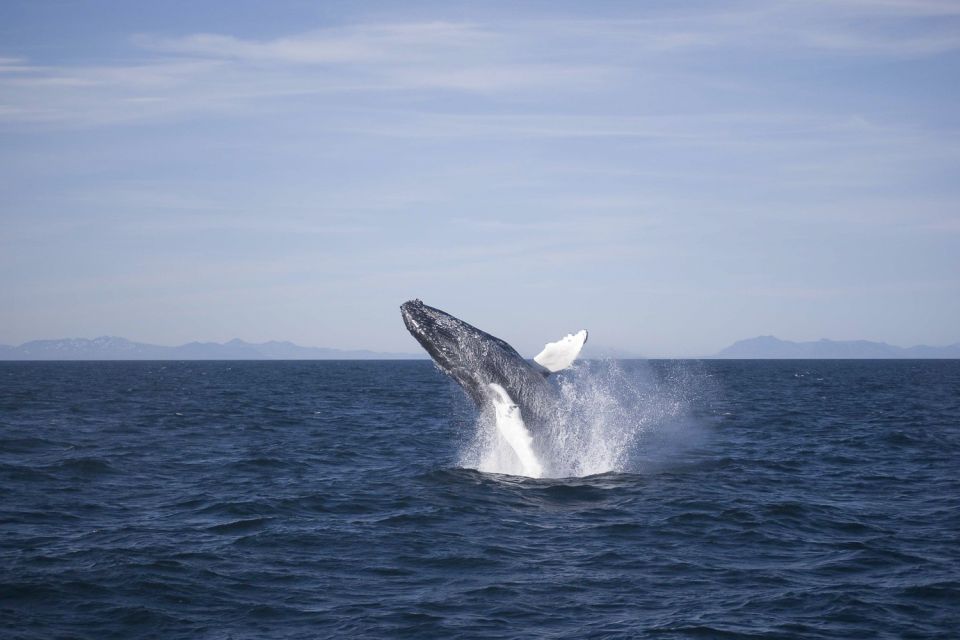
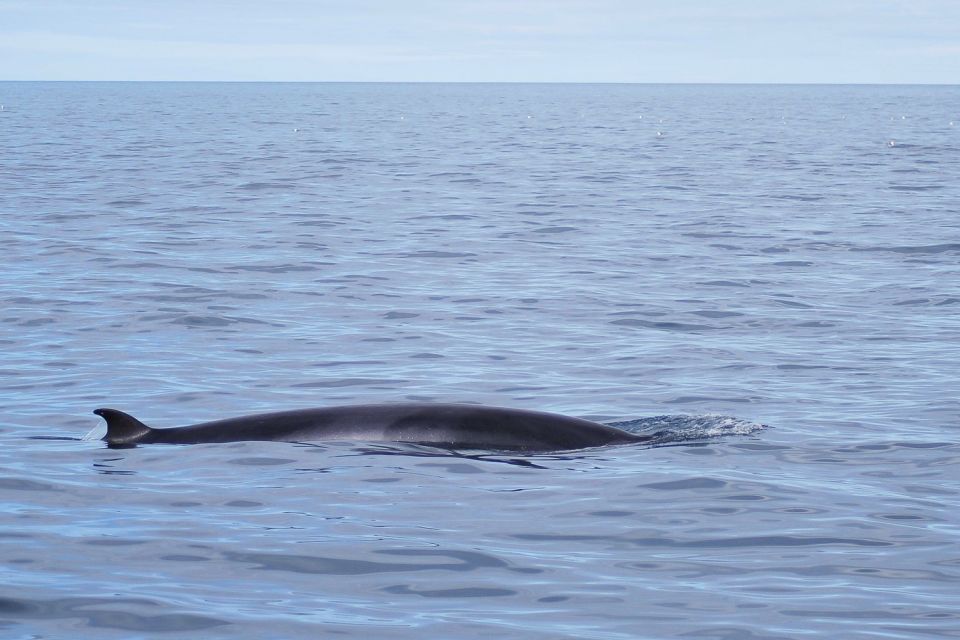
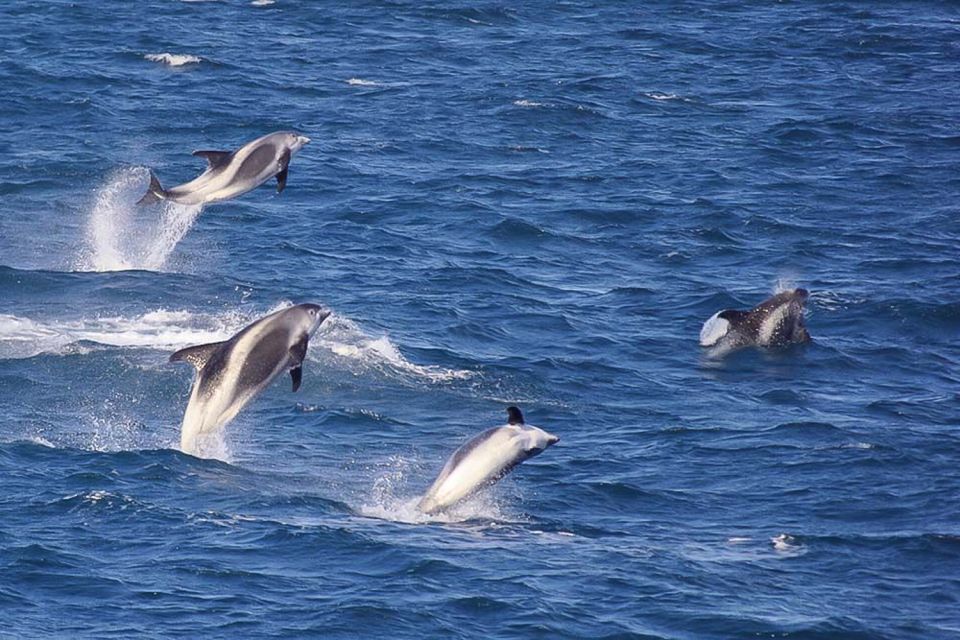
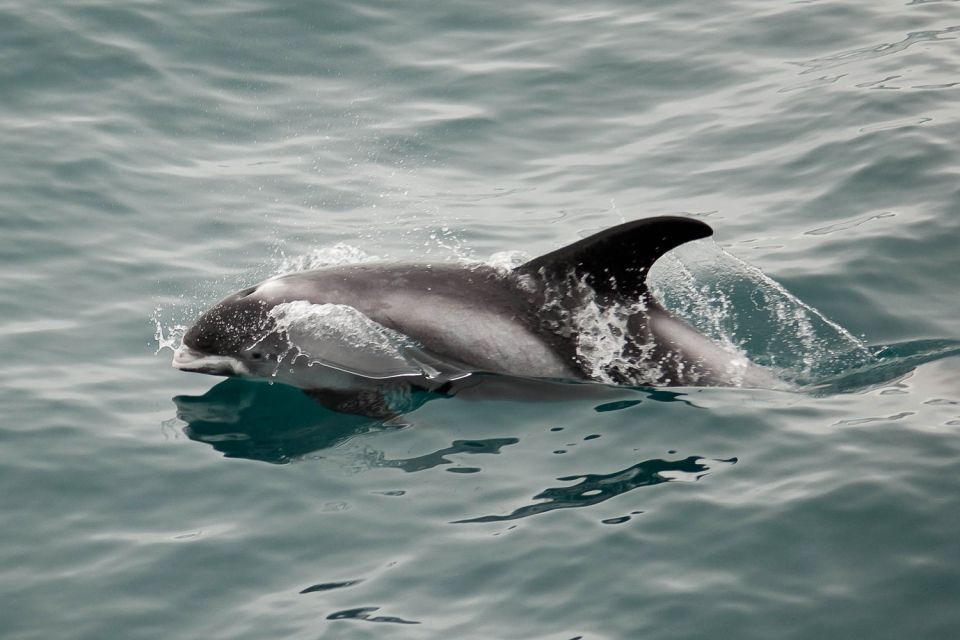
This tour is designed around a clear set of possible encounters: humpback whales, minke whales, white-beaked dolphins, harbour porpoises, and lots of sea birds. When the whales show up, you’re not just watching them from far away—many departures include very near surface events, sometimes within a few meters of the boat.
In real terms, that’s the difference between a “we saw something” trip and the kind where you get a mental snapshot you’ll remember. Reviews point to humpbacks appearing multiple times, with minke whales and dolphins showing up alongside them. One review even referenced an orca sighting on a later try, which hints at the variety that can happen when conditions line up.
There’s also a best-case rhythm you’ll want to be ready for. Whales don’t surface on a schedule you can control, so the crew and marine biologist guide keep scanning and then guide you toward where to look when sightings roll in. You’ll likely spend time outside watching the water, then warm up briefly as needed.
The boat experience: decks, warmth, and how to choose your spot
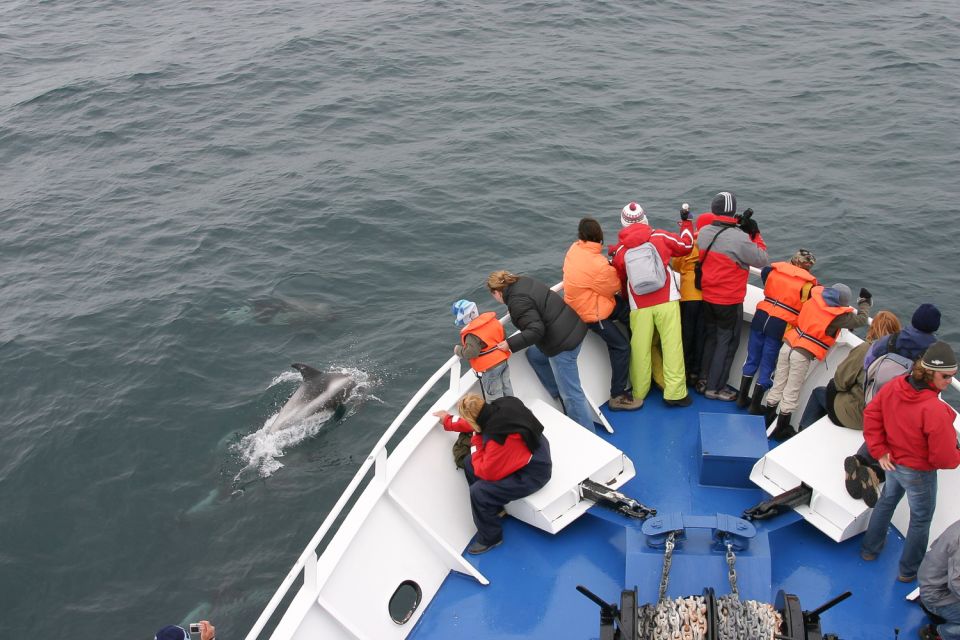
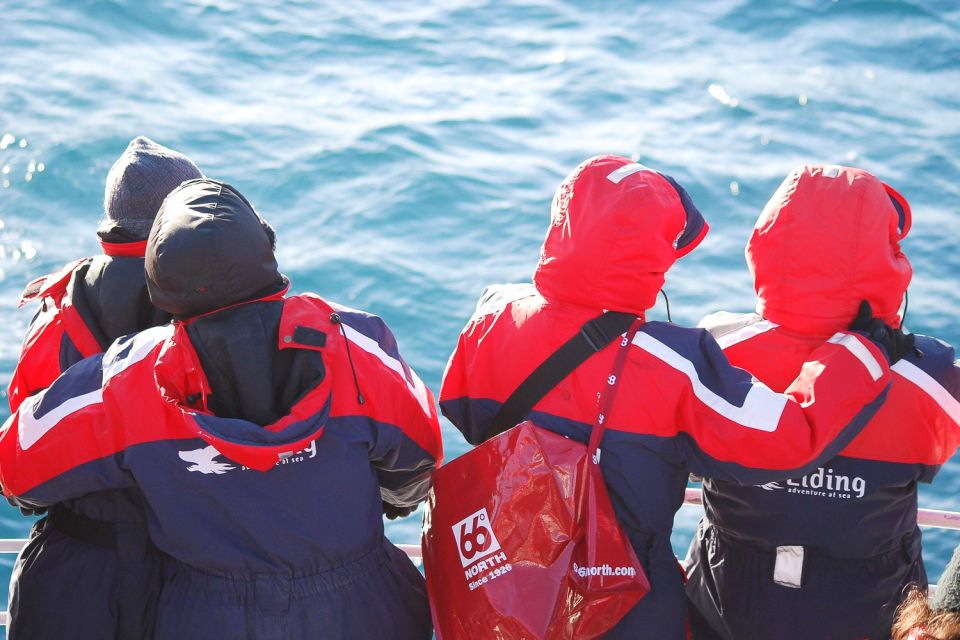
Cold is the big wildcard on any Reykjavik whale cruise. Here’s the good news: warm overalls are included, and they’re not just for show. In winter especially, gear can be the difference between enjoying the deck and wanting to bolt inside every ten minutes.
Deck choice matters too. A review about the top front deck calls out the trade-off: the view is excellent, but it can be brutally cold, and the guide may be harder to hear. Another review adds a different angle—when whales are angled toward the front, people standing to the side or back can end up with a less satisfying view.
So here’s my practical advice: get to the boat early and choose where you want your priorities to be. If you want maximum sightlines, aim for a forward-facing viewing area, but expect to wear the full warm-overall setup. If you care more about listening to the marine biologist’s commentary, you may prefer staying nearer the more sheltered or indoor areas when wind ramps up.
Also, don’t ignore motion sickness prep. One review notes that the tour provides free travel-sickness tablets, and another mentions having them on hand and never needing them. Either way, it’s reassuring that you can manage it without scrambling for supplies.
The marine biologist commentary and the Whale Diary advantage
The live guide is a core part of why this tour is worth the money. The highlights call out a specially trained marine biologist guide, and reviews back that up with praise for the quality of the narration and how the guide keeps people updated during sightings.
You’ll get two benefits from this style of guiding. First, you’ll recognize what you’re seeing—whale behavior, not just whale bodies. Second, you learn how to watch: which side of the boat to focus on, when to look for a blow, and how surface patterns might connect to feeding or movement.
On some departures, you may hear from guides named in reviews such as Emily, Sam, Pedro, Mila, or Lasse. I like that the names change, but the method stays consistent: people report clear communication, good humor, and ongoing updates while whales are around.
Then there’s the Whale Diary. This is an online tool you can use before you go to monitor local sightings. Even if you’re not glued to it the entire day, checking it before your departure helps you mentally prepare for what the crew is likely working on—so you’re not walking onto the boat with zero context.
Responsible whale watching: what they do to protect the animals
This is one of the most important parts of choosing a whale tour, and the key promise here is a responsible whale-watching code. The tour states they follow rules designed to ensure animals are not disturbed in their natural habitat, and the included approach emphasizes careful behavior around wildlife.
In addition, a review specifically mentions they avoid using sonar, and that detail lines up with the broader idea: fewer interventions, more space, and more respect for how the animals behave on their own terms. Reviews also highlight that the boat doesn’t push too close, and that the crew pauses long enough for people to watch without turning whale behavior into an entertainment show.
That balance is worth paying attention to. Too much rushing means you lose the chance to see meaningful behavior. Too little pausing means you never get a good look. The reports from successful trips suggest they aim for the middle: enough time for whales to surface and move naturally, then move on when it’s time to search elsewhere.
You can also read our reviews of more tours and experiences in Reykjavik




The 3-hour flow: center before the boat, search at sea, warm-up reality check
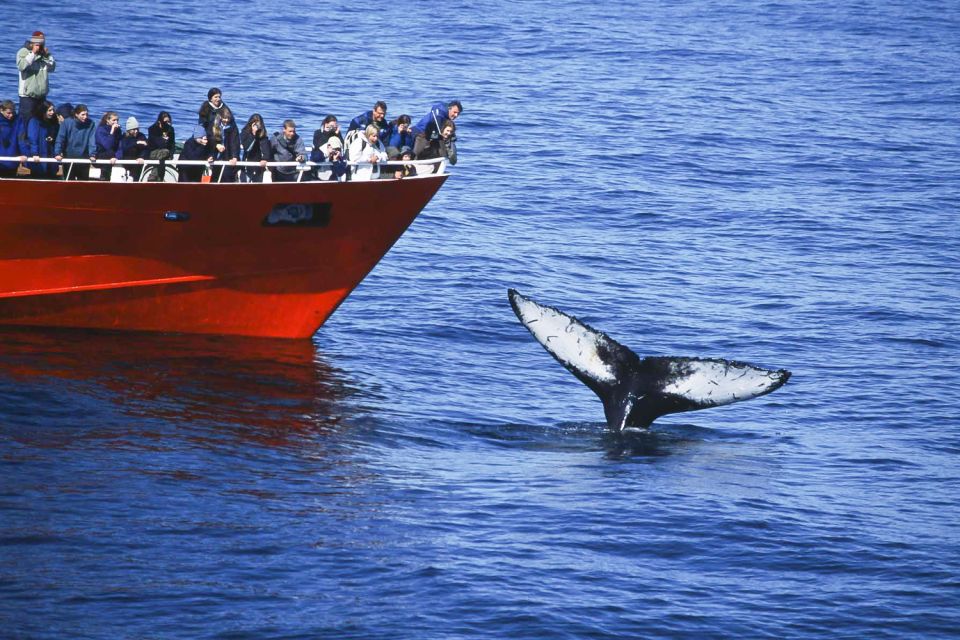
Your tour is built around two phases: a harbor-based start and time out on the water.
Once you’re in the Old Harbour area, you can use the whale-watching center before boarding. You can watch videos, look at skeletons, and read through information boards while you wait. It’s not just entertainment; it helps you understand what to look for once you’re offshore. It can also be a nice fallback if you’re arriving early or if the weather is trying to soak your enthusiasm before you even leave the dock.
Then you sail into the southern part of Faxaflói bay. Early on, you’re searching, scanning, and taking cues from the marine biologist. As sightings happen, the crew works with passengers to spot whales, so you’re not sitting passively. You’ll also likely reposition within the bay rather than staying fixed—because whales move.
At some point, you’ll probably want a warm break. Reviews mention hot drinks and moving inside to warm up in colder weather. The boat setup sounds designed for that rhythm: get outside for the moment that matters, then retreat when the cold starts to win.
What’s included (and how it affects your trip budget)
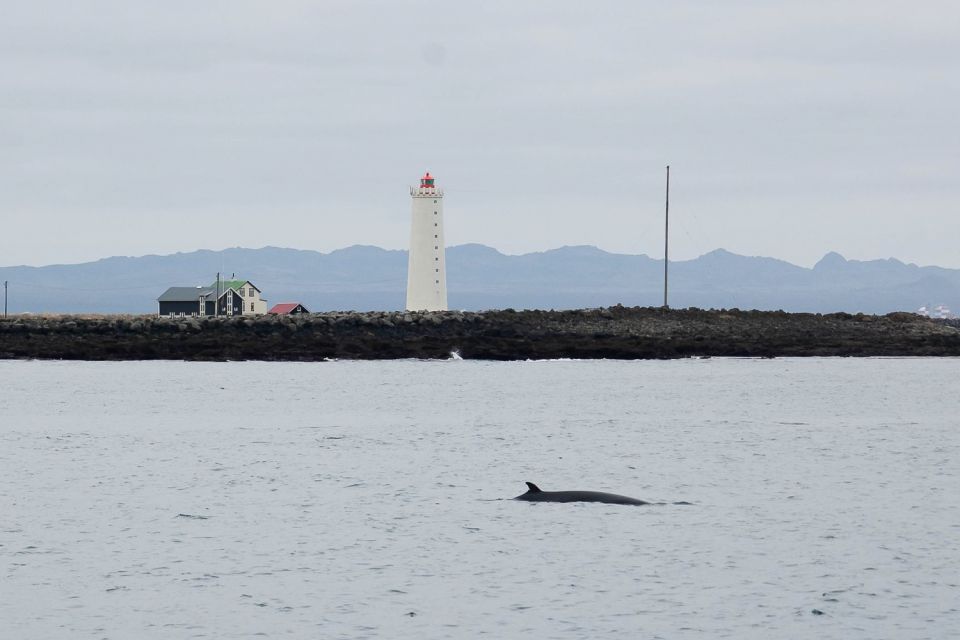
At $108 per person for a 3-hour tour, the price can feel steep if you’re comparing it to sightseeing that doesn’t include gear and guidance. But here’s the value logic: this fee bundles whale-watching access, trained marine commentary, weather protection, and risk management.
Included items from the tour:
- Whale-watching tour with guide and marine biologist commentary
- Warm overalls
- Access to the activity provider’s whale-watching center
- WiFi on board
- A sighting guarantee (or try again for free)
That “try again” element is a big deal in a place where winter weather can be unpredictable. Even if you don’t see whales immediately, there’s a path to make it right instead of chalking it up to bad luck.
Food and drink are not included, though you can purchase them on board. Reviews mention hot chocolate in particular, and at least one traveler describes it as cheap. Translation: you might want to budget a little extra, but you’re not forced into paying for a full meal plan during your sea time.
If you’re trying to keep costs controlled, the included comfort items matter more than it seems. Warm overalls, plus the chance to stay warm and dry while you watch, can save you from spending money on emergency layers right before boarding.
Who this tour suits best (and who should set expectations)
This tour makes the most sense for people who want a high-probability whale encounter without overplanning. The more than 90% whale sighting rate claim is a strong signal: if whales are your priority, this is built for that.
I’d also point it toward families and first-timers. Reviews mention lifejackets being ready for children and that the boat isn’t described as chaotic. If you’re traveling with kids, the “warm gear plus staged viewing plus guided spotting” approach can be easier than trying to DIY a boat search.
If you’re a hardcore “I just want photos” person, you’ll need to treat deck positioning seriously. Some reports suggest standing for the full time may be necessary for the best sightlines, and that the boat can angle whales toward the front. Get there early, pick your side carefully, and wear the right layers.
If you’re extremely noise-sensitive, consider comfort planning. A review notes trouble hearing the guide from the top front deck in cold conditions. In wind and spray, the best view can reduce your audio experience, so choose your compromise.
Price and logistics: the small details that really matter
No one likes surprise friction. Here are the practical points that help your day go smoother.
You meet at the Old Harbour, and check in at the red Elding ticket office. That’s a clear instruction, and it’s worth arriving with buffer time so you can get your gear sorted and settle into a viewing spot before the search begins.
Transfers aren’t included, but pick-up is arranged from hotels and accommodations in Reykjavik Greater Area. If your hotel isn’t in that zone, you may need to plan on making your own way to the Old Harbour. If pick-up is important to you, confirm it before you go.
Also, plan on spending time both on the boat and inside the center. The center is there for context and comfort, and using it well can turn the waiting time into something useful rather than dead time.
Should you book the Reykjavik original 3-hour whale tour?
I’d book this tour if your Reykjavik trip has one non-negotiable item: seeing whales. The combination of a high sighting rate, live marine biologist guidance, warm gear, and a sighting guarantee (try again if needed) is exactly the kind of “value with backup” that makes expensive excursions feel less risky.
I’d think twice if cold and standing for long periods are deal-breakers. The best viewing can be on the upper front deck, and some trips can be hard on hearing and comfort in harsh weather. If you’re flexible and willing to dress fully, this becomes much more pleasant.
For most people, the decision is simple: if whales are on your list and you want an operation that’s serious about responsible watching, this is a solid choice from the Reykjavik Old Harbour area.
FAQ
How long is the Reykjavik whale watching tour?
The duration is 3 hours.
How much does it cost?
It’s listed at $108 per person.
Where do I meet the tour?
Check in at the red Elding ticket office once you’re at Reykjavik’s Old Harbour.
What animals might I see?
The tour focuses on whales (including humpback and minke), along with dolphins, harbour porpoises, and many sea birds.
Are whales seen often on this tour?
The tour information states whales are seen on more than 90% of tours throughout the year.
Is a sighting guarantee included?
Yes. The tour includes a sighting guarantee (or try again for free).
What’s included with my ticket?
Your ticket includes the whale-watching tour, a guide, warm overalls, access to the whale-watching center, and WiFi on board.
Is food and drink included?
No. Food and drink are available to purchase on board, but they’re not included in the ticket price.
What language is the live guide?
The live tour guide is English.
Does the tour include winter?
Yes. The tour operates in summer and winter, with whale watching year-round in Faxaflói bay.