REVIEW · REYKJAVIK
From Reykjavik: Whale Watching Tour
Book on GetYourGuide →Operated by Reykjavik Sailors · Bookable on GetYourGuide
Whales in the North Atlantic make time feel elastic. This half-day cruise from Reykjavik heads to Faxaflói Bay in search of minke whales, humpbacks, and dolphins, with an English-speaking guide helping you read the ocean. You also get a comfort-first setup, so you’re not just “enduring the cold” while you wait for a blow.
My favorite part is the way the trip balances searching with warmth: flotation overalls, indoor heated cabins, and seasickness help make the whole thing feel doable. I also like that the guide work is active, not passive, with lots of facts and scanning for the right conditions. One thing to keep in mind: wildlife sightings are never guaranteed, and when the sea is rough you’ll feel it (even with seasickness tablets and a steady captain).
In This Review
- Key Things You’ll Notice On This Whale Watching Cruise
- From Geirsgata 11 Out to the Bay: How the Tour Starts
- The Kollafjöður Coast Stop: Birds, Quiet Water, and Good Watching Light
- Faxaflói Bay: Where You’re Actually Looking for Humpbacks and Dolphins
- A quick note on how close you get
- How They Keep You Warm and Sane on a Cold Iceland Sea
- The Guide and Crew Factor: Humor, Wildlife Skills, and Photo Moments
- Price and Value: What $103 Buys You in Real Terms
- Practical Tips That Improve Your Chances and Comfort
- Who Should Book This Whale Watching Tour
- Should You Book This Tour? My Decision Guide
- FAQ
- How long is the Reykjavik whale watching tour?
- Where do I meet for the tour?
- Is WiFi available on board?
- Are flotation overalls included?
- What help is provided for seasickness?
- What wildlife are you looking for?
- Is a whale sighting guaranteed?
- Is pickup from your hotel included?
Key Things You’ll Notice On This Whale Watching Cruise
- Faxaflói Bay’s hit rate: it’s a known hotspot for minke whales, humpbacks, and dolphins.
- Comfort tools that actually matter: flotation overalls, heated indoor cabins with toilets, and seasickness tablets.
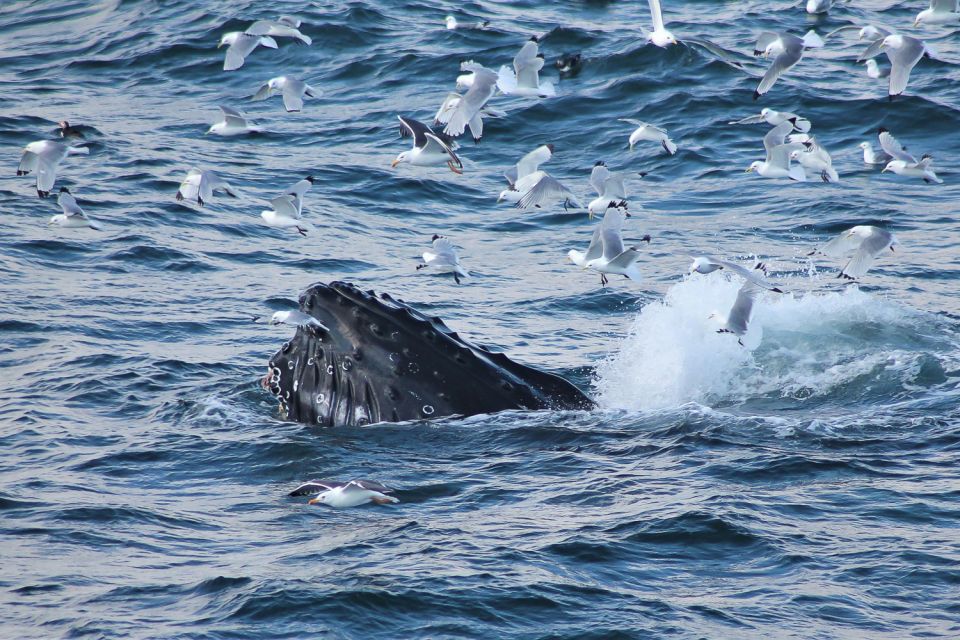
- A guide who keeps the group focused: humor plus wildlife spotting skills, including how birds can hint at what’s happening below.
- Extra odds if wildlife is quiet: if there are no sightings, you receive a complimentary ticket for a second tour.
- Hands-free warmth: you can retreat indoors between sightings instead of staying exposed on deck the whole time.
From Geirsgata 11 Out to the Bay: How the Tour Starts
The tour begins at Geirsgata 11, at the Special Tours ticket office. Plan to arrive about 30 minutes early. That buffer matters because you’ll want time to get kitted out (overalls if you’re using them), find your boarding spot, and settle in before lines cast off.
Before you’re out on the open water, there’s a short guided moment (around 30 minutes) where you get the basics: what to look for, how whale watching works in practice, and how the crew plans the run to the best areas. This is worth paying attention to, because spotting “activity” is half the game. If you know what a blow looks like, what direction birds are moving, and how whales often surface around feeding activity, you’ll spend less time watching for random movement.
Then you leave Reykjavik’s harbor area and work your way toward quieter coastal water.
You can also read our reviews of more whale watching tours in Reykjavik

The Kollafjöður Coast Stop: Birds, Quiet Water, and Good Watching Light
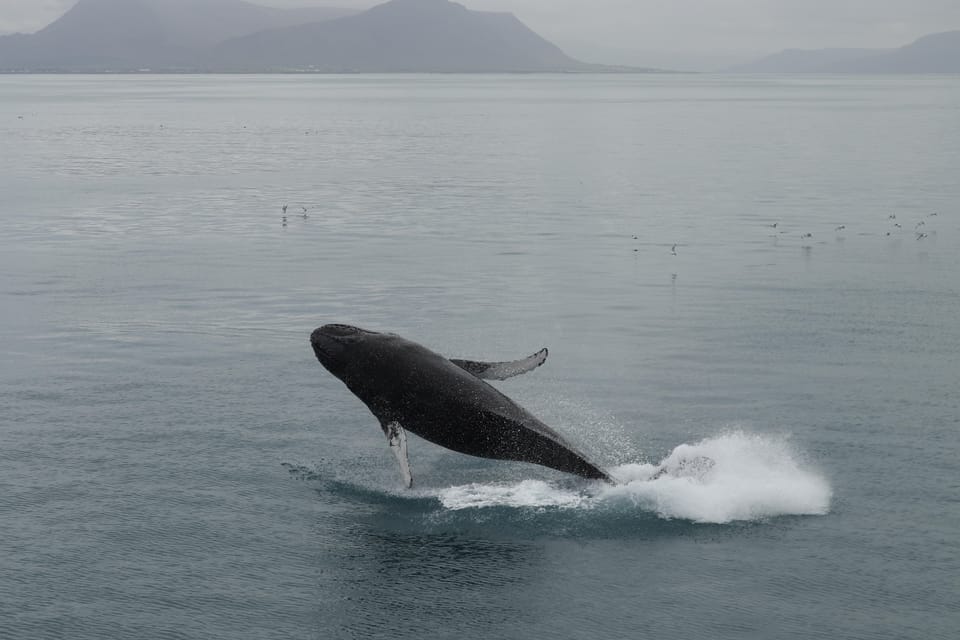
One of the nicer parts of this cruise is the coastal portion before you push farther into Faxaflói Bay. You’ll head toward Kollafjöður, a calmer-looking setting where birds become your “spotting assistants.” The bay area is described as a small island and a busy bird community, which is a smart setup: birds often react to what’s happening in the water below.
For you, this stop is about building anticipation without feeling like the entire tour depends on a single whale moment. You get a chance to see how the coastline sits in the North Atlantic—water, rock, and distant mountains all layered together. On clear days, it’s also a good time to catch famous distant peaks in the horizon, since good visibility makes everything feel sharper and more dramatic.
If you’re traveling with kids, or if you’re just not sure how you’ll handle open-water time, this early calmer section can help the whole outing feel more relaxed. And if the sea is a bit rough later, you’ve already had a chance to enjoy the experience from a steadier starting point.
Faxaflói Bay: Where You’re Actually Looking for Humpbacks and Dolphins
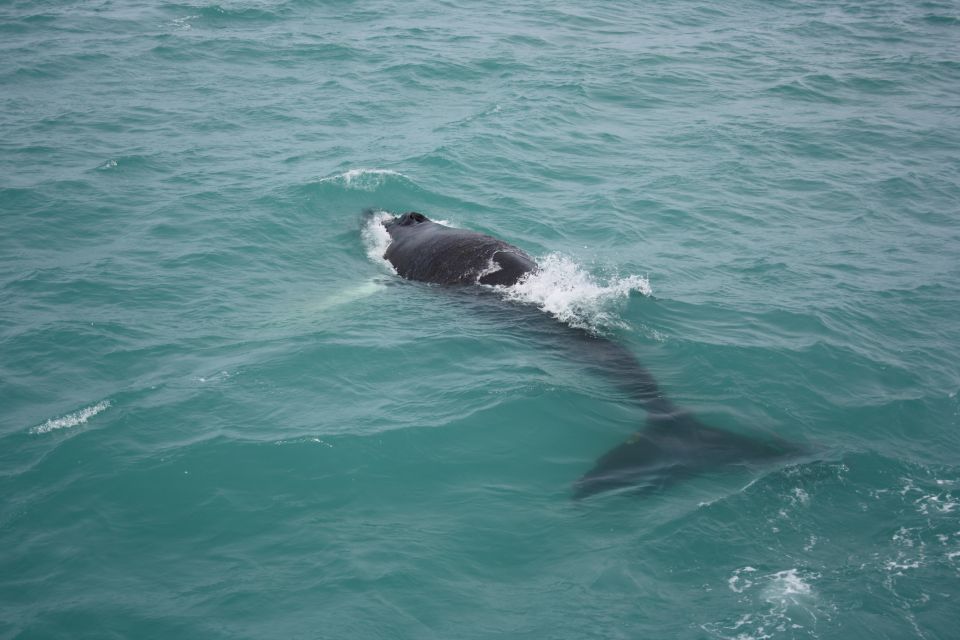
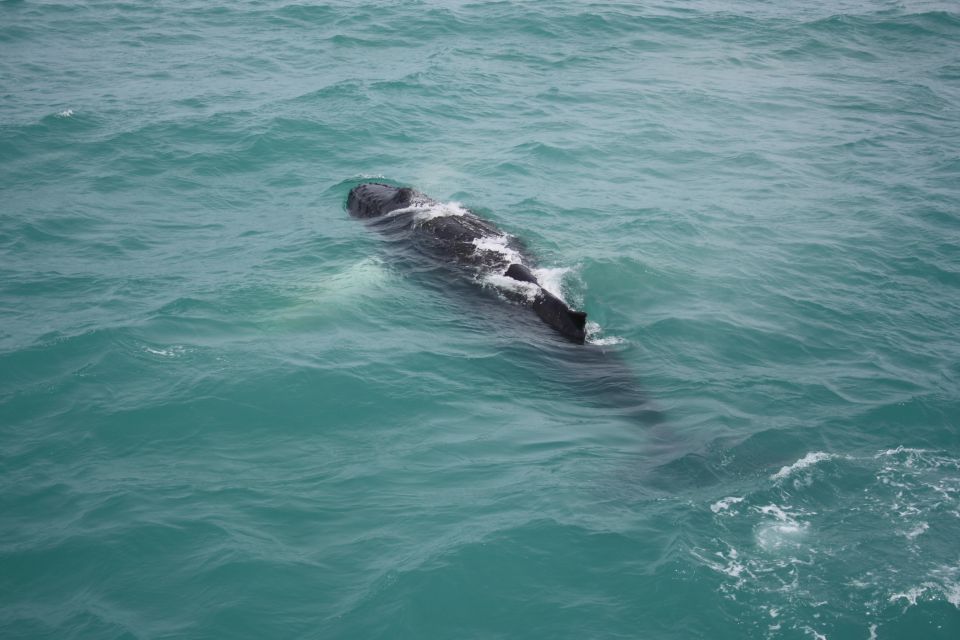
Faxaflói Bay is the main event, and the tour is designed around staying in the right zones long enough to make sightings more likely. This is where you’ll spend about two hours doing dolphin watching and whale watching, with the crew searching for minke whales and humpbacks.
Here’s the reality check that helps you set expectations: whale watching is a scan-and-wait activity. You’re not in a movie. You’re watching the ocean surface, then switching attention fast when the water changes. The guides help you by pointing out clues—like bird behavior—and by steering you toward areas where whales are more likely to appear.
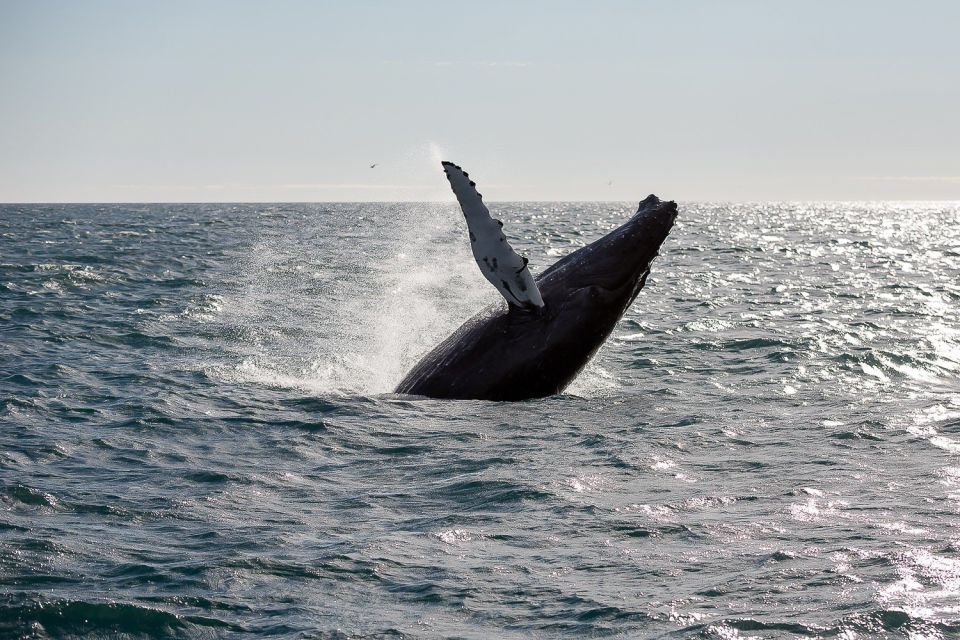
What makes this bay particularly fun is the mix of animals you can encounter. You might see humpbacks surfacing nearby, or dolphins popping up with quick, darting movements. Even if whales are shy, this kind of marine region often gives you at least something to track: blows, surface behavior, or other wildlife that keeps the lookout active.
Also, the scenery you’re sailing past isn’t just background. You’re watching whales with mountains framing the horizon. On clear days, people also mention seeing Snaefellsjökull Glacier in the distance. Even if you only catch part of it, it adds a “time-stamped postcard” feeling to what you’re seeing in the water.
A quick note on how close you get
Most sightings are from the boat, not swimming-with-the-whales territory. You’re usually close enough for a great view, but the viewing experience depends on where the whales surface and how the crew positions the vessel. Some reports describe the boat as smaller than the largest tourist ships, and that can mean a more agile run to active areas.
How They Keep You Warm and Sane on a Cold Iceland Sea
This is one of those tours where comfort isn’t a nice-to-have. The ocean around Reykjavik can turn cold and windy fast. What saves this experience is the practical gear and the option to retreat.
You get flotation overalls, plus heated indoor cabins with toilet facilities. That means when conditions are blowing hard or you’re waiting for a long stretch, you can get back inside without the whole tour turning into a frozen endurance test. There’s also WiFi on board, which can be a handy distraction if wildlife timing tests your patience.
Seasickness is handled in a straightforward way too: you’ll be given seasickness tablets as part of the experience. Several experiences also mention that it’s available right around the departure process, not only as a last-minute fix.
What I’d tell you before you go: dress for the deck. Even with overalls, the wind can cut. Bring layers you’re happy to wear over each other, and don’t assume that indoor warmth automatically means you’re comfortable outside for 30 minutes of scanning. The tours are short enough that getting dressed correctly early pays off.


The Guide and Crew Factor: Humor, Wildlife Skills, and Photo Moments
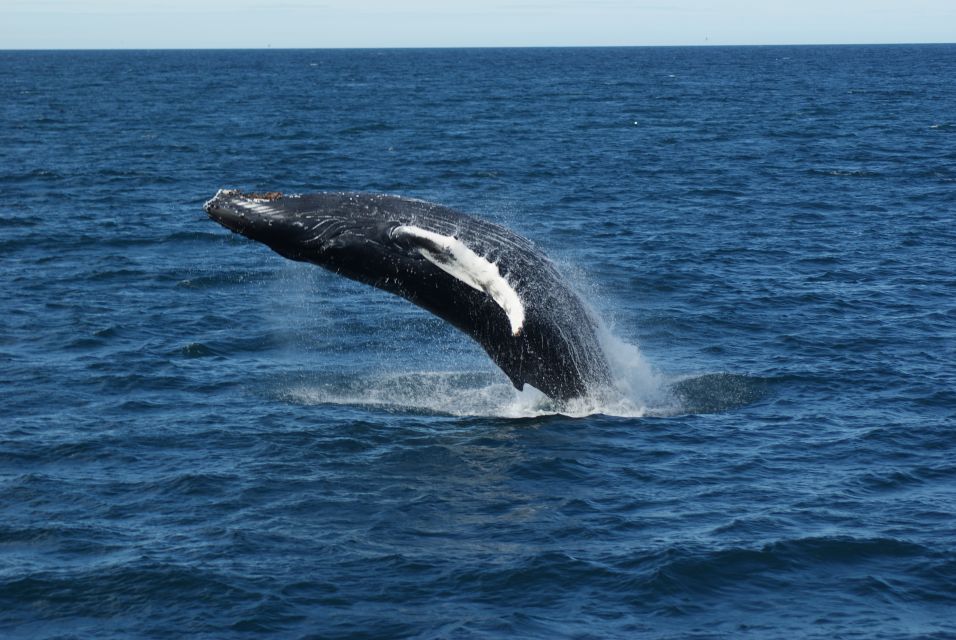
This tour lives or dies on the guide. The best part here is that the guide isn’t only talking. They’re helping you watch. You’ll get informative commentary while the crew keeps scanning and positioning the boat toward likely areas.
Real names show up in recent experiences, including Lukas and Patrick/Patrik. While you’ll want to check who’s on your departure, the pattern is consistent: guides use humor to keep energy up, then they switch into sharp focus when whales appear. That blend matters because the waiting can feel long if everyone is just staring silently.
Another onboard bonus: there’s often an onboard photographer taking pictures when whales are spotted. Some experiences describe photos and videos being accessible online after the trip at no extra cost, which is a nice way to avoid losing key moments to the weather and your own shaky hands holding a phone.
There can also be extra learning moments beyond the “where to look” part. One account mentions a quick showcase using whale bones, plus a wrap-up talk about whales and Icelandic values. That kind of end-of-trip context makes the whole outing feel less like a checklist and more like a story you can tell later.
Price and Value: What $103 Buys You in Real Terms
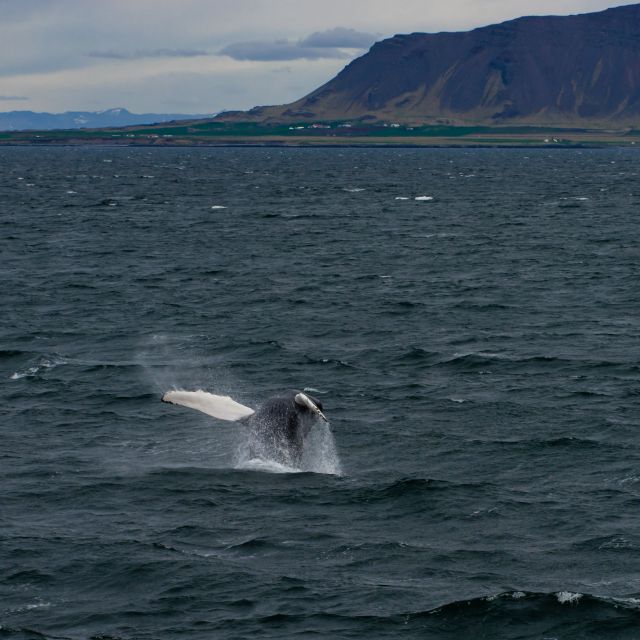
At $103 per person for about 3.5 hours, this is priced like a serious nature experience, not a cheap harbor cruise. The best value piece isn’t just the boat ride. It’s the combination of search time, onboard comfort, and the extra protection if sightings fail.
Here’s what you’re getting that helps justify the price:
- Time on the water in a whale-active bay, not just a quick sprint for views.
- Warmth and safety basics included, like overalls, heated cabins, toilets, and seasickness tablets.
- A second-tour safety net: if there are no sightings, you get a complimentary ticket for another tour.
- Live English guide commentary, which helps you spot more and enjoy more.
What’s not included is also worth noting. Snacks and drinks are available to purchase on board, and you’d likely want a plan for something warm to drink if you’re out in winter or shoulder season. You’ll also need to arrange your own way to the meeting point, since pickup costs extra.
In short: if whales are your top priority, this price tends to make sense because it’s built around improving your odds and keeping you comfortable through the waiting. If you’re the type who hates open water unless you’re guaranteed a sighting, you’ll want to think twice, even with the second-tour safety net.
Practical Tips That Improve Your Chances and Comfort
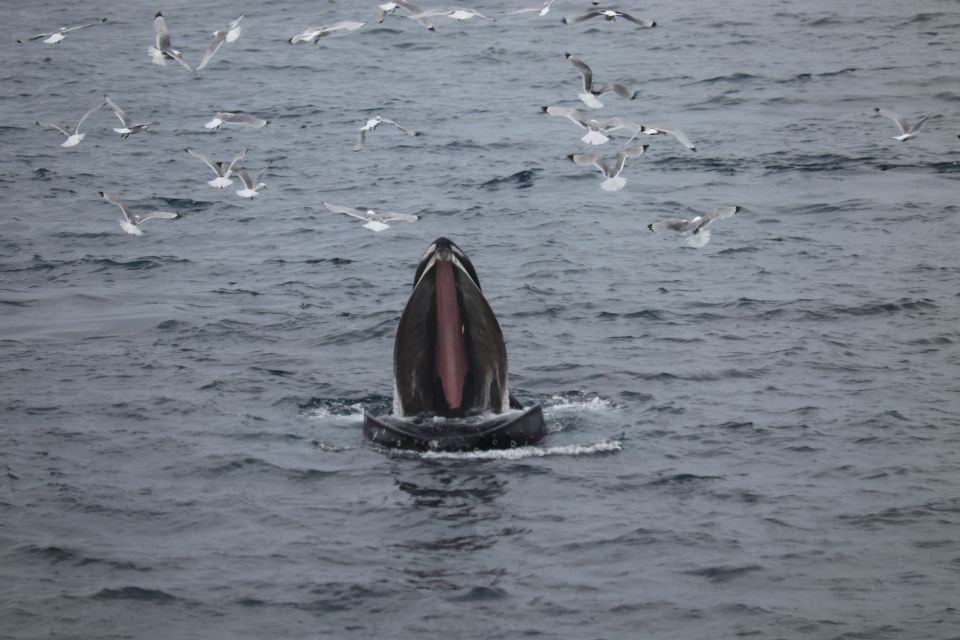
A few small choices can make a big difference on this kind of tour.
- Arrive early at Geirsgata 11 so you’re not rushing for gear and a view.
- Wear layers you can move in, not just thick coats. You’ll be turning your head constantly.
- Use the overalls if it’s cold or windy. Several experiences call them a lifesaver in the wind.
- Pick your deck spot early. Some accounts mention crowding around the best viewing angles, especially when sightings happen.
- Expect changes in sea state. Even when it’s manageable, the boat pitching is part of the experience.
- Bring an open mind about timing. Some trips see whales quickly; others take longer. When the boat stays out longer to boost the odds, that’s usually a sign the crew is working hard.
Also, a heads-up on tickets: one account mentions having to show a mobile ticket at the ticket office where it’s printed for the tour. That’s not a “deal breaker,” but it’s a smart thing to plan for so you don’t feel rushed.
Who Should Book This Whale Watching Tour
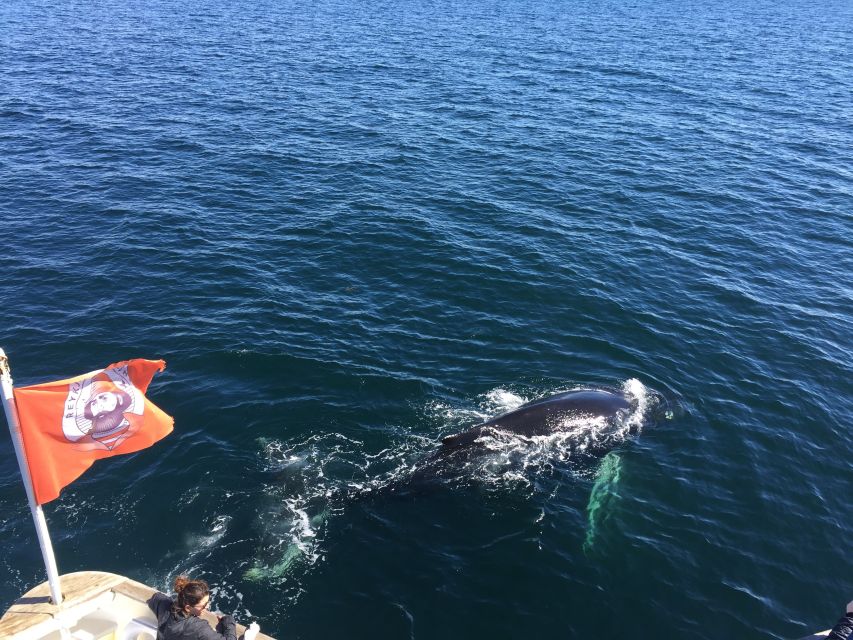
This cruise is a strong match if you want:
- Short, focused time on the water (about three and a half hours) without committing to a full-day adventure.
- A guided whale-watching experience where someone helps you interpret what you’re seeing.
- Comfort-first support for cold weather: overalls, heated cabins, toilets, and seasickness help.
It’s also a good family option. Recent experiences mention kids enjoying the warmth inside while still getting real wildlife moments when whales or dolphins appeared.
You might want to consider another plan if you:
- Are extremely sensitive to sea conditions and doubt the seasickness support will be enough.
- Only want guaranteed sightings. This is nature, not a theme park.
One more practical note: depending on environmental scheduling during certain times of year, your trip may run on a shared boat with another activity partner. That doesn’t automatically mean worse service, but it can affect crowding and how much space you have when wildlife appears.
Should You Book This Tour? My Decision Guide
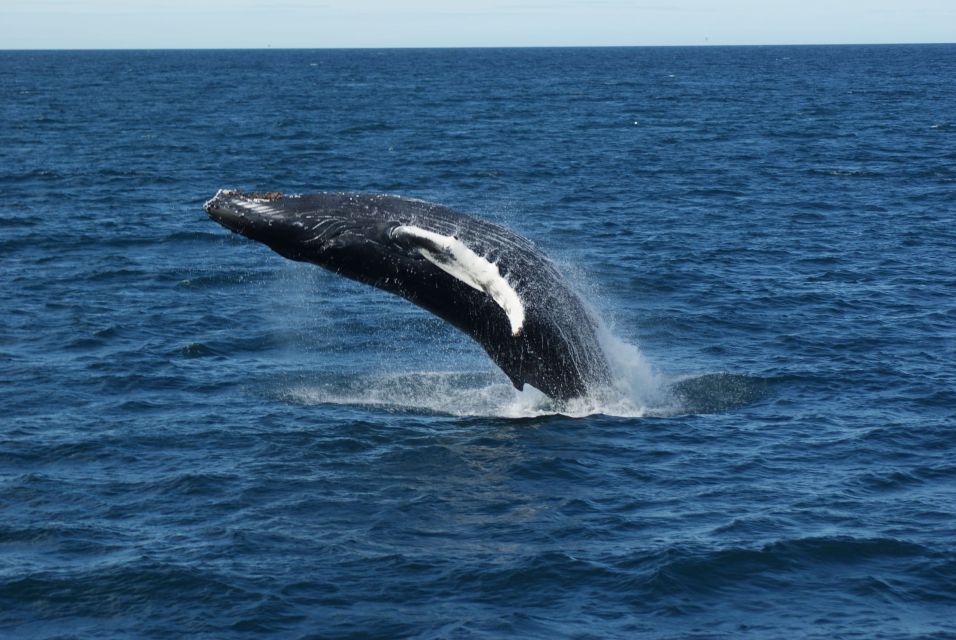
If your Iceland trip revolves around seeing whales and you want a setup that actually helps you stay warm and focused, I’d book it. The main reason is the balance: you’re not paying just for a ride, you’re paying for comfort, guidance, and better odds through active searching. The second-tour ticket when there are no sightings is a meaningful safety net for a short trip.
Book with the right mindset, though. Dress for wind and cold, keep your eyes on the cues your guide gives you, and accept that the ocean controls the schedule. Do that, and you’re set up for a very memorable half-day—whether your highlight is a humpback surfacing again and again, dolphins darting alongside, or the feeling of spotting life in a place that looks this wild.
FAQ
How long is the Reykjavik whale watching tour?
It runs for about 3.5 hours.
Where do I meet for the tour?
You meet at Geirsgata 11, at the Special Tours ticket office.
Is WiFi available on board?
Yes, WiFi is available on board.
Are flotation overalls included?
Yes, flotation overalls are included.
What help is provided for seasickness?
Seasickness tablets are included.
What wildlife are you looking for?
The tour focuses on minke whales, humpback whales, and dolphins, along with other aquatic species and wildlife.
Is a whale sighting guaranteed?
No. If there are no sightings, you receive a complimentary ticket for a second tour.
Is pickup from your hotel included?
Pickup service is not included and is available for an additional charge.