REVIEW · REYKJAVIK
Silfra Drysuit Snorkeling with Free Photos – Meet on Location
Book on Viator →Operated by Adventure Vikings · Bookable on Viator
Snorkeling between continents sounds fake. In Silfra, the freshwater visibility is so strong it feels like you’re floating in glass, right at a UNESCO World Heritage Site. 100-meter visibility is the big headline, and it holds up once you’re in the water.
I also love the small-group feel and how much attention your guide puts on comfort and safety before you go under. Guides like Anil, Klaudyna, Hugo, and Oliver are repeatedly mentioned for being calm and focused, and that matters when you’re kitted up in a dry suit.
The main drawback is what you already suspect: it’s very cold, and the dry suit can feel tight around the neck and wrists. Plan to take it seriously, especially if you’re not a confident swimmer—or if claustrophobia is an issue.
In This Review
- Key things to know before you go
- Silfra’s plate-boundary magic at Thingvellir
- Where you meet: Thingvellir logistics instead of Reykjavik convenience
- The drysuit routine: tight necks, careful seals, and slow prep
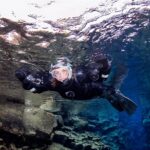
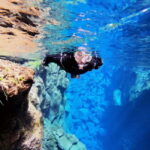
- In the water: 40 minutes in a crystal-clear fissure
- Your guide makes the difference: safety, pacing, and photos
- What the 3 hours really includes (and why it’s not just the swim)
- What you get for the price: $140 and the value math
- Cold-water reality check: what to wear and what to bring
- When things don’t go perfectly: two types of complaints to watch for
- Who should book this Silfra snorkeling experience
- Should you book this Silfra snorkeling tour?
- FAQ
- Where do we meet for Silfra snorkeling?
- How long is the tour, and how long am I in the water?
- Do I need to be a certified diver to participate?
- Do I need to know how to swim?
- What gear is included?
- Can I choose a wetsuit instead of a dry suit?
- What are the age and size requirements?
- What if I wear glasses?
- What happens if weather cancels the tour?
Key things to know before you go

- Freshwater fissure, not ocean: Silfra is freshwater, with visibility reported as at least 100 meters.
- Tectonic plates in your swim lane: the continental plates drift apart around 2 cm per year, and you’re in the gap.
- Drysuit first, cold hands later: your body stays mostly dry, but gloves and timing matter for comfort.
- About 40 minutes in the water: the full tour runs ~3 hours because dressing and briefings take time.
- Included photos and hot chocolate: you’ll get underwater photos and a warm finish on land.
- Maximum 6 per group: one guide supports up to six snorkelers at a time.
Silfra’s plate-boundary magic at Thingvellir
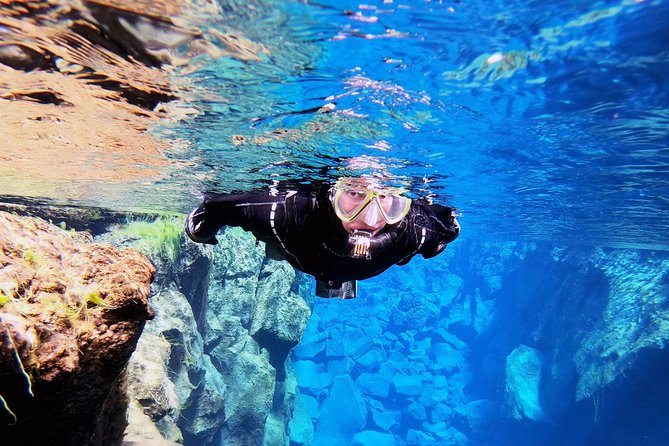
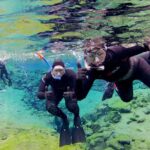
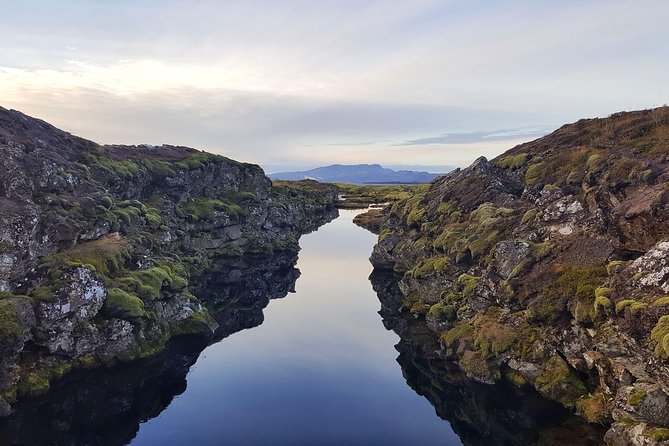
Silfra is one of Iceland’s best “wait, is this real?” nature spots. You’re snorkeling in a freshwater fissure created where the tectonic plates pull apart. The gap is part of Thingvellir National Park, a UNESCO World Heritage Site, so the setting is meaningful, not just pretty.
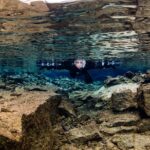
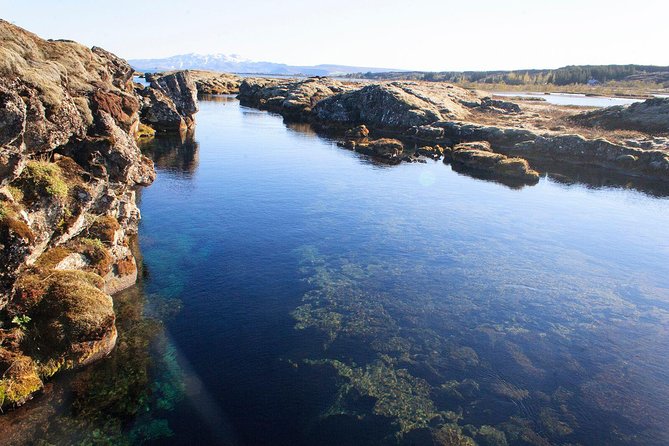
What you’re really paying for is the light and the clarity. The water is so clean you can look far ahead—at least 100 meters is what’s typically described. In that kind of visibility, the underwater canyon walls look crisp and strange, like you found a science museum that forgot to put glass in front of you.
And yes, you’ll feel the cold. But the cold is strangely part of the story. Once you get your breathing and buoyancy under control, the experience shifts from survival mode to quiet focus.
You can also read our reviews of more snorkeling tours in Reykjavik
Where you meet: Thingvellir logistics instead of Reykjavik convenience
This isn’t one of those tours that picks you up at your Reykjavik hotel and drops you off like a shuttle. You meet at Thingvellir National Park, about 50 km from Reykjavik.
Your start point is listed as:
Silfra Adventure Vikings, 7V4M+HG8, 806 Thingvellir, Iceland
You’ll return to the same meeting point after the activity. That means you’ll want to plan your day so you’re not rushing across town or stuck in traffic right before check-in.
Because the site is in a national park and UNESCO area, access is managed. You should expect limited facilities at the park itself, so bring the mindset that the warmth and comfort happen through the tour process: the heated van, the gear-fitting routine, and the hot chocolate afterward.
The drysuit routine: tight necks, careful seals, and slow prep
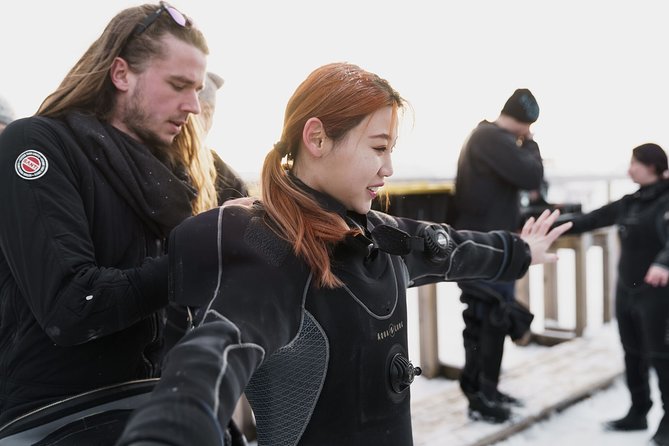
The tour starts with a briefing and a safety rundown with your PADI-certified guide. Then comes the real event: suiting up.
Here’s the practical flow you should expect:
- You meet your guide and complete any required medical form steps.
- You change into your own base layers.
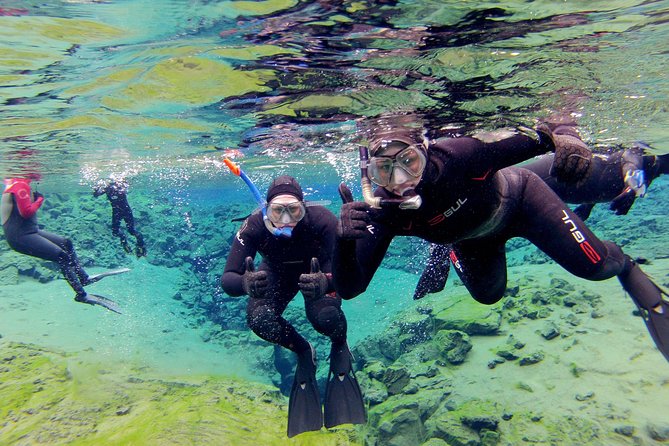
- The team helps you into the drysuit, along with sealing components like the neck collar and wrist/ankle seals.
- You get gloves, a hood, and then your mask, snorkel, and fins.
One line in the details matters: the dry suit can feel quite tight, especially around the neck and wrists. That’s not just discomfort talk—it’s a fit and sealing issue. The whole point is to keep water out. When the seals are right, you stay safer and warmer.
In the best-case setup, you’ll notice that mostly your head and hands get wet while the rest stays dry. Multiple experiences mention this exact idea: the suit does its job, and the struggle becomes manageable.
In the real world, nothing is perfect. A small slice of negative feedback mentions a leaking dry suit and a tough time in winter conditions. That’s rare, but it’s also why you should follow the instructions closely, communicate fast if something feels wrong, and assume your hands and feet are the first things to get uncomfortable.
In the water: 40 minutes in a crystal-clear fissure
After you’re geared up, your group walks to the entry point. You’re not “thrown in.” The guide checks your mask, and you’ll get help with the fit and anti-fog steps before you start.
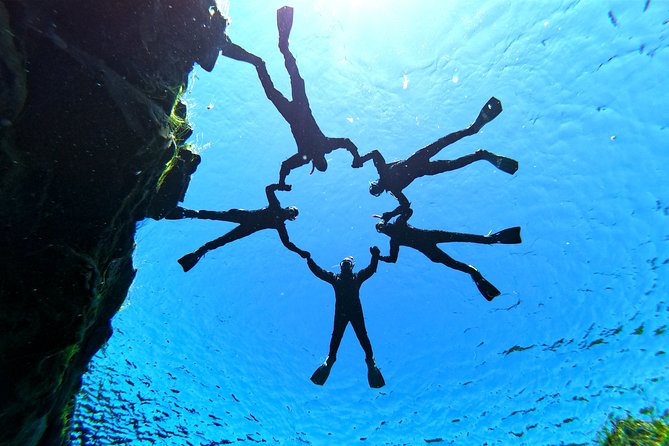
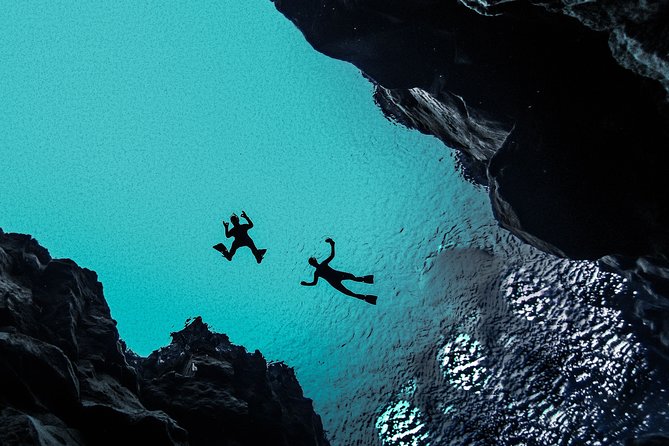
Then you’re in Silfra: freshwater, underwater canyon walls, and the sensation of swimming between continents. The plates move apart at about 2 cm per year, so you’re literally in a slowly growing boundary zone.
Time in the water is described as about 40 minutes. In a few experiences, people report being on the shorter end, while others describe a full feel of roughly 30–45 minutes. That matches what happens in real groups: you’re managing equipment fit, entry/exit timing, and the guide’s oversight.
The big comfort challenge is the cold. Even if your body stays dry, your hands and feet can go numb. A good guide keeps checking on everyone and encourages you to signal early rather than tough it out. That’s also why swimming skills matter. This tour requires that you know how to swim and be comfortable in water.
Also note: the snorkeling isn’t a flat, easy swim the whole time. You’ll adjust as you move in and around the fissure. A couple experiences describe it as more challenging than they expected, which makes sense because the water movement and the feeling of being in a sealed environment are real.
Your guide makes the difference: safety, pacing, and photos
At Silfra, the guide’s job is more than pointing out geology. They manage group flow, safety, and communication when conditions are cold and visibility is intense.
You may hear about guides such as Alex, Arnold, Edgar, Wilmar, Nando, Niko, and others. The common theme is pacing and patience—especially for beginners. One guide is specifically praised for singing happy birthday as a snorkeler exited the water, which tells you the atmosphere can be warm and human, not cold and robotic.
Photos are included. Underwater photos are part of the deal, and some groups also mention GoPro-style pictures. The practical value here is huge: Silfra is gorgeous, but holding your phone won’t happen. Let the guide do the photo work, and you’ll leave with real memories instead of blurry shots from your own limited time.
Hot chocolate is served before you finish. That warm drink isn’t a small extra. It’s the end cap that helps your body recover after cold hands and a dry suit that can restrict movement.
You can also read our reviews of more photography tours in Reykjavik





What the 3 hours really includes (and why it’s not just the swim)
This is listed as an approximately 3-hour tour. The in-water time is around 40 minutes, so the rest of the time is taken up by:
- Changing and getting your base layers right
- Drysuit fitting and sealing checks
- Briefing (safety, snorkel technique basics, what to do if you need help)
- Walking to and from the entry platform
- Any entry waiting time, especially during busy periods
This is important for expectation-setting. If you arrive mentally prepared for a quick, casual swim, you’ll feel rushed. If you arrive ready for a full “gear up, learn, then snorkel” experience, it feels normal.
Peak season can add delays. Some experiences mention waiting around the entry area for other groups to go in, and others describe a slightly rushed feeling because multiple groups are managed in the same day. That’s not a reason to skip—just a reason to treat it like a timed activity in a popular site.
What you get for the price: $140 and the value math
At $140 per person, you’re paying for more than access to a famous spot. You’re paying for:
- A PADI-certified guide
- Drysuit (and other included snorkeling gear)
- Hot chocolate
- Underwater photos
- A structured safety and fit process
Compare that to the cost of trying to DIY the same experience. Even if you could rent gear on your own, you still need competent guidance for sealing, entry routines, and group management in cold water.
Also, small-group limits matter for value. The tour caps at 6 travelers, with guides supporting up to one group of six at a time (and multiple groups can be present). That helps with attention during the fitting and briefings.
If you want to split the difference between cold-water comfort and flexibility, there’s also an option to pre-book a wetsuit on a separate listing. The tour info specifically recommends wetsuits for people who want a chance to go deeper or who are scuba divers without the required certifications. For less-confident swimmers, the dry suit is recommended.
One detail I like from the setup: the company says it can keep wetsuit and dry suit participants in the same group. That makes logistics easier and avoids splitting people across different schedules.
Cold-water reality check: what to wear and what to bring
Silfra snorkeling is cold-weather snorkeling, and you’ll feel it. The tour strongly suggests you:
- Wear long thermal underwear
- Use thick wool socks as a base layer
- Avoid jeans and no heels
- Bring a change of clothes afterward
The dry suit has a very small chance of leaking. That’s why bringing a spare layer is smart, not paranoid. Also, you shouldn’t wear glasses. The guidance says don’t wear glasses and instead bring contact lenses or your own prescription mask if you have one.
For comfort, eat breakfast before you go. You’ll likely spend time in the chilly pre-water routine, and you’ll want energy for the walk, the fitting, and the steady pacing once you’re in the water.
And if you’re prone to claustrophobia, take that warning seriously. The info says it’s not recommended, and that wetsuits can be a better option if claustrophobia is a concern.
When things don’t go perfectly: two types of complaints to watch for
Most feedback is extremely positive. Still, it helps to know the two main issues that show up when people are unhappy.
First: equipment problems. One negative account describes a leaking dry suit, severe cold exposure, and difficulty getting an outcome they felt was fair. It’s the kind of situation where you want staff response to be immediate and smooth.
Second: pacing and waiting. Another unhappy report claims the process felt unorganized, with people forced to wait in winter conditions and some equipment issues for sizing. That doesn’t match the overall structure described in the tour process, but it’s a reminder that winter days can vary and peak demand can stress schedules.
What should you do with that? Simple: arrive early, confirm you’ve got the right base layers, and if something feels wrong, tell the guide right away. Don’t wait for discomfort to become a problem.
Who should book this Silfra snorkeling experience
This is a great fit if you want a bucket-list Iceland moment that mixes nature, science, and real physical challenge.
You’ll likely enjoy it if:
- You can swim and you’re comfortable in the water
- You’re okay with cold and numb hands for a short time
- You like guided experiences where safety comes first
- You want included underwater photos without fiddling with gear
It may not be the right fit if:
- You have claustrophobia
- You don’t meet basic physical requirements
- You can’t communicate in English (required)
- You aren’t comfortable with the idea that you’ll be wearing a suit that feels tight in places
There are also clear participation limits:
- Minimum age is 12
- Participants over age 65 need physician approval
- You need to fill out a medical form before participating
- Height must be 150 cm to 200 cm
- Weight must be 50 kg to 120 kg
- You shouldn’t wear glasses
Should you book this Silfra snorkeling tour?
If you want the cleanest, most iconic plate-boundary snorkeling experience you can do as a land-based visitor, I’d book it—especially if you’re comfortable with cold and you take the safety briefing seriously. The combination of drysuit comfort-focused gear, guided support, included photos, and hot chocolate makes it feel like a complete experience, not just a ticket to a famous spot.
I’d think twice if you’re sensitive to tight gear, nervous in enclosed conditions, or not confident swimming. For those situations, the wetsuit option may be worth exploring, or you may prefer a different water activity entirely.
If you do book, show up rested, dressed for winter, and ready to listen. Silfra rewards calm attention. You’ll come out chilled—but smiling, because the underwater world here really is unlike anything else you’ll see in Iceland.
FAQ
Where do we meet for Silfra snorkeling?
You meet at Silfra Adventure Vikings at the Thingvellir location: 7V4M+HG8, 806 Thingvellir, Iceland. The tour ends back at the same meeting point.
How long is the tour, and how long am I in the water?
The tour is listed as about 3 hours. The approximate time in the water is around 40 minutes.
Do I need to be a certified diver to participate?
No certification is required to participate. The guide is PADI-certified, but guests do not need scuba certification.
Do I need to know how to swim?
Yes. All participants must know how to swim and be comfortable in the water.
What gear is included?
The tour includes snorkeling equipment. It also includes dry suits and wetsuits as part of the equipment setup, plus the safety-focused suit and related gear needed for the experience.
Can I choose a wetsuit instead of a dry suit?
A wetsuit option can be pre-booked on another listing. Wetsuit use is recommended in certain cases, and the tour also notes that wetsuits and dry suits can be in the same group.
What are the age and size requirements?
Minimum age is 12. Participants over 65 need physician approval. Height must be between 150 cm and 200 cm, and weight must be between 50 kg and 120 kg.
What if I wear glasses?
Glasses should not be worn. The guidance says to bring contact lenses or your own prescription mask (if you have one).
What happens if weather cancels the tour?
This experience requires good weather. If it’s canceled due to poor weather, you’ll be offered a different date or a full refund.