REVIEW · REYKJAVIK
Snaefellsnes Peninsula and Kirkjufell Small-Group Tour
Book on GetYourGuide →Operated by Arctic Adventures · Bookable on GetYourGuide
Kirkjufell steals your attention fast. This long-but-relaxed day strings together Kirkjufell photo moments and Djúpalónssandur shipwreck legends in one smooth loop from Reykjavik, with a guide who keeps the stops meaningful instead of just scenic. The main trade-off: you cover a lot of ground, so most viewpoints are brief and you’ll have to work with the clock.
What I like here is the pacing for a day trip: a minibus ride between Iceland’s “Little Iceland” highlights, then time to walk, look, and shoot photos without rushing every second. You also get free Wi‑Fi on board, and pickups are available across a bunch of Reykjavik locations starting at 8:00 AM.
One consideration for winter planning: Ytri Tunga (where you look for seals) doesn’t run in December and January because daylight is limited.
In This Review
- Key points at a glance
- Snæfellsnes in One Long Day: What You Actually See
- Reykjavik Pickup and the Start at 8:00 AM (Plan Your Morning)
- Kirkjufell: The Mountain That Looks Different From Every Angle
- Djúpalónssandur Black Sands: Shipwreck Remnants and Legends
- Arnarstapi and the Sea Cliffs: Fishing Village Energy Without the Crowds
- Búðakirkja (Búðir Black Church): A 19th-Century Icon in Open Land
- Ytri Tunga for Seals: When the Coasts Get Alive
- Berserkjahraun Lava Fields and Viking-Lore Roadside Stops
- Borgarnes Breaks and the Icelandic Hot Dog Moment
- Price and What $148 Buys You (and What It Doesn’t)
- Small-Group Energy: Why the Day Feels Comfortable
- Clothes, Shoes, and Cold-Weather Reality (Read This Part)
- Should You Book This Snæfellsnes Day Trip?
- FAQ
- FAQ
- How long is the Snæfellsnes Peninsula and Kirkjufell tour?
- What time does pickup start in Reykjavik?
- Is food included in the tour price?
- Will the tour visit Ytri Tunga in winter?
- What should I wear?
- Is there Wi-Fi and is the guide English-speaking?
Key points at a glance
- Kirkjufell + waterfall views: quick, iconic photo time where the mountain meets the sea.
- Djúpalónssandur black pebbles: shipwreck remnants and coastal legends on the ground.
- Arnarstapi sea cliffs: rugged coastline and the natural Miðgjá Stone Bridge area.
- Búðir Black Church (Búðakirkja): a 19th-century church framed by wide open land.
- Ytri Tunga seals: sometimes you’ll catch seals close to shore, but it’s seasonal in winter.
Snæfellsnes in One Long Day: What You Actually See
This is a classic west-Iceland “greatest hits” loop, aimed at people who want the look and feel of the Snæfellsnes Peninsula without needing to drive themselves. You’ll leave Reykjavik in the morning and spend the day working your way around lava fields, black-sand coastlines, small fishing-village scenery, and the kind of wind-swept viewpoints Iceland does so well.
You should also know what this tour is built for: seeing. Not hours-long hikes, not a slow wander where you stop whenever you feel like it. Most stops are timed, with short walks and photo chances. If you like a plan that still leaves breathing room, this works nicely.
I also like that the guide adds story to place. A good example from real-world departures: guides like Slavi, Magga, Arny, Sven, and Sergio have been singled out for mixing humor with local cultural context—so the day doesn’t feel like a checklist.
You can also read our reviews of more tours and experiences in Reykjavik.

Reykjavik Pickup and the Start at 8:00 AM (Plan Your Morning)
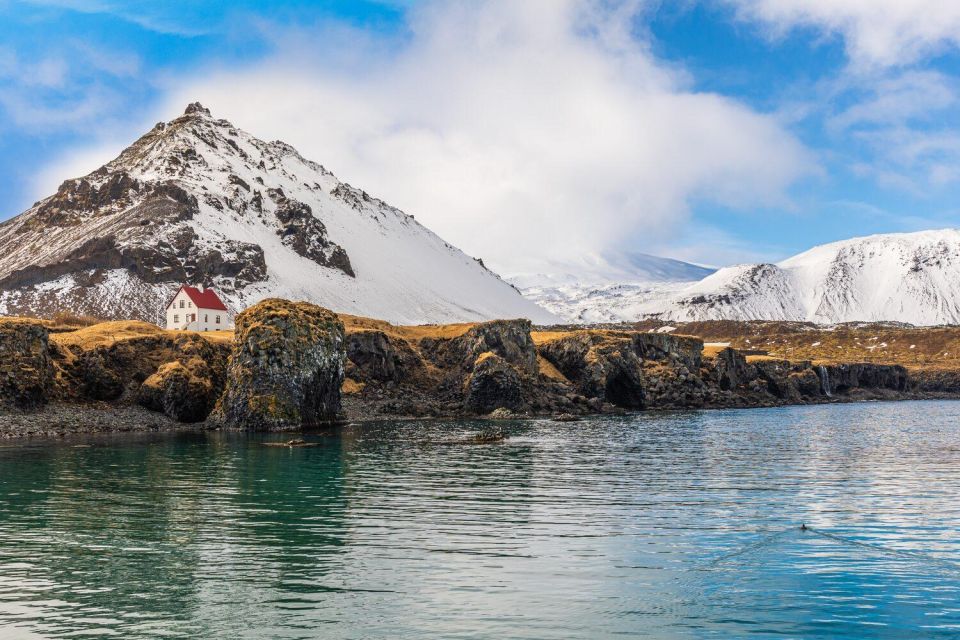
Your day begins with pickup from Reykjavik. The start time is 8:00 AM, and the pickup point depends on what you selected. The tour includes pickup and drop-off from multiple locations, so you’re not stuck starting in one random part of town.
One practical thing: depending on where you are, it can take up to 30 minutes for the guide to arrive. That’s normal in Reykjavik traffic and multi-stop pickup zones, but it does mean you shouldn’t dawdle near your stop.
Inside the vehicle, you’ll have the basics that make a long day easier: a live English-speaking guide, free Wi‑Fi onboard, and guided touring in a minibus.
If you’re traveling in colder months, use this first stage to get your layers sorted. You’ll be outside later, at coastlines where wind turns “just cold” into “grab your gloves now.”
Kirkjufell: The Mountain That Looks Different From Every Angle
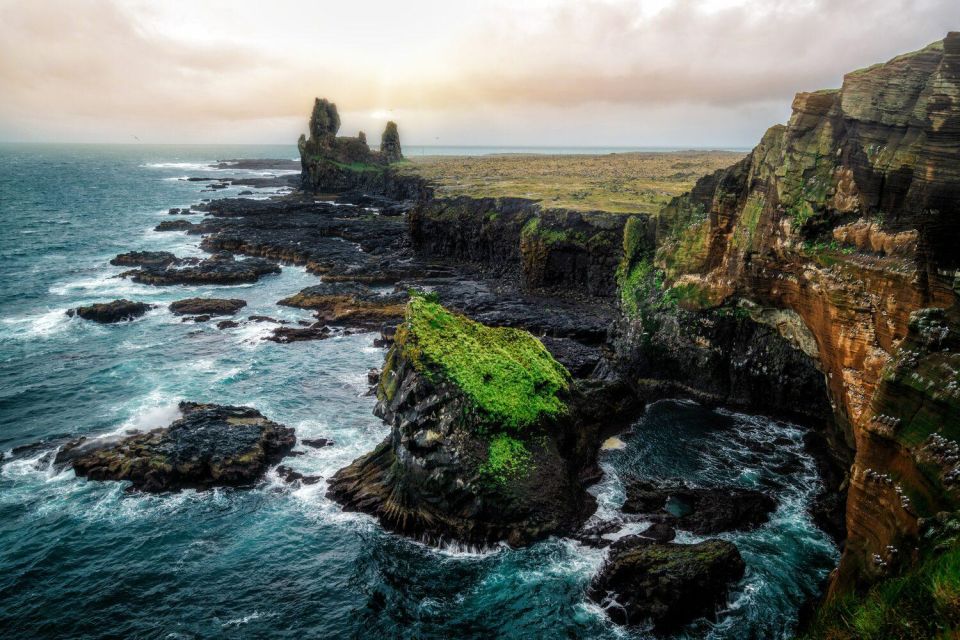
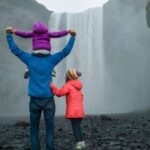
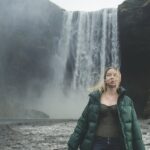
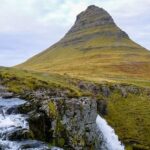
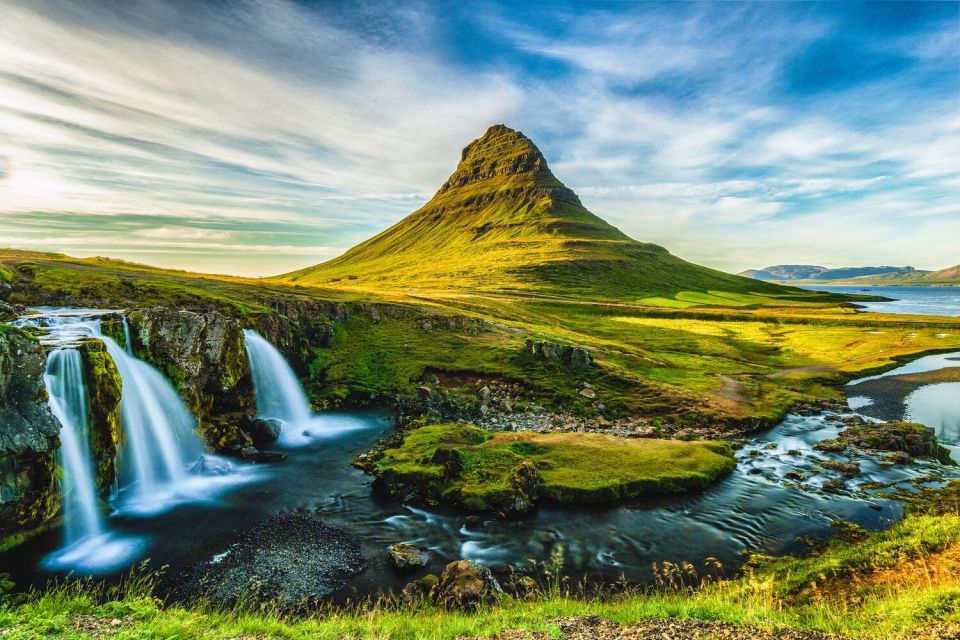
Kirkjufell is the star everyone recognizes, and the tour treats it like the photo magnet it is. You get about 20 minutes here—enough time to reach the classic viewpoint, take photos with the waterfall nearby, and still avoid that feeling of being late back to the bus.
The key is how the mountain works visually. Kirkjufell rises sharply from the sea, so even a short stop gives you multiple compositions: tighter framing with the waterfall, wider shots that show the coastline curve, and angles that emphasize the “mythic cliff” feeling of the area.
This isn’t a long hike. It’s a viewpoint visit. That’s a good match if you’re doing Snæfellsnes as a one-day trip and want the iconic moment without spending your whole day walking.
Quick note: if weather is foggy or snowing, expect fewer “crisp postcard” photos. The upside? Winter light and drifting snow can add mood fast, and guides sometimes make extra quick photo stops if conditions improve.
Djúpalónssandur Black Sands: Shipwreck Remnants and Legends
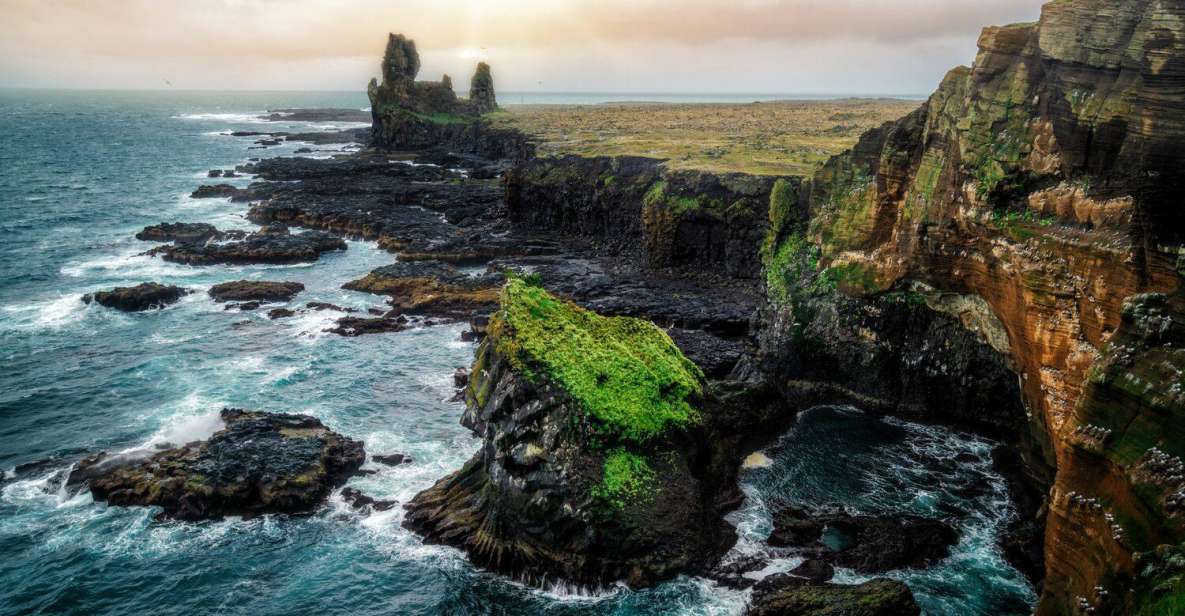
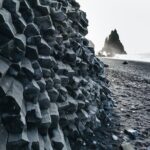
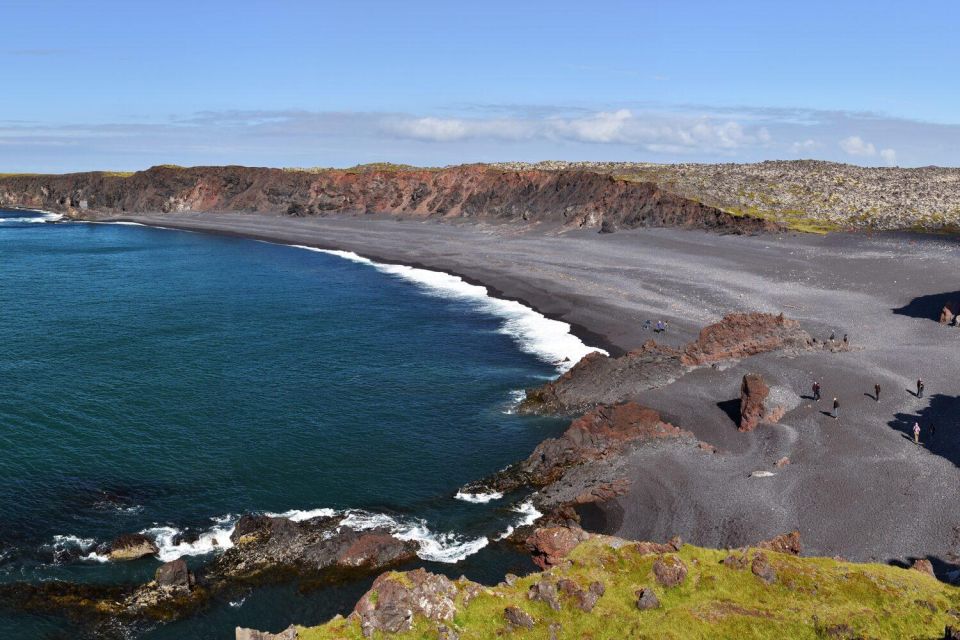
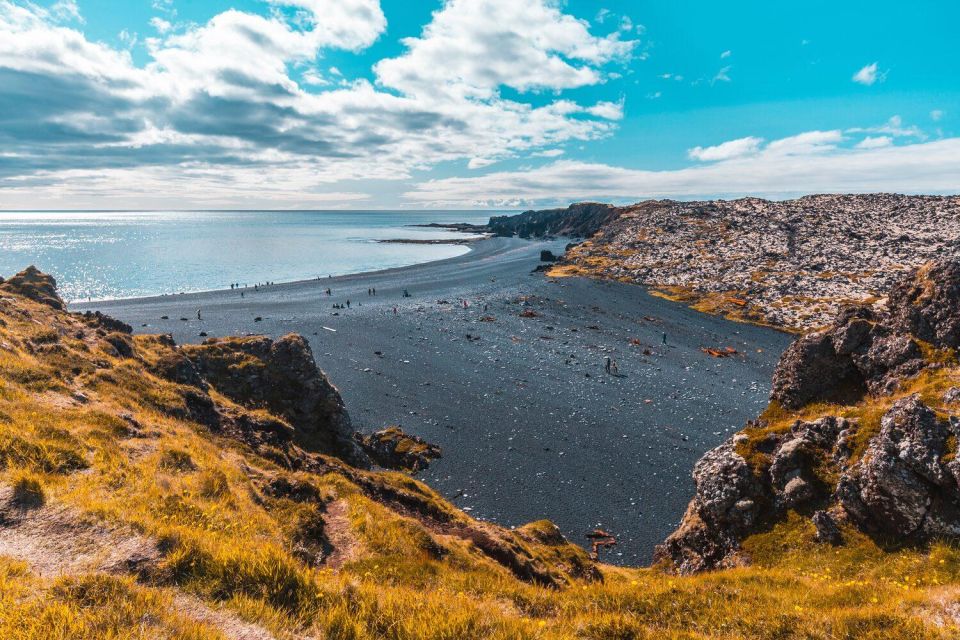
Next comes one of the most memorable spots on the peninsula: Djúpalónssandur. You’ll walk around black pebble shores, with about 45 minutes to explore. This is the kind of place where the ground looks almost otherworldly—dark stones underfoot, ocean pressure, and a shoreline that feels carved by time and weather.
What makes it special isn’t just the color. You’ll hear stories connected to shipwrecks and coastal legends tied to this stretch of coast. The tour’s value here is that the guide helps you connect the dramatic scenery to why people in Iceland talk about these places.
A practical tip: black pebbles can be uneven. Wear proper hiking shoes, not thin sneakers. If you don’t want to gamble on footwear, the supplier offers rentals (warm footwear and waterproof gear) if you let them know in advance—ISK 1,000 per item.
If you’re aiming for photos: bring your camera strap, and watch your footing. The ocean edge is where wind will try to steal your balance and your hats.
Arnarstapi and the Sea Cliffs: Fishing Village Energy Without the Crowds
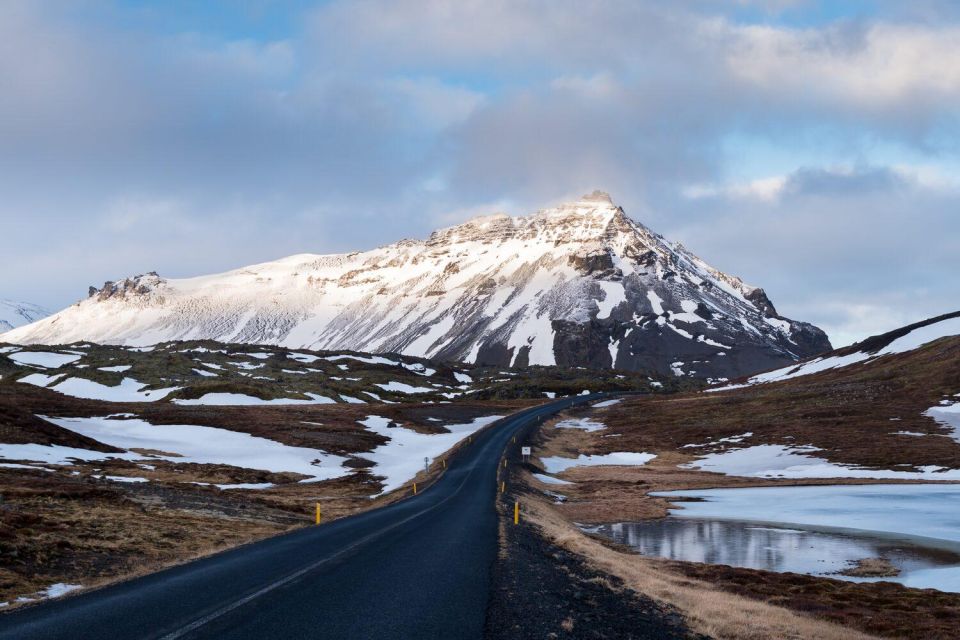
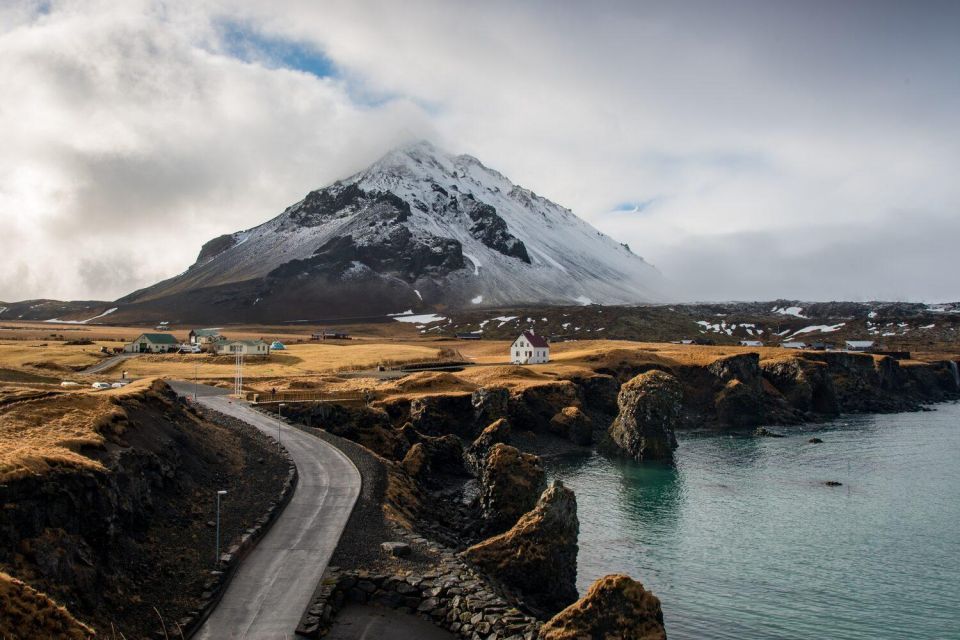
Arnarstapi is the kind of fishing village that feels small on a map but big in personality. You’ll have around 50 minutes here, with time to wander near the sea cliffs and explore the coastline paths at a comfortable pace.
The tour highlights the Miðgjá Stone Bridge area, a natural rock formation you’ll want to find before the group starts stacking up for the walk back to the bus. It’s one of those places where “short walk” can still give you satisfying views—cliffs meeting surf, rocky outcrops, and that wind-carved coastline texture that looks different every time the waves hit.
One thing I appreciate: Arnarstapi is a great place for a “slow stop” within a fast day. You’re not just taking photos from one angle. You can move along the coastline viewpoints and get your bearings visually.
If weather turns ugly, the cliffs can be extra dramatic. You just need to be honest about how far you want to walk. This tour gives you time, but it isn’t a full-day climbing expedition.
Búðakirkja (Búðir Black Church): A 19th-Century Icon in Open Land
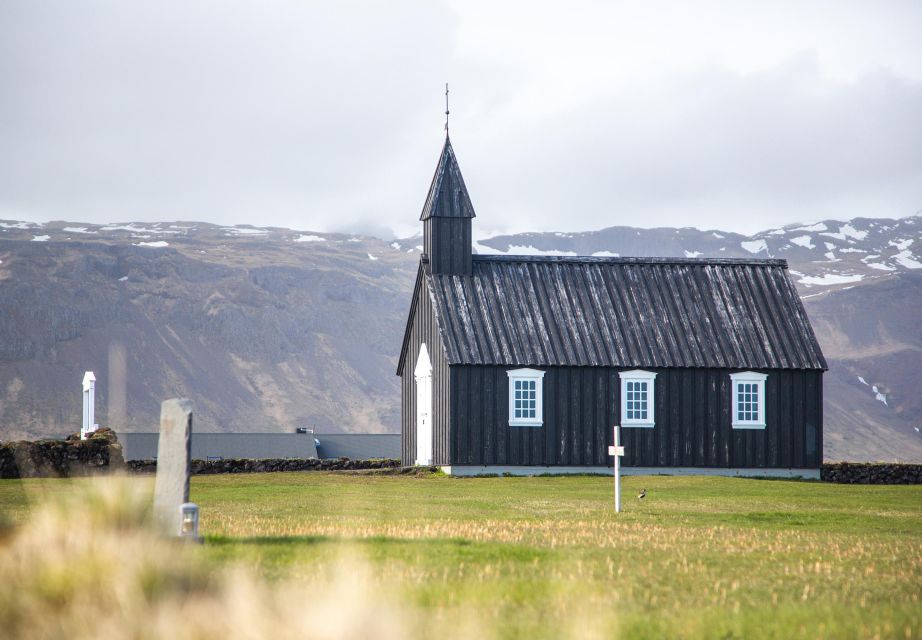
Búðakirkja, often called the Black Church, is next. You’ll get a photo stop and a short visit—about 15 minutes. It’s not long, but it’s a powerful visual stop because of the contrast: a dark church against wide open land and sky.
What you’re really capturing here is framing. In the photos, the church tends to look like it’s positioned for a reason—weather, terrain, and light all cooperate. In real life, the wide surroundings mean you’ll keep finding fresh angles as clouds shift.
Because time is limited, treat this as a “get the shots, then look around” stop. If you’re traveling in a group, it’s easy to lose 10 minutes just chatting near the curb. Use the stop like a mini sprint: one wider shot, one closer view, then spend a minute inside if it’s open when you arrive.
Ytri Tunga for Seals: When the Coasts Get Alive
Ytri Tunga is a photo stop and visit about 15 minutes long, with the goal of spotting seals at the beach. On the right day, it can be pure fun: you look out, you see movement, and suddenly the coast feels busy in a good way.
There’s also a seasonal wrinkle. In the darkest winter months—December and January—Ytri Tunga unfortunately isn’t visited due to limited daylight. If you’re booking for those months, you’ll want to mentally swap this stop out for extra time elsewhere on the peninsula (and accept that seals won’t be part of the plan).
For timing and etiquette: keep your distance and don’t crowd the shoreline. In past departures, some stops have felt busier than you’d hope near wildlife. You’ll get better sightings and a better experience if you respect space, keep noise down, and let the seals do their thing.
Berserkjahraun Lava Fields and Viking-Lore Roadside Stops
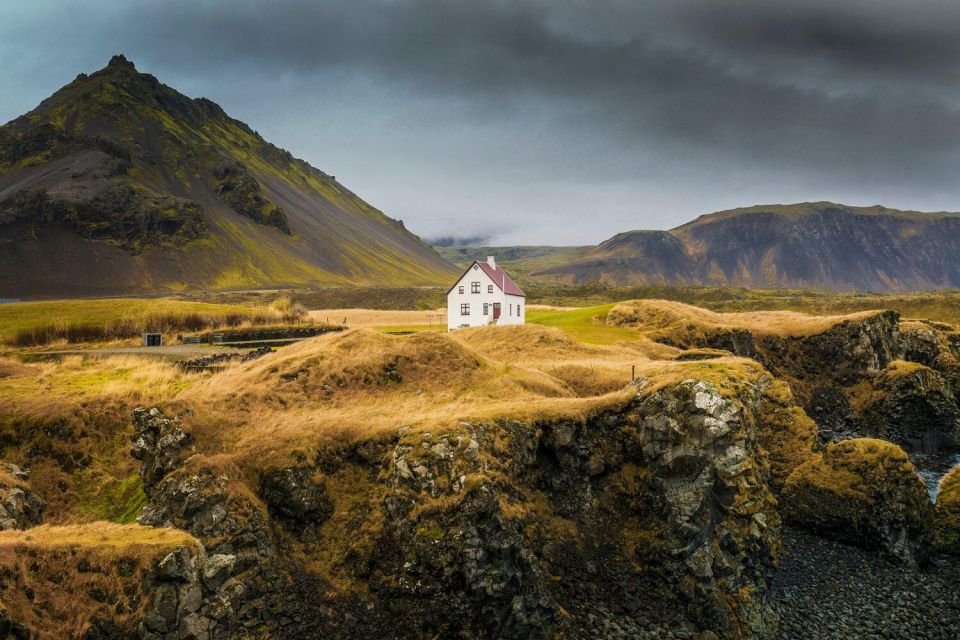
Between the coastal highlights, you’ll travel through lava-field country. The tour includes the Berserkjahraun area, tied to Viking-era lore. Even if you’re not a saga specialist, that connection matters because it changes how you see the scenery—you start thinking about how people explained forces they couldn’t control.
You won’t spend hours hiking in the lava. This is mostly “look, absorb, photograph,” paired with the drive that links the day’s famous points. Still, it’s an important part of why Snæfellsnes feels different from other day trips: you get a sense of the peninsula’s volcanic backbone, not only its beaches.
If the roads are slick (winter can do that fast), the guide’s job becomes extra important. One reason these departures rate well is that guides also act like traffic and weather managers, keeping you moving safely between stops.
Borgarnes Breaks and the Icelandic Hot Dog Moment
You’ll stop in Borgarnes for breaks. There’s a longer break time (around 30 minutes) early in the day, plus a shorter one later (around 15 minutes). The tour includes a chance to taste a local Icelandic hot dog during the Borgarnes stop.
Food and drinks are not included on the tour, so think of this as your built-in opportunity to grab something without scrambling for a café on your own. If you want a proper meal, you’ll likely need to pay for it separately.
This is also a good moment to recharge your body: use the restrooms, hydrate, and warm up. Coast air can drain you faster than you expect, especially in February and November when temps can surprise you even with sunny skies.
Price and What $148 Buys You (and What It Doesn’t)
At about $148 per person for a 12-hour day trip, you’re paying for more than a bus ride. You’re buying:
- Round-trip Reykjavik pickup and drop-off
- An experienced live guide who ties stories to stops
- Guided touring by minibus
- Free Wi‑Fi onboard
What you’re not buying is food. Drinks are also on you. You’ll either eat in Borgarnes or plan snacks from outside the tour.
So is it good value? For most people doing Snæfellsnes from Reykjavik, yes—because driving and parking solo across a big loop takes energy, and you’d still miss the “why this matters” layer. The tour’s pace does mean you won’t go deep at every location, but that’s the deal for a day.
One thing that keeps coming up positively in real departures is how guides manage time and adjust when possible. Some guides even add quick extra stops if conditions allow. That kind of flexibility can make the day feel fuller without breaking the schedule.
Small-Group Energy: Why the Day Feels Comfortable
The tour is set up as a small-group day, and the feel is usually calmer than big coach tours. You still have a schedule, but you’re not swallowed by a crowd at every viewpoint.
This matters at Kirkjufell and the seal beach, where photo demand can spike. When a guide handles group flow well, you get photos without standing in a human parking lot for 20 minutes.
You’ll see it in how different guides have been described across departures: Slavi, Magga, Arny, Sven, and Sergio in particular have been noted for being friendly and making the long day feel lighter—often through humor and stories, and sometimes by stopping for extra photo opportunities.
Clothes, Shoes, and Cold-Weather Reality (Read This Part)
If you do this tour in winter or shoulder season, dress like you expect wind. The tour recommends warm outdoor clothing, a waterproof jacket and pants, headwear, and gloves. Good hiking shoes are strongly advised.
If you forget something, you might still be able to rent gear: waterproof clothing or hiking shoes can be rented if you inform the supplier in advance, at ISK 1,000 per item.
This isn’t about fashion. It’s about staying comfortable enough to enjoy the stops instead of counting minutes until you can warm up. Coastlines and black-sand shorelines are exposed, and the tour keeps you outside for short walks and viewpoint time.
Should You Book This Snæfellsnes Day Trip?
Book it if you want a smart, efficient intro to western Iceland and you like seeing iconic places without the stress of driving. This tour is a strong fit if you care about scenery and stories, and you’re okay with timed stops.
Skip it (or adjust expectations) if you hate long days or you need more time to linger. The strongest downside is simple: there’s a lot packed into 12 hours, so you won’t do long hikes or extended wildlife-watching sessions.
If you’re deciding between seasons: in December and January, you’ll trade off the seal chance at Ytri Tunga for daylight reality. In those months, dress warmer, expect harsher conditions, and lean into the photo mood and the coast’s dramatic look.
FAQ
FAQ
How long is the Snæfellsnes Peninsula and Kirkjufell tour?
It runs for 12 hours from Reykjavik.
What time does pickup start in Reykjavik?
Pickup begins at 8:00 AM, and your guide will arrive within up to 30 minutes depending on your pickup location and traffic.
Is food included in the tour price?
No. Food and drinks are not included. You’ll have a break in Borgarnes where you can taste an Icelandic hot dog, but you’ll still pay for your own food.
Will the tour visit Ytri Tunga in winter?
In December and January, Ytri Tunga isn’t visited because there isn’t enough daylight.
What should I wear?
Bring warm outdoor clothing, a waterproof jacket and waterproof pants, plus headwear and gloves. Good hiking shoes are recommended.
Is there Wi-Fi and is the guide English-speaking?
Yes. There’s free Wi‑Fi on board, and the live tour guide speaks English.