REVIEW · REYKJAVIK
Viking Knife–Making Workshop in Reykjavik
Book on Viator →Operated by Creative Iceland · Bookable on Viator
Making a knife feels almost magical. In this Reykjavik workshop, you’ll learn Viking-style techniques from Icelandic maker Palli, including designing, shaping, sanding, polishing, and finishing a leather sheath from materials he’s gathered over the years. You’re not just watching—this is hands-on knife making where you leave with a real souvenir you built.
I really like the mix of craft and pause built into the day. You get a traditional Icelandic lunch with tea or coffee, plus plenty of time to work at your own pace with tools and materials included. One thing to consider: even though the skill level is listed as none, you’ll still want decent hand control and a willingness to follow directions closely.
In This Review
- Key things to know before you go
- Where the Day Starts in Mosfellsbær and How the Workshop Works
- What You Actually Make: Your Viking-Style Knife and Leather Sheath
- A Day Shaped by Craft: From Design to Finishing
- The Lunch Break That Feels Like Part of the Story
- Price and Value: Is $404.01 Worth a 6-Hour Workshop?
- Who This Workshop Is Best For (and Who Might Feel Frustrated)
- Logistics That Actually Matter on a Craft Day
- What Makes the Instructor Moment Count: Palli’s Teaching Style
- Tips to Get the Best Knife (Without Stress)
- Should You Book This Viking Knife–Making Workshop in Reykjavik?
- FAQ
- How long is the Viking Knife–Making Workshop?
- Where does the workshop meet and where does it end?
- Do I need any prior experience to join?
- What will I take home at the end of the workshop?
- Is lunch included?
- Does the workshop run in bad weather?
Key things to know before you go
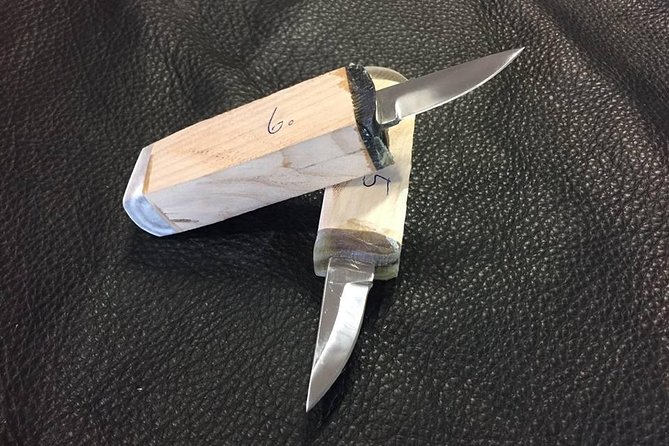
- You’ll make the knife and sheath yourself: materials and tools are provided, and you complete one knife in the workshop.
- Small group size (max 10) means more direct help when you’re shaping, sanding, and finishing.
- No experience needed, but you should be ready for physical work with your hands.
- Natural materials, foraged locally are part of the appeal, tied to methods used over decades of practice.
- Lunch is part of the experience: traditional Icelandic food, plus coffee and/or tea included.
Where the Day Starts in Mosfellsbær and How the Workshop Works
The workshop starts at 9:30 am in Mosfellsbær, and it ends back at the same meeting point. It’s designed as a full, focused half-day craft session (about 6 hours), not a quick demo. You’ll come for a guided build, then walk out with a knife and sheath that look like they belong in a Viking-era story.
The setting matters here. Being near practical stuff—bar/coffee shop/gift shop and free parking—helps if you’re arriving early or want to stretch your legs after. And since the session runs rain or shine, you’re not gambling with Iceland weather ruining your plans.
This is also a group format, with up to 10 travelers, so you’ll get a balance of instruction plus time to work. That small size is a big deal when you’re trying to sand, polish, and shape without rushing.
You can also read our reviews of more tours and experiences in Reykjavik


What You Actually Make: Your Viking-Style Knife and Leather Sheath
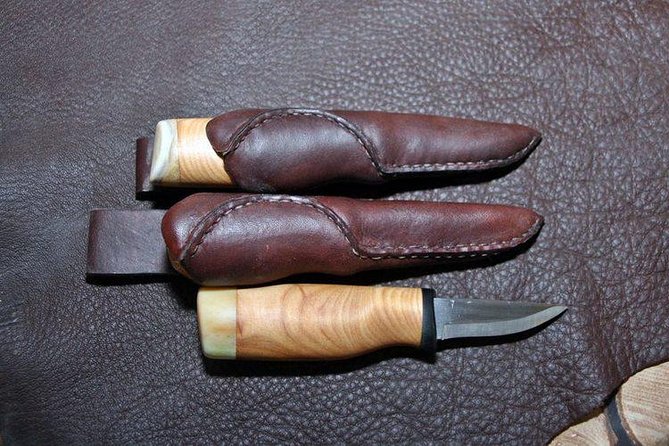
The headline is simple: you make your own Viking-style knife and a leather sheath. You’re guided through the full process—designing and shaping the handle, then moving into finishing steps like sanding and polishing. There’s also sheath-making time, so your knife isn’t just a blade in a bag. It’s a set.
The most interesting part is the materials. This workshop uses natural supplies that the instructor has collected from Icelandic nature over the years, using techniques refined over decades. Even if you don’t know much about knife-making, you can feel what that means: the work is grounded in real craft habits, not a one-time class demo.
You also get the practical side covered. The workshop includes materials, use of tools, and you complete one knife during the session. So you’re not worrying about bringing gear, buying extras, or figuring out how to “keep going” after class. Your project ends when it’s meant to end.
A Day Shaped by Craft: From Design to Finishing
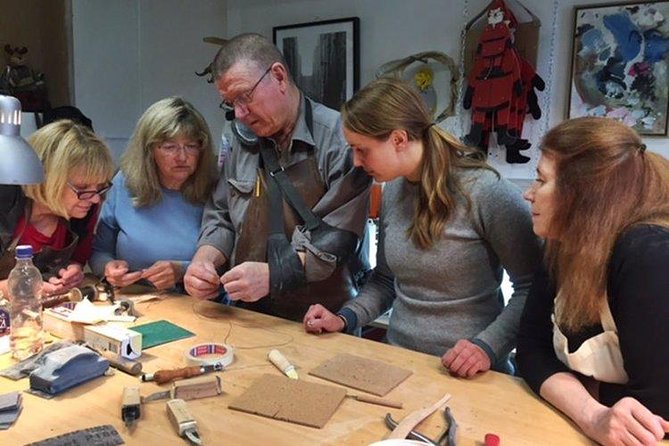
This isn’t just hammering away at metal. It’s a sequence of tasks that teaches you what Viking-style knives rely on: shape, control, and finishing.
Here’s how the day generally plays out, in a way that helps you understand what you’ll be doing:
1) Getting set up and understanding the process
You’ll get instruction and supervision as you learn the steps. The goal is to keep you safe and moving, and to help you avoid common mistakes (like sanding in a way that won’t look right once the handle is shaped).
2) Design and handle work
A lot of the character of a knife comes from the handle. You’ll spend time shaping it—getting it into a form that feels good in your hand and looks right as a finished piece. This is where small adjustments matter, because you’re not building a factory product; you’re building something personal.
3) Sanding and polishing
Next comes the slow-but-satisfying finishing. Sanding isn’t glamorous, but it’s what makes everything look clean once you’re done. Polishing helps the final surfaces look sharp and intentional instead of rough and rushed.
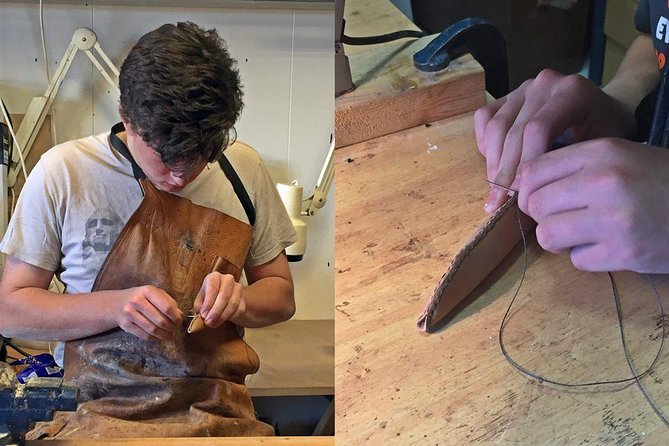
4) Making the leather sheath
The sheath is where the project becomes more than a blade. You learn the sheath-making steps so the knife has a proper home. Even if you don’t become a leather expert that day, you leave with something functional and travel-worthy.
If you’re wondering whether you’ll feel lost: you won’t. The workshop is built for beginners, and the instruction style is patient and clear. You’ll get guidance when you need it, and you’ll have time to work through the steps without being bulldozed.
The Lunch Break That Feels Like Part of the Story
You’ll get a traditional Icelandic lunch, plus coffee and/or tea. This isn’t just filler between tools. Food breaks in workshops often decide whether the day feels like a grind or a calm creative session—and here it’s positioned as a genuine reset.
One reason this lands well: it gives you time to slow down, eat something local, and then return to your knife with fresh focus. You also get to relax while the group is still together, which helps the day feel social without turning into a noisy tour bus.
And yes, this kind of lunch matters on a craft day. It keeps energy steady while you’re working with your hands for hours.
Price and Value: Is $404.01 Worth a 6-Hour Workshop?
At $404.01 per person for about 6 hours, this isn’t a cheap activity. But it also isn’t a “watch someone else work” experience.
The value comes from three main places:
- You take home a real finished item: a Viking-style knife plus a leather sheath. This isn’t a paper certificate or small souvenir. It’s something you can display, use carefully at home, or gift.
- Materials and tools are included: you aren’t paying extra for supplies mid-course.
- Food is included: the traditional lunch with tea/coffee makes the day easier to plan and helps justify the total cost.
Also, you’re paying for instruction and supervision during the steps that are hardest to learn alone. The knife-making process is the kind of craft where “trial and error” can waste time and create uneven results. A structured workshop helps you get to a finished outcome you’ll be happy to bring home.
If you’re the type who likes “I did something” souvenirs—especially craft you can understand—this price starts to make sense fast.






Who This Workshop Is Best For (and Who Might Feel Frustrated)
This workshop is designed for skill level: none, so you don’t need prior knife-making experience. It’s a strong fit if you want an authentic Iceland activity that’s tactile and memorable.
You’ll probably love it if:
- you enjoy hands-on classes more than sightseeing
- you like making gifts that feel personal
- you want a calmer experience with small group attention
- you’re interested in Icelandic craft traditions and the idea of using natural materials
You might want to think twice if:
- you don’t like steady manual work with your hands (there’s a clear emphasis on following directions closely)
- you’re expecting a quick “knife starter” where everything is easy and effortless
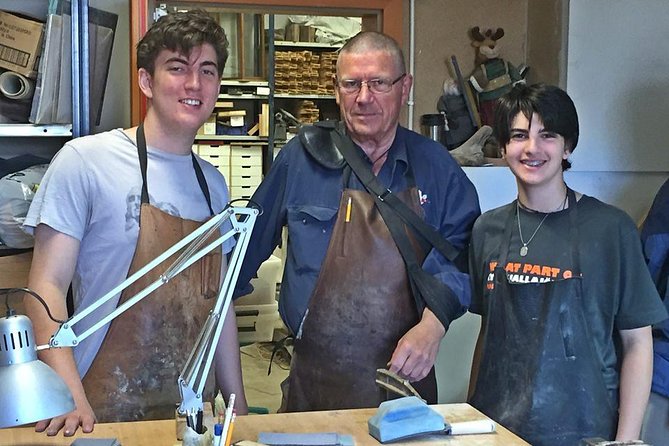
That said, the overall experience style is supportive. The instructor runs the class patiently and walks you through what to do, which reduces the chances of you feeling behind.
Logistics That Actually Matter on a Craft Day
Start time is 9:30 am, and the activity runs about 6 hours. Since there’s no hotel pickup or drop-off listed, you’ll need to make your own way to the meeting point in Mosfellsbær. The good news: there’s free parking nearby and it’s close to public transportation, plus there are coffee and gift options in the area if you need a little buffer time.
You’ll also want to plan for weather because it’s rain or shine. In Iceland, that’s just smart. Bring a practical layer you’ll be comfortable in while moving between breaks and working stations.
And do give yourself mental room: you’ll be working with tools, following steps, and focusing on finishing details. This isn’t a multitask day for roaming around or checking your phone every 10 minutes.
What Makes the Instructor Moment Count: Palli’s Teaching Style
A big part of why this works is the instructor—Palli. The class is described as both fun and relaxing, which is a rare combination for something as hands-on as knife-making. You’re learning a process, but it doesn’t feel like a test.
I like how the teaching is practical: you get guidance through the steps like designing, sanding, polishing, shaping, and making the sheath. When you’re learning a craft, that kind of structured direction is what turns confusion into progress.
There’s also a storytelling layer. You’ll hear about what the instructor makes himself and learn a bit of Iceland through the craft lens. That helps the day feel connected to place, not just like a workshop that happens to be in Iceland.
Tips to Get the Best Knife (Without Stress)
You don’t need special skills, but you do need the right mindset. Based on how the workshop is described, this is the kind of class where your success depends on listening and doing the step the way you’re shown.
Here are a few practical ways to set yourself up:
- Go in with a willingness to follow directions. Small changes in sanding and shaping can affect the finish.
- Use firm grip strength. The workshop notes indicate you’ll benefit from having decent grip strength as you work.
- Take your time on finishing. Polishing and smoothing are where your knife starts looking like a finished keepsake.
- Pay attention during sheath-making. Don’t rush the steps that affect how the knife sits in the leather.
If you do those things, you’ll end the day proud—not just entertained.
Should You Book This Viking Knife–Making Workshop in Reykjavik?
If you want a real Iceland memory you can touch, I’d lean yes. This workshop combines craft, local materials, and a traditional meal, and it ends with a finished knife and leather sheath that feels like something you earned.
Book it if you:
- want a small-group, hands-on day
- like making gifts or keeping functional souvenirs
- enjoy learning a process more than just taking photos
Skip it only if you’re not into manual work or you’d rather spend your time on big-ticket sightseeing instead. For the right traveler, this is one of those days that turns into a story you’ll be telling for a long time.
FAQ
How long is the Viking Knife–Making Workshop?
It runs for about 6 hours.
Where does the workshop meet and where does it end?
It starts in Mosfellsbær, Iceland, and it ends back at the same meeting point.
Do I need any prior experience to join?
No. The workshop lists skill level as none, and instruction is provided during the process.
What will I take home at the end of the workshop?
You’ll make and complete a Viking-style knife and a leather sheath, which you can take home as souvenirs.
Is lunch included?
Yes. A traditional Icelandic lunch is included, along with coffee and/or tea.
Does the workshop run in bad weather?
Yes. It takes place rain or shine.