REVIEW · REYKJAVIK
Whale Watching and Marine Life Tour in Reykjavik
Book on Viator →Operated by Iceland Discover · Bookable on Viator
Watch for whales close to Reykjavik. This 3-hour cruise runs out of the Old Harbour area into Faxafloi Bay, where you might spot humpbacks, minkes, dolphins, and even orcas, all with help from the crew. I especially love the chance to learn what you’re seeing from the on-board biologist/captain team and the convenience of onboard Wi‑Fi to upload your best shots in real time. One thing to keep in mind: wildlife sightings depend on conditions and location, so not every trip ends with whales in view, even with the operator’s backup plan.
Two highlights really stand out for me. First, I like that the guides focus on how to spot whales, including practical call-outs like where to look using clock directions and what behavior can mean when an animal dives. Second, I appreciate the “try again” safety net: if you don’t see wildlife, you’re issued a ticket for another day. The main drawback I’d flag is that conditions can be rough and sighting luck varies, including at least one unhappy report about how close the boat felt to animals—so do expect a real, active search out on the water, not a quiet scenic cruise.
If you’re going in with the right mindset—dress for cold, be patient on the chase, and keep your expectations tied to real marine life—you’ll likely have a trip you remember long after the photos are posted.
In This Review
- Key Things I’d Bet You’ll Notice on This Tour
- Why Whale Watching From Reykjavik Feels Special
- Price and What You Get for About $98
- Getting Set Up at Old Harbour House (and What to Bring)
- Onboard Wildlife Spotting: Guides, Biologists, and Real Instructions
- Harpa From the Water: Reykjavik’s Glass Icon in Motion
- Faxafloi Bay, Engey, Lundey, and Viðey: The Islands You’ll Clock by
- What Marine Life You Might Actually See (All Year, Not Just Summer)
- The Trade-Off: Close Encounters vs. Search Time
- Weather, Choppy Water, and Why Timing Matters
- Photos, Onboard Wi‑Fi, and Staying Warm Without Missing the Moment
- Who This Tour Is Best For (and Who Might Want a Plan B)
- Should You Book This Whale Watching Tour?
- FAQ
- How long is the whale watching and marine life tour?
- Where do I meet for the tour?
- Is the tour offered in English?
- What if I don’t see wildlife on my trip?
- Does the tour depend on weather?
- What is the cancellation policy?
- Are service animals allowed?
Key Things I’d Bet You’ll Notice on This Tour

- Captain and biologist spotting help makes sightings easier to find and more meaningful
- Onboard Wi‑Fi helps you upload photos while the excitement is still fresh
- Second-day wildlife ticket reduces the risk of wasting your one big whale slot
- Reykjavik views from the water are a bonus, especially with Harpa
- Small-to-medium boat limits help keep the experience from feeling like a cattle call
Why Whale Watching From Reykjavik Feels Special
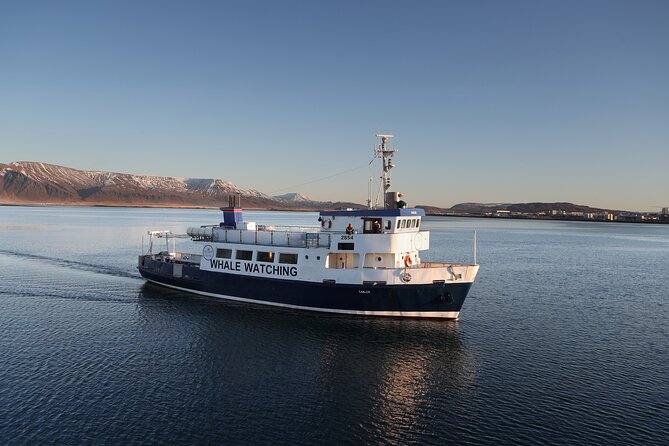
Reykjavik isn’t just a starting point. It’s a front-row seat to marine life that shows up unusually close to town in the right season, which is exactly what this kind of tour is built around. You’re typically not waiting all day to get offshore—you’re going out from downtown and hunting in a bay where ocean mammals can be a few minutes away.
The best part is that you’re not just passively hoping. The crew actively reads the water and the behavior, and they point out what to look for so you can enjoy the moment even if the first few minutes don’t pay off.
And yes, the city scenery matters too. Coming back and forth means you’ll also see Reykjavik’s waterfront and landmarks from an angle you don’t get from street level.
You can also read our reviews of more whale watching tours in Reykjavik

Price and What You Get for About $98
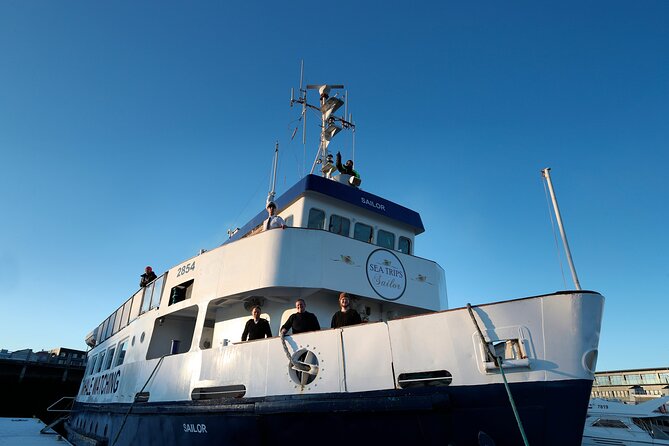
At about $98 per person for roughly 3 hours, this isn’t a budget activity, but it also isn’t pricing you like a private charter. What you’re paying for is the time-critical work: finding whales and dolphins depends on getting to the right stretch of water and doing it efficiently.
This price starts to feel reasonable when you consider the backup option—if you don’t see wildlife, you get a ticket for another day. That one detail is the difference between a tour that feels like a gamble and one that feels more like a planned wildlife day with a safety net.
The operator also caps the group at 75 travelers, which usually helps with boat flow and how often guides can communicate clearly over the noise of the sea. You’ll still feel like you’re in a group, but it’s not described as an enormous floating crowd.
Getting Set Up at Old Harbour House (and What to Bring)
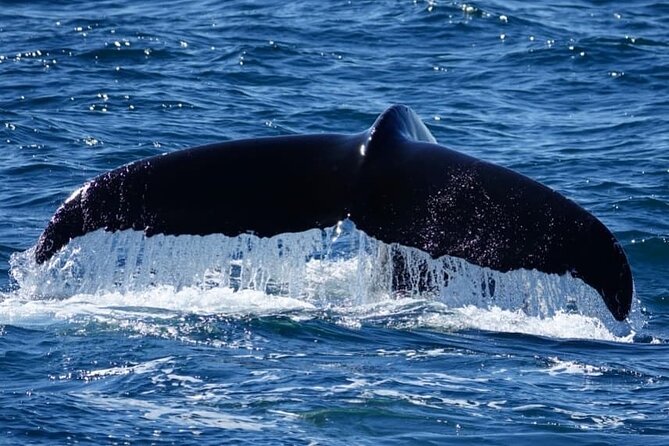
Your meeting point is Old Harbour House, at Ægisgarður 2 in central Reykjavik. The tour ends back at the meeting point, so you’re not dealing with a long transit log before or after.
One practical lesson from real-world trips: check in at the old harbor restaurant area, not just the pier line you see first. After you finish, that same area is a handy place to refuel—one reviewer even called out soup as a smart post-boat move when you’re chilled to the bone.
What you bring matters more than you think. Iceland water and wind can feel sharper than the land air, and several comments stress that you should dress warm—add layers even if you think you’re already set. Bring gloves, and plan to stay warm while you watch from the open deck as the crew looks for blows and movement.
Onboard Wildlife Spotting: Guides, Biologists, and Real Instructions
What I love about this tour format is that the wildlife spotting isn’t random. The crew teaches you how to look, and they keep you oriented when the action starts.
In multiple accounts, the guides and spotting staff are praised for being clear and methodical. One trip highlights Maria, a biologist, for helpful marine-life explanations during the outing. Another calls out Julian for expert marine life knowledge and strong guide work. That matters because whales and dolphins don’t show up on a schedule you can set your watch by. They appear, signal, and disappear fast, so knowing what you’re seeing turns a fleeting spout into an actual wildlife encounter.
You’ll also hear how to track movement once you see an animal. One reviewer described the guide using clock directions to help the group follow the latest whale location. That’s the kind of practical technique you can use again later in Iceland waters, even if you only ever do one whale tour.
Finally, there’s a key reassurance built into the experience: if you don’t see wildlife, you don’t just lose the money and move on. You get a ticket for another day. That doesn’t guarantee success, but it makes your risk feel smaller.
Harpa From the Water: Reykjavik’s Glass Icon in Motion
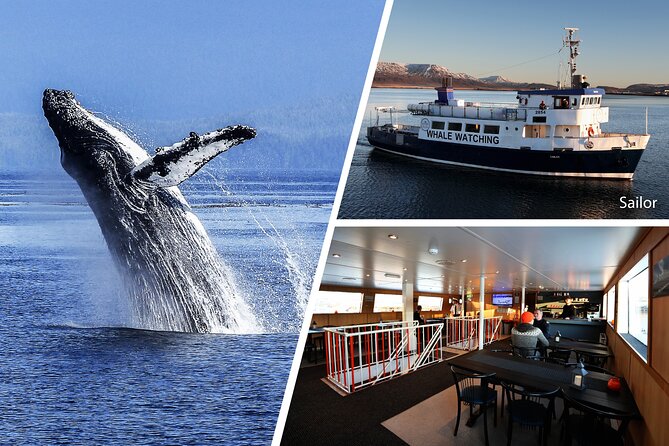
Even if your main goal is whales, you’ll appreciate the city stops because they make the cruise feel like more than a straight shot out to sea. One of the key points in the route is Harpa, Reykjavik’s concert hall and conference center.
Harpa is famous for its colorful glass facade, inspired by Iceland’s basalt landscape. From the water, that design reads differently: instead of static architecture, it becomes part of the moving scenery, with reflections and angles that are hard to recreate from the sidewalk.
So Harpa works as a kind of “warm-up visual.” It gives you something to enjoy while you’re waiting for the crew to call out whales in the wider bay.


Faxafloi Bay, Engey, Lundey, and Viðey: The Islands You’ll Clock by
Your route centers on Faxafloi Bay, on the southern shore area where Reykjavik looks outward toward distant landmarks. From this bay, it’s possible to see the peninsula of Akranes and, at a distance (around 120 km / 75 miles), Snæfellsjökull. Visibility changes daily, so think of this as a bonus when skies cooperate.
Faxafloi Bay also has a different feel than more island-heavy areas. Its islands are fewer and closer to land, and that matters because it changes the “where might wildlife be” logic the crew uses. You’re not reading an endless scatter of rocks and islands—you’re working with a more concentrated bay structure.
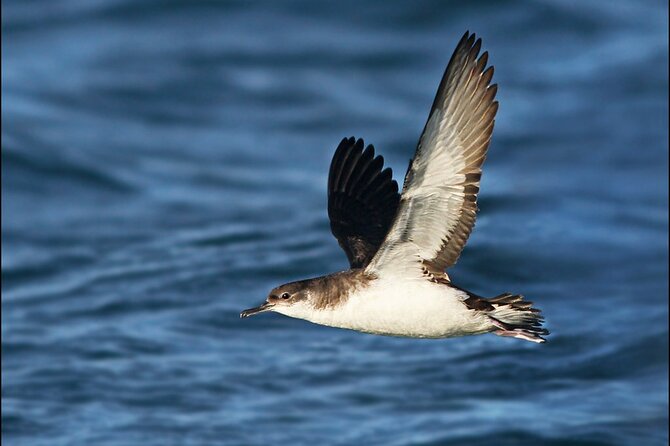
The tour route includes passing by islands such as Engey, Lundey (often referred to as Puffin Island), and Viðey. Even if you’re focused on whales, these islands are part of the wildlife story. You might see sea birds and puffins near the islands depending on conditions, and several comments specifically mention puffins showing up along the way.
If you’re a bird watcher, these stops give your eyes extra targets while the crew is scanning for whales. If you’re whale-first, the islands help explain why the bay can be productive—marine animals use feeding zones and travel corridors, and islands often frame those patterns.
What Marine Life You Might Actually See (All Year, Not Just Summer)
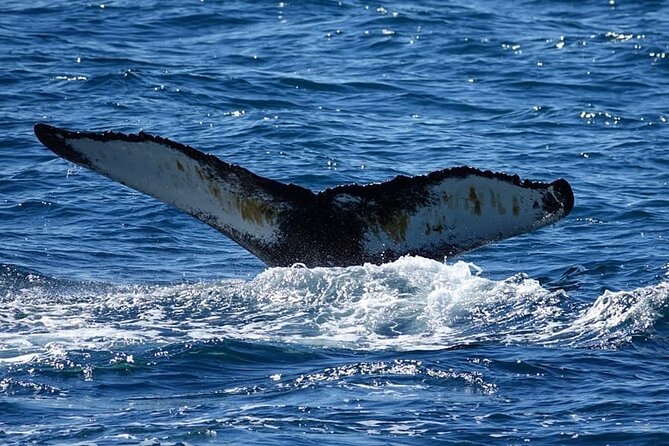
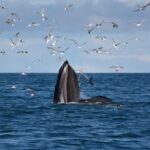
The season shapes your odds, but the tour is positioned for all-year whale watching. You can encounter ocean-going mammals just a short distance from Reykjavik, including minke, humpback, and killer whales. You may also see white-beaked dolphins and harbour porpoises.
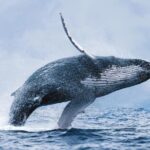
The most common excitement in the feedback is humpback whales. Several accounts mention humpbacks at close range, including one describing whales coming up so near the boat that it felt less than 5 metres away. Another notes powerful blows and even full-body breaches—so you’re not just looking for a distant spout on the horizon.
Orcas and minkes show up in some sightings too, which is a reminder that you shouldn’t assume the same “top 1 species” for every trip. One particularly strong report includes orcas, minkes, and humpbacks in the same outing, plus a mother-and-calf pair.
And dolphins aren’t just background noise. White-beaked dolphins are repeatedly mentioned, with reports describing dolphins gambolling in the waves and mixing with the whale action when the timing is right.
Still, keep one realistic expectation: the sea is not a zoo. If the day is slow, you may get fewer sightings, which is why the backup ticket feature matters.
The Trade-Off: Close Encounters vs. Search Time
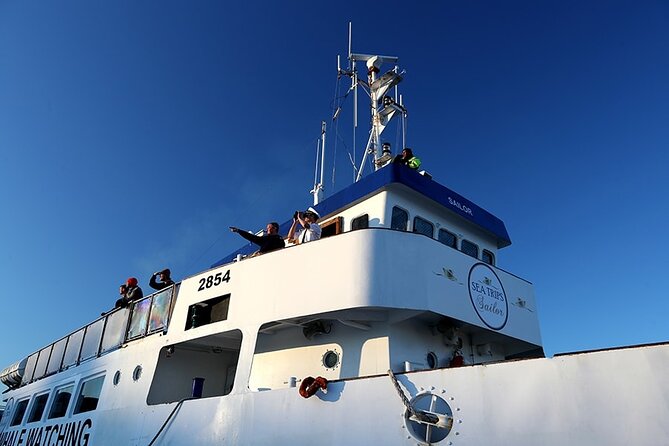
This is not a cruise where you sit and wait for nature to arrive. It’s a hunt, and that affects how the time feels.
The good news: when the crew finds the animals, many reports describe staying with them for a solid stretch and working hard to keep sightings in view. Several reviews mention the captain being patient and the guide explaining whether the animal is diving or continuing on the surface so the group can keep up.
The tricky part: when whales are sparse, the “find” phase can take time. One review calls out that the ride back and forth can feel long, and another says the group found only a small number of sightings at the time of the excursion.
There’s also the vibe question. One very negative comment argues that the boat seemed to chase whales too aggressively and disturb them. At the same time, other reviews say the operators worked hard to track without upsetting the animals, and praised the boat for getting close without doing reckless behavior. I can’t settle that debate for you from the information here, but I can tell you what to do: if you’re sensitive about animal disturbance, read multiple recent reviews before you book, and go in knowing the vessel may actively maneuver during sightings.
Weather, Choppy Water, and Why Timing Matters
This tour requires good weather. That’s stated clearly, and it’s the difference between a smooth wildlife day and a miserable boat ride. If weather is poor and the trip is canceled, you’ll be offered a different date or a full refund.
Wind and sea state also affect your viewing. Several comments mention windy, rainy, or choppy conditions as part of the search. If it’s rough, you’ll still go out, but you may struggle to take clear photos and you may find your patience tested on deck.
Timing matters in another way too: whale activity often concentrates in certain periods, and the summer is described as the peak time. That doesn’t mean winter is pointless, but your odds of frequent encounters tend to rise when whale watching demand is highest and marine life activity is more predictable.
One note on crowding: a review mentions seas being crowded on that particular day. Even with a 75-person cap, other boats in the bay can increase the “active scene” out there, especially in the peak season.
Photos, Onboard Wi‑Fi, and Staying Warm Without Missing the Moment
A standout feature here is onboard Wi‑Fi, designed for uploading live photos. That’s a surprisingly fun detail because it turns the trip into something you can share right away, while the sightings are fresh and your eyes are still buzzing from the last call-out.
For it to work smoothly, you’ll want to keep your phone charged before you board and consider a waterproof pouch or sleeve. Iceland weather can turn “quick photo” into “quick phone rescue” fast.
The other tip I really agree with from real reports: dress warm like you’re going to be outside most of the time. One reviewer specifically said to add another layer. You’ll be moving less than you think while you scan the water, and wind chills on boats can feel intense.
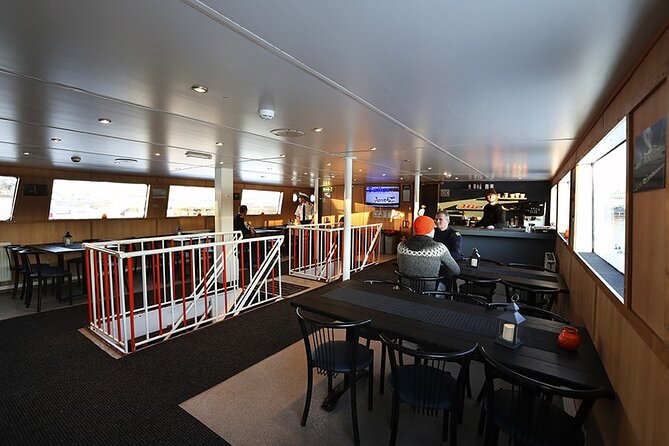
If you get cold easily, don’t rely on the idea that you’ll stay inside. Several people mention the setup being cozy, but the best sightings often happen when you can step outside quickly to get a clean view.
Who This Tour Is Best For (and Who Might Want a Plan B)
This whale watching tour is a strong pick if you:
- Want expert guidance while you look for whales, dolphins, and porpoises
- Like practical learning, like how to interpret whale behavior and spot movement fast
- Value a backup option if you strike out on wildlife
It’s also a good fit for couples, families, and solo travelers who want one focused “do it now” experience in Reykjavik. The max group size helps keep it from feeling chaotic, and the route includes both marine life and familiar city scenery like Harpa.
You might want to consider a different option if:
- You’re going for guaranteed whales no matter what. Wildlife sightings depend on conditions and timing, and even excellent operators can’t force animals into view.
- You’re extremely weather-averse. This activity requires good weather, and rough seas can make the experience less comfortable.
Should You Book This Whale Watching Tour?
My take: yes, you should book if you want a classic Reykjavik sea day with a real chance at close marine encounters and a crew that actively explains what you’re seeing. The combination of onboard instruction, onboard Wi‑Fi for photo uploading, and the second-day ticket if wildlife is missing makes it feel like a thoughtful risk-managed experience, not just a ticket into the fog.
But book smarter than “any day is fine.” Aim for better weather windows if you can, dress for cold so you don’t cut your own experience short, and go in knowing the main work is search-and-spot, not a guaranteed parade of whales on cue.
If you’re choosing between tours, prioritize the ones that emphasize spotting skill and responsible tracking, and check the most recent feedback for how the day’s sightings played out. If the bay has animals, this style of tour is built to help you see them well.
FAQ
How long is the whale watching and marine life tour?
It’s about 3 hours.
Where do I meet for the tour?
You start at Old Harbour House (Ægisgarður 2, 101 Reykjavík). The tour ends back at the meeting point.
Is the tour offered in English?
Yes, it’s offered in English.
What if I don’t see wildlife on my trip?
If you don’t see wildlife, you receive a ticket for another day.
Does the tour depend on weather?
Yes. It requires good weather. If it’s canceled due to poor weather, you’ll be offered a different date or a full refund.
What is the cancellation policy?
Free cancellation is available. You can cancel up to 24 hours in advance for a full refund.
Are service animals allowed?
Yes, service animals are allowed.