REVIEW · REYKJAVIK
4, 5, 6 or 7-Day Small-Group Ring Road Tour from Reykjavik
Book on Viator →Operated by Nicetravel ehf · Bookable on Viator
If your dream Iceland trip includes the full Ring Road, this is the do-it-without-a-car plan. You’ll see major hits from the South Coast all the way through the north and west, then finish with the Golden Circle classics near Reykjavik—while your lodging is handled for you.
What I like most is the small-group size (max 19), which keeps stops feeling personal and makes it easier to hear your guide without yelling. I also really like that accommodation with breakfast is included in double rooms with private bathrooms, so you’re not spending your energy hunting hotels each night.
One thing to think about: the days are packed with short sightseeing blocks, and some extras cost extra (glacier hike, baths, whale watching). That means you’ll want to plan your add-ons carefully and bring snacks just in case lunch timing gets tight.
In This Review
- Key Things That Make This Ring Road Tour Work
- A 7-Day Ring Road Loop From Reykjavik, Without the Car Stress
- Small-Group Touring With Up to 19 People (and Why It Matters)
- Price and Value: What Your $1,479 Covers (and What It Doesn’t)
- Day 1: Seljalandsfoss, Skógafoss, Reynisfjara, and Sólheimajökull Ice Time
- Day 2: Jökulsárlón Icebergs, Diamond Beach, Vestrahorn, and Vök Baths
- Day 3: Mývatn Geothermal Power, Dettifoss, Godafoss, and Studlagil
- Day 4: Akureyri Harbor Views, Hvítserkur, Turf Churches, and Optional Whales
- Day 5: Deildartunguhver, Hraunfossar, Lava Caves at Víðgelmir, and Horses
- Day 6: Seals at Ytri Tunga, Arnarstapi Cliffs, Djúpalónssandur, and Kirkjufell
- Day 7: Þingvellir UNESCO, Strokkur Geyser, Gullfoss, and Kerið Crater
- Packing, Shoes, and How to Handle Optional Extras Smartly
- Should You Book This Ring Road Tour?
- FAQ
- How long is the Ring Road tour from Reykjavik?
- What is the group size?
- Is hotel accommodation included?
- Does the tour include pickup in Reykjavik?
- What time does the tour start?
- Is Wi‑Fi available during the tour?
- Are lunch and dinner included?
- What optional activities cost extra?
- Which major attractions have entry included?
- What happens if weather affects activities?
Key Things That Make This Ring Road Tour Work
- Hotel stays with private bathrooms + breakfast are included, so you’re not solving lodging every night
- Small group (up to 19) means less crowding at viewpoints and easier logistics at stops
- Major Iceland highlights in 7 days, from Seljalandsfoss and Skógafoss to Þingvellir, Geysir, and Gullfoss
- Optional glacier hiking at Sólheimajökull gives you real ice-cap time (not just a bus stop)
- Onboard Wi‑Fi and USB chargers help you keep devices powered during long drives
A 7-Day Ring Road Loop From Reykjavik, Without the Car Stress
The Ring Road is one of those routes where the driving doesn’t feel hard—until you add everything else. Roads can be windy. Weather can change fast. Then you still have fuel stops, parking, hotel searches, and the constant question of what time you’ll arrive.
This tour removes a lot of that mental load. You start in Reykjavik, the bus moves you between regions, and you’re set up with included accommodation. That’s a big deal on a trip where daylight is precious and the “I’ll figure it out later” strategy can get expensive.
The sightseeing pace is built around multiple quick stops per day, usually with time to walk to viewpoints and get photos. It’s the right format if you want breadth: waterfalls, black-sand beaches, geothermal areas, glacier-adjacent sights, and the iconic finish at the Golden Circle.
You can also read our reviews of more tours and experiences in Reykjavik
Small-Group Touring With Up to 19 People (and Why It Matters)
This is a minibus tour with a maximum of 19 passengers. On a Ring Road itinerary, smaller usually means better.
First, it’s easier to manage the line at ticketed stops and to shuffle the group when a parking area is crowded. Second, guide-style communication stays practical. With a group this size, you can ask questions and get answers that actually help you plan your time on the ground.
A small-group format also tends to keep the day feeling less like a factory tour. Your guide can make judgement calls when conditions change, and you’re more likely to have a smoother experience at viewpoints where people normally bunch up.
Price and Value: What Your $1,479 Covers (and What It Doesn’t)
Let’s talk value in plain terms. You pay $1,479 per person for a 7-day Ring Road experience that includes:
- Hotel accommodation in double rooms with private bathrooms
- Breakfast each morning (breakfast is listed as included for 5 days in the provided details)
- English guidance
- Entry where specified (for example Vidgelmir Lava Cave on 5-day-or-longer options, plus Kerið Volcanic Crater on the itinerary)
- Hotel pickup and drop-off in Reykjavik
What isn’t included is also important:
- Lunch and dinner (you buy them during scheduled stops)
- Optional activities with extra cost
If you’ve ever done Iceland with a rental car, you know the hidden costs add up fast: lodging prices, gas, and the time you lose to driving fatigue. Here, your lodging and transportation are grouped into one paid package. You give up some freedom, yes—but you buy back time, energy, and planning stress.
Day 1: Seljalandsfoss, Skógafoss, Reynisfjara, and Sólheimajökull Ice Time
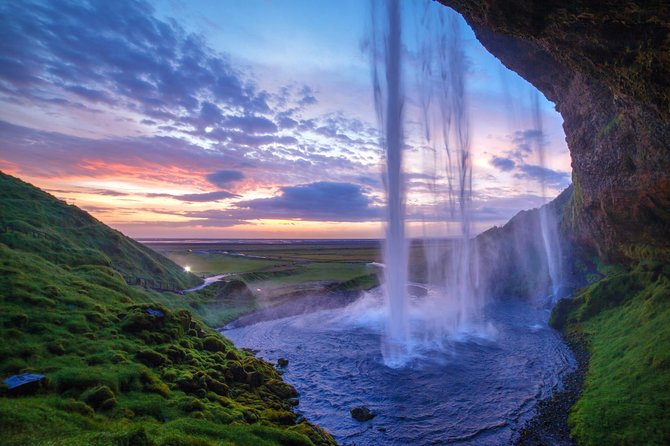
Day 1 is all about “wow factor” right out of the gate. You start with Seljalandsfoss, a waterfall you can walk around. It’s about a 60-meter drop and it sits under the Eyjafjallajökull glacier-volcano region. Even if you’ve seen waterfall photos, seeing it in person is different because the mist and water roar are immediate.
Then you move to Gljúfrabúi, sometimes called the hidden waterfall. It’s smaller and tucked into a cave-like setting. It’s short time on purpose—just enough to feel like you discovered something.
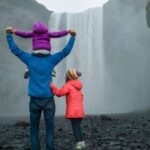
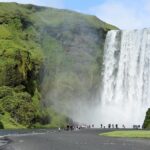
Next comes Skógafoss, the classic powerhouse cascade. This is one of those places where the water volume makes it feel theatrical without any effort on your part.
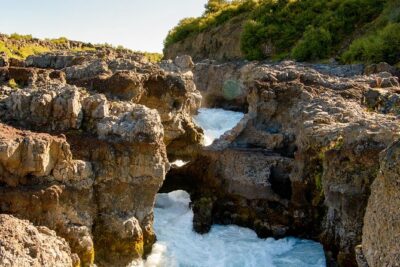
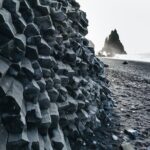
From there, you jump into the South Coast mood shift: Reynisfjara black sand beach under Mt. Reynisfjall. The basalt formations near the shoreline (including Reynisdrangar) are what you’ll stare at for photos. Quick practical note: the Atlantic can be rough, so keep a safe distance from the water’s edge and follow guide directions.
Lunch is a stop in Vík, a charming south-coast village with views over the Black Beach.
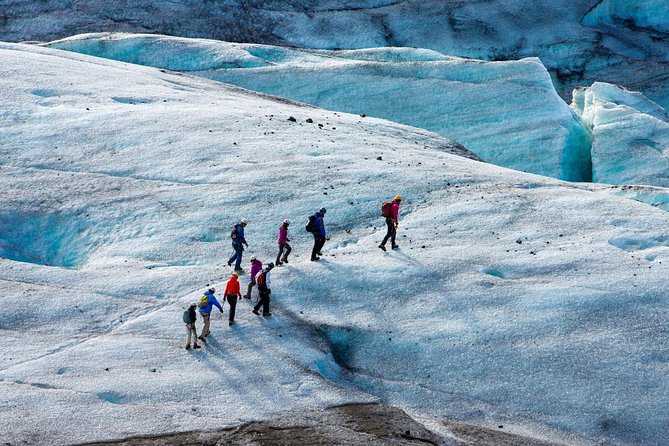
The day’s real signature moment is the Sólheimajökull Glacier. You can opt for an additional-cost ice-cap hike (about 3 hours total with safety intro, with around 1.5 hours hiking). This is one of the few chances you get to move on glacier ice without having to build your own logistics.
A smart tip from experience: once you’re fitted with gear, use confident footing. If they give you crampons/clamps, don’t shuffle—make firm steps so you don’t slip.
Day 2: Jökulsárlón Icebergs, Diamond Beach, Vestrahorn, and Vök Baths
Day 2 turns you toward the East Coast, and it’s one of the most visually dramatic days on the Ring Road.
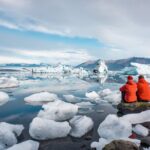
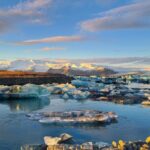
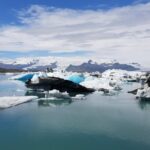
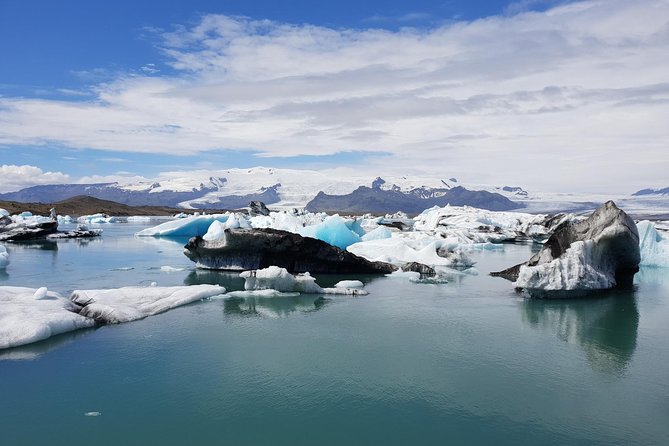
You start at Jökulsárlón glacier lagoon, often considered among Iceland’s most beautiful spots. If the tour offers it as an extra, you can also take an amphibian boat among floating icebergs. Even without the boat, the lagoon itself is memorable—ice pieces drift, and the colors can change minute to minute.
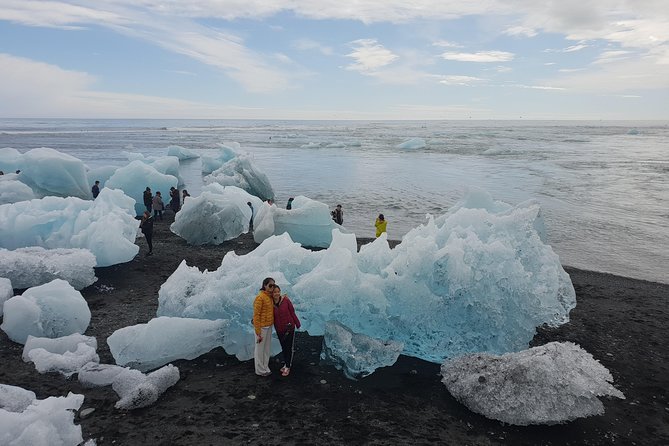
Then you head to Fellsfjara to see icebergs where they wash up at Diamond Beach. Watching icebergs move through the water and then seeing where they collect is oddly mesmerizing. It feels like you’re seeing the “after” of the lagoon in real time.
Next is Vestrahorn, a mountain known as a top photo location. You’ll usually have a short stop here, so move efficiently: pick your viewpoint angles quickly and don’t waste time wandering without a plan.
You’ll also spend time in Djúpivogur, a fishing village in a long narrow fjord area. The port walk is the right kind of easy after a day full of big-ticket nature sights. It helps the day feel more human.
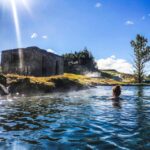
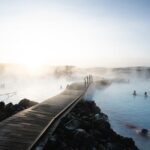
If you want an evening relax lever, there’s Vök Baths on extra cost. These geothermal pools sit at Lake Urriðavatn and are designed for soaking with a view of a quieter landscape. It’s the kind of end-of-day reset that makes the long drive worth it.
Day 3: Mývatn Geothermal Power, Dettifoss, Godafoss, and Studlagil
Day 3 is where Iceland’s geothermal side gets serious.
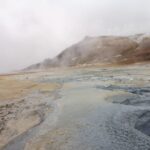
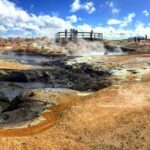
Start at Lake Mývatn, with geothermal areas, lava formations, and birdlife. You’ll also visit places like Dimmuborgir (dark lava formations), Grjótagjá (a hot spring cave used historically for bathing), the Krafla area, and Hverir geothermal fields. This day isn’t just scenery—it’s geology you can walk through, with steam and heat doing the talking.
Then you go to Dettifoss, widely known as Europe’s most powerful waterfall. Expect impact. Your short hike before heading back to the bus also includes Selfoss, which helps break up the “one big thing all day” feeling.
After that, the route heads to Goðafoss, the waterfall of the gods. It’s more than a photo stop because the power changes as you reposition—you’ll want to move slightly to see it from different angles.
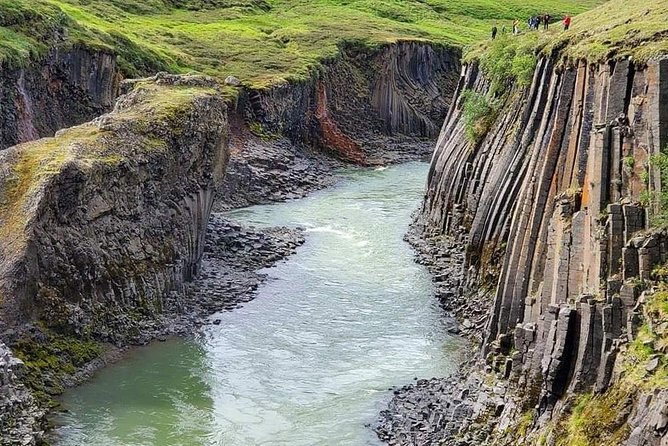
The final highlight stop is Studlagil canyon. This one feels different from the rest: turquoise water cutting between dramatic basalt-column formations. It’s short walking from the parking area, so it works even if you don’t want a long hike.
There’s also an optional extra: Forest Lagoon, with warm pool temps and sauna/cold plunge setup. It’s a good choice if you want a softer, more enclosed spa vibe after Dettifoss.
Day 4: Akureyri Harbor Views, Hvítserkur, Turf Churches, and Optional Whales
Day 4 mixes “north city” with wild coastal scenery.
You start in Akureyri, often described as a capital of the north due to its role and size. It sits in a deep fjord, and the town center near the harbor gives you a contrast to the big nature stops you’ve been hitting. You’ll also have a chance to see Akureyri Church, a good viewpoint anchor.
Then you head to Hvítserkur, a unique rock formation that’s great for photos. It’s the kind of stop that’s quick but rewarding because it looks like a creature until you realize it’s rock.
Kolugljúfur Waterfall follows, with a canyon-and-waterfall stop only accessible in the April–October season. If you’re traveling outside those months, the day may adjust based on access.
Next is Víðimyrarkirkja (a turf church) near Varmahlíð. Turf churches are an Iceland-only kind of heritage detail, and this stop gives the trip more texture than just geology.
If you want one more big experience, there’s optional Elding Whale Watching in Akureyri (about 3 hours, extra cost). The chances for sightings in this region are described as positive, but of course, wildlife watching always comes with uncertainty.
Day 5: Deildartunguhver, Hraunfossar, Lava Caves at Víðgelmir, and Horses
Day 5 swings into West Iceland geothermal and lava territory.
You start at Deildartunguhver, noted as the highest-flow hot spring in Europe, with very hot water pouring out at high volume. It’s a loud, powerful place—more energy than romance.
Then you’ll visit Snorralaug at Reykholt, a historic hot spring used by locals since the 12th century. It ties the geology back to people, not just tourists.
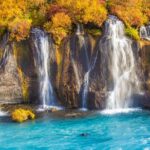
You move on to Hraunfossar, the lava waterfalls—water flowing from a lava field and spreading into multiple cascades over distance. Next is Barnafoss, known as the waterfall of the children, with a local tale attached to it.
The day’s big “walk around underground” experience is Víðgelmir Lava Cave (entry included on 5-day-or-longer tours). You’ll get a roughly 1.5-hour cave exploration. Lava caves are one of the best ways to see Iceland’s volcanic story in a form you can actually move through, with colors and lava formations at cave depth.
After all that, you shift to a human break: a visit to the Sturlureykir Icelandic horse farm. You can get close to the horses, then enjoy homemade rugbrauð (hot spring bread) with coffee or cold water. It’s a great reset after hours of heat and basalt.
Day 6: Seals at Ytri Tunga, Arnarstapi Cliffs, Djúpalónssandur, and Kirkjufell
Day 6 is coastal, photo-heavy, and a bit more “slow stroll” than some earlier days.
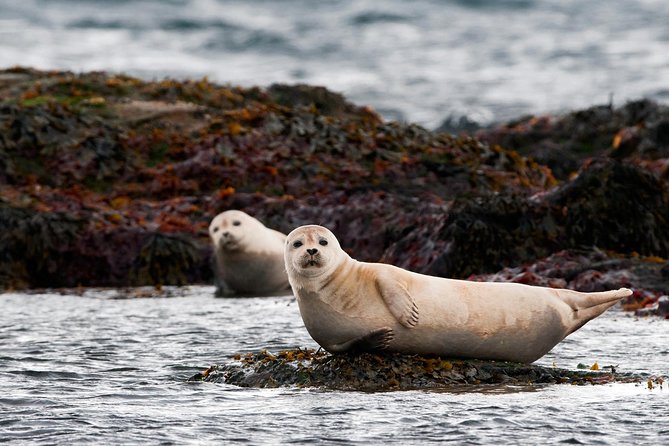
You start at Ytri Tunga Beach, where seals often rest near the shoreline. This is a gentle stop that feels natural in the rhythm of the day.
Then you move to Arnarstapi and Hellnar, two coastal areas with a natural harbor and rock formations with mossy touches. Expect an easy walk with sea air and cliffside views.
Next is Lóndrangar basalt cliffs, where two tall basalt columns mark the coast. It’s one of those “yep, that’s why people stop” spots.
You’ll also visit Djúpalónssandur Beach, another black-sand shoreline. The interesting part here isn’t only the waves and bird sounds—it’s the lifting stones used historically to measure fishing strength. There are four stones with different weights, and the biggest one is Fullsterkur (154 kg / 340 lbs). This isn’t about actually doing the workout; it’s about interacting with a story. Still, if you try lifting, use your knees.
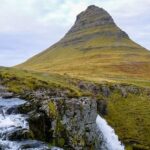
Finally, you end with Kirkjufell Mountain, one of Iceland’s most photographed shapes. The mountain rises out of green hills near trickling rivers. Even in cloudy conditions, it photographs well because the silhouette is strong.
Day 7: Þingvellir UNESCO, Strokkur Geyser, Gullfoss, and Kerið Crater
Your last day gives you the “signature” Golden Circle stack, plus a UNESCO stop that makes the geology feel personal.
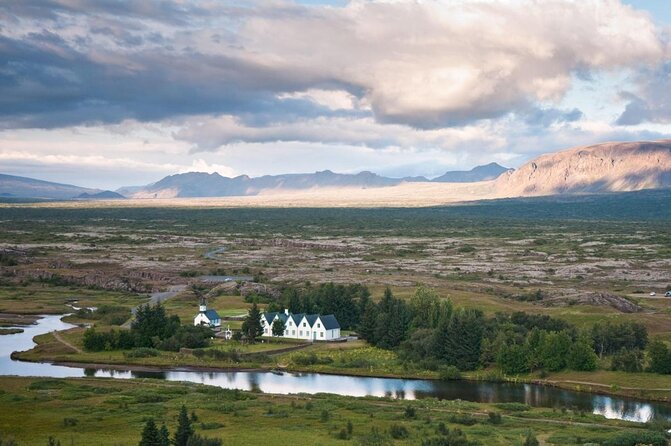
You start at Þingvellir National Park, Iceland’s only UNESCO World Heritage Site on the mainland. You’re there for two reasons: the historic parliament site (began in 930 AD) and the geology. Þingvellir sits in the rift valley between two tectonic plates, and you can see the splitting landscape as you walk through the area near Almannagjá gorge.
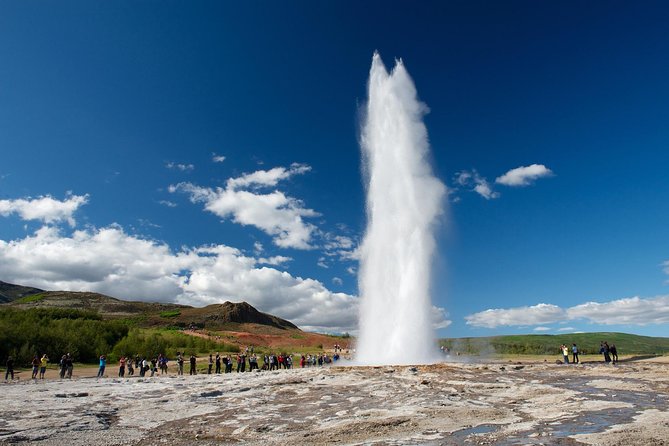
Next you go to Haukadalur Valley and the geyser field. Geysir itself may go off sporadically, but Strokkur is the dependable show—ejecting water up to about 40 meters every five to ten minutes. This is an easy stop to plan: you’ll learn the rhythm quickly and get multiple looks if you position yourself well.
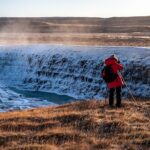
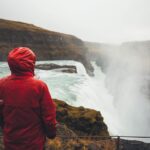
Then it’s Gullfoss, the most iconic waterfall in the country. It’s included, so you don’t have to add another ticket in your budget.
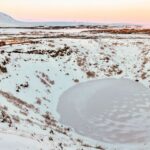
You finish with Kerið Crater, a water-filled crater lake that’s too often overlooked. It’s a simple, manageable stop and a nice final contrast to the deeper geothermal fields.
After that, the tour typically returns to Reykjavik and finishes on Day 7 around 5:00 pm.
Packing, Shoes, and How to Handle Optional Extras Smartly
This kind of tour rewards solid basics.
Bring warm, water/windproof clothing and good hiking shoes. If you don’t have them, the tour says shoes can be rented. For glacier and uneven ground, your footwear matters more than your fashion.
Also pack a small day snack. Lunch and dinner are not included, and while there are scheduled stops, the timing can shift depending on extras like the glacier walk or baths. If you add a lot of paid activities in a short window, you might find yourself waiting a bit longer for a meal.
Optional experiences that can add major value:
- Sólheimajökull glacier hike (extra cost) for ice-cap walking with safety intro
- Vök Baths and Forest Lagoon (extra cost) for geothermal relaxation
- Whale watching in Akureyri (extra cost)
- Amphibian boat tour at Jökulsárlón (extra cost)
My advice: pick one “big extra” per day max. More than that can make you tired, rushed, or both.
Should You Book This Ring Road Tour?
I’d book it if you want a guided Ring Road that includes hotel stays, keeps you in a small group, and still hits the Iceland “greatest hits” with real time at major stops.
I’d think twice if you’re the type who wants long independent walks, lots of free time at fewer locations, or you dislike packed days. The schedule is built for variety and efficiency—so you trade some spontaneity for coverage.
If you do book, do it with two mindsets: bring snacks, and choose extras carefully so you don’t end up spending your energy on logistics instead of the views.
FAQ
How long is the Ring Road tour from Reykjavik?
The tour is offered in 4, 5, 6, or 7-day options. The itinerary provided here follows the 7-day version, which typically finishes back in Reykjavik around 5:00 pm on Day 7.
What is the group size?
It’s a small-group tour with a maximum of 19 passengers.
Is hotel accommodation included?
Yes. Accommodation is included in double rooms with private bathrooms, and breakfast is included for the days listed as included.
Does the tour include pickup in Reykjavik?
Yes. There’s free hotel pickup and drop-off in Reykjavik, though pickup may be from the nearest bus stop if buses can’t enter certain central areas.
What time does the tour start?
The start time is 9:00 am. Pickup typically happens between 8:30 and 9:00 am, and you should be ready at your pickup point during that window.
Is Wi‑Fi available during the tour?
Yes. There is onboard Wi‑Fi and USB chargers.
Are lunch and dinner included?
No. Lunch and dinner are not included, and the tour makes scheduled stops so you can buy food.
What optional activities cost extra?
Optional activities listed include glacier hiking at Sólheimajökull, Vök Baths, Forest Lagoon, whale watching in Akureyri, and the amphibian boat tour at Jökulsárlón.
Which major attractions have entry included?
The itinerary notes included entry for places such as Vidgelmir Lava Cave (on 5-day or longer tours), Kerið Volcanic Crater, Thingvellir National Park, and Gullfoss Waterfall, plus certain day-1 waterfall entries.
What happens if weather affects activities?
Some activities can be cancelled for weather or safety reasons. The operator will find other activities when possible and will refund any price difference.