REVIEW · REYKJAVIK
Aurora Reykjavík, The Northern Lights Center Museum Visit
Book on Viator →Operated by Aurora Reykjavik, The Northern Lights Center · Bookable on Viator
VR helps when the sky misbehaves.
If you’re in Iceland and the aurora gods don’t cooperate, Aurora Reykjavík gives you a smart, ticketed way to understand the lights and still experience them. I like that it mixes science and storytelling with hands-on tech, so it feels more than a dark-room slideshow.
The two things I really like are the movie theater 4K timelapse (30 minutes of aurora over Iceland) and the photo simulator that helps you read forecasts and adjust camera settings. One possible drawback: it’s a relatively small museum, and the VR portion is very specific—great fun, but not everyone expects the seating setup and screen style.
In This Review
- 6 Key Takeaways Before You Go
- Aurora Reykjavík in Plain Terms: Museum, VR, and Photo Smarts
- Price and Value: What $33 Really Buys
- Where It Fits in Reykjavik: A Short Stop With Big Payoff
- Inside the Museum: Myths, Folklore, and the Science Layer Cake
- The Movie Theater: 4K Timelapse for Instant “I Get It”
- 7-Meter Screen Projections: Big Visuals Without the Cold
- 360° Northern Lights VR: Fun Tech With Real Limitations
- Photo Simulator: Learn How to Hunt, Not Just Watch
- QR Audioguides and Headphones: The One Thing You Might Forget
- Gift Shop Energy: Souvenirs That Make Sense
- Who This Works Best For (And Who Might Get Less Out of It)
- Staff Help: Smooth Check-In and a Welcoming Vibe
- Should You Book Aurora Reykjavík?
- FAQ
- Is Aurora Reykjavík worth it if I might not see the northern lights outside?
- How long does the Aurora Reykjavík visit take?
- What does the ticket include?
- Are headphones included for the QR audioguides?
- Is the experience offered in English?
- What are the main highlights during the visit?
- Will the visit include a film?
- Is the center easy to reach?
- Can I bring a service animal?
- What if plans change—can I get a refund?
6 Key Takeaways Before You Go
- A prepaid experience that works even when auroras are weak or invisible.
- 4K timelapse on a large screen, including 30 minutes of aurora displays from Iceland.
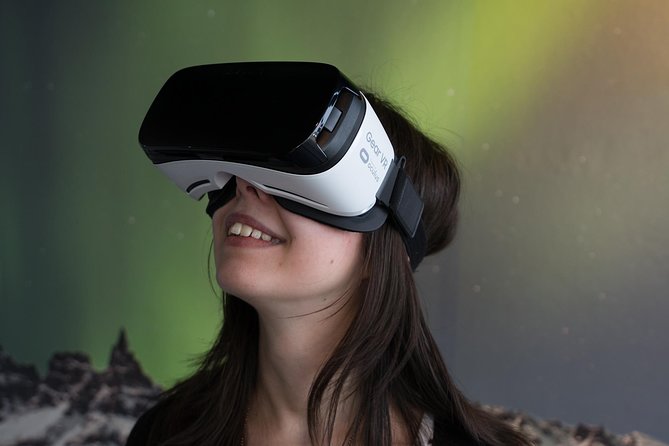
- 360° northern lights VR designed to feel like the lights are right above you.
- Myths + science: Arctic folklore paired with how the northern lights actually form.
- Photo tips built in, including a northern lights photo simulator and forecast guidance.
- Headphones are not included for the QR audioguides, so plan ahead.
Aurora Reykjavík in Plain Terms: Museum, VR, and Photo Smarts
This is Iceland’s Aurora Center in Reykjavik, built around one mission: helping you understand the aurora and experience it in more than one way. You get a guided-style flow through exhibits, then layers of visuals—movie projections first, then world-class-feeling VR.
What makes it worth your time is that it doesn’t treat the aurora like magic only. You’ll see the cultural side (myths and folklore across the Arctic), and you’ll also get the scientific side—where the northern lights come from, and how the human eye helps shape what you think you’re seeing.
You’re also not gambling on weather. Natural northern lights are never guaranteed, but here you’re guaranteed an aurora-themed experience built for both cloudy nights and summer visits when the sky often won’t cooperate.
You can also read our reviews of more museum experiences in Reykjavik

Price and Value: What $33 Really Buys
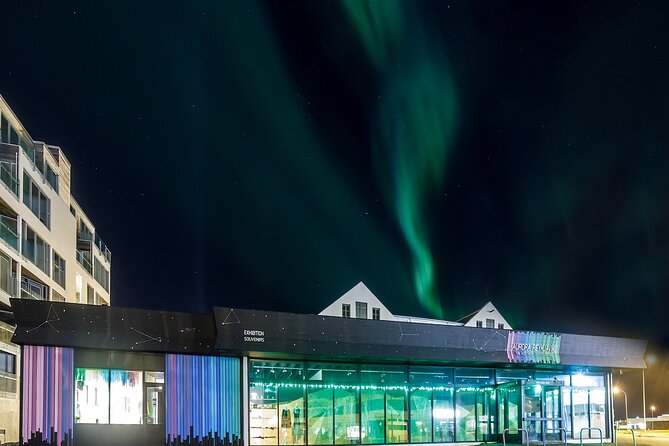
At about $33 per person for roughly one hour, this works like a focused activity rather than a full-day project. The big value is that admission is prepaid and structured—so you’re not spending your precious Reykjavik time hunting down information in bits and pieces.
It also includes the museum entry and the main experiences tied to it (film projections, VR, and the photo simulator portion). The one thing you have to account for is the extra cost or effort around audio.
Here’s the key value equation: if you’re visiting in a season when auroras are unlikely, or you’re worried you’ll miss them, this gives you both learning and visuals. If you’re already confident you’ll see the aurora outdoors, you may still enjoy the science and the practical photography training—especially if you want better results later in your trip.
Where It Fits in Reykjavik: A Short Stop With Big Payoff
This is designed to fit into a normal day. You’re looking at about an hour, and the center is near public transportation and open 10:00 AM to 7:00 PM daily in the listed schedule window.
Even better: the place is in central Reykjavik, and it’s the kind of stop you can slot in before dinner or after a museum morning. If you’re moving between neighborhoods by foot and bus, this is easy to treat like a reliable appointment rather than a “maybe.”
One timing detail you should note: the center sees advance bookings on average 38 days ahead. That doesn’t mean you can’t go last-minute, but it’s a clue this is a popular, straightforward option—so if you have narrow evenings, it’s smart to lock in a slot earlier.
Inside the Museum: Myths, Folklore, and the Science Layer Cake
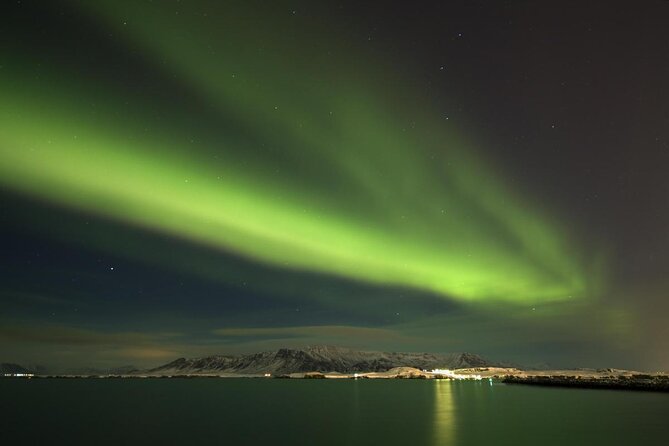
Your visit starts with the big idea that the aurora is both culture and physics. You’ll learn about northern lights myths and folklore from across the Arctic, which matters because people didn’t grow up seeing the aurora on apps and forecasts—they interpreted it through stories and survival.
Then you shift into the science: where auroras originate and why they appear the way they do. You also learn something practical that helps you later outdoors—how the human eye perceives auroral light. That part is important because cameras and eyes don’t always “agree,” and understanding that can save you from frustration when you’re out under the sky.
The pacing here tends to work well because you’re not stuck on one style of learning. You get story first, then fact, then media. It feels less like studying and more like assembling a mental model.
The Movie Theater: 4K Timelapse for Instant “I Get It”
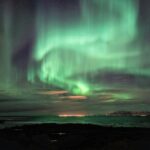
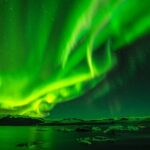
One of the most praised parts is the film experience. You’ll relax in the movie theater and watch a 4K timelapse featuring 30 minutes of aurora displays seen over Iceland.
This is where the center sets your expectations. Even if you’re hoping for the real thing at night, the film teaches you what “movement” looks like—how the lights shift and change shape, and how quickly the look can evolve.
I also like this as a first emotional hit. It’s easier to understand the aurora once you’ve seen it in motion, and it helps you connect the cultural myths to the real visual spectacle people were trying to describe.



7-Meter Screen Projections: Big Visuals Without the Cold
Aurora Reykjavík uses large-screen projection to show the aurora visuals in a way that feels immersive even without VR. The standout detail is the 7-meter screen, which gives the experience scale.
That scale is more than a tech flex. When you’re learning, you want to see the motion clearly and understand the textures of the light. A smaller screen can make auroras look flat or overly similar from clip to clip; a larger view gives you more to compare.
This is also a plus if you’re visiting during warmer months. No waiting for darkness. No scrambling for layers. You still get the “watching the sky” feeling in a controlled environment.
360° Northern Lights VR: Fun Tech With Real Limitations
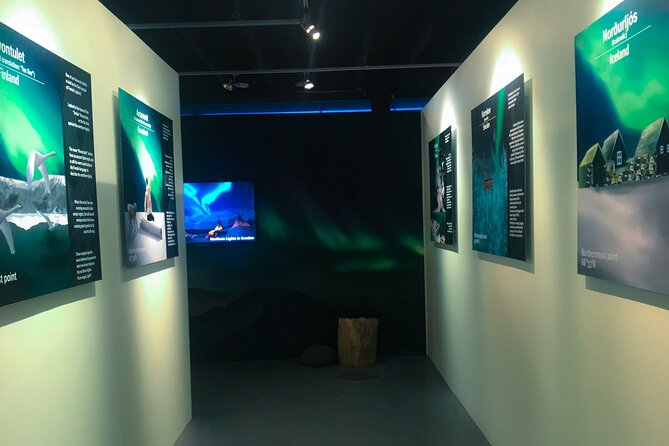
The highlight for many people is the 360° northern lights virtual reality experience—the center says it’s the world’s first 360° northern lights VR experience. In practice, you’re positioned so the aurora looks like it’s happening right above you, with visuals placed to feel like the Icelandic wilderness around you.
The VR portion is a big reason you’ll see such strong ratings. It’s also a reason people talk about it as a smart substitute when real auroras are missing.
Here’s the consideration: VR isn’t the real sky. A few people point out the setup isn’t ideal if you expected more standing, walking-around “full room” freedom. So go in with the right mental model: VR is there to teach your eyes what to watch for, not to perfectly recreate an outdoor aurora hunt.
If you’re coming with a photo goal, VR can also be psychologically helpful. You’ll recognize aurora shapes faster later, because you’ve already trained your brain on the visuals.
Photo Simulator: Learn How to Hunt, Not Just Watch
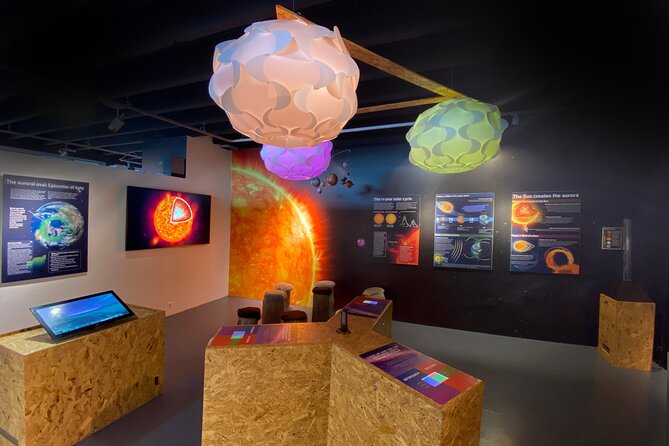
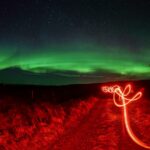
One of the most useful parts is the practical photography training. You’ll get tips on how to read the forecast and enhance your chances of seeing auroras, then learn how to adjust camera settings.
You also get a northern lights photo simulator, so you’re not just passively consuming information. The simulator format helps you connect the learning to something tangible—especially if you’ve never tried night photography before.
This section is valuable even if you’re not planning to shoot. Understanding how forecast reading works and how camera settings affect results can make the whole experience feel more empowering rather than random.
A nice bonus detail: some visitors also mention a free picture taken in front of an aurora display that’s sent to email. That’s the kind of small memory that’s actually useful, because it gives you something to keep even if the sky didn’t deliver.
QR Audioguides and Headphones: The One Thing You Might Forget
You’ll use QR audioguides during parts of the experience. The catch is simple: headphones are not included.
The practical move is to bring your own (wired earbuds work fine), or plan to purchase them at the desk for an additional fee. This is one of those tiny planning details that can decide whether your visit feels smooth or annoying.
Also, because the center is a short experience (about an hour), don’t assume you’ll want to stop and fix audio problems halfway through. Sort your headphones before you settle in.
Gift Shop Energy: Souvenirs That Make Sense
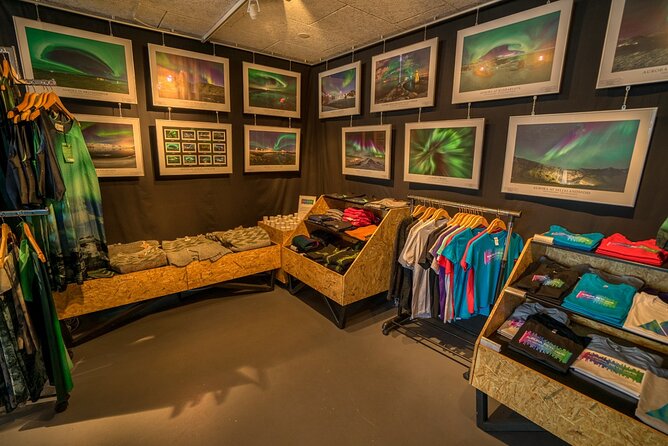
A surprising number of people mention the shop. You’ll likely have time to browse, and the merchandise is very aurora-themed—shirts and hoodies with designs tied to the experience.
One extra detail worth knowing: some people recommend looking for a Blu-Ray souvenir disc with aurora footage recorded in Iceland. It’s a way to bring the visuals home, especially if you experienced the VR and projections instead of the real night sky.
If you care about taking a piece of the experience back to your hotel room, this is worth a quick look after you finish.
Who This Works Best For (And Who Might Get Less Out of It)
I’d put Aurora Reykjavík at the top of the list for people who want an aurora connection without gambling on visibility. It’s especially good for:
- Summer visits, when outdoor aurora sightings are often unlikely.
- Anyone who hates the uncertainty of nighttime planning.
- People who want science + storytelling, not just lights on a screen.
- First-time aurora photographers who want a starting point for forecasts and settings.
On the flip side, if you’re expecting a huge museum that takes half a day, you may feel it’s short. Some visitors also note the VR portion is fun but fairly specific in how it’s staged.
For kids, this one is a mixed bag. It’s not positioned as a playground, and you might find it more suited to children who genuinely like space, weather, or science exhibits.
Staff Help: Smooth Check-In and a Welcoming Vibe
Service quality matters in short experiences, and many people highlight that the team is helpful. One example from the center: Sebastian is mentioned as running reception and the gift shop while still keeping things welcoming at the end of the visit.
That kind of attention helps when you’re figuring out QR audio or want to get tips on souvenirs. In a one-hour experience, staff guidance can make the difference between feeling “this was fine” and feeling like you got the most out of your time.
Should You Book Aurora Reykjavík?
Yes, with two conditions: book it if you want an aurora experience that doesn’t depend on luck, and book it if you’re open to learning as part of the fun.
Skip it only if you’re mainly paying for the real outdoor aurora and you’re already confident you’ll see it from the sky that night. Even then, the photo and forecast training can still be useful, but it’s best as a “support your hunt” activity, not a replacement for a truly dark sky outing.
If you’re trying to maximize value in Reykjavik, this is one of the simplest ways to convert uncertainty into something solid. You leave with a clearer understanding, some usable photography basics, and aurora visuals you can keep thinking about later.
FAQ
Is Aurora Reykjavík worth it if I might not see the northern lights outside?
You’ll experience aurora visuals through the museum exhibits, a 4K timelapse film, and 360° VR. Outdoor auroras still depend on conditions, but this center gives you a structured aurora experience even when the sky is not cooperating.
How long does the Aurora Reykjavík visit take?
The experience is listed as about 1 hour (approx.).
What does the ticket include?
Admission is included, along with the listed experiences at the center. The listing also notes all taxes, fees, and handling charges are included. Headphones for the QR audioguides are not included.
Are headphones included for the QR audioguides?
No. You’ll need to bring your own headphones or purchase them at the desk for an additional fee.
Is the experience offered in English?
Yes, the experience is offered in English.
What are the main highlights during the visit?
You can expect learning about northern lights through museum exhibits, watching projections on a large screen, experiencing 360° VR, and getting practical tips on aurora photography.
Will the visit include a film?
Yes. There’s a 4K timelapse movie featuring 30 mins of aurora displays.
Is the center easy to reach?
It’s listed as being near public transportation, and it’s in Reykjavik where you can fit it into a normal day.
Can I bring a service animal?
Yes. Service animals are allowed.
What if plans change—can I get a refund?
You can cancel for a full refund up to 24 hours before the experience starts. Cancellation within 24 hours is not refundable.