REVIEW · REYKJAVIK
Reykjavík: National Museum of Iceland Entry Ticket
Book on GetYourGuide →Operated by National Museum of Iceland · Bookable on GetYourGuide
Iceland’s past is right inside. The National Museum of Iceland turns a big question—what makes a nation—into a time-walking route, from early settlers and Vikings to the modern world. With skip-the-line entry, an included audio guide, and a permanent exhibition that links the ship to the airport, it’s an easy win on a Reykjavik day.
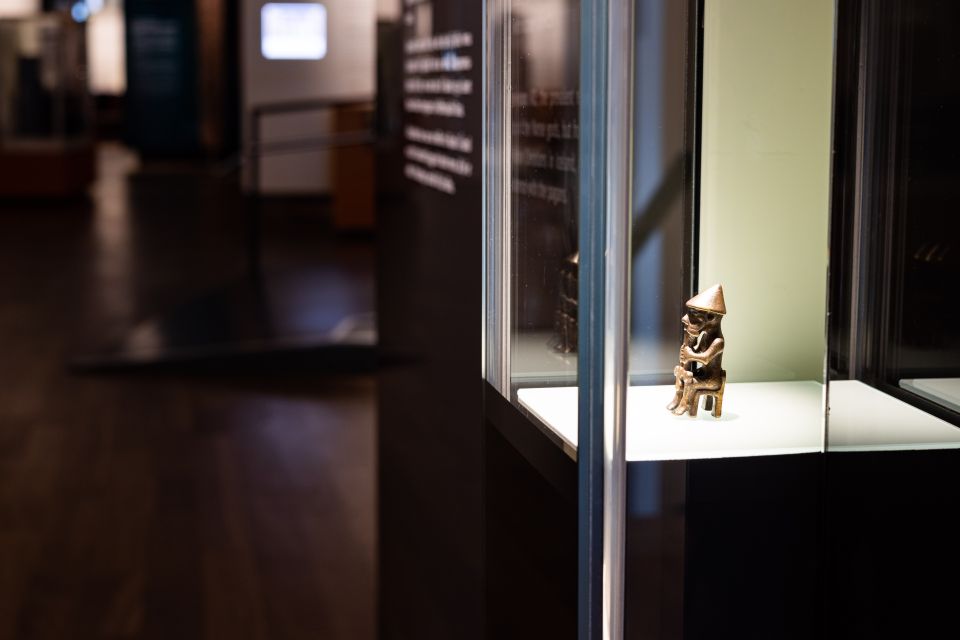
What I like most is the sheer range. You get about 2,000 artifacts spanning the Settlement Age to today, and you’ll see anchor pieces like a Thor figure dated around the year 1000. The museum also keeps the story moving forward, not just listing items like a store inventory.
One thing to consider: the layout can feel a bit spread out, and the flow isn’t always as straight as you’d expect. If you like tightly numbered, step-by-step routes, you may want to slow down and use the audio guide to keep your bearings.
In This Review
- Key highlights I’d plan around
- National Museum of Iceland Ticket: what you’re buying and how it feels
- Entering the museum: use the reception desk and set your pace early
- The permanent exhibition’s big question: what makes a nation?
- The star artifacts: Thor, a 16th-century Icelandic Bible, and church art
- The “about 2,000 artifacts” collection: why size matters for your visit
- Audio guide in 10 languages: how to use it without getting lost
- Temporary exhibitions: the reason to keep one slot open
- The museum shop: replicas that actually make sense to buy
- How long to plan: the realistic time window
- Where the experience can feel tricky: layout, depth, and pacing
- Rainy-day Reykjavik plan: why this museum is a practical choice
- Pairing ideas: get more out of your day with nearby themes
- Price and value: is $20 worth it?
- Who should book this ticket (and who might not love it)
- FAQ
- FAQ
- How much is the National Museum of Iceland entry ticket?
- What’s included with the ticket?
- Which languages are available for the audio guide?
- Does the ticket include access to temporary exhibitions?
- Where do I check in to enter?
- Is Wi‑Fi available inside the museum?
- Is the museum wheelchair accessible?
- Are large bags allowed in the museum?
- How long is the ticket valid?
- Is transportation included?
- Should you book this museum ticket?
Key highlights I’d plan around
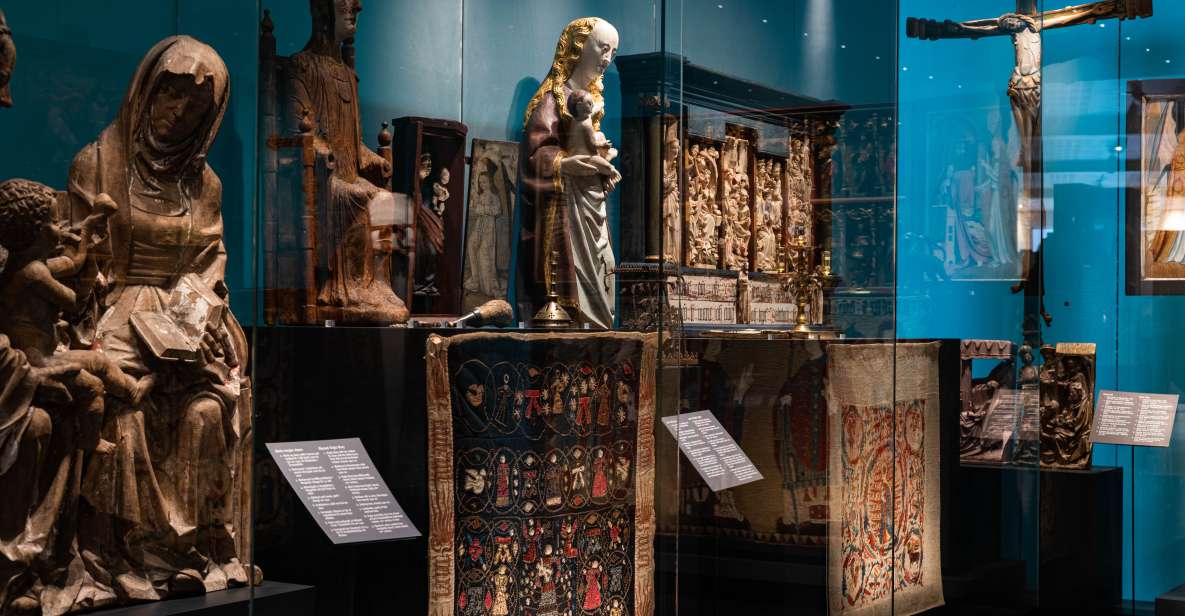
- Thor around the year 1000: a star artifact that gives instant Viking-era context
- The nation-as-a-story approach: the exhibition is built around what holds a country together
- About 2,000 artifacts: from settlement life to 20th-century photos and modern Iceland
- Audio guide in 10 languages + Wi‑Fi: easy to self-direct without getting lost
- Temporary exhibitions: changing cultural-focused shows add variety to repeat visits
- Museum shop replicas: you can take home versions of archaeological finds
National Museum of Iceland Ticket: what you’re buying and how it feels
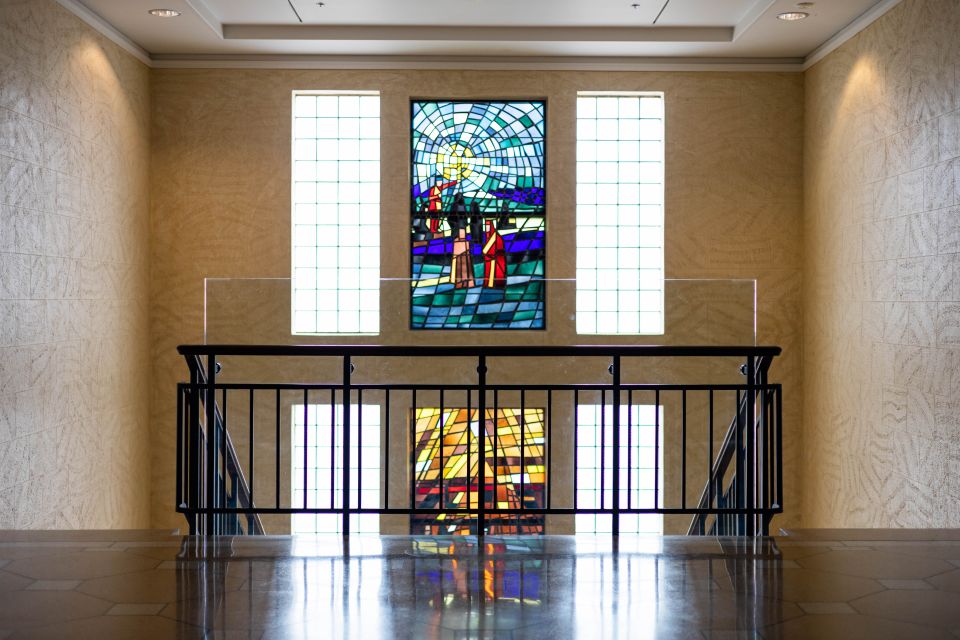
This is a straightforward entry ticket with self-guided freedom. You show your ticket at the reception desk, go in, and use what’s included—especially the audio guide—to shape your pace.
For me, the key selling point isn’t a single room or one “must-see” object. It’s that the museum builds a timeline out of real objects. Instead of a dry lecture, you get clues: tools, everyday items, religious materials, and art. Put together, the collection helps you understand how Iceland got from a remote North Atlantic crossing to a modern country with global connections.
The other practical plus: skip-the-line entry. Reykjavik is small and quiet compared with some big European cities, but queues still happen, especially at popular indoor stops. If you’re squeezing the museum into a day with weather changes, skipping the wait helps you stay flexible.
You can also read our reviews of more tours and experiences in Reykjavik



Entering the museum: use the reception desk and set your pace early

When you arrive, go straight to the reception desk and show your entry ticket. That’s your starting point. Once inside, resist the urge to rush. The permanent exhibition is designed like a journey—so it’s worth giving yourself time to settle in.
I’d also plan your first 10 minutes with one goal: decide whether you want to follow the story in strict order or wander by themes (Vikings, religion, daily life, modern Iceland). The museum supports both. The audio guide helps, but the physical layout can feel more “museum-like” than “corridor-structured,” so having a plan helps you avoid drifting.
Also note the practical limit: no luggage or large bags. If you’re traveling with big rolling suitcases, you’ll want to manage storage before you come. This is a small detail that can make or break a smooth visit.
The permanent exhibition’s big question: what makes a nation?
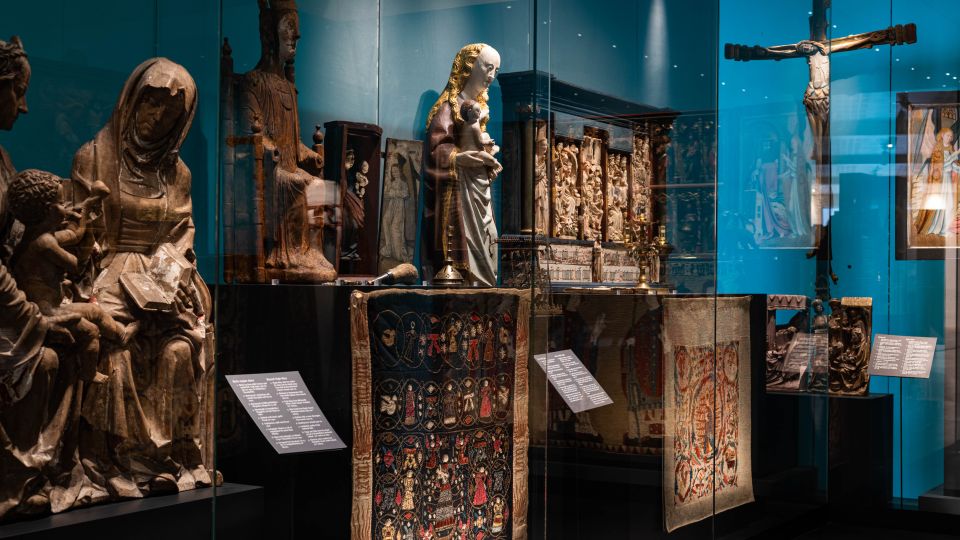
The permanent show is organized around a single question: What makes a nation? It’s not just a label on a wall. It’s the thread that connects rooms.
The route starts with the ship—the medieval settlers crossing the ocean to a new home—and it ends in the modern era, with an airport representing Icelanders’ gateway to the world. That framing is clever because it forces you to think about more than dates. You start asking: How did people build community in an isolated place? What traditions survived, and what changed when Iceland became part of wider European and global flows?
If you like context, you’ll probably enjoy how the exhibition treats history as a chain of decisions and identity-making. You’re seeing objects, but you’re also being nudged to connect them to daily life, belief systems, and social structures.
Plan for the story to unfold in stages. Don’t expect a single room that “covers everything.” This museum works best when you accept it as time on your feet with frequent little discoveries.
The star artifacts: Thor, a 16th-century Icelandic Bible, and church art
If you only have one museum highlight in your head, make it Thor around the year 1000. The museum places this famous figure in a specific historical frame, and it’s an immediate reminder that Iceland’s Viking-era culture wasn’t just a myth. It was material, made, carried, and used.
Another anchor object is the first Bible printed in Iceland in the 16th century. The museum also points out that it’s still considered one of the most beautiful prints in Icelandic. Even if you don’t read the text, the idea matters: print culture changes who has access to belief, language, and authority. It’s a good example of how technology and identity can move together.
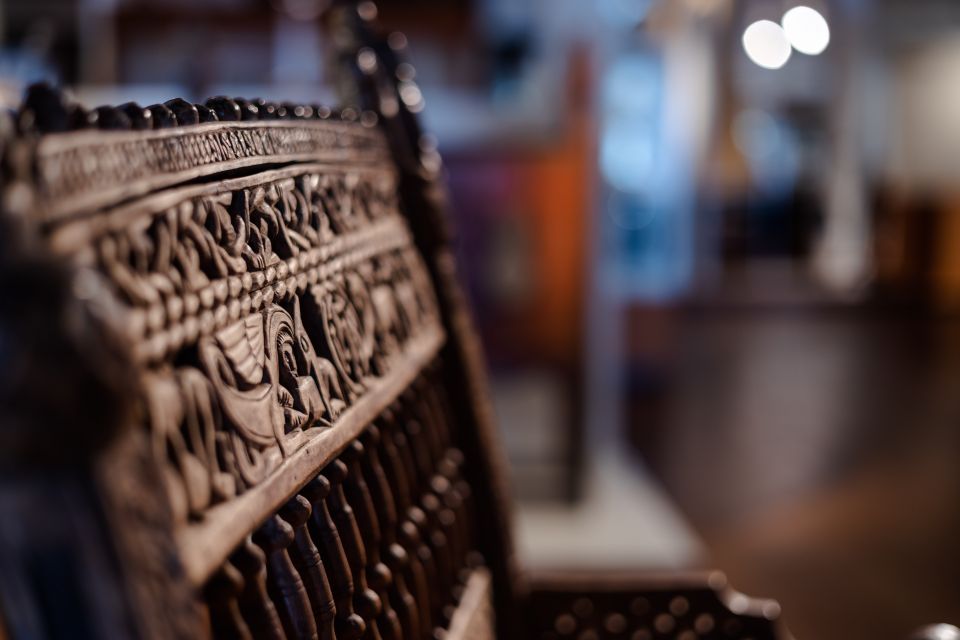
You’ll also run into beautiful artifacts from medieval churches. This is where you start seeing how religion wasn’t only about faith—it was about art, power, and the visual language of communities.
If your interest is mainly in Vikings, the museum won’t let you stop at Vikings and forget the rest. The Thor figure is a launch point. From there, you’ll naturally see how Iceland’s story shifts over time—settlement life, religious change, and eventually modern national life.
The “about 2,000 artifacts” collection: why size matters for your visit
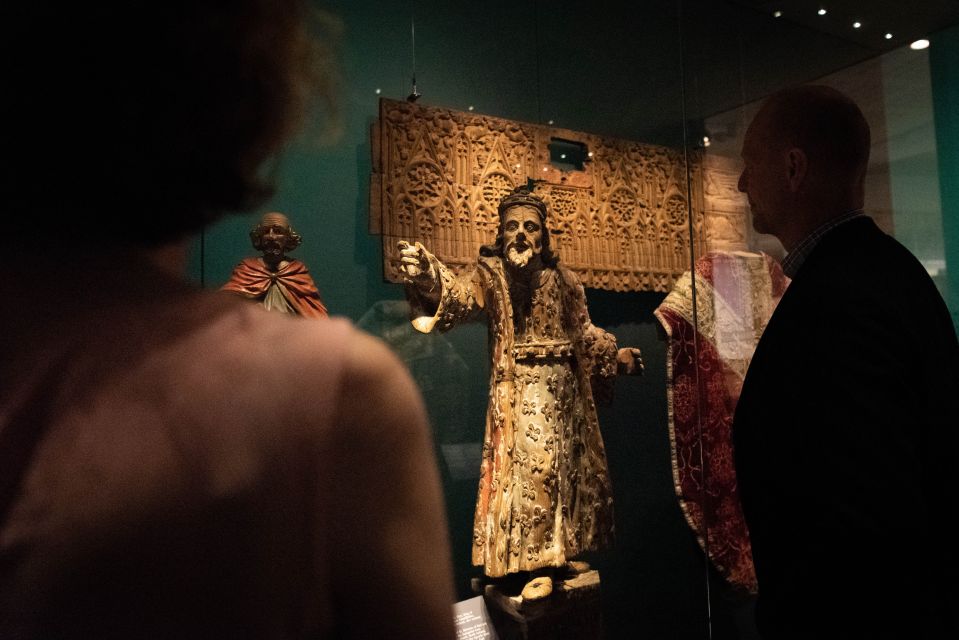
The museum includes about 2,000 artifacts, from the Settlement Age through to the present. That number isn’t just bragging rights. It affects how you experience the museum.
When a collection is that big, you need a strategy. If you try to read every label, you’ll burn out. If you only chase the flashy objects, you might miss the quieter pieces that connect the story.
What I’d do: pick 3 to 5 “anchors” to lock onto—like Thor, the printed Bible, and a few medieval church objects. Then use the audio guide to fill the gaps around your anchors. That way, you get the museum’s full timeline without turning your visit into homework.
Expect photographs from the 20th century too. Those help bridge the gap between ancient artifacts and modern Icelanders’ lived reality. They also make it easier to stop thinking of Iceland as only a distant saga of Vikings and storms.
You can also read our reviews of more museum experiences in Reykjavik






Audio guide in 10 languages: how to use it without getting lost
The ticket includes an audio guide in 10 languages (English, Danish, French, Polish, Spanish, Dutch, Swedish, Icelandic, Italian, Chinese). It’s also paired with Wi‑Fi inside the museum, which can be handy if you want to look up context on the spot.
Here’s the trick: don’t hit play and then wander with no intent. Instead, treat the audio guide like a compass. Play a segment as you enter a new section, then pause it just long enough to look at the objects with fresh eyes. That helps you connect what you hear with what you see.
One language note: If you’re an English speaker, the experience is easier to follow. If you’re not, you still have a solid range of options, which matters in a museum where the details carry the whole point.
If you prefer human help over audio, there’s another option. Ask questions at the desk. You may find staff willing to talk through specific artifacts, and that kind of back-and-forth can make a big difference when you want deeper context.
Temporary exhibitions: the reason to keep one slot open
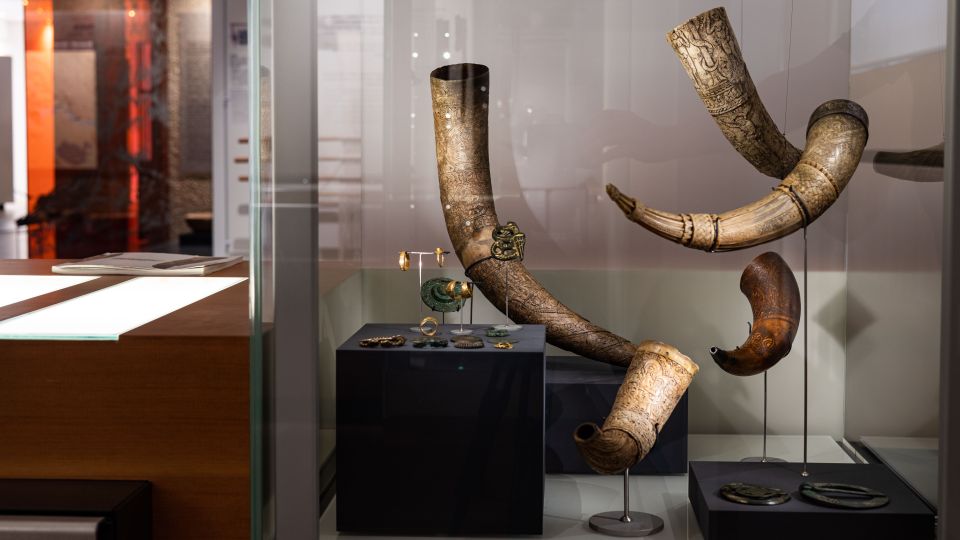
Your ticket also covers temporary exhibitions. Since those shows change, the best advice is simple: don’t assume you’ll see the exact same thing as someone else did last month.
Most temporary exhibitions focus on Icelandic culture. That can complement the permanent show nicely, because it gives you a more focused angle—music, art, daily life themes, or other culture threads that the permanent collection can only hint at.
If you’re the type who likes to return to a place and see what’s changed, this setup is a good fit. Even if you’ve done the permanent galleries, the temporary show gives you a reason to stay a bit longer.
The museum shop: replicas that actually make sense to buy
If you like souvenirs that aren’t just fridge magnets, check out the museum shop. You can find exclusive replicas of archaeological finds.
This is one of those museum-shop situations where buying can feel tied to the experience. Instead of random junk, you’re buying something connected to the objects you just saw. If you travel with kids, replicas can also be a tangible way to keep the museum story going after you leave.
How long to plan: the realistic time window
A common sweet spot is about an hour and a half. That’s long enough to experience the permanent exhibition with the audio guide running at a comfortable pace.
If you’re a slower reader or you like to stop and compare multiple artifacts in a single room, plan closer to two hours. If you’re rushing, you can still see the main story line, but you’ll likely miss nuance—the kind of nuance that makes Iceland’s history feel human rather than just old.
Where the experience can feel tricky: layout, depth, and pacing
Not every museum style matches every personality. One potential snag is that the exhibit flow can feel a little spread out. It’s not always a perfectly sequential path, so you might feel like you’re moving between themes rather than following a strict step-by-step route.
Another consideration: you may find that some objects don’t get as much interpretive depth as you’d want. The museum is clearly interested in presenting a broad collection and letting objects do the talking. That works well for many people, but if you want a full-blown essay for every artifact, you might leave wanting more.
My advice: don’t try to “solve” the museum in one pass. Instead, decide what you want from the visit:
- If you want a strong timeline and big cultural anchors, you’ll likely feel satisfied.
- If you want deep analysis of every single item, you might need to focus your attention on fewer sections.
Rainy-day Reykjavik plan: why this museum is a practical choice
Reykjavik weather can be rude. When it’s wet, windy, or just too cold to enjoy long walks, this museum is a reliable indoor option.
It also tends to work across interests. History buffs will love the artifacts. General visitors will still come away with a clearer sense of how Iceland formed and how Icelanders see themselves today.
There’s also evidence it can work for families, but with a caveat. If you’re traveling with very small children, the museum can feel information-heavy. If your kids are older and used to galleries, you’ll probably be fine, especially because there are interactive elements.
If you visit on a Sunday, you may get lucky with local cultural presence. On at least one Sunday visit, people saw locals in traditional dress. You can’t bank on it, but it’s a nice reason to keep the museum on your radar for weekend planning.
Pairing ideas: get more out of your day with nearby themes
This entry ticket stands on its own, but you can squeeze more value by pairing it with another Iceland-focused stop.
If Vikings and early settlement history are your priority, consider combining the museum with a Settlement-focused exhibit. If your interest leans modern history—trade, economy, and conflicts—pair it with a maritime history museum, especially anything connected to the Cod Wars. The museum’s timeline will give you context, and the pair adds more depth in the era that comes after the settlement story.
You don’t have to do both. Even one good pairing can prevent your day from turning into a checklist.
Price and value: is $20 worth it?
At $20 per person, the value depends on how you like museums.
If you’re the type who likes to learn through real objects and you’ll actually use the audio guide, the price feels fair. You’re getting a big permanent exhibition, access to temporary shows, and the audio support for your language. That’s a lot of content for one ticket.
If you dislike reading labels, don’t enjoy audio guides, or plan to sprint through in 20 minutes, the price might feel steep. This ticket rewards attention, even casual attention. Think of it like paying for time in a well-organized story, not just for entry doors.
Who should book this ticket (and who might not love it)
I’d book it if:
- You want a clear timeline from settlement to modern Iceland
- You’re curious about Viking-era material culture, not just legends
- You like museums where the collection does most of the teaching
- You need a strong rainy-day plan that doesn’t waste time
I might hesitate if:
- You’re traveling with very small children who struggle with long indoor museum time
- You want heavy interpretive depth for every artifact
- You prefer a tightly numbered, perfectly sequential museum route
FAQ
FAQ
How much is the National Museum of Iceland entry ticket?
The ticket price is listed as $20 per person.
What’s included with the ticket?
Your ticket includes entry to the National Museum of Iceland, an audio guide in 10 languages, and Wi‑Fi.
Which languages are available for the audio guide?
The audio guide is available in English, Danish, French, Polish, Spanish, Dutch, Swedish, Icelandic, Italian, and Chinese.
Does the ticket include access to temporary exhibitions?
Yes. The ticket grants access to the museum’s exhibitions, including temporary exhibitions.
Where do I check in to enter?
Show your ticket at the reception desk at the National Museum of Iceland.
Is Wi‑Fi available inside the museum?
Yes. Wi‑Fi is included.
Is the museum wheelchair accessible?
Yes. The experience is wheelchair accessible.
Are large bags allowed in the museum?
No. Luggage or large bags are not allowed.
How long is the ticket valid?
The ticket is valid for 365 days.
Is transportation included?
No. Transportation is not included.
Should you book this museum ticket?
Yes, if you want one stop in Reykjavik that explains Iceland in plain, object-based terms. The permanent exhibition’s nation-building storyline, the key artifacts like Thor and the 16th-century printed Bible, and the included audio guide make it an efficient use of indoor time—especially on rainy days.
If you’re picky about museum pacing or expect deep commentary on every single item, go in with a lighter plan: pick a few anchors, use the audio guide as your compass, and don’t try to read your way through everything. That approach turns a good museum visit into a memorable one.