REVIEW · REYKJAVIK
Reykjavik: Aurora Reykjavik The Northern Lights Center Entry
Book on GetYourGuide →Operated by Aurora Reykjavik · Bookable on GetYourGuide
One ticket, five ways to understand the aurora. Aurora Reykjavík is Iceland’s dedicated northern lights museum, set up so you can learn fast and then practice what you’ll do outside. You get a full indoor Aurora prep session that’s built for all seasons, not just winter.
What I like most is the mix of folklore-to-science learning with hands-on visuals, plus the practical photo training. You’re not just watching lights—you’re learning why they happen and how to spot (and shoot) them. The team also shares expert tips during your visit, which helps turn all that viewing anxiety into a plan.
One thing to consider: if you’re expecting the museum to guarantee you’ll see real northern lights, it won’t. This is an indoor experience designed to educate and help you prepare, and a few details (like needing headphones or potential confusion about which show is which) can trip people up if you’re rushing.
In This Review
- Key Takeaways Before You Go
- Entering Aurora Reykjavík in Reykjavík’s Grandi Harbour
- What the Exhibition Teaches You: Folklore to Solar Science
- Movie Theatre Time: A 30-Minute 4K Aurora Timelapse
- 360° VR Northern Lights: Practice Seeing the Unpredictable
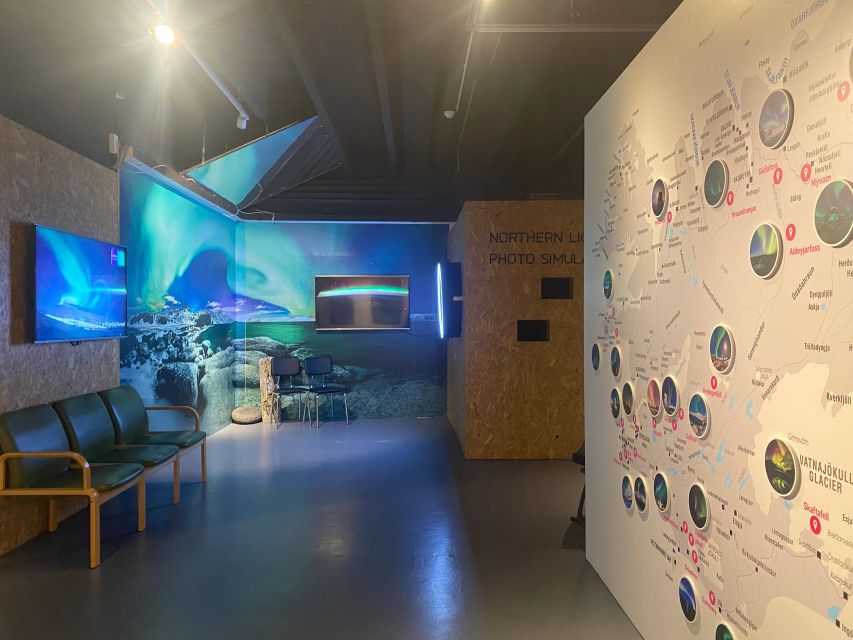
- Photo Simulator and Aurora Photography Tips That Actually Help
- QR Audioguides, Guidebooks, and Language Coverage
- Location, Timing, and How This Fits Into Your Reykjavík Plan
- Price and Value: Is $33 Worth It?
- The Best Reasons to Choose Aurora Reykjavík
- Possible Downsides (So You Don’t Get Caught Off Guard)
- Should You Book Aurora Reykjavík?
- FAQ
- What’s included with the Aurora Reykjavík entry?
- Do I need headphones?
- How long is the experience?
- Where is Aurora Reykjavík located?
- Is the venue wheelchair accessible?
- What languages are available?
Key Takeaways Before You Go
- A northern-lights-only museum with indoor preparation all year long
- Interactive exhibition covering aurora mythology and the science behind it
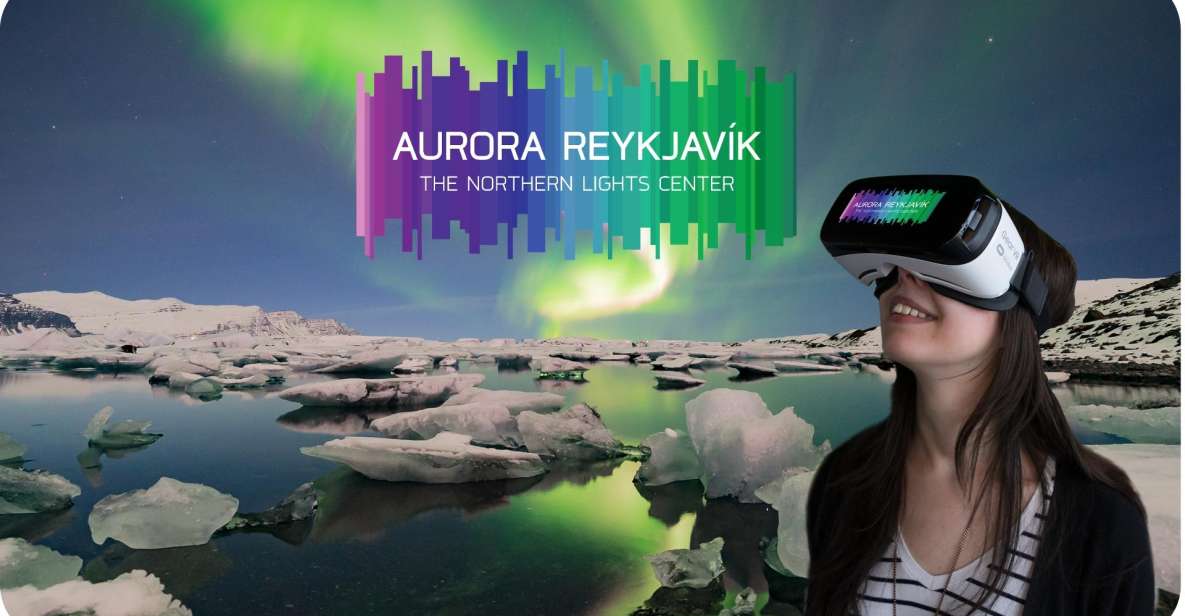
- 30-minute 4K movie and world-first 360° VR for a strong Aurora visual fix
- Photo simulator to practice Aurora photography before you brave the cold
- QR audioguides + guidebooks in multiple languages for self-paced learning
- Museum in Grandi Harbour for an easy add-on near central Reykjavík
Entering Aurora Reykjavík in Reykjavík’s Grandi Harbour
Aurora Reykjavík sits in the Grandi Harbour District, in a practical location just steps from the city center. That matters because you’re not committing a whole day to a remote base—it’s a smart indoor stop when weather is changeable, or when you want a warm start before an evening aurora hunt.
From the moment you walk in, the place is built around the idea that the northern lights can be understood and pursued like a skill. You’ll move through exhibition areas, then shift into cinema and VR experiences, and finally end with tools for capturing the lights yourself. It’s a tidy flow that works well even if you’re traveling with different interests in your group.
The museum also notes wheelchair accessibility, so it’s designed with access in mind. And if you’re booking last minute, you can typically reserve first and handle payment later—nice for Iceland planning, where the sky makes its own rules.
You can also read our reviews of more tours and experiences in Reykjavik.

What the Exhibition Teaches You: Folklore to Solar Science
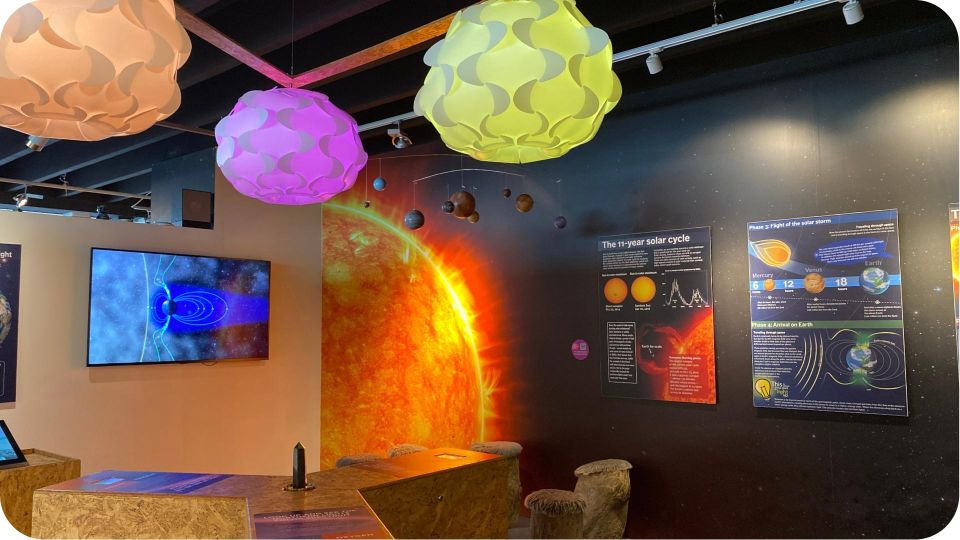
The core of the visit is the interactive multimedia exhibition, which is where you’ll get the real value for your time. You start with northern lights folklore and mythology across the Arctic region, so you understand that people have been reacting to auroras for centuries, not just in the age of apps and forecasts.
Then you move into the scientific side: how auroras form from the Sun to the atmosphere. The presentation covers the different shapes and colors, and importantly how the lights may appear to the naked eye. That last part is a big deal. Cameras can trick you—colors can shift, brightness can change, and what you expect to see isn’t always what you’ll notice standing outside. Learning that indoors first helps you calibrate your expectations.
This exhibition format is also great for mixed skill levels. If you’re a complete beginner, the basics feel structured. If you already love science, you get enough depth to make the rest of your trip more meaningful. And because the museum is focused entirely on auroras, you don’t have to hunt for relevant information like you might inside a general museum.
Movie Theatre Time: A 30-Minute 4K Aurora Timelapse
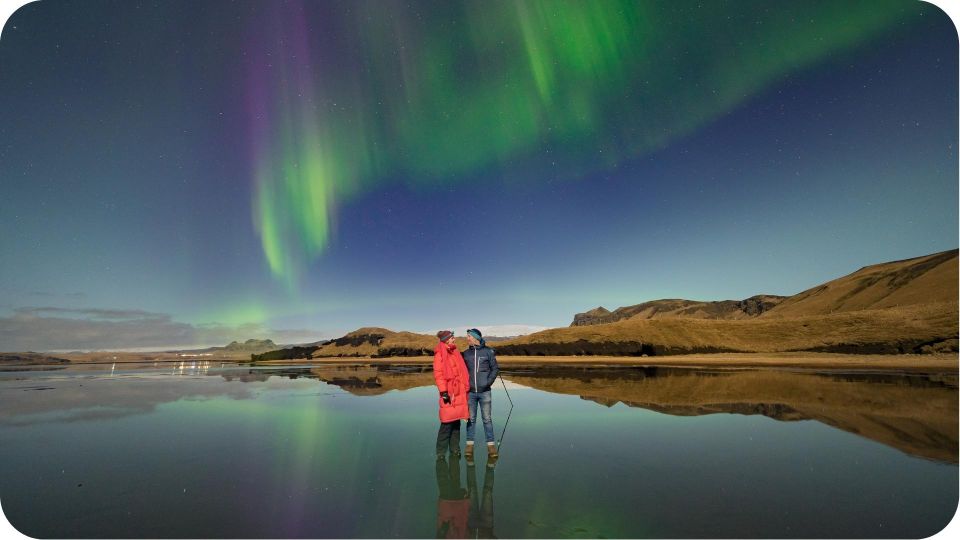
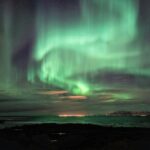
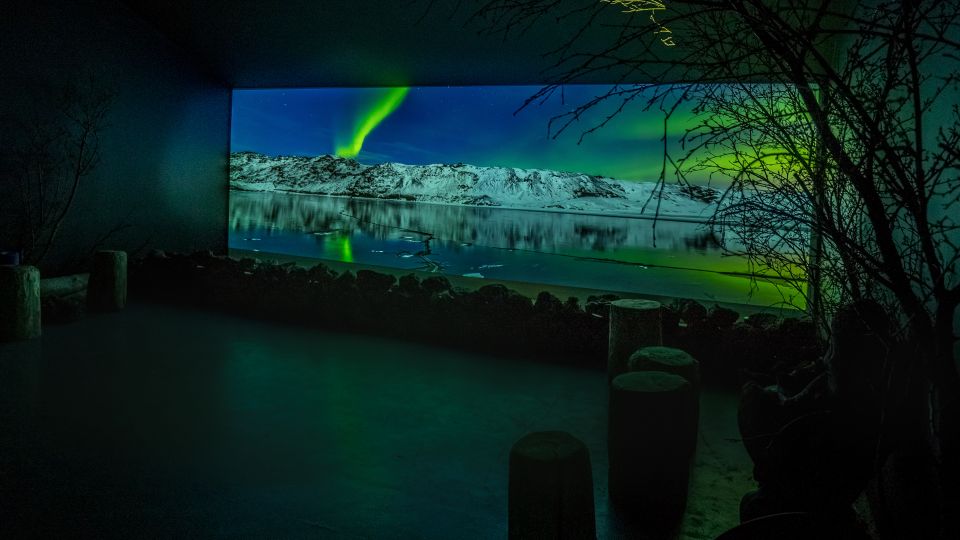
Next comes the cozy part: a 30-minute film in the movie theatre featuring a 4K timelapse of Aurora Borealis displays. This is where you get visual momentum. Real northern lights can be subtle, fast, and inconsistent. A high-quality timelapse helps you learn the range—how auroras can shift, stretch, ripple, and brighten in ways that are hard to fully catch in a single night outside.
I also appreciate that the film frames the aurora as something dynamic rather than a single static moment. That’s helpful when you’re later outside with only a short window and changing cloud cover. You’ll be better prepared to look for motion, not just color.
A few people did mention that the relaxed cinema moment can get disrupted if other visitors talk while the movie is running. That’s an easy fix on your side: pick a seat near the back or away from where people tend to congregate, and if you can, keep your group quiet during the show. It’s meant to be watched, not survived.
360° VR Northern Lights: Practice Seeing the Unpredictable
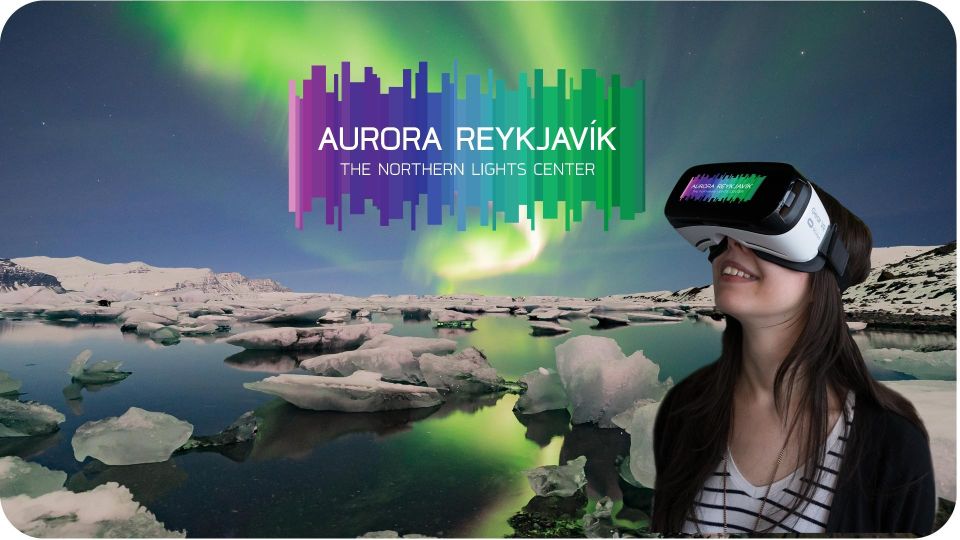
After the film, you’ll put on the world’s first 360° VR northern lights experience. The idea is simple: you get Aurora viewing without waiting for the sky to cooperate. In a place like Iceland, that’s not “fake”—it’s training.
The VR setup is a smart bridge between indoor learning and outdoor action. You can study how the aurora can move across the sky, how it can fill the frame, and how the lighting mood changes. It’s also easier to focus when you’re warm and not juggling freezing fingers, wind, or your breath fogging up the air.
One practical note: a few visitors reported that they almost missed the full VR experience because they assumed the big-screen loop was the main show. The VR gear may hang on the wall, so keep an eye out for it and confirm you’re going into the VR session when it’s your turn. If there’s an operator working with you, ask a quick question before you start, so you’re using the headphones/controls correctly.
Overall, the VR experience is one of the most praised parts of the visit for feeling close to the real thing. Even if you ultimately see auroras outdoors, VR can still help you recognize patterns faster when your night finally arrives.
Photo Simulator and Aurora Photography Tips That Actually Help
If you’re the type who wants more than “cool lights,” this is the section to care about. Aurora Reykjavík includes an Aurora photo simulator where you can practice and learn the basics of capturing the lights.
Even without getting technical jargon, the simulator’s value is timing. You’ll likely be adjusting settings, thinking about composition, and trying to avoid the most common problems: out-of-focus shots, blown highlights, or images that look nothing like what you saw with your eyes. Practicing in a controlled environment means you’re not learning by trial and error while you’re cold and the lights might disappear.
The museum also emphasizes learning how to take Aurora photos, and it pairs that with expert tips to maximize your chances during your aurora hunt. In Iceland, the challenge isn’t always finding the right spot—it’s knowing what to do once you’re there and the sky starts showing signs. The simulator helps you rehearse your instincts.
One more practical point: if you’re doing QR audio, you’ll want to have what you need ready. The museum recommends headphones, and earphones for the QR audioguide can be purchased as an add-on. Bring your own if you can—simple, saves money, and keeps your visit smooth.


QR Audioguides, Guidebooks, and Language Coverage
A lot of tours give you one language and hope for the best. Aurora Reykjavík gives you options. Your entry includes guidebooks in 13 languages, plus QR-based audioguides in 7 languages.
The language list for audioguides includes English, Cantonese, French, German, Italian, Mandarin, and Spanish. If you’re traveling with someone who prefers audio learning, this matters because you don’t have to guess your way through the science and the cultural context.
The QR audioguides require headphones. If you don’t bring them, you can purchase earphones at the museum (listed as an add-on). I like that the museum nudges you to think ahead: you’ll spend less time troubleshooting and more time absorbing the content.
One good strategy: use the audioguide for the parts you care about most—science if you want the how, folklore if you want the why people made meaning from it. That way you don’t have to listen to everything to feel like the visit paid off.
Location, Timing, and How This Fits Into Your Reykjavík Plan
The museum’s central Reykjavík location makes it easy to schedule without stress. You can slot it in on a day you plan to walk around the harbor area, or as a warm-up stop before heading out for aurora searching in the evening.
This is also a smart choice if your northern lights schedule is uncertain. Iceland can hand you a blank sky, fast-moving cloud cover, or short viewing windows. Aurora Reykjavík gives you an indoor experience that still feels worth doing even if the night outside turns out to be disappointing.
In terms of practical timing, the experience is designed as a one-day activity (the ticket is valid for 1 day). That’s vague enough to mean you can keep it flexible, but the museum itself is structured so you’ll likely move through the key sections in a single visit without feeling like you’re stuck for hours.
Also, the museum notes updated opening hours on its website, so check before you head over. In winter, that’s especially important because plans change quickly when daylight is short and skies look promising.
Price and Value: Is $33 Worth It?
At about $33 per person, Aurora Reykjavík isn’t a cheap snack. But it often makes sense because it solves a real Iceland problem: you can spend time and money hunting the aurora and still miss it.
This entry ticket gives you multiple layers of value:
- Indoor learning that helps you understand what you’re looking for outside
- A 30-minute 4K film experience that’s a full production, not just a slideshow
- 360° VR that helps your brain recognize Aurora patterns without freezing
- A photo simulator so you practice your camera approach ahead of time
In other words, you’re paying for more than a museum ticket. You’re paying for a structured Aurora training session plus entertainment. If you end up seeing the real northern lights outdoors, you’ll likely feel more prepared and less overwhelmed. If you don’t, you still leave with knowledge and a visual experience you can talk through later.
So I’d call it a good value when:
- you’re nervous about not seeing auroras,
- you want to improve your odds and your photo results,
- or you want a warm, predictable plan in a cold season.
The Best Reasons to Choose Aurora Reykjavík
From what people consistently praise, the most rewarding parts are clear: the museum’s structure and the quality of the media.
The science and nature explanations are repeatedly described as well organized, and that’s what makes the experience useful instead of just pretty. The VR and the theatre film tend to get top marks too, because they deliver strong Aurora visuals even when you don’t get them outside. And the tips for taking pictures show up as a practical win, not a vague promise.
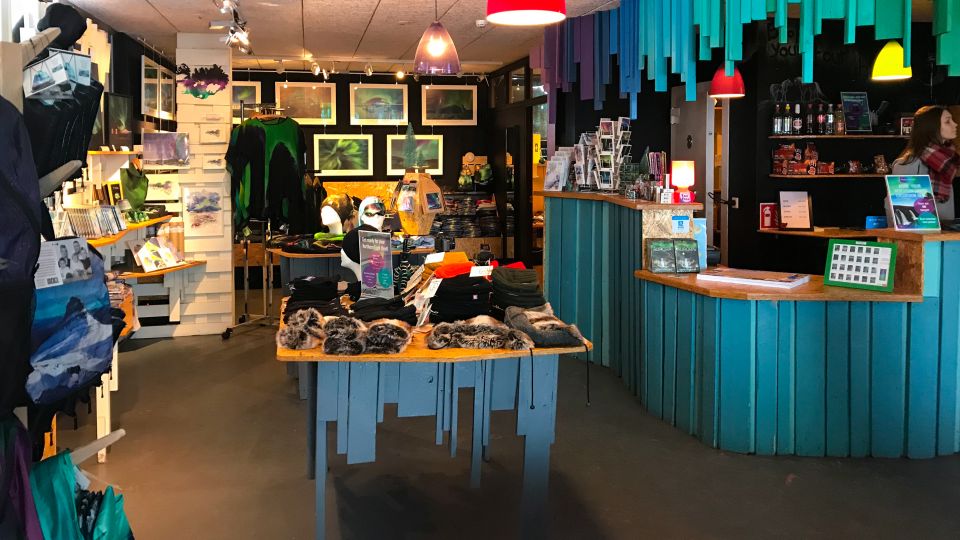
The museum also ends with a coffee stop and a boutique with local art and souvenirs. That gives you a natural landing point so you don’t rush out right after the last screen.
Possible Downsides (So You Don’t Get Caught Off Guard)
No experience is perfect, and a few issues show up in real-world use.
First: the entrance can be slippery in icy conditions. That’s not unique to this site, but it’s a real consideration in Iceland winter. Watch your footing when you arrive, especially if weather has been rough.
Second: the “main event” can be misunderstood. If you’re expecting one continuous show on a big screen, you might miss that the VR experience is a separate moment that needs attention and proper setup. If the layout feels confusing when you arrive, ask right away what you should do next.
Third: the relaxing theatre environment can be interrupted by other people talking. If you want the calm, choose your seat and keep your voice low. Small group manners can make a noticeable difference when sound is part of the design.
Finally: some visitors mention the experience can feel less guided at certain moments. If you want explanations beyond the displays, don’t hesitate to ask staff questions while you’re there. The museum explicitly frames its team as available for questions.
Should You Book Aurora Reykjavík?
If you’re going to Iceland for the northern lights, I think this is the kind of plan that lowers risk without draining your time. Book it if you want:
- a warm, organized Aurora experience in Reykjavík,
- better odds and better preparation for outdoor hunting,
- or a learning-focused visit that covers both folklore and science.
Skip it only if you’re strictly chasing the real sky lights and you already have another plan that guarantees a strong aurora viewing window. Even then, this can still be worth it as backup and training—but it won’t replace the thrill of seeing auroras outdoors.
If your schedule is tight, prioritize this on a day when you don’t have to rush elsewhere. It’s an easy add-on in a central location, and it helps you make sense of what you’ll see when Iceland finally turns the lights on.
FAQ
What’s included with the Aurora Reykjavík entry?
Your ticket includes entry to Aurora Reykjavík, the 360° virtual reality video, a 30-minute northern lights film in the cinema room, a northern lights photo simulator, guidebooks in 13 languages, and QR-based audioguides in 7 languages.
Do I need headphones?
The museum notes that you should bring headphones. Earphones for the QR-based audioguide can also be purchased as an add-on.
How long is the experience?
The activity is listed as valid for 1 day. You’ll spend your time moving through the exhibition, film, VR, and the photo simulator during your visit.
Where is Aurora Reykjavík located?
It’s located at Fiskislóð 53, 101 Reykjavík, in the Grandi Harbour District of the Reykjavík area.
Is the venue wheelchair accessible?
Yes, Aurora Reykjavík is wheelchair accessible.
What languages are available?
Guidebooks are available in translation, and the QR audioguides are available in English, Cantonese, French, German, Italian, Mandarin, and Spanish.