REVIEW · REYKJAVIK
Reykjavík: Volcano Area–Grindavík, Hot Springs & Lava Fields
Book on GetYourGuide →Operated by Glaciers and Waterfalls ehf · Bookable on GetYourGuide
Earth power shows up fast here. On this Reykjavik-area day trip, you’ll move through the Reykjanes Peninsula where Iceland’s geology is still rewriting the ground in real time. You’ll see young lava fields, bubbling hot springs, and the town of Grindavík, hit hard by earthquakes and lava damage.
I love the way the day mixes big natural forces with practical, on-the-ground explanations from guides like Einar. I also like the stop in Grindavík, because it’s not just scenery. It’s a clear look at what volcanic activity can mean for a community.
One drawback to plan for: this tour runs rain or shine, and if volcanic activity resumes, some areas may close and the route may shift toward the safest best viewpoints. That means the day can be flexible in a good way, but it’s not a guarantee of any single exact photo spot.
In This Review
- Key highlights you’ll care about
- Reykjanes Peninsula: the volcanic region that feels closest to the action
- A 7-hour day built around movement, viewpoints, and geothermal stops
- Grindavík up close: when geology becomes a community story
- Iceland’s youngest lava fields: how to see new ground like a geologist
- Hot springs and geothermal terrain: steam, smell, and active ground
- Kleifarvatn lake pause: why the calm parts matter on a volcano tour
- Oldest lighthouse and the bridge between continents: science meets icons
- Moss-covered ancient lava fields: when soft growth covers hard evidence
- If an eruption resumes: how this tour handles the unknown
- Price and value: is $110 a fair deal for a Reykjanes day?
- Who this tour suits best (and who might want a different day)
- Should you book this Reykjanes volcano experience?
- FAQ
- How long is the Reykjanes Peninsula tour from Reykjavik?
- What is the price per person?
- Does the tour include hotel pickup and drop-off?
- Is there a guide, and what language do they speak?
- Does the tour run in bad weather?
- Is food and drink included in the price?
- What sights are included during the day?
- What happens if an eruption resumes?
- Is the tour suitable for wheelchair users?
- Should you book this tour?
Key highlights you’ll care about
- Young lava fields on the Reykjanes Peninsula: see fresh-looking formations and understand how fast Iceland changes
- Grindavík’s earthquake and lava aftermath: the human side of volcano headlines
- Geothermal hot springs area: steam, heat, and lots of active ground features
- Kleifarvatn lake and classic sights: a calmer nature pause between volcanic stops
- Oldest lighthouse plus the bridge between continents: history-adjacent landmarks in a scientific setting
- Itinerary can adapt if an eruption resumes: the guide will steer toward the best possible viewpoints, if conditions allow
Reykjanes Peninsula: the volcanic region that feels closest to the action
Most Iceland tours focus on waterfalls or the big “greatest hits.” This one takes you to a different kind of Iceland: a place where the ground is still doing the work. The Reykjanes Peninsula sits in an especially active zone, and the tour’s stops are chosen to help you read what’s happening underfoot. You’ll see Iceland’s youngest lava fields, then shift into geothermal terrain with hot springs and steam features that make it obvious the island has an ongoing engine.
What I found valuable is that the day isn’t just driving past dramatic scenes. You’re learning how to look at the evidence. Lava tells a story about timing and flow. Hot springs show heat near the surface. And Grindavík shows what happens when the volcano keeps moving and roads, houses, and daily routines get disrupted.
The tone is practical, too. You get an English live guide, and the itinerary is built around viewpoints that can be adjusted if conditions change. That matters here, because Reykjanes can go from calm to chaotic faster than you can say vatn and volcano.
You can also read our reviews of more tours and experiences in Reykjavik
A 7-hour day built around movement, viewpoints, and geothermal stops
The tour runs about 7 hours, with hotel pickup and drop-off included. That time matters: it’s long enough to pack in multiple Reykjanes highlights without feeling like you’re on a rushed version of a day trip. It’s also short enough that you can still enjoy the rest of Reykjavik afterward if you’re staying in the city.
You’ll be traveling by coach or similar transport (there’s Wi‑Fi onboard), which is a nice comfort perk for checking weather shifts or mapping your next stop. Just don’t count on your phone battery lasting for lots of photos, because Iceland weather changes fast and cold drains power.
Also plan your day around the fact that it takes place rain or shine. That affects what you’ll want to wear far more than it affects what you’ll see. If it’s blowing sideways rain, you’ll enjoy the hot springs and lava views more if you’re protected and warm.
Food and drink aren’t included, so I treat this as a tour where I bring snacks or a packed lunch-style plan. When you’re out in open volcanic areas for long stretches, waiting for a meal can feel like a drag, not an adventure.
Grindavík up close: when geology becomes a community story
Grindavík is where this tour turns from nature spectacle into real-world impact. You’ll visit the town and learn how devastating earthquakes split roads, how lava flows damaged houses, and how residents were forced to evacuate. Even if you’ve read the headlines, seeing the area firsthand lands differently. It’s one thing to know the volcano is active. It’s another to see what activity can do to a place.
This is also where expert guiding makes a difference. Guides such as Einar (and other guides mentioned, like James and Stefano) tend to connect geology to the lived experience: why the ground shifts where it does, and why certain zones are riskier than they look from far away.
One interesting bonus from the guide approach: you may also pass or stop at a location connected to a Hollywood production. One local stop is described as being used in the Eurovision movie with Will Ferrell. That gives you a quick pop-culture bridge while you’re still deep inside a very serious subject.
The main consideration at Grindavík is emotional weight. If you want only light and scenic vibes, this is still beautiful, but it’s not detached. For me, that honesty is part of the value.
Iceland’s youngest lava fields: how to see new ground like a geologist
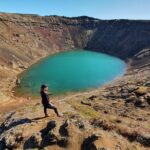
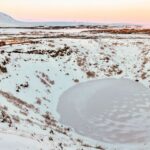
Lava fields can look like “rocks.” Then the guide points out the clues, and suddenly the ground reads like a timeline. On this tour, you’ll get to see Iceland’s youngest lava fields, which is great for understanding the pace of change on this island.
The practical way to enjoy these stops is to look for the texture and the shape. Fresh lava often looks sharper and more broken up than older formations. You’ll also hear how flows create uneven edges and how cooling happens across different surfaces. The goal isn’t to memorize terms. The goal is to develop a sense for why Iceland’s surface looks the way it does.
There’s a strong reason guides emphasize the newest lava: it makes the idea of geological activity feel real and current. You’re not just admiring ancient ruins. You’re seeing land that formed in the recent past—and it’s still part of the same ongoing system.
If you’re a photo person, this is a place to shoot in layers. Wide shots help you catch the scale. Then do a few close-ups of the textures the guide points out, because those details are what turn a snapshot into a memory you understand later.
Hot springs and geothermal terrain: steam, smell, and active ground
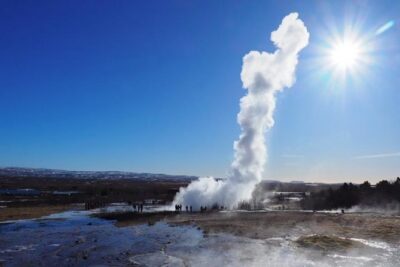
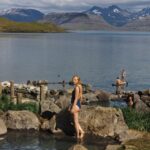
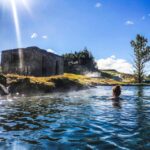
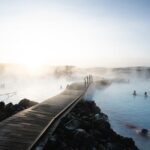
Geothermal areas are where Reykjanes stops feeling like a place you visit and starts feeling like a place you witness. You’ll explore a geothermal area with numerous hot springs and get the chance to admire the active features up close. Bubbling hot springs are part of the experience, and you’ll likely notice the smell before you spot everything.
This is where I like the guide’s role most. Without explanation, geothermal sites can become “pretty steam and mist.” With guidance, you learn what you’re actually looking at: how heat travels upward, why hot water and vapor appear where it does, and how the ground’s behavior ties back into the volcanic system underneath.
One note on expectations: this tour is built for viewing and walking around viewpoints, not for guaranteed swimming or soaking time. The experience described focuses on seeing geothermal activity, not a specific bath program.
Dress matters more here than you’d think. Cold wind plus steam can feel damp and chilly. A waterproof outer layer and shoes with traction make a big difference in how much you enjoy the stops, especially if the day is rainy.
Kleifarvatn lake pause: why the calm parts matter on a volcano tour
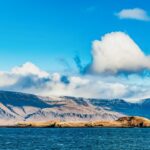
Between lava and hot springs, the tour includes a scenic stop at Kleifarvatn lake. This is more than a rest break. It’s a chance to reset your eyes and let the contrast do the work.
Volcanic terrain can feel intense visually: sharp textures, darker rock, and constant reminders of heat and motion. A calmer lake view helps you step back and see how these features sit inside a wider environment. It also gives your legs a chance to recover before the next stretch of walking and viewpoint time.
If the weather is clear, lake stops can be your best chance at softer light for photos. If weather is rough, you’ll still get the atmosphere, but you might want to keep your camera secured and ready for quick shots rather than long setups.
Oldest lighthouse and the bridge between continents: science meets icons
The tour also includes two classic landmarks in this region: Iceland’s oldest lighthouse and the bridge between continents. I love these stops because they turn the trip from purely geological into a larger idea of Iceland as a place of physical boundaries.
A lighthouse gives you a human-time marker. It’s a sign that people built routes, warnings, and systems around changing coastlines and weather. Then you switch to the bridge between continents, which is all about the physical split in the Earth’s crust. The contrast is what makes it memorable: everyday navigation and a planet-level rift happening in the same day’s experience.
You’ll also hear how these places fit into the story of where the tectonic plates are pulling apart. The guide keeps things grounded in what you can see and why it’s positioned where it is.
Moss-covered ancient lava fields: when soft growth covers hard evidence
One of the most peaceful parts of the day is also one of the most thought-provoking. You’ll see ancient lava fields covered in soft moss, with blankets of color across cooled rock. This stop is a reminder that volcanoes don’t only destroy. They reset ecosystems, and life returns in its own slow way.
For value, this part works well because it isn’t just a scenic moment. The guide can explain the connection between older lava surfaces and how moss and plant growth take hold over time. It’s the same “read the evidence” approach as the youngest lava fields, but with a different answer: time.
Practical tip: mossy rock can look soft but may still be uneven or slippery if wet. Take your time here and watch footing, even if the area looks gentle.
If an eruption resumes: how this tour handles the unknown
Here’s the big reality in Reykjanes: while no lava is currently described as flowing, an eruption could resume at any time. This tour is designed with that in mind.
If volcanic activity ramps up and some areas close, the itinerary will adjust into an active volcano experience when conditions allow. The guiding promise is that you’ll stop at the best possible viewpoint to witness what’s happening, rather than sticking to a fixed plan that might become unsafe or unreachable.
This is a great setup for people who like a flexible day and understand that safety comes first. It also explains why the tour emphasizes selecting viewpoints: you’re not chasing a guaranteed show. You’re positioned so you can react if nature changes the menu.
What to keep in mind: you might not get every planned viewpoint if closures happen. But the tradeoff is that the day stays relevant to what’s actually happening in the region.
Price and value: is $110 a fair deal for a Reykjanes day?
At about $110 per person for roughly 7 hours, this tour prices like a full-day, guided specialty experience. The value depends on what you want.
You’re paying for:
- Hotel pickup and drop-off, which saves time and makes the day easier
- A live English guide who can explain the geology while you stand in the sites
- Multiple stops tied to Reykjanes geology, including Grindavík, geothermal areas, and signature landmarks
- Wi‑Fi onboard, which is a small comfort but helps on a long ride
You’re not paying for food and drink. That’s the one cost you’ll need to cover on your own, so I factor that into my total budget. If you bring snacks and water, you can keep the day from turning expensive.
Overall, for a guided volcanic day with viewpoint flexibility, $110 feels reasonable. If you’re traveling with someone and want a single ticket that handles transport and interpretation, it’s a smart use of time.
Who this tour suits best (and who might want a different day)
This tour is a strong match if you want:
- Volcano geology explained in a grounded way
- The emotional and real-world side of volcanic events through Grindavík
- A day that mixes heat and steam, lava textures, and calmer stops like Kleifarvatn
- Flexibility in case conditions change
It may feel less ideal if you:
- Prefer fully scenic, low-emotion travel only, since Grindavík deals with devastation
- Need wheelchair-friendly routes, since it’s not suitable for wheelchair users
- Want guaranteed access to an eruption scene. The tour is built to respond if conditions allow, not to promise it
If you’re the type who likes to understand where you are, this day can be very rewarding.
Should you book this Reykjanes volcano experience?
Yes, if you want one guided day that gives you both the science and the human story of Reykjanes. The best reason to book is the combination: young lava fields, geothermal hot springs, Grindavík’s real-world impact, plus major landmarks like Kleifarvatn, the oldest lighthouse, and the bridge between continents. And the ability to adapt if activity resumes adds a layer of relevance that a fixed sightseeing route can’t match.
If you’re sensitive to the aftermath of disasters or want only light sightseeing, you might want a more purely scenic Iceland day. But if you’re curious, practical, and ready for real geology in the wild, this is a top choice for Iceland’s volcanic edge.
FAQ
How long is the Reykjanes Peninsula tour from Reykjavik?
The tour lasts 7 hours.
What is the price per person?
The price is listed as $110 per person.
Does the tour include hotel pickup and drop-off?
Yes. Hotel pickup and drop-off are included.
Is there a guide, and what language do they speak?
Yes, there is a live tour guide, and the tour is in English.
Does the tour run in bad weather?
Yes. It runs rain or shine.
Is food and drink included in the price?
No. Food and drink are not included.
What sights are included during the day?
You’ll visit Iceland’s youngest lava fields, a geothermal area with numerous hot springs, Kleifarvatn lake, Iceland’s oldest lighthouse, the bridge between continents, and the town of Grindavík.
What happens if an eruption resumes?
The tour will adapt if an eruption occurs and certain areas close, aiming to stop at the best possible viewpoint to witness it if conditions allow.
Is the tour suitable for wheelchair users?
No. It is not suitable for wheelchair users.
Should you book this tour?
Book it if you want a full guided day that helps you read Reykjanes in a deeper way: young lava, active geothermal features, and Grindavík’s story. Add it to your list especially if you like structured sightseeing with flexibility in your back pocket for changing conditions.