REVIEW · REYKJAVIK
Reykjavik City Walking Tour
Book on Viator →Operated by Reykjavik Sightseeing · Bookable on Viator
Reykjavik makes instant sense on foot. This small-group walk strings together the city’s top sights while your guide explains how Iceland’s people, geology, and folklore shaped daily life. I especially liked the personal feel of a max-12 group and the way the tour turns landmarks into stories.
Two stops did the most for me: Hallgrímskirkja (with big bay views) and the central city-hall area where you learn Iceland’s volcanic basics without it feeling like homework. The vibe also feels practical because you leave with smart, local food and museum pointers for the rest of your trip.
One thing to consider: access to the Hallgrímskirkja bell tower is weather- and rules-dependent. On some days you may not be able to go up, even if the tour description suggests it.
In This Review
- Key things to know before you go
- A 2½-hour walk that gets Reykjavik’s story in the right order
- Hallgrímskirkja: the iconic church and the bell-tower reality check
- Þingholt and the City Pond: old streets, myth talk, and real wildlife
- Volcanic basics at City Hall: how the map makes Iceland click
- Alþingi and Domkirkjan: Parliament, cathedral tradition, and Viking-era roots
- Harpa and Old Harbour: architecture, bay views, and the Sun Voyager moment
- The guide is the real product here: stories, humor, and quick local wins
- Price and logistics: value is the small-group focus
- Should you book this Reykjavik City Walking Tour?
Key things to know before you go
- Small-group size (12 max) makes it easier to ask questions and keep the pace civilized
- Hallgrímskirkja gives you an early, city-overview moment—if conditions allow the tower
- Þingholt + City Pond mixes old-town streets with a surprising pocket of nature (ducks, geese, swans)
- Alþingi, cathedral, and old homestead sites connect Reykjavik’s modern government to Viking-era roots
- Harpa + Old Harbour finishes with iconic architecture and bay views near the Sun Voyager sculpture
- Guides bring the culture through myths, funny Iceland details, and direct recommendations
A 2½-hour walk that gets Reykjavik’s story in the right order
Reykjavik can feel like it’s all one big postcard—until you learn what sits underneath it. That’s why I like this tour length. Two and a half hours is enough time to get oriented, but not so long that you’re cooked by wind and cold before you even start your real itinerary.
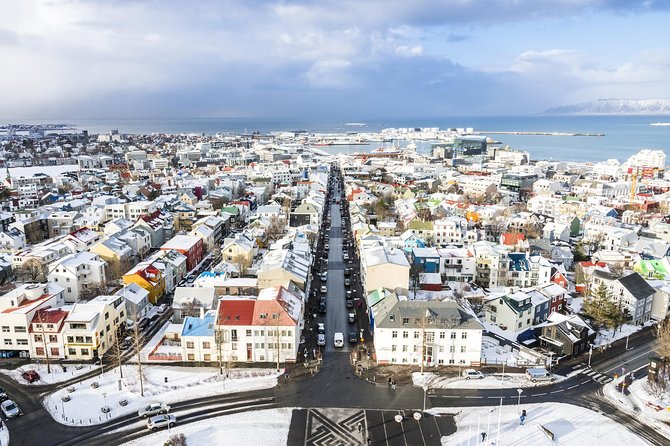
You start in central downtown, right by Hallgrímskirkja. From there, the route steadily moves through the city’s key layers: religious landmark, old neighborhood streets, government buildings, and finally the waterfront. It’s an easy way to understand how Reykjavik grew from a small settlement area into a modern capital with real personality.
And because it’s guided and small-group, you’re not just staring at pretty structures—you’re getting the why behind them. The best guides in this format also keep things moving, but not rushed. That matters in Iceland, where conditions can change fast.
You can also read our reviews of more walking tours in Reykjavik



Hallgrímskirkja: the iconic church and the bell-tower reality check
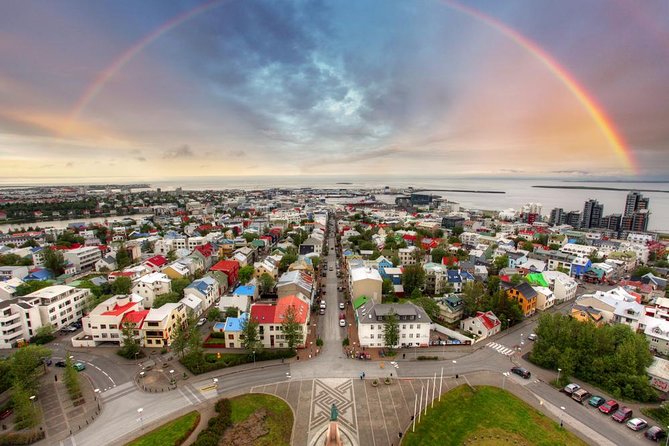
Hallgrímskirkja is Reykjavik’s most recognizable silhouette, the stepped concrete facade that looks like it belongs to the Icelandic terrain even though it’s a church. Inside, it’s famously minimalist, and the building’s organ is a major feature.
Your first “wow” moment comes from the possibility of going up the bell tower. When it works out, you get views over the red rooftops and out toward Faxaflói Bay. That view does a lot for you on day one, because you can immediately place neighborhoods and waterline geography in your head.
Now the reality check: the bell tower experience isn’t guaranteed. One guest noted they were told they couldn’t go up during their tour, even though the description sounded like an included climb. So here’s my practical advice:
- Arrive a bit early if you want tower access. If the tower is open under normal hours, you may be able to use an elevator or go on your own before the group starts.
- Dress for surprise stops. If the weather is rough, they’ll prioritize safety and may adjust the plan.
Either way, you’ll still get a strong introduction to the building and why it matters culturally.
Þingholt and the City Pond: old streets, myth talk, and real wildlife
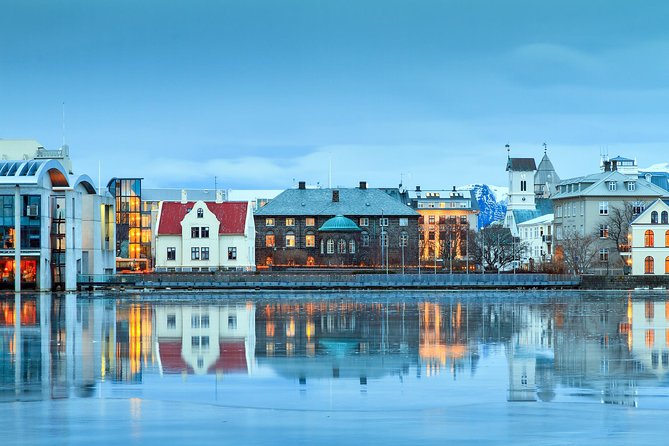
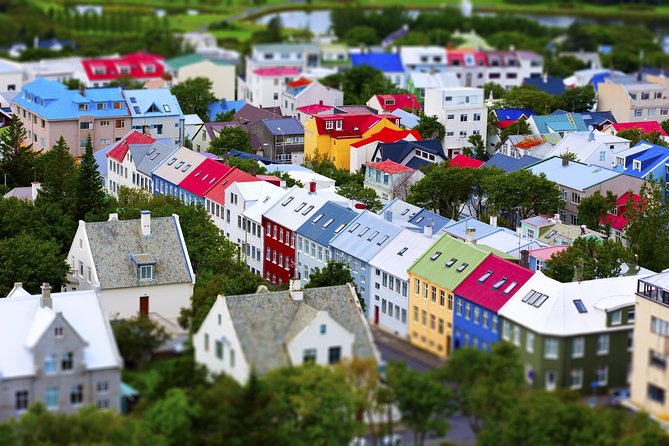
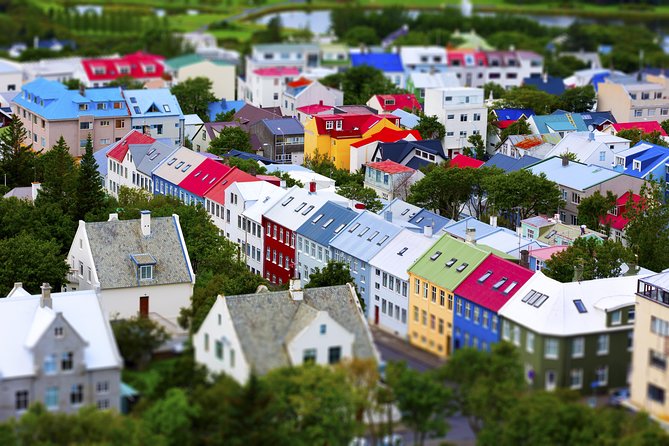
From Hallgrímskirkja, you move into the parts of Reykjavik where the city feels older and more local. A key section is Þingholt (Þingholt/Þingholtsstræti area), known for colorful corrugated iron houses. This is the kind of place where you can see Iceland’s relationship with materials and practicality—buildings that work in a harsh climate instead of fighting it.
A stop around Einar Jónsson’s statue garden adds a different flavor. Your guide connects Norse belief and storytelling to the city’s public art and myths. That’s not just fun trivia. It helps you understand why elves, gods, and legends still show up in everyday Icelandic culture, even when the city is unmistakably modern.
Then you reach Reykjavik City Pond, a small pocket of nature inside the city center. The tour includes feeding the ducks, geese, and swans. It’s a quick moment, but it changes the mood. You stop walking, look around, and suddenly Reykjavik feels less like a hurry-through city and more like a place where people slow down, even in winter.
If the wind is coming hard, this is also one of the spots where you’ll appreciate good footwear and layers. You’ll be standing still for a short time, and cold that hits your ears and fingers is no joke.
Volcanic basics at City Hall: how the map makes Iceland click
City Hall is where the tour shifts from “pretty places” to “how Iceland works.” Inside, you get a view of a giant topographical map of Iceland, and your guide uses it to explain geology and volcanic history.
I like this approach because it’s visual. Iceland’s volcanism isn’t a distant science concept—it’s the foundation for where people live, how land forms, and even why certain places feel the way they do. When you see the country’s shape and big features at once, it’s easier to connect later experiences like waterfalls, hot springs, and lava fields to something concrete.
A useful detail here: your walk into City Hall goes through the older center streets first, then the tour lands you in a place that represents modern governance. That contrast makes the geology lesson more memorable, because you’re looking at a map of a country shaped by fire while standing in a city built to withstand that reality.
Alþingi and Domkirkjan: Parliament, cathedral tradition, and Viking-era roots
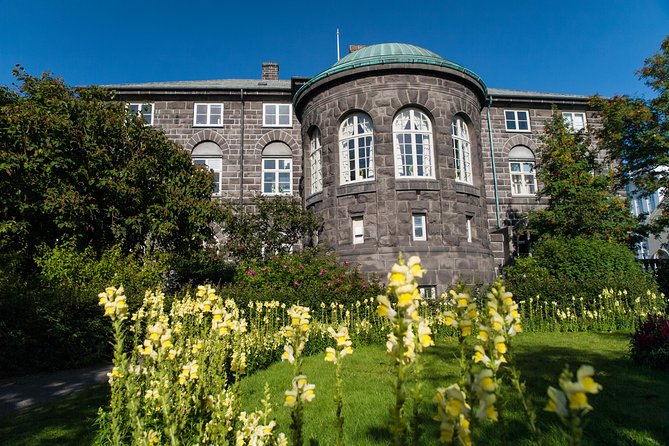
Next comes the heart-of-city authority zone—Alþingishúsið (Alþingi/Parliament) and nearby Domkirkjan (Reykjavik Cathedral). The architecture is modest by European standards, but it feels important because it’s tied directly to how modern Iceland governs itself.
Here’s the context I found valuable: your guide points out the location of some of the city’s earliest Viking homestead sites. That connection matters. Reykjavik wasn’t always the polished capital you see today. It started as a settlement, then grew into a place with institutions, laws, and a defined identity.
Domkirkjan also comes up as the seat of the bishop and the mother church of the Evangelical Lutheran Church of Iceland. Even if you’re not the type to tour churches for hours, it helps to understand what the building represents. In a place where daylight and weather shape daily life, religious institutions historically acted as community anchors.
One more practical note: this part of the route is great for photos if the light cooperates, but it’s also where you might want to keep your pace steady. Your guide will likely move group members along so they hit the next waterfront views before weather changes again.
You can also read our reviews of more city tours in Reykjavik






Harpa and Old Harbour: architecture, bay views, and the Sun Voyager moment
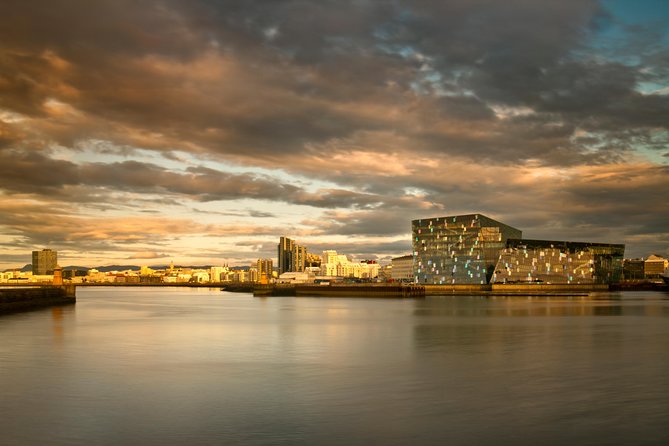
Old Harbour is where Reykjavik’s energy becomes visible. The tour heads toward Harpa Concert Hall and Conference Centre, an instantly recognizable building by its glassy, geometric look. Even if you’re not attending a concert, it’s worth seeing in person because it looks different depending on cloud cover and angle.
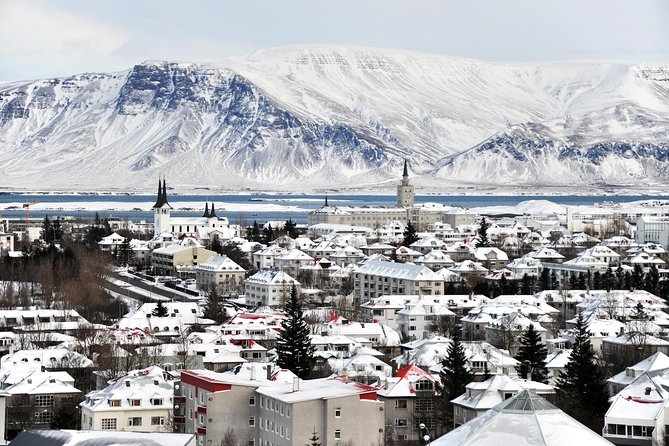
From there, the route includes the Sólfar (Sun Voyager) sculpture—one of the most famous public art pieces in the city. It frames bay views with a “myth plus modern design” feeling. When you pair that with Mt. Esja in the distance (when visibility is good), it gives you a clean mental picture of how the city sits against Iceland’s larger natural backdrop.
Finishing near Old Harbour also makes it practical. You’re ending in a central area where it’s easy to continue on your own—grab a warm drink, check out shops, or walk a bit more toward dinner.
The guide is the real product here: stories, humor, and quick local wins
The included guide isn’t just narration. On this kind of tour, the guide is what turns a list of landmarks into understanding.
I saw the strongest praise repeatedly for guides who are funny, engaging, and fast-moving without being chaotic. Names mentioned include Asi, Tomas, Ásta, Dominica, and David. That variety matters: it suggests the tour structure works with different personalities, as long as they keep it lively and clear.
What you’re likely to get from your guide:
- Icelandic culture explained through stories, not dry facts
- Myths and legends tied to what you’re seeing (Norse gods, elf lore references)
- Geology lessons that help you read Iceland’s features later
- Real recommendations for museums, bars, and restaurants
In several reviews, people called out tips that helped them plan food and sights right away. One guest even mentioned a stop for a hot chocolate, which makes sense—when the weather is icy, a quick warm break can reset the whole experience. That’s not guaranteed as a formal stop, but it’s a good sign that guides know how to keep people comfortable.
A particularly memorable theme from reviews: guides share everyday Iceland details. One person mentioned learning that Icelandic naming patterns differ from what many visitors expect, and even joked about how people might be related. Whether or not you remember every detail, the overall point lands: you come away feeling like you understand the place’s “rules,” not just its buildings.
Price and logistics: value is the small-group focus
At $54.65 per person for about 2 hours 30 minutes, you’re paying for an efficient route plus a guide who translates the city into something you can use. If you tried to DIY this route on your own, you’d still see Hallgrímskirkja, City Hall, Parliament-area buildings, and Harpa. But you’d miss the connecting tissue: the Norse culture tie-ins, the volcanology explanations using the map, and the practical restaurant and museum recommendations.
This price also makes sense because the group stays small—12 travelers max. In Reykjavik, where you’ll be dealing with cold weather and frequent “wait here for the next photo” moments, a small group is more comfortable and easier to manage than large bus-style tours.
A couple logistics points to plan for:
- Weather matters. The tour operates in all weather, so you’ll be outside. Dress like you mean it: warm layers, wind protection, gloves, and waterproof boots if you have them.
- Walking pace can be brisk. One review complained the guide didn’t wait for slower walkers between sights. If you move slower than average, consider telling the guide at the start that you might need extra time at each stop.
If you want to start your trip with jet lag in check, this tour’s timing works well. One guest said they joined soon after arriving and it helped keep them active while learning the city layout. That’s exactly how I’d use it too—do it early, then spend the rest of your stay exploring with a clearer mental map.
Should you book this Reykjavik City Walking Tour?
Book it if you want an efficient, high-impact introduction to Reykjavik. This is a smart first-tour choice because it hits the big landmarks while also explaining how Iceland’s geology, Viking roots, and local myths connect to everyday city identity. The small group size also makes it feel more personal than a typical checklist tour.
Skip or rethink it if you’re mainly chasing a single ticketed experience like guaranteed bell-tower access. Even though the tour description suggests it, real-world conditions can change what’s possible that day. Also, if you walk slowly and need frequent pauses, you’ll want to be sure your group pace matches your comfort level.
If you fit neither of those “skip” situations, this tour is one of the best ways to get your bearings fast—and then enjoy Reykjavik without feeling like you’re guessing.