REVIEW · REYKJAVIK
Reykjavik: Whale and Puffin Watching RIB Boat Tour
Book on GetYourGuide →Operated by Elding Adventure at Sea · Bookable on GetYourGuide
Reykjavik’s ocean gets personal fast. This RIB boat tour has you cruising from the Old Harbour, scanning for puffins on islands and then pushing out for whales and dolphins with a smaller, more maneuverable craft. You also get expert commentary from guides who really know the animals, not just a script.
I love how close you can get without turning it into a loud, chaotic chase. The boat’s speed and tight handling mean you can reposition quickly, and people often talk about whales and seabirds showing up right where the boat is headed. My other favorite part is the onboard guide style—when you’re led by a marine biologist like Max, or a knowledgeable guide such as Kylie or Emily, the trip feels like a working field lesson you can actually enjoy.
One consideration: it’s still open water, so it can be cold and windy even in summer. You’ll be provided warm gear, but you’ll still want your own layers and warm footwear, and the ride can feel fast.
In This Review
- 6 Key Things You’ll Notice on This RIB Tour
- Old Harbour Start: A Fast, Purpose-Built Way to See Reykjavik
- Harpa Concert Hall and Sun Voyager Views From the Water
- Puffins on the Islands: What the Island Stop Really Means
- Whale and Dolphin Searching: Maneuverability That Helps You Spot More
- The Ride and the Gear: Comfort Without Losing the Thrill
- Photos, Timing, and the 2-Hour Reality Check
- Price and Value: Is $191 Worth It?
- Who This Tour Suits Best (and Who Might Skip It)
- Should You Book Reykjavik’s Whale and Puffin RIB Tour?
- FAQ
- What’s the duration of the tour?
- Where do I meet, and where does the tour end?
- When can I see puffins?
- What wildlife might I see?
- What should I wear and bring?
- Is food or a toilet available on the boat?
- Are there age or size limits?
- Is the tour suitable for pregnant travelers or mobility issues?
6 Key Things You’ll Notice on This RIB Tour
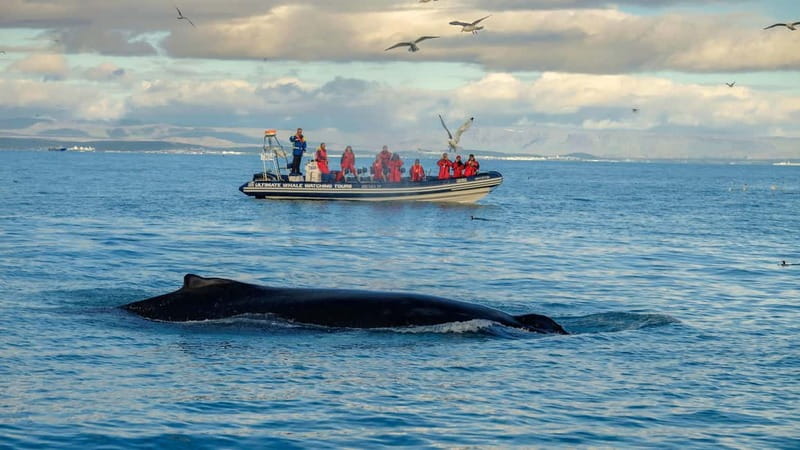
- Small group energy (up to 12 people): you’re easier to coach, and spotting wildlife feels more intentional.
- Marine biologist-led wildlife talk: you get real behavior clues, not just species names.
- Harpa Concert Hall and Sun Voyager from the water: skyline views that you can’t get on foot.
- Puffins on islands in season: a focused stop where you watch them in their natural setting.
- RIB maneuverability for wider searching: better positioning for whales and dolphins than you’d have on bigger boats.
- Warm overalls, gloves, and goggles: you’ll still dress smart, but you won’t be left out in the cold.
Old Harbour Start: A Fast, Purpose-Built Way to See Reykjavik
Your tour begins at the ticket office at the Old Harbour in Reykjavik. Plan to arrive a little early so you can check in, sign the waiver, and get sorted before you head out on the water. This matters because once the boat leaves, you’re mostly in “watch mode.”
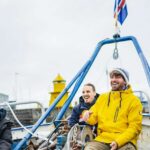
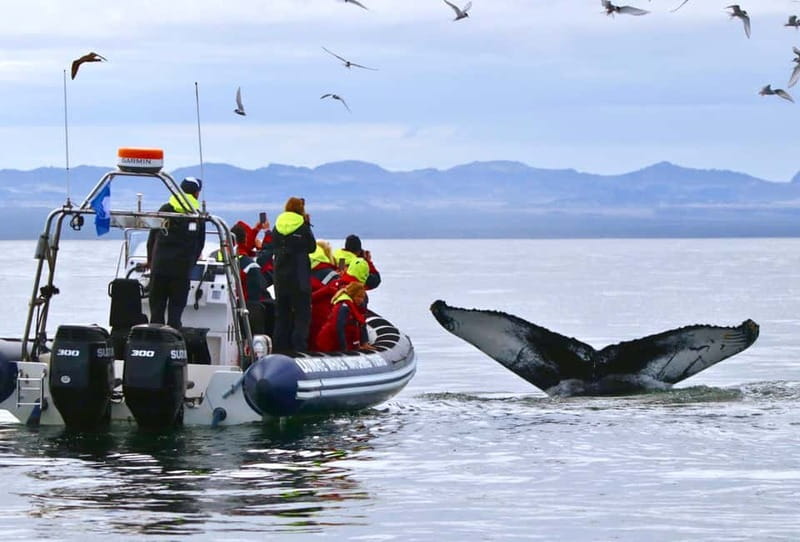
The boat is a specially engineered RIB that can handle changing sea conditions while staying stable. In plain terms: you get speed and control, without feeling like you’re being tossed around constantly. Several guides have a marine-science background, which helps explain what you’re looking at and why the captain changes course.
Also, you’ll be in a small group—limited to 12 participants. That size feels like the sweet spot. You can hear instructions, see what the guide is pointing at, and still move around your seat area to get a better view.
You can also read our reviews of more boat tours in Reykjavik


Harpa Concert Hall and Sun Voyager Views From the Water
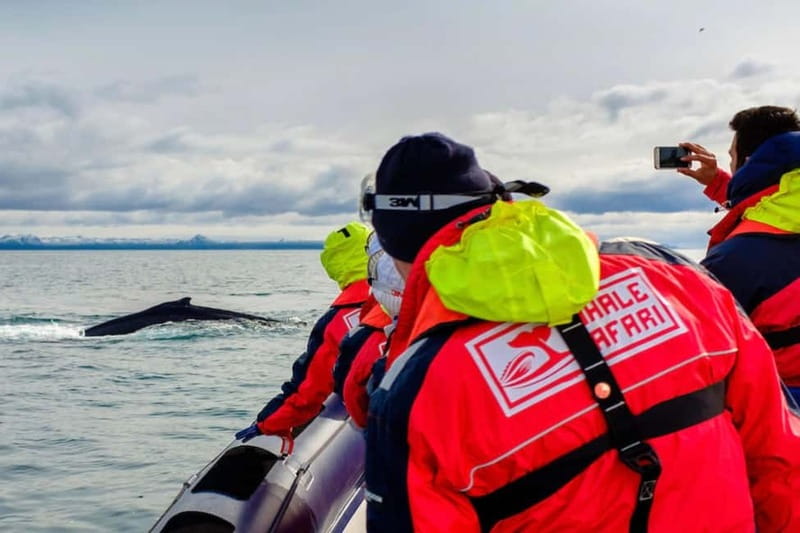
Before you even get deep into wildlife watching, you get a rewarding Reykjavik shoreline moment. You’ll sail past the Harpa Concert Hall, Reykjavik’s famous glass-and-steel landmark, then glide by the Sun Voyager sculpture.
Seeing these from the water changes the scale. Harpa looks sharper and more architectural, and the whole coastline feels more alive when you’re moving. It’s a good warm-up too, because you start scanning the horizon soon after leaving the harbour—boats, birds, and movement on the water catch your eye faster once you’re already in that rhythm.
It’s also a nice reminder that this tour is not just “go out and hope.” The crew builds in time to show you Reykjavik’s best-known waterfront angles before wildlife searching ramps up.
Puffins on the Islands: What the Island Stop Really Means
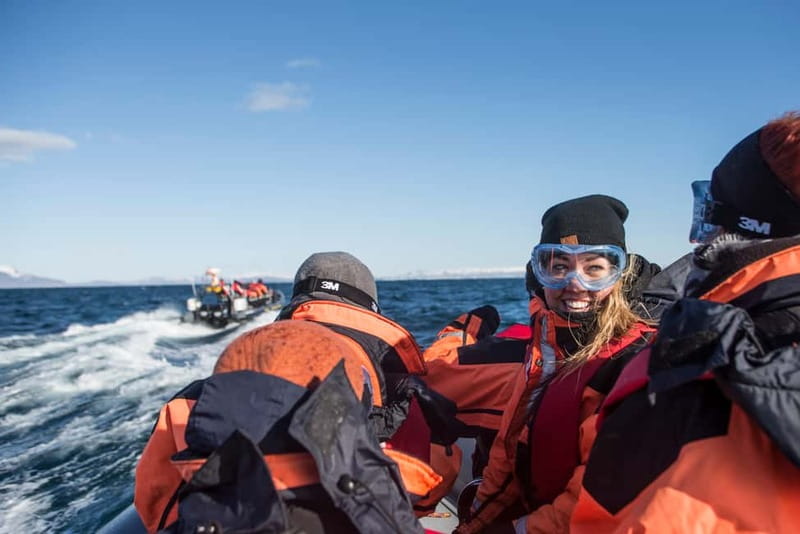
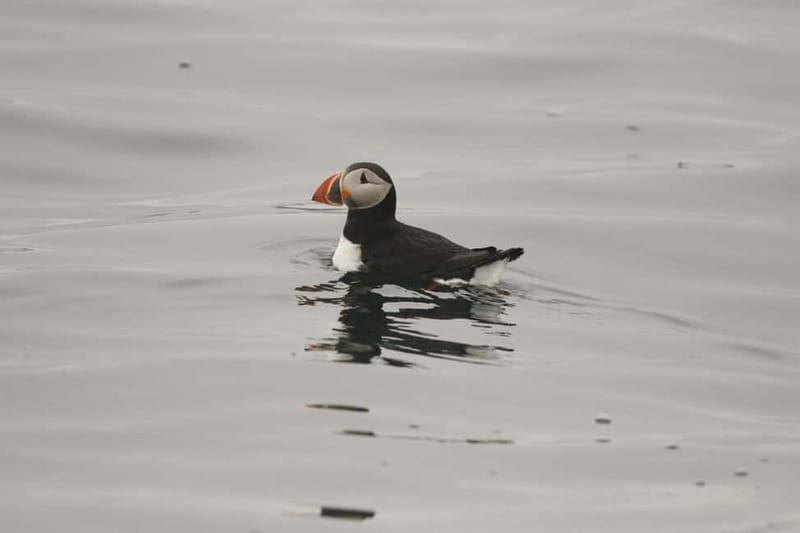
Puffins are seasonal, and this tour is timed for that reality. Puffin season is listed between 20 April and 15 August in one place, and 20 April to 20 August in another. Either way, you’re looking at late April through August for the best odds of seeing puffins.
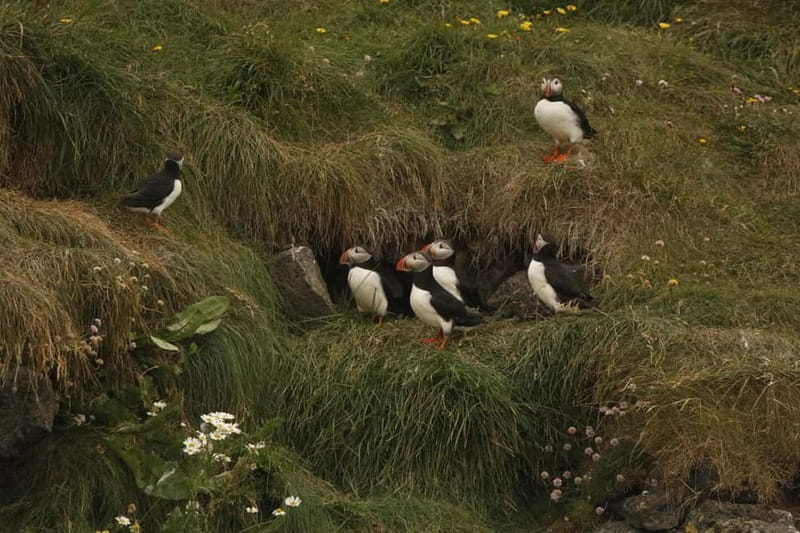
When you reach the islands, the goal is simple: watch puffins in their natural environment. This isn’t a quick drive-by. You’re headed out early enough to make that island time count, and the guide helps you connect what you’re seeing—like how they behave on the water and around nesting areas—with what’s happening in the broader ecosystem.
A practical tip from the vibe of the experience: puffins are easiest when you’re ready to look where the guide tells you, not only at the biggest birds in view. The crew is trained to interpret bird movement, and you’ll get a better experience if you’re not glued to one spot. Let your eyes follow the guide’s directions.
Whale and Dolphin Searching: Maneuverability That Helps You Spot More
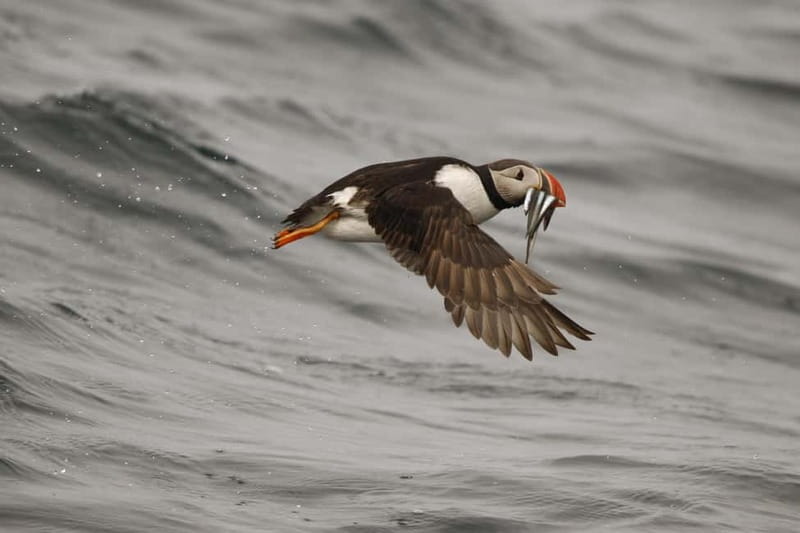
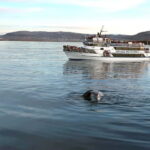
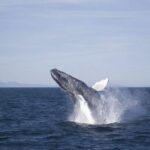
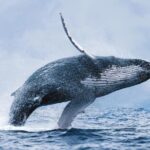
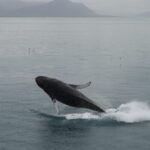
After the puffin portion, the boat heads further out in search of whales and dolphins. This is the part you came for, and it’s also the part nobody can fully control—ocean life changes minute by minute. The difference here is that you’re using a RIB that can search wider areas and reposition fast.
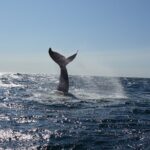
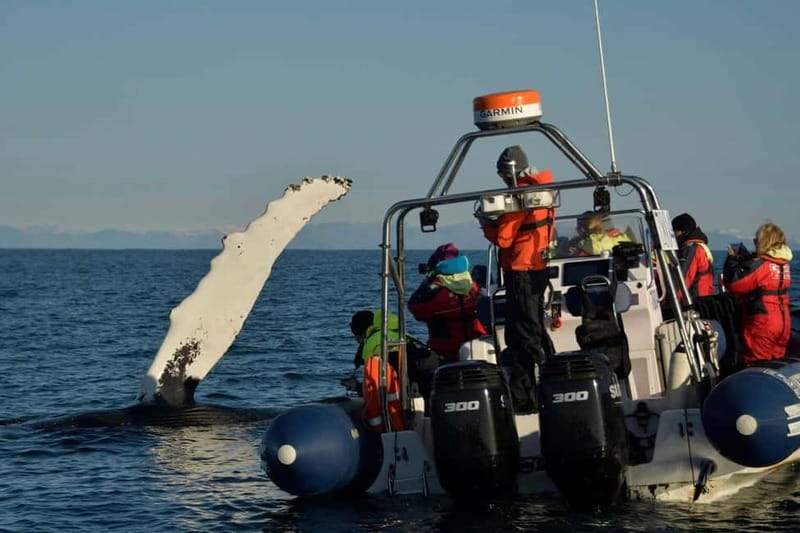
That “bigger coverage, closer approach” combo is the value of going with a RIB instead of a large vessel. People often highlight that you can get close enough to feel the excitement in your body when whales surface. Some passengers even describe hearing animals exhale right near the boat, which tells you how much more immediate the viewing can be.
The guides’ marine knowledge makes a noticeable difference. On multiple trips, guides have pointed out animal behavior and helped people understand what they were seeing—like identifying different whale types (including minke whales and humpback whales when conditions allow) and spotting dolphins and seabirds alongside the search.
One more real-world point: your odds don’t come only from the boat. They come from the crew’s choices—where to run, when to slow, and when to change direction because something shifted. That’s where trained guidance pays off.
The Ride and the Gear: Comfort Without Losing the Thrill
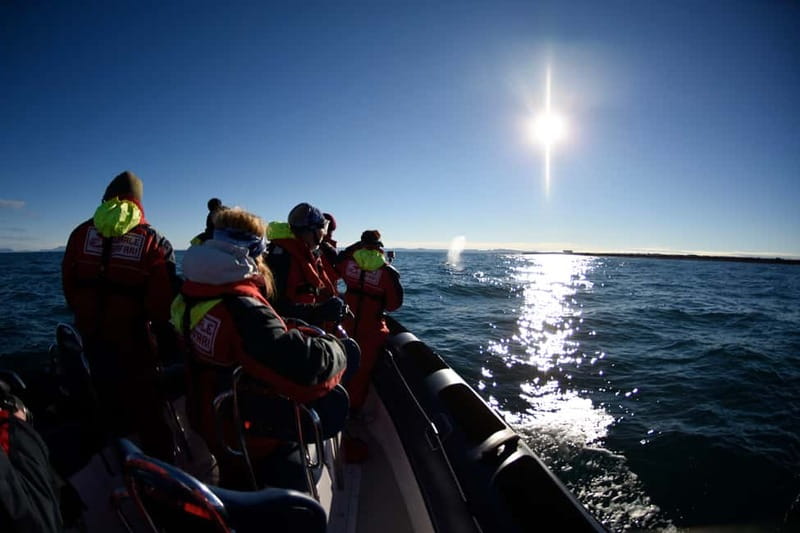
Let’s talk comfort, because cold water can ruin a good day fast. You’ll be given warm overalls, gloves, and goggles, plus safety equipment. You’ll also need to wear signed waiver paperwork, and you should bring hiking shoes plus weather-appropriate clothing.
In practice, I’d still dress like the wind is your main enemy. Several people recommend warm layers and the warmest coat you own. You might even see your breath once you’re out on the water, especially if you get a chill while you’re holding still to watch wildlife. Sunglasses help for the wind and glare. If you don’t have them, goggles are provided, but it’s smart to bring your own if you can.
Seat comfort on a fast RIB can sound like a bad idea, but multiple passengers mention the seating feels more stable than they expected. One detail I like: some boats have a spring absorbing mechanism to reduce bumps from waves. That translates into less rattling and less “constant bracing,” which helps when you’re trying to keep your eyes on surfacing points.
Also, the ride can feel thrilling. People mention gripping a bit while the boat powers across the water. If you’re prone to motion discomfort, the combination of gear + the RIB’s maneuvering seems to work well for many, and many mention they didn’t have sea sickness issues.
You can also read our reviews of more whale watching tours in Reykjavik
Photos, Timing, and the 2-Hour Reality Check
This is a 2-hour tour from the Old Harbour back to the meeting point. Two hours sounds short until you remember how quickly the ocean changes. In that time, you’re packing in Reykjavik waterfront viewing, an island puffin stop, and then whale-and-dolphin searching farther out.
One surprisingly practical perk: the crew takes pictures and shares them with you later. People often mention receiving photos and a summary of what was seen the following day (via email). That helps you remember details you might miss while you’re busy watching birds pop up and disappearing again.
Timing also matters. Puffins are the seasonal anchor, but whales and dolphins are always the wild card. You may see multiple whale types, or you may see fewer whales on a given day, while still getting a strong mix of dolphins, puffins, and seabirds. Either way, the island stop and the return cruise along the Reykjavik shoreline keep the experience moving.
Price and Value: Is $191 Worth It?
At $191 per person for a two-hour RIB tour, this isn’t a budget activity. But it can be excellent value if you care about two things: (1) wildlife viewing where the boat can reposition quickly, and (2) expert guidance that helps you spot what’s actually happening.
You’re paying for more than transport. You’re paying for the RIB’s ability to get closer than larger boats typically can, and you’re paying for a trained guide team that helps you interpret the sea. People also describe the ride itself as fun even if wildlife sightings were slower at first, which is important because whale watching isn’t guaranteed.
Where value lands best is for people who want a “hands-on” view of the ocean near Reykjavik, not a distant wildlife cruise. If you’re only after a calm sightseeing boat, the speed of a RIB might feel like overkill. If you love action, sharp views, and quick repositioning for wildlife, this price starts to make a lot of sense.
Who This Tour Suits Best (and Who Might Skip It)
This tour suits you if you want to do wildlife watching with real guidance, and if you’re comfortable dressing warm for open-water conditions. It’s especially good for people who are okay with the ocean being unpredictable and who treat sightings as a bonus to a well-run experience.
It’s also a great fit for adults and kids old enough to follow safety instructions and enjoy fast movement. The minimum age is 10, and there are height and weight limits (minimum height 145 cm, maximum weight 140 kg). You should also know it’s not suitable for pregnant women, people with mobility impairments, and people over 75.
Footwear matters too: high-heeled shoes aren’t allowed. Bring hiking shoes, and wear clothing you don’t mind getting a little wet. Even with the provided gear, a sea spray situation is normal on an open RIB.
Should You Book Reykjavik’s Whale and Puffin RIB Tour?
I’d book this if you want the best shot at close wildlife viewing from Reykjavik, plus a fun, fast boat ride that also includes Harpa and Sun Voyager from the water. The small group size, marine-biologist-style guidance, and the provided warm gear make it feel like a guided experience you can trust, not a gamble with no structure.
I’d hesitate if you’re sensitive to cold wind or fast motion, or if you simply want a slow sightseeing cruise. And remember: whales are not guaranteed. But you’ll still get puffins in season, dolphins and seabirds often show up, and the Reykjavik shoreline views give you something even when wildlife timing changes.
If you’re choosing between “slow boat, fewer close views” and “RIB, more repositioning,” this tour leans hard toward the option that maximizes your chance to see something big up close.
FAQ
What’s the duration of the tour?
It’s a 2-hour whale and puffin watching tour, starting at the Old Harbour and ending back at the same meeting point. Exact starting times depend on availability.
Where do I meet, and where does the tour end?
You meet at the ticket office at the Old Harbour in Reykjavík. The tour ends back at the meeting point.
When can I see puffins?
Puffins are seasonal. The details list 20 April to 15 August in one place, and 20 April to 20 August in another. In general, plan for late April through August.
What wildlife might I see?
The tour focuses on whales, puffins, and dolphins, plus lots of seabirds in the area. Specific whale sightings can vary from day to day.
What should I wear and bring?
Bring hiking shoes and weather-appropriate clothing. You’ll be given warm overalls, gloves, and goggles, but you should still wear warm layers.
Is food or a toilet available on the boat?
No. There are no toilets on board, and food is not included.
Are there age or size limits?
Yes. The minimum age is 10 years, minimum height is 145 cm, and maximum weight is 140 kg.
Is the tour suitable for pregnant travelers or mobility issues?
No. It’s listed as not suitable for pregnant women and people with mobility impairments. It’s also not suitable for people over 75.