REVIEW · REYKJAVIK
Reykjavik: World War II Walking tour around the city centre
Book on GetYourGuide →Operated by The War Tour · Bookable on GetYourGuide
World War II feels real when you’re standing in it. This 2-hour walk links May 1940 headlines to everyday streets in central Reykjavik, using period photos and videos as you go. I especially like the focus on the human side of the change, not just military facts.
Two things I’d repeat: you start at Hotel Borg / Austurvollur and the route is built to help you picture the invasion moving through the city; and the guide also connects the British presence to the later American footprint in Icelandic life. One drawback to plan for: it runs in almost all weather, so you need real rain gear and layers.
In This Review
- Key moments that make this walk work
- Why May 1940 Still Shows Up in Central Reykjavik
- Meeting at Hotel Borg: Start Easy, Learn Fast
- Old Harbour: The British Invasion Landing Point
- Reykjavik Old Town: Following the Route Through Key Buildings
- The German Residence Stop: The War’s Human Scale
- Brits Then Americans: How the War Changed Daily Iceland
- What the 2 Hours Actually Feels Like
- Walking Comfort, Weather, and What to Pack
- Price and Value: How $40 Adds Up
- Who Should Book This WWII Walking Tour
- Quick Practical Tips Before You Go
- Should You Book It?
- FAQ
- Where does the tour start?
- How long is the Reykjavik World War II walking tour?
- What language is the tour in?
- Is the tour wheelchair accessible?
- Is it suitable for children?
- What should I bring?
- What kind of historical materials will the guide use?
- Is food or drinks included?
- What if the weather is bad?
- How much does it cost?
Key moments that make this walk work
- Meeting in front of Hotel Borg so you get oriented fast in the city center
- Old Harbour as the landing place in May 1940, not a vague WWII story
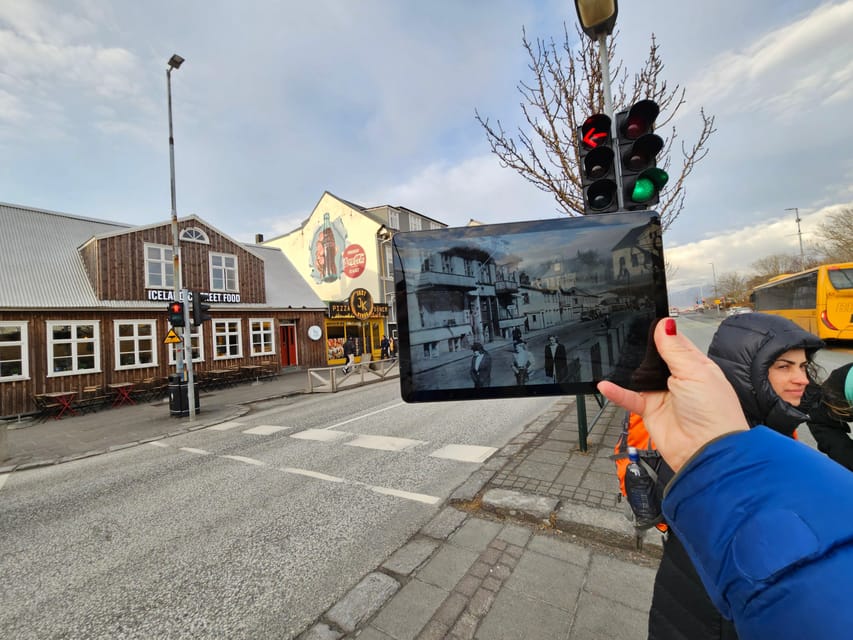
- Period photographs and videos used right on the streets where events unfolded
- Reykjavik Old Town route that tracks how troops took over key buildings
- British and American presence in one storyline, from food to music and dancing
- Mostly flat walking with a small hill, plus some benches but not everywhere
Why May 1940 Still Shows Up in Central Reykjavik
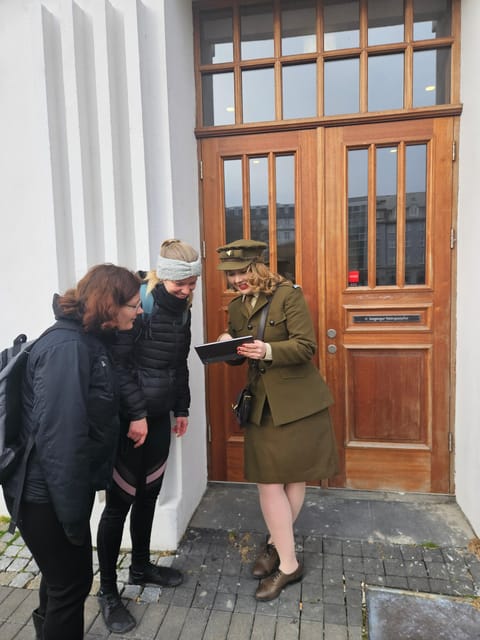
Reykjavik can feel small, like you can see the whole city in a day. Then you do this walk and it clicks: the streets you’re using today were shaped by wartime decisions that lasted long after the fighting stopped.
What I like about the approach is that it doesn’t treat WWII like a museum exhibit. You get guided stories tied to actual points on the map, including where the British landed. That turns abstract history into something you can follow step-by-step as you walk.
And the tour goes beyond troops and dates. The guide talks about the social ripple effects too: changing tastes, changing music, and how people in Iceland adjusted when foreign forces became part of the daily rhythm.
You can also read our reviews of more walking tours in Reykjavik


Meeting at Hotel Borg: Start Easy, Learn Fast
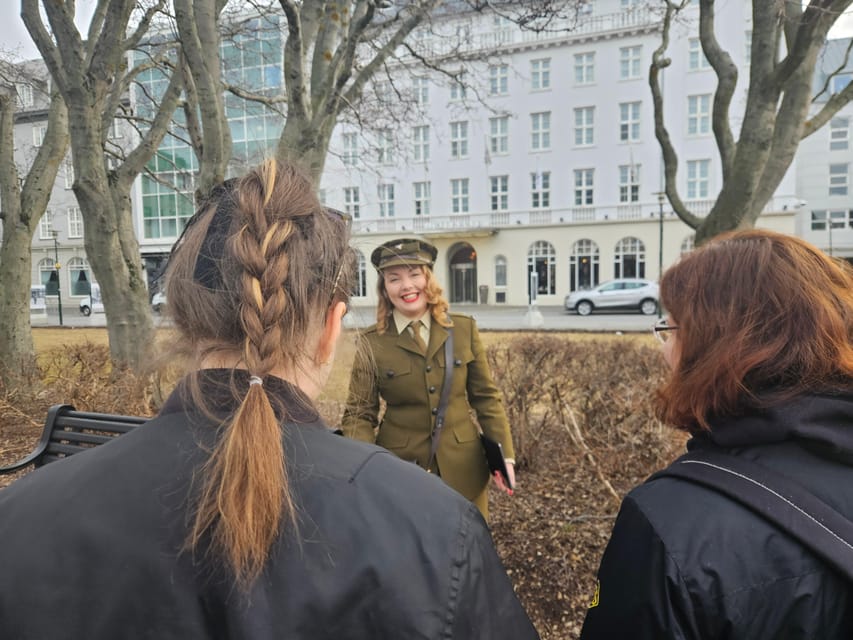
The tour begins outside Hotel Borg, at Austurvollur (Parliament Sq). You don’t need to chase a hidden doorway or hunt down a van. Just get to the front of the hotel and wait outside.
Starting here matters because it puts you in the center of the city right away. You’ll get oriented before the route starts pulling you toward the Old Harbour and the older parts of town. It’s a smart way to keep the walk from feeling like a random series of stops.
One practical note: the tour is 2 hours, so you’re not paying for a slow meander. It’s paced to give you story and context without turning into a marathon.
Old Harbour: The British Invasion Landing Point
The biggest “plot point” is at the Old Harbour, described as the exact landing place of the British Invasion. This is where the tour earns its keep: you’re standing near the geography of the moment, so the stories land with more weight.
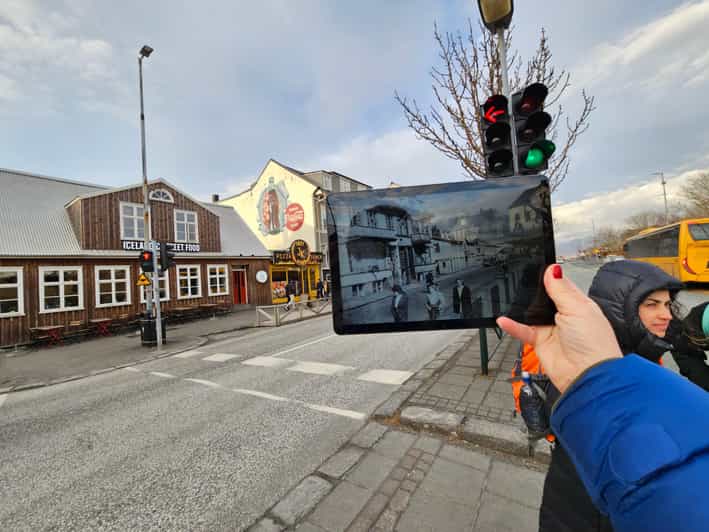
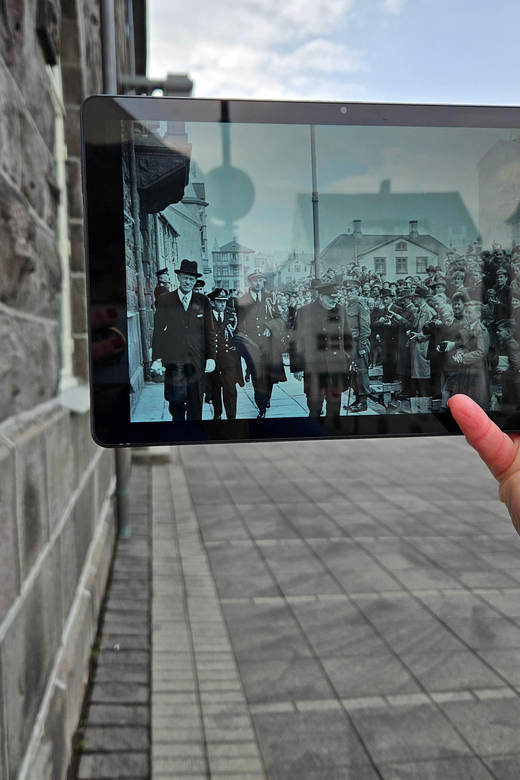
You also get period visuals—old photographs and videos—used as you walk. That’s a key detail. Text-heavy history can float above reality. Visuals placed at the site help you picture what the harbor looked like then, and how quickly the city had to adapt.
What to watch for here: don’t just listen to the landing story like it’s a single event. The guide frames it as the start of a chain reaction—taking over buildings, moving through the city, and changing how people lived, shopped, and socialized.
Drawback to consider: since this is an outdoor walking tour, your ability to fully enjoy this stop depends on what weather does to visibility and comfort. Bring your rain gear even if the sky looks friendly.
Reykjavik Old Town: Following the Route Through Key Buildings
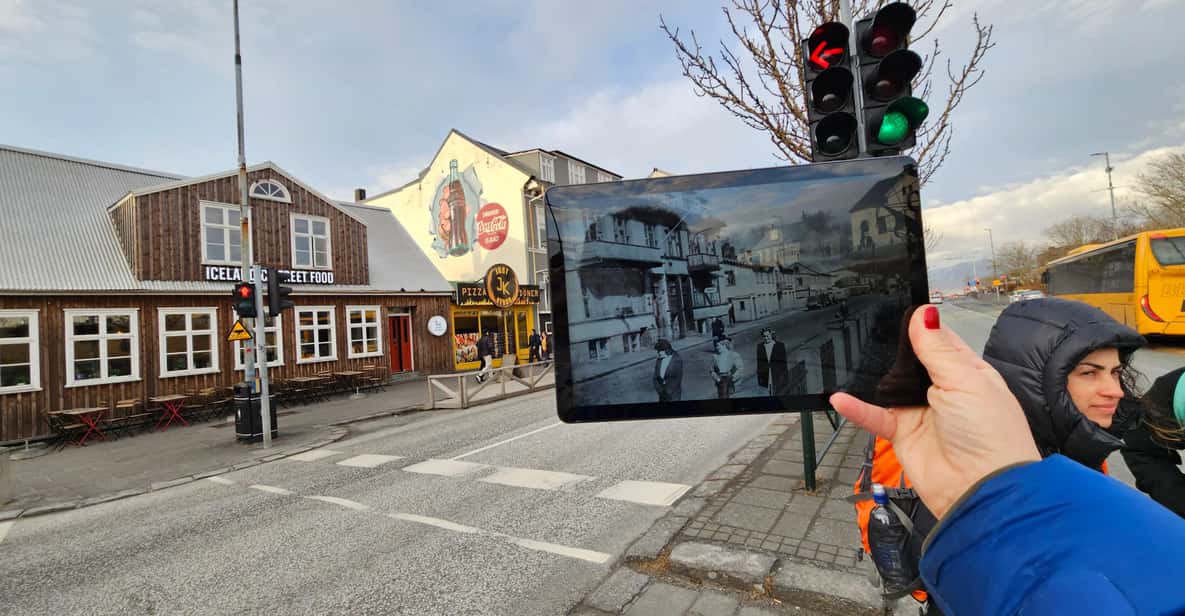
After the harbor, you follow the soldiers’ route toward the heart of Reykjavik. This is where the walk turns into a story of movement—who went where, and why certain buildings mattered.
The tour route runs through Reykjavik Old Town, with stops designed to match what happened as troops took over key sites. Even if you’ve never studied Iceland in WWII, the guide keeps it clear. You’re not expected to remember a map from day one; you’re given the route as you go.
Why this part is valuable: it helps you understand how foreign military presence wasn’t only “over there.” It shaped the center of town—where people gathered, where services ran, and where daily life got reorganized.
A real bonus is that the guide doesn’t keep the conversation trapped in strategy. The stories connect back to culture and society. You hear about changes in what people ate, what music they listened to, and what they did for fun—especially around dancing—once British and later American influence became part of the scene.
If you’re the type who likes history with a pulse, this section is your payoff.
The German Residence Stop: The War’s Human Scale
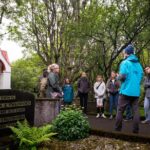
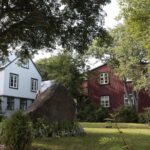
One highlight on the route is the German Residence. This stop adds balance to the storyline, keeping the tour from being only a British-invasion narrative.
Even without turning every stop into a heavy lecture, the German Residence is a reminder that WWII in Iceland wasn’t one-dimensional. Multiple sides and pressures shaped what was happening, and Reykjavik had to live with the consequences on the ground.
What I’d encourage you to do at this point: slow down and pay attention to the way the guide links buildings to decisions and daily impacts. When you connect the architecture to the era, the city starts to feel like a document. Not just pretty streets—pages you can read.
You can also read our reviews of more city tours in Reykjavik


Brits Then Americans: How the War Changed Daily Iceland
The tour’s strongest theme is the long tail of WWII. You start with the British landing in May 1940, then you also hear about the American presence and how it changed Icelandic society.
The guide ties it to lifestyle in concrete ways. You’ll hear discussions about cultural shifts, including the kinds of music people danced to and the food people ended up eating. That matters because it reframes the war as a social event, not only a military one.
One reason this tour gets high marks is that the guide adjusts the lens. If your usual history focus is purely on operations, you’ll likely come away seeing the American presence in a new way—less like a footnote and more like a major influence on how Reykjavik functioned.
Also, you’ll notice the guide’s storytelling style. In past experiences with this provider, a guide named Lucky has been praised for being funny and for sharing ghost-story-style moments when people bring up that kind of interest. Even if you’re not into spooky details, it’s a reminder that the tour feels alive and not canned.
What the 2 Hours Actually Feels Like
Two hours sounds short, and it is. But the pacing works because the tour gives you story at each step, rather than forcing one long speech.
You’ll walk through the city center, with the route mostly flat. There is a small hill both up and back, but it’s not presented as a dealbreaker. There are benches at several stops, though not at all of them.
This is one of those tours that’s easy to like because it respects your time. You get structure: meet, walk, stop, story, repeat. You’re not stuck in one place for ages, and you’re not sprinting between distant locations either.
Walking Comfort, Weather, and What to Pack
This tour runs in almost all weather. In Iceland, that’s not a cute slogan—it’s the reality. Bring rain gear and outdoor layers. Even in summer, the air can feel cooler than you expect.
Wear comfortable shoes. The tour is designed to be manageable, but you’ll still be on your feet for the full duration. A camera helps, especially because the guide uses period photos and videos as part of the experience. You’ll want to capture views and the street-side context.
What about umbrellas? You might think they’re enough, but strong wind and sideways rain happen. A hooded rain layer is often a safer bet than fighting the weather with a flimsy umbrella.
Price and Value: How $40 Adds Up
At about $40 per person for a 2-hour guided walk, the value comes from what’s included: an English-speaking live guide, city-center routing, and on-the-street historical storytelling with period visuals.
You’re not just paying for someone to read trivia. You’re paying for:
- a focused route through key WWII-related points,
- context connecting Britain and the American presence,
- and the ability to ask questions and get explanations in real time.
Also, the tour includes time on side streets you wouldn’t normally notice just wandering. That’s important in Reykjavik, where everything is close together. Without guidance, it’s easy to miss the small turns that make a story click.
Is it a bargain? It’s priced like a serious city tour, not like a casual free-walk. But given the specificity—Old Harbour landing point, Old Town route, and the German Residence stop—it feels fair for the time you get.
Who Should Book This WWII Walking Tour
This is a great fit if you:
- like history tied to actual places, not just museum panels,
- want the social side of WWII, especially the British and American cultural impact,
- enjoy a guide who can explain without turning it into a dry lecture.
It’s also a good option if you’re already in the city center and want a high-effort, low-logistics activity. Just show up, wear the right gear, and you’ll get a meaningful framework for understanding Reykjavik.
One note on fit: the subject matter isn’t suitable for children under 10. If you’re traveling with younger kids, you can arrange a private tour and the material can be adjusted.
Quick Practical Tips Before You Go
- Bring comfortable shoes and rain gear; Reykjavik weather doesn’t negotiate.
- You’ll be outdoors for the full walk, so dress like you’ll need layers.
- The tour starts and ends back at the same place: outside Hotel Borg.
- Plan on a walking pace that’s steady for about two hours, with stops for story.
If you want the best experience, come with a loose question in mind. For example: How did the war change daily life? Then the guide’s route makes a lot more sense.
Should You Book It?
If you want WWII history that actually feels connected to the streets you’re walking on, I think you should book this. The combo of the Old Harbour landing point, the Old Town route, and the German Residence stop gives you real geographic anchors. Then the British-to-American cultural discussion makes the whole story stick.
The only reason not to book is weather tolerance. If you hate being outside in wind and rain, you might find it frustrating. But if you’re the type who carries a rain layer without complaint, this is a strong use of a couple hours—and a smart way to see Reykjavik with a new lens.
FAQ
Where does the tour start?
Meet outside Hotel Borg (not inside), at Austurvollur (Parliament Sq).
How long is the Reykjavik World War II walking tour?
It lasts about 2 hours.
What language is the tour in?
The tour is guided in English.
Is the tour wheelchair accessible?
Yes, it is wheelchair accessible. The route is mostly flat, with a small hill, and there are no stairs. Benches are available at some stops but not all.
Is it suitable for children?
It is not suitable for children under 10. If you want to bring younger children, you can arrange a private tour with The War Tour and they will adjust the material.
What should I bring?
Bring comfortable shoes, a camera, rain gear, and outdoor clothing.
What kind of historical materials will the guide use?
The guide uses period photographs and videos during the walk to help you visualize what happened.
Is food or drinks included?
No. Any drinks or snacks you want to buy along the way are not included.
What if the weather is bad?
The tour goes in almost all weather, so you should dress accordingly—even in summer.
How much does it cost?
The price is listed as $40 per person.