REVIEW · REYKJAVIK
South Coast Iceland: 2-Day Blue Ice Cave & Jokulsarlon Tour
Book on GetYourGuide →Operated by Troll .is · Bookable on GetYourGuide
Two days, four kinds of ice. This tour mixes a blue ice cave walk, a real glacier hike in Skaftafell, and big-ticket South Coast stops like Jökulsárlón. It’s also run in small groups with an English-speaking guide, and names like Thora, Pali, Halldor, and Shen Ji show up a lot in the feedback for their calm control and good explanations.
I also like that the plan is packed with reasons to get outside, not just quick photo stops: waterfalls first, then ice, then the Atlantic edge where icebergs drift and get tossed around by tide and wind. The one thing to factor in is the Northern Lights part is never guaranteed, and weather can also shuffle timing or swap activities if conditions turn extreme.
In This Review
- Key highlights at a glance
- Starting from Reykjavík: early pickup, small-group comfort, and real pacing
- What to pack so the day feels easy
- Seljalandsfoss and Skógafoss: the South Coast’s two waterfall moods
- The Blue Ice Cave: what the short hike and gear actually mean
- How to make the cave visit feel comfortable
- Skaftafell glacier hike: 1.5 hours on an outlet glacier
- Gear matters, and it’s included here
- Overnight in the southeast: Northern Lights hunting without promises
- What to expect if the aurora appears (or doesn’t)
- Black sand beach: the wildlife stop that people remember later
- Why birds matter here
- Jökulsárlón Glacier Lagoon and the Atlantic: where icebergs get moving fast
- How to get better value out of your lagoon time
- Price and what you get for $718 (and what you don’t)
- Weather reality: flexibility is part of the deal
- Who this two-day ice tour suits best (and who should think twice)
- Should you book this 2-Day Blue Ice Cave & Jökulsárlón Tour?
- FAQ
- What time is pickup in Reykjavík?
- How big is the group?
- What language is the guide?
- Is Wi‑Fi available during the trip?
- What’s included in the tour price?
- What meals are not included?
- Do I need to bring hiking boots?
- Can Northern Lights be guaranteed?
- What happens if weather is extreme?
Key highlights at a glance
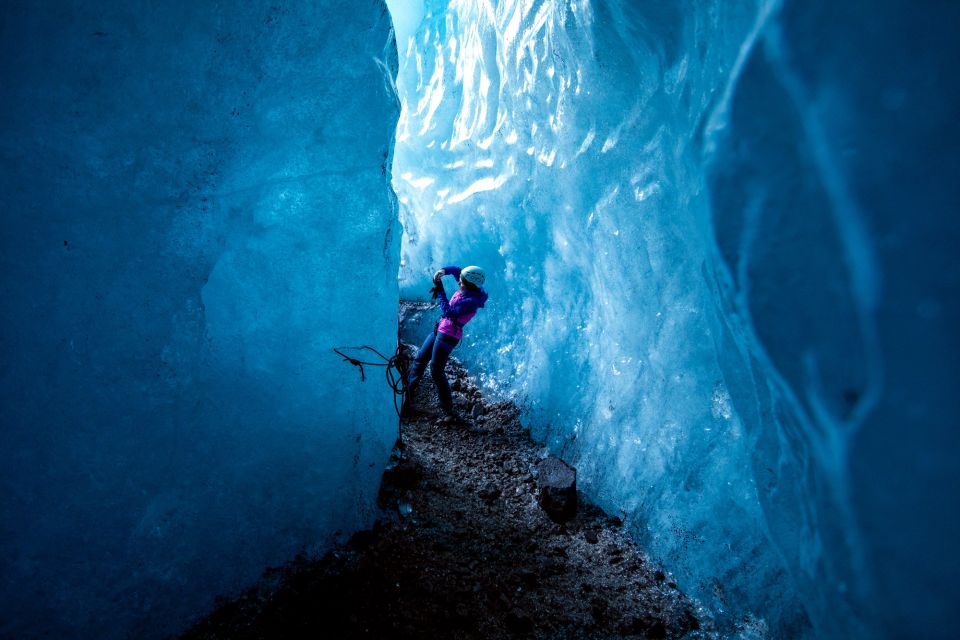
- Blue ice cave access with provided ice cave equipment
- 1.5-hour glacier hike in Skaftafell Natural Reserve with glacier gear included
- Jökulsárlón Glacier Lagoon where icebergs float into the Atlantic and get moved fast by conditions
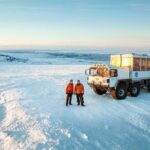
- Small group (max 18) with an English live guide and onboard Wi‑Fi plus Icelandic music
- Northern Lights attempt from a southeast hotel location when forecasts look promising
Starting from Reykjavík: early pickup, small-group comfort, and real pacing
Your day begins with pickup in central Reykjavík at 8:00 AM, and the pickup process usually takes about 30 minutes. You’ll travel in a small minibus, limited to 18 participants, which matters because the route is long and the stops are frequent. The bus is also set up to keep things easy in transit: there’s Wi‑Fi and Icelandic music onboard, so you’re not stuck staring at cloud cover with nothing to do.
One practical note I’d plan around: the days are full. This is not a slow sightseeing stroll. You’ll move from the Reykjavík pickup area to the South Coast, and later you’ll do another big chunk of driving back toward Reykjavík after the lagoon and black sand beach. If you like “buffer time” to linger, you’ll want to mentally switch from leisurely to focused.
You can also read our reviews of more tours and experiences in Reykjavik
What to pack so the day feels easy
This is a quick-hit, weather-dependent tour, so your best move is light packing and flexible layers. The tour notes that luggage storage may be available in Reykjavík for larger items if you need to repack into a smaller suitcase. Bring layers you can peel on and off as you go from waterfall mist to glacier cold to windy beaches.
Seljalandsfoss and Skógafoss: the South Coast’s two waterfall moods
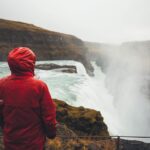
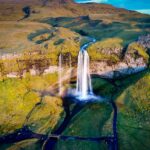
Right away, you get the classic South Coast power duo. The first big stop is Seljalandsfoss, where you take a short hike and can walk behind the waterfall. That behind-the-falls moment is more than a gimmick: you’ll feel the spray and wind change your footing and senses. It’s one of those stops where the weather decides your experience—bright skies turn it magical, and misty days still make it feel alive.
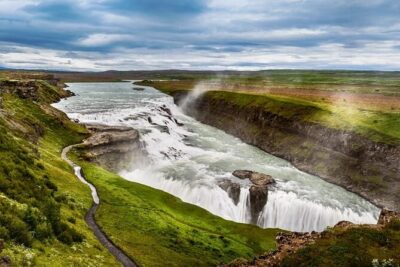
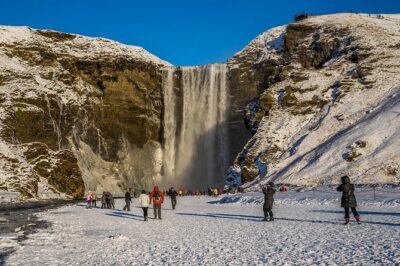
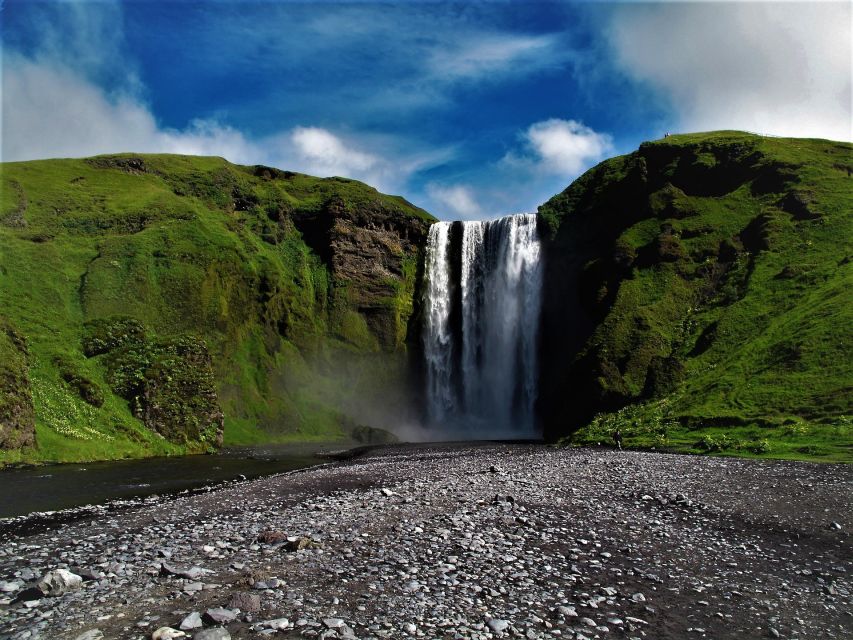
Then you head to Skógafoss, dropping from about 60 meters. Skógafoss is tucked into a gorge, with the river Skógá funneling water down the cliff before it continues toward the Atlantic. This stop works well early because it resets your eyes: you go from a waterfall you can walk behind to a waterfall you mostly face straight on, with scale that hits instantly.
The Blue Ice Cave: what the short hike and gear actually mean
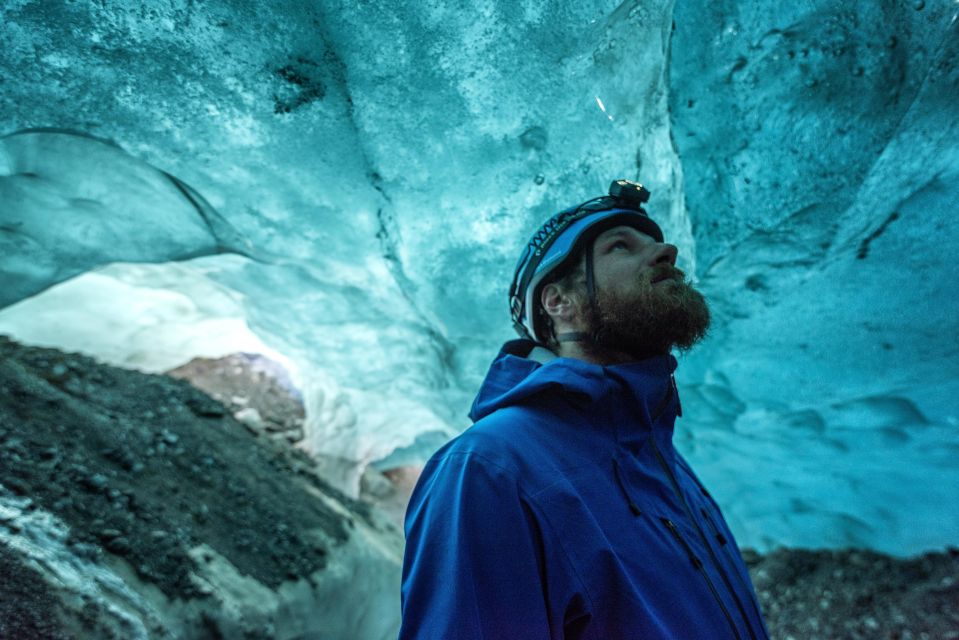
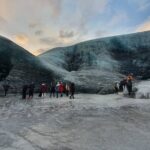
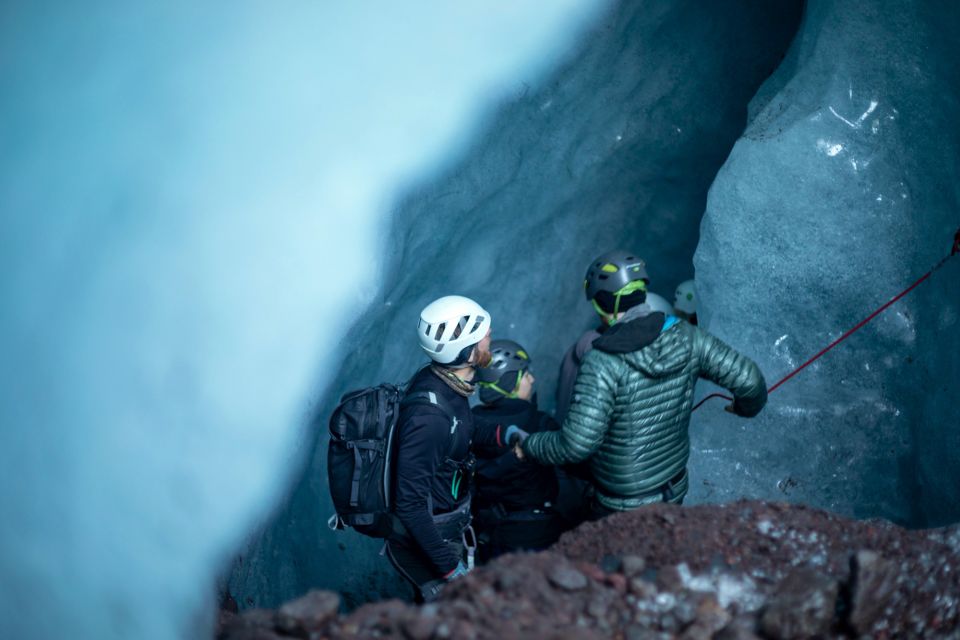
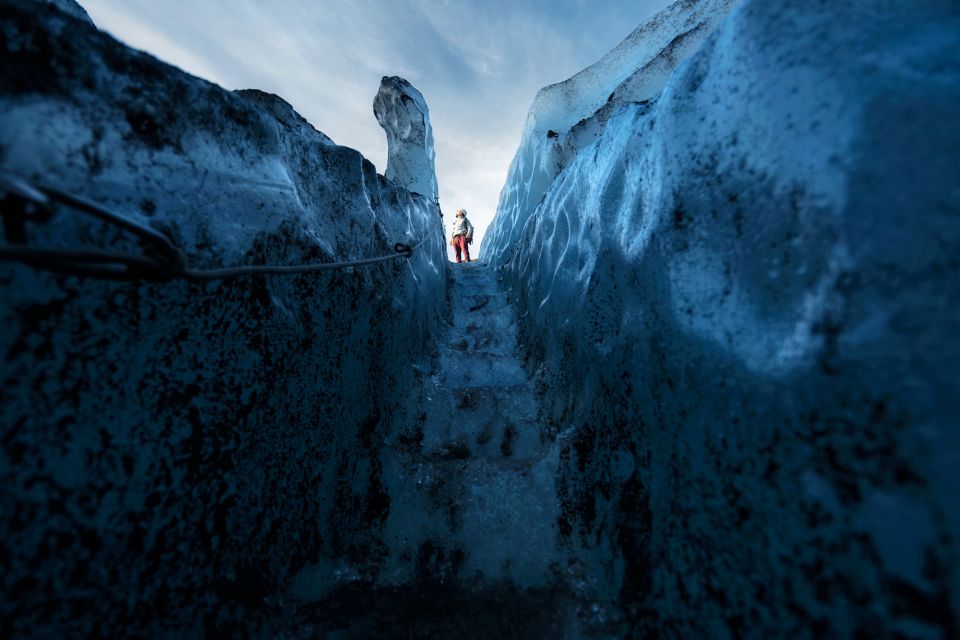
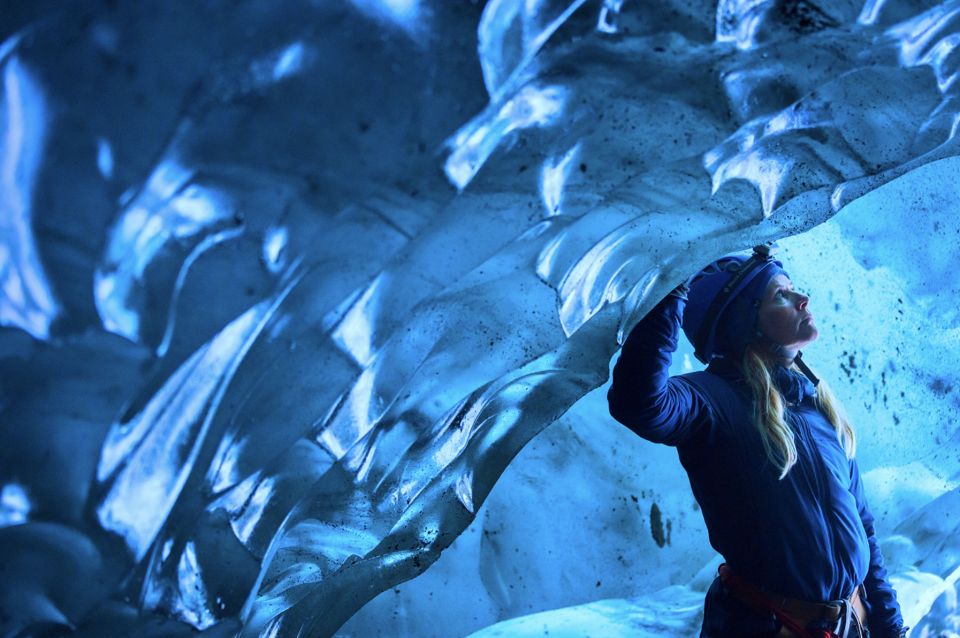
After the waterfalls, you shift gears to ice that looks almost unreal. The blue ice cave stop includes a short hike and you’ll explore the cave with provided ice cave equipment. The highlight here is the color—ice tends to look gray until you see the way light cuts through these glacier layers. The tour’s promise is a “blue ice cave,” and that’s exactly what you’re there for.
A good way to think about this portion is: it’s not an all-day expedition inside a cave system. It’s a focused experience with equipment and a short approach, designed to fit into the tight two-day schedule. That means you’ll want to treat it like a weather-sensitive window: if you’re slow, the group moves on, and if visibility is limited, your guide may adjust timing.
How to make the cave visit feel comfortable
Even though the tour includes equipment, you still need to think about grip and balance. The tour does not include lunch or dinner, but it does include equipment, so you’ll likely be moving. Dress in layers, keep your hands warm, and prioritize secure footwear. If you didn’t bring hiking boots, note that hiking boots are available for rent when booking.
Skaftafell glacier hike: 1.5 hours on an outlet glacier
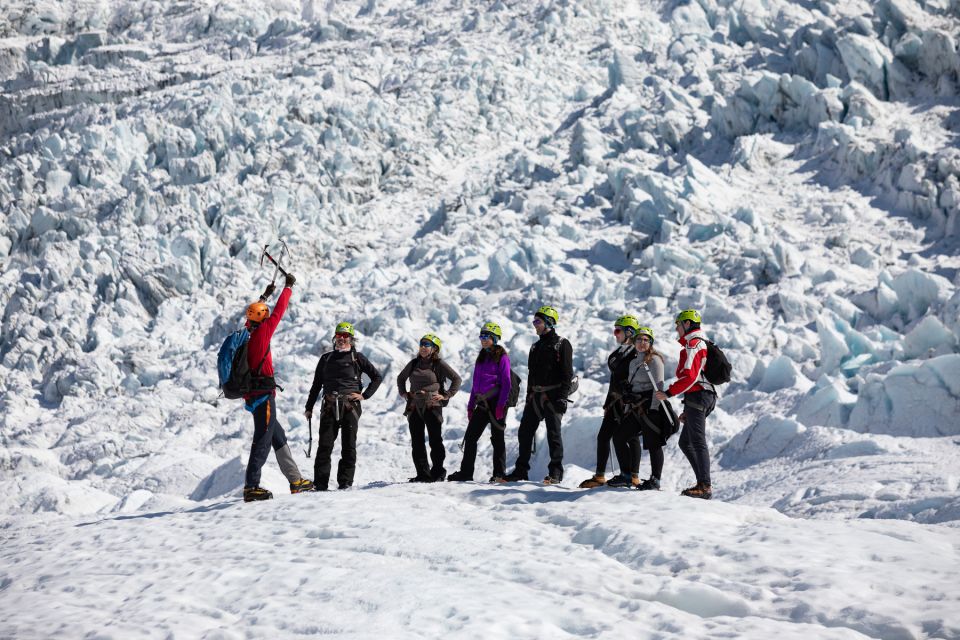
This is the heart of the trip if you want to go beyond photos. After the ice cave, you head into Skaftafell Natural Reserve for a scenic glacier hike. You meet experienced guides, then hike on the ice for about 1.5 hours.
The tour frames the glacier hike as part of the bigger glacier system in Iceland: the glacier you’ll walk on is described as an outlet glacier connected to one of the largest glaciers in the country. Even without obsessing over glacier science, you’ll feel what guides are teaching—how ice behaves, where it comes from, and why this area keeps changing.
Gear matters, and it’s included here
Unlike some tours where you’re supposed to bring half the gear, this one includes glacier gear and the ice cave equipment. That’s value, because proper gear isn’t just comfort—it affects safety and confidence on slippery surfaces.
If you’re unsure about your walking comfort on ice, this is where having an attentive guide really helps. The feedback also points out a common theme: guides stay patient and answer questions instead of rushing people. One name that comes up in that context is Pali, and other guide names (like Gum-may, Halldor, and Oscar) also get praised for being friendly, professional, and focused on keeping everyone good-to-go.
Overnight in the southeast: Northern Lights hunting without promises
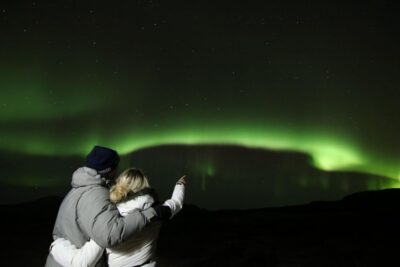
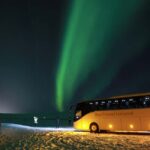
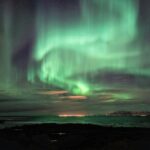
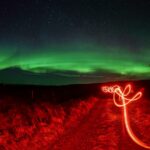
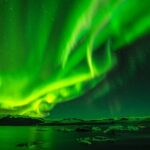
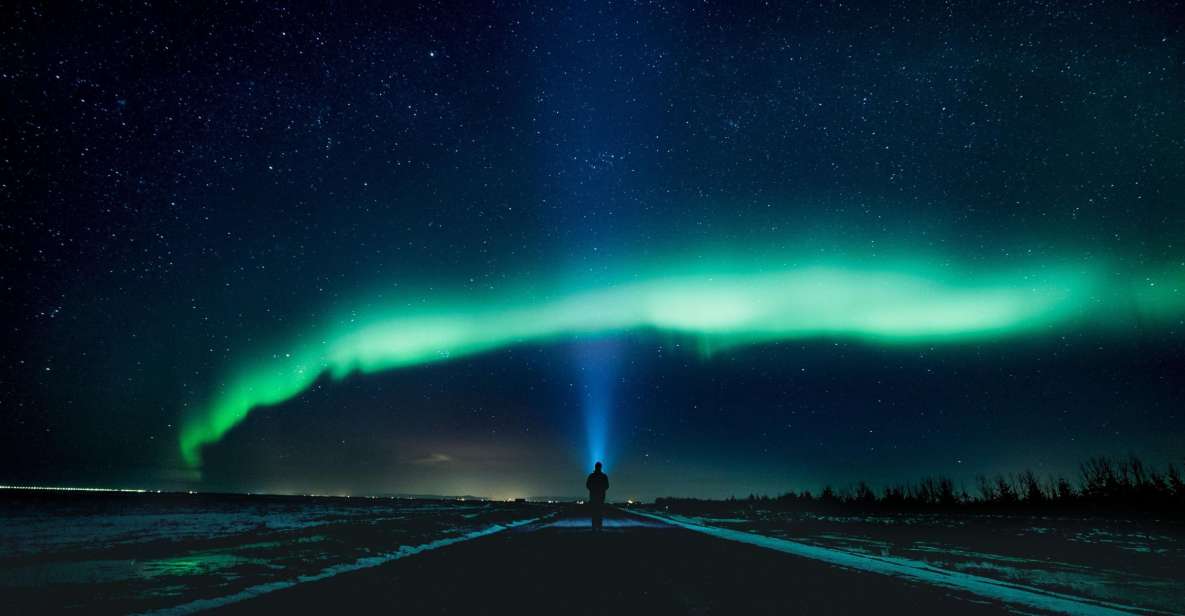
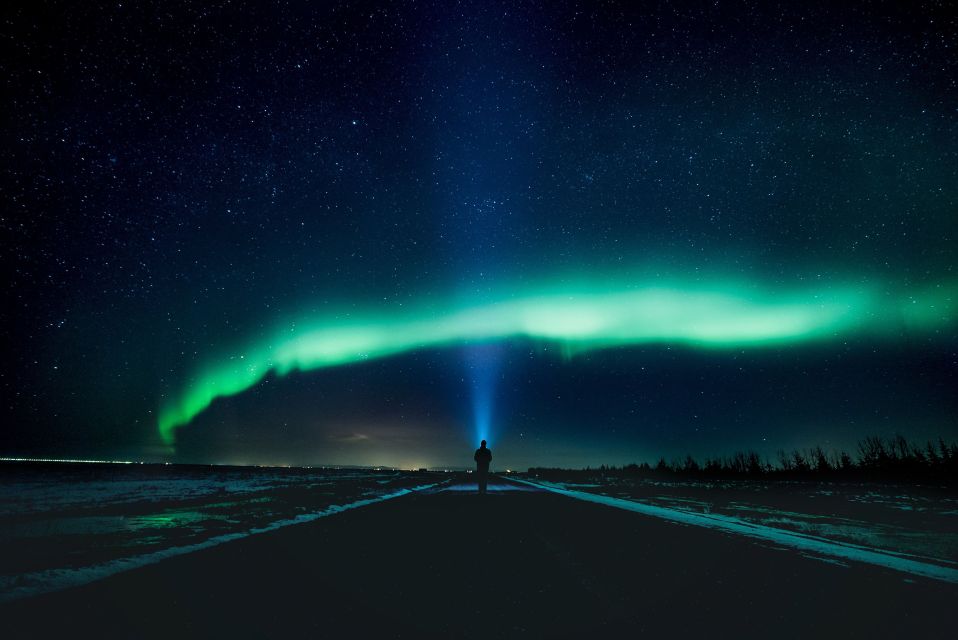
That night is one of the biggest variables in the whole trip. You’ll arrive at your 3-star hotel in the southeast, with breakfast included and time to buy dinner if you want. Then you meet your guide again for Northern Lights info and, if the sky is clear and forecasts look good, your guide will try to find a spot to watch the Aurora Borealis.
Here’s the key part: Northern Lights are a natural phenomenon. The tour can set you up well—hotel placement in prime regions helps—but it can’t control cloud cover or weather. The best mindset is to treat the aurora like a bonus, not the main event.
What to expect if the aurora appears (or doesn’t)
On nights when it does show, you’ll likely get a clear, dark-sky view, and you’ll feel why guides keep checking conditions and wind. One detail from the feedback: aurora sightings have occurred around late evening to around 11 pm and can last for a short window. On other nights, conditions can be too cloudy, or wind can make standing still unpleasant.
Either way, you’re still on Iceland time: cold air, wind, and waiting. Bring serious warmth, even if you think you’re tough. And if it’s windy, don’t underestimate it—cold wind can steal your patience fast.
Black sand beach: the wildlife stop that people remember later
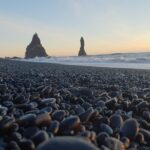
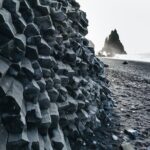
The next morning starts with another of Iceland’s contrasts. You’ll visit a black sand beach, described as a place that hosts Icelandic birds and other wildlife. This stop is easy to underestimate because black sand sounds like a background detail until you see how it changes the whole coast feeling.
What I like about this portion is that it breaks up the ice-and-glacier intensity with something more grounded. You’re looking at the boundary between land and ocean, where seabirds move across a rugged shoreline and where the colors are dramatic even without bright sun.
Why birds matter here
The tour specifically calls out birds and wildlife. That’s a clue: this isn’t just about dramatic rocks and scenery. It’s about ecosystems that thrive in harsh conditions, and it helps you connect the trip to Iceland’s real living landscape—coastal survival instead of just “wow” moments.
Jökulsárlón Glacier Lagoon and the Atlantic: where icebergs get moving fast
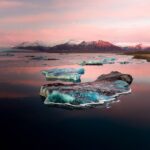
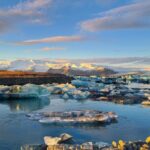
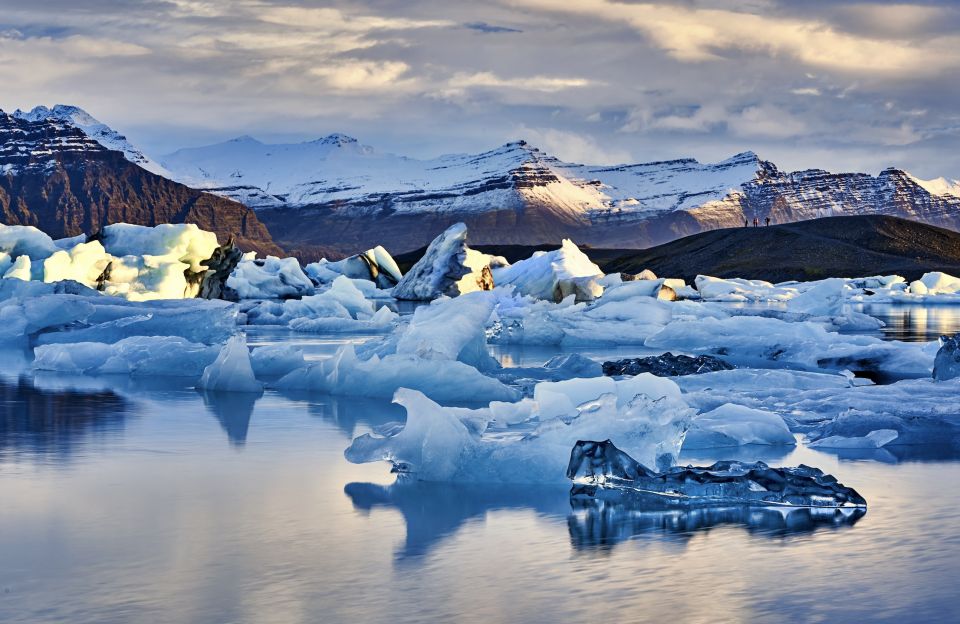
Day two is built around Jökulsárlón Glacier Lagoon, and it’s a strong finish for people who want one place to deliver maximum payoff. The lagoon is described as about 200 meters deep, fed by Breiðamerkurjökull, an outlet glacier tied to Europe’s largest glacier system.
This is where the ice turns into motion. Icebergs float from the glacier lagoon out toward the Atlantic, then get pushed back toward shore by tide and winds. That means you’re not seeing static sculptures—you’re watching a system at work. Ice drifts, collides, and breaks in ways you can’t time perfectly, so you’ll need the mindset of watch closely and accept surprises.
How to get better value out of your lagoon time
Because icebergs move and conditions shift, your best strategy is simple:
- Keep your camera ready so you don’t miss the moment something breaks or shifts.
- Stand where you have multiple sight lines, not just one angle.
- Listen to your guide if they call out where ice is likely to appear next.
This stop is also one of the reasons the two-day format feels worth it: you get the cave, the glacier hike, and then the lagoon finale in a tight, efficient route.
Price and what you get for $718 (and what you don’t)
At $718 per person for 2 days, the price looks steep until you price out what’s actually included. You’re paying for:
- Minibus transport with onboard Wi‑Fi and Icelandic music
- Hotel accommodation in a 3-star property in the southeast
- Breakfast
- Glacier gear and ice cave equipment
- Live English guide for the full experience
- Pickup and drop-off in central Reykjavík
What’s not included: lunch and dinner, and you’ll need to think about hiking boots (either bring your own or rent them when booking).
I see this as good value if you want the main South Coast hits without renting a car. The remote pieces—especially the glacier experience and cave access—are exactly where DIY costs and stress add up. If you’re confident driving in Iceland and you already own proper gear, you might compare options. But if you want guided certainty and equipment provided, $718 starts to feel more like paying for a package than for “a couple stops.”
Weather reality: flexibility is part of the deal
Iceland weather doesn’t ask permission. The tour notes that the itinerary can change due to weather and operational reasons, and in extreme weather an activity might be cancelled. When that happens, the local partner assists with booking other activities when possible, and a potential price difference might be refunded.
That means you should plan your expectations around adaptability. If rain hits, it might not cancel the whole trip, but it can affect visibility at the cave or aurora viewing chances. You’ll still get the structure and the big stops, just with adjusted timing.
A small but important practical tip: don’t overpack. The tour mentions luggage storage in Reykjavík for larger items. When weather changes, you’ll be moving, and having a smaller bag helps you stay quick on and off buses and during short hikes.
Who this two-day ice tour suits best (and who should think twice)
This is a great fit if you:
- Have limited time and want multiple major South Coast experiences in 2 days
- Want a mix of waterfalls, ice cave, glacier walk, and lagoon icebergs
- Prefer a small group and an English guide who can answer questions
- Like being outdoors and don’t mind a schedule that’s full
It may be less ideal if you:
- Hate long driving days or tight changeovers
- Need a lot of downtime between stops
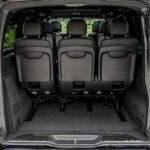
- Are extremely sensitive to cramped vehicle conditions (one practical complaint from the experience is that the minibus can feel tight)
If the Northern Lights are your top priority, go in with the right mindset: you’re not buying a guaranteed show, you’re buying a structured attempt with prime hotel placement and guide-led scouting based on forecasts.
Should you book this 2-Day Blue Ice Cave & Jökulsárlón Tour?
If you want the South Coast highlights with serious “ice cred” in two days, I’d book it. The combination is the selling point: blue ice cave, Skaftafell glacier hike, a black sand wildlife beach, and Jökulsárlón Glacier Lagoon with moving icebergs. Add the guide experience—multiple guides named in the feedback are praised for patience and careful control—and you get a trip that’s both active and organized.
Book it especially if you’re traveling without a car or don’t want the logistics headache of coordinating glacier gear, cave timing, and remote lagoon access. Skip it only if you need a relaxed pace, or you’d feel personally let down by the aurora being a bonus instead of a guarantee.
FAQ
What time is pickup in Reykjavík?
You’ll be ready at 8:00 AM at your designated pickup location. The pickup process usually takes about 30 minutes.
How big is the group?
The tour is a small group with a maximum of 18 participants.
What language is the guide?
The live tour guide is English.
Is Wi‑Fi available during the trip?
Yes. There is Wi‑Fi on board, along with Icelandic music.
What’s included in the tour price?
Included items are minibus transport, 3-star hotel accommodation, breakfast, glacier gear, and ice cave equipment, plus a live English guide.
What meals are not included?
Lunch and dinner are not included.
Do I need to bring hiking boots?
Hiking boots are not included, but you can rent them when booking.
Can Northern Lights be guaranteed?
No. Northern Lights are a natural phenomenon and therefore cannot be guaranteed. The hotel is located in a prime spot to hunt for them, and your guide will look for a good viewing spot when conditions are favorable.
What happens if weather is extreme?
If extreme weather affects an activity, it might be cancelled. The local partner helps book other activities when possible, and a potential price difference might be refunded. The itinerary can also change for weather and operational reasons.