REVIEW · REYKJAVIK
Thingvellir: Silfra Fissure Diving with Optional Pickup
Book on GetYourGuide →Operated by Arctic Adventures · Bookable on GetYourGuide
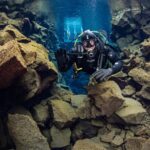
Silfra in Þingvellir is the kind of Iceland stop you remember for years. You’re guided in a small group through a surreal under-ice world in the Silfra Fissure, where you can experience the boundary between two tectonic plates. It’s hard to beat 150m visibility when the water is that clear, and the whole day is built around a careful, cold-water setup.
I love how the tour handles the practical side: everything you need for dry-suit cold-water conditions is included, and you start with a solid, real-world briefing before you head into the water. The other big win is that you’re doing this at Þingvellir National Park, a UNESCO World Heritage Site, which makes the day feel more than just a water excursion.
One drawback to plan for: this isn’t a casual outing. You need valid dry-suit experience (and meet medical requirements), plus you’ll be doing a walk back that can feel rough in winter, especially after you’re out of the water and geared up.
In This Review
- Key things I’d focus on before you book
- Þingvellir and Silfra: why this Iceland trip feels different
- The 4–6 hour day flow: what happens from start to finish
- Dry-suit requirements and medical rules you can’t ignore
- Gear is included, but cold-water fit still matters
- Getting your bearings in Þingvellir: meeting point, parking, and vans
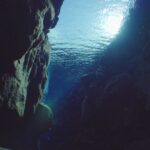
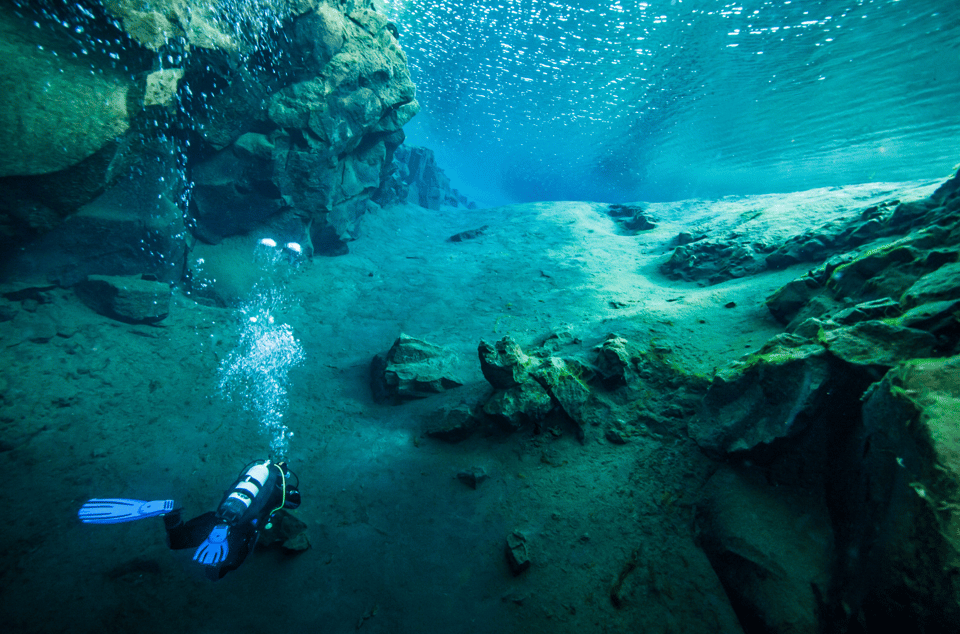
- The Silfra experience: clear water, plate boundary, and that floaty calm
- The practical stuff to pack: warm layers beat guesswork
- Who this tour suits best (and who should skip it)
- Price and value: what $281 buys you (and what it doesn’t)
- Optional pickup from Reykjavík: convenient, but plan buffer time
- Getting the most out of your day: small habits that help
- Should you book Silfra Fissure with Arctic Adventures?
- FAQ
- FAQ
- How long is the Silfra Fissure water session in Þingvellir?
- Where do I meet the guide?
- How do I find the correct van?
- Is transportation from Reykjavík included?
- What gear is provided?
- Do I need a dry suit certification?
- Can I wear glasses under the mask?
- What should I bring besides the dry suit certification?
- Who is this not suitable for?
- What’s the cancellation policy?
Key things I’d focus on before you book
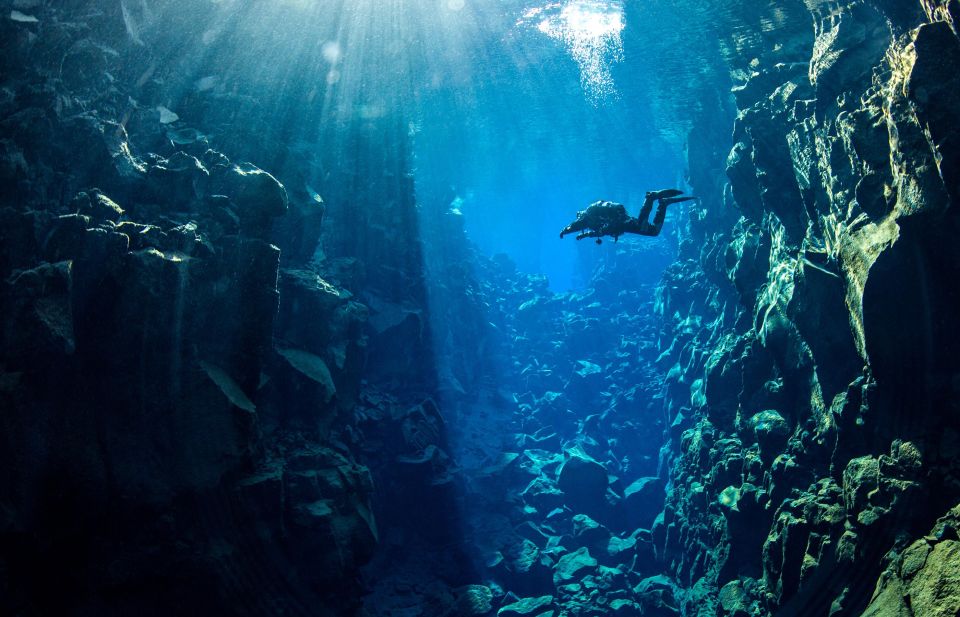
- Silfra’s plate boundary: this is the only place on Earth where you can experience diving between the North America and Eurasia plates
- Clarity you can’t fake: visibility can exceed 100 meters, with many trips pushing toward the famed 150m range
- Dry-suit-only world: you’ll need the right certification and you’ll be in cold-water gear the whole time
- Small group (max 3): less waiting around, more personal coaching
- Cold-weather reality: plan for warm layers, towel/change clothes, and a not-very-fancy walk back
Þingvellir and Silfra: why this Iceland trip feels different
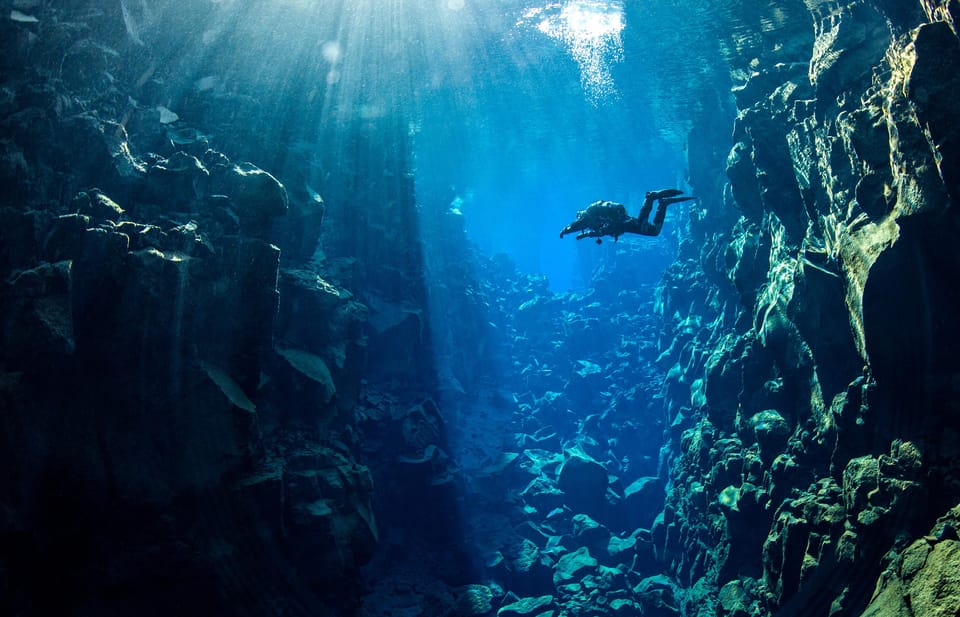
Þingvellir National Park sits where Iceland’s geology gets physical. Here, you can see the plate rift, and on this tour you also get to experience it from the water side in the Silfra Fissure. You’re not just watching rocks from a viewpoint—you’re in the place where the continents are literally separating.
Silfra is famous for its water clarity. The glacial meltwater is so clear that you can often spot what’s below you with almost unreal sharpness. It’s also why the tour is structured like a proper cold-water training outing: they want you calm, prepared, and comfortable with the dry-suit process before you go down.
And because the fissure sits inside Þingvellir, your day links the geology on land with the geology under the surface. That “two-in-one” effect is part of the value, because you’re using a world-class location instead of just traveling to a generic site.
You can also read our reviews of more scuba diving tours in Reykjavik
The 4–6 hour day flow: what happens from start to finish
This is a 4 to 6 hour experience, and the time feels right for what you’re doing. You’re not stuck on a long bus day, and it’s not so short that the logistics feel rushed.
Here’s the usual rhythm you should expect:
- Meet in Þingvellir at Arctic Adventures Silfra Fissure (about 1 hour from Reykjavík).
- Arrive early: be ready 15 minutes before the tour start time. In cold weather, “almost on time” turns into “standing around chilled.”
- Gear and briefing: you’ll get outfitted with the full cold-water setup and go through the run of the plan.
- Park entry included: Thingvellir National Park admission is part of the package.
- Transportation to the water entry area: you’ll move within the park as needed.
- Underwater time in Silfra: the focus is the fissure and the plate boundary.
- Back to warm up: get into a towel and dry clothes as soon as you’re able.
The whole schedule is built for a calm pace. The small group size helps here: with limited participants, you’re not fighting for attention while cold-water gear takes time to manage.
Dry-suit requirements and medical rules you can’t ignore
This tour is strict for a reason. Silfra is cold, and the experience is designed for certified and experienced divers. Before you think about the view, you need the paperwork.
You must have either:
- a valid dry suit diving certification, or
- a logbook showing 10 logged dry-suit outings in the last two years, signed by a dive professional.
You also need to do the medical checks:
- Carefully review the diving medical statement requirements and questionnaire.
- Some medical conditions can disqualify you. Others require official doctor clearance.
- If you’re age 60+, you’ll need a signed doctor’s note.
There are also hard limits that are clearly spelled out. For example, the tour isn’t suitable for pregnancy, certain heart and respiratory issues, epilepsy, mobility impairments, non-swimmers, and people with recent surgeries or uncontrolled health factors. The key point is to check your situation early, not the night before.
Last practical note: glasses cannot be worn under the mask. If you wear glasses, plan on contact lenses.
Gear is included, but cold-water fit still matters
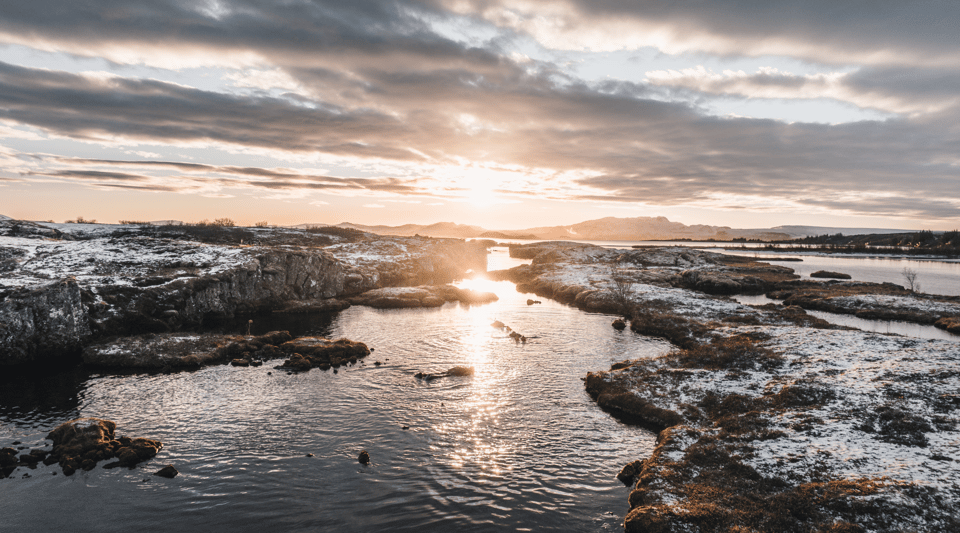
One thing I like about this tour is that the gear list is specific and full. You’re not buying a bunch of rental add-ons that suddenly double the cost.
Included gear is:
- undersuit, dry suit
- BCD
- cold-water regulator
- weight harness
- tanks
- neoprene hood and gloves
- mask and fins
That matters because it keeps the experience consistent. In Silfra conditions, the quality of cold-water gear and the right fit are not optional details.
Still, you should treat “included gear” as “you’ll be outfitted correctly,” not “you can show up without thinking.” Dry suits are size-restricted, too:
- Height range: 155 cm to 200 cm
- Weight range: 45 kg to 120 kg
If you fall outside those ranges, you may not be able to participate. This is one of those quiet deal-breakers that can be easy to miss when you’re excited about the famous visibility.
Getting your bearings in Þingvellir: meeting point, parking, and vans
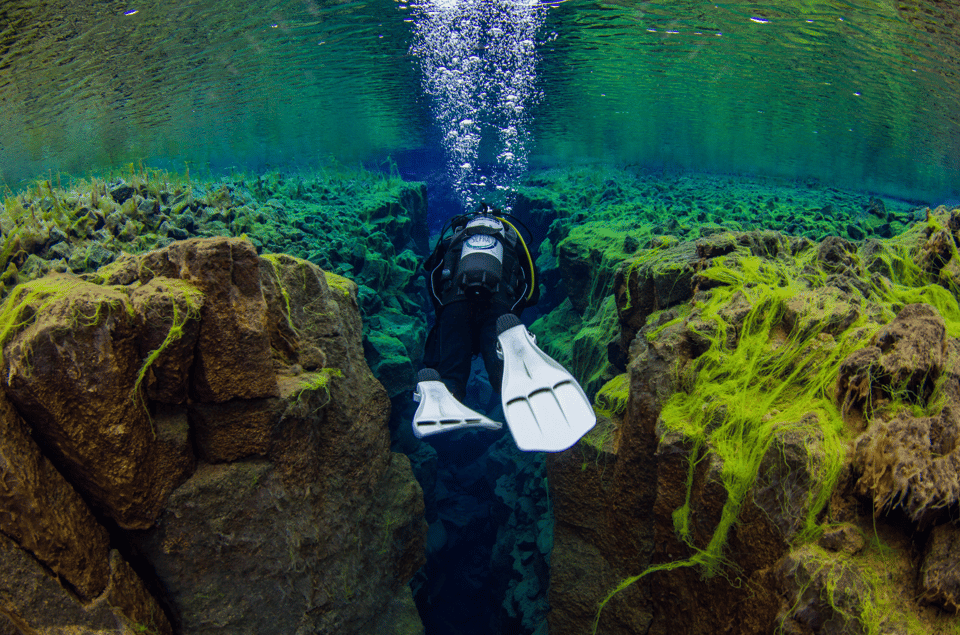
Meeting logistics matter here because Þingvellir is a real park with multiple operators. Your instructions are clear, and you should follow them.
- The meeting point is Arctic Adventures Silfra Fissure inside Þingvellir National Park.
- Parking: you can park at Thingvellir Parking P5, which is the second car park.
- From P5, walk about 400 meters back along the road until you reach the car park with the snorkel and dive vans. Look for the Arctic Adventures van.
- Show your voucher and double-check you’re at the correct company. There are other companies at the site.
If you choose optional pickup from Reykjavík, the pickup process can take up to 30 minutes. That extra buffer is worth respecting so you’re not stressed during the handoff.


The Silfra experience: clear water, plate boundary, and that floaty calm
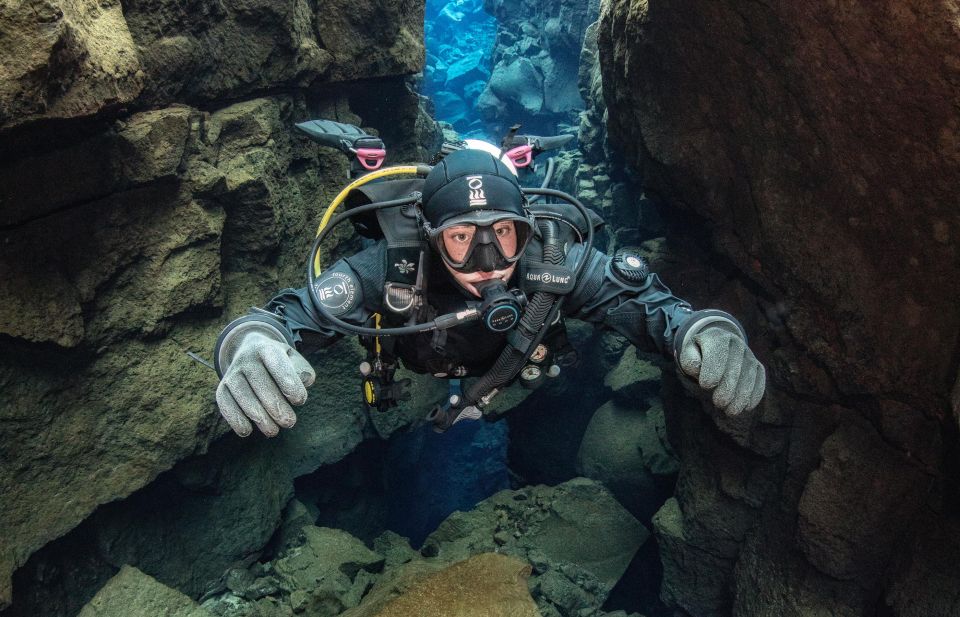
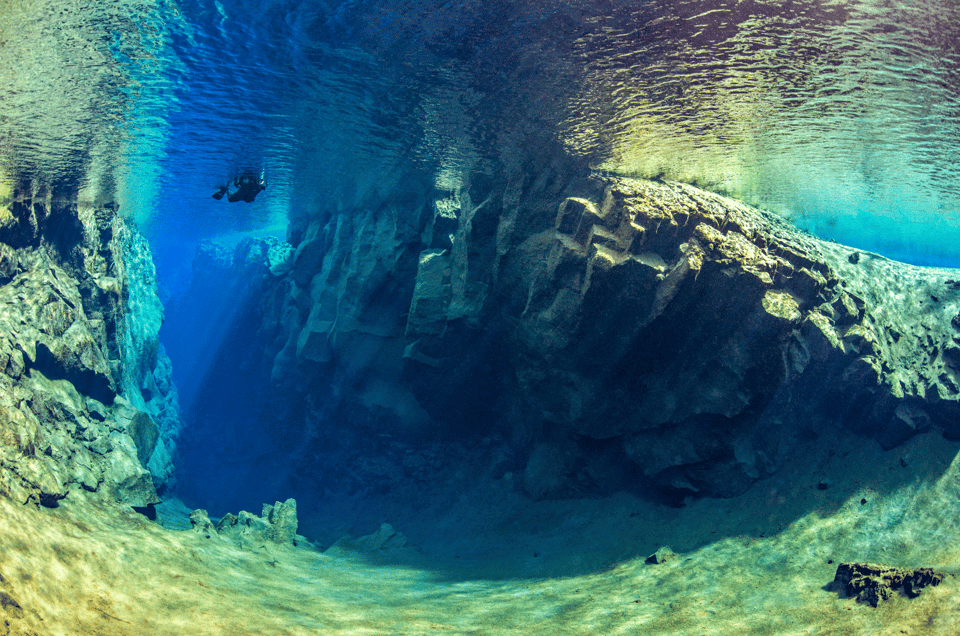
Silfra’s claim to fame is simple and physical: it’s the only place where you can experience the plate boundary between North America and Eurasia in the water. That’s not just a fun fact—it changes how you think while you’re down there.
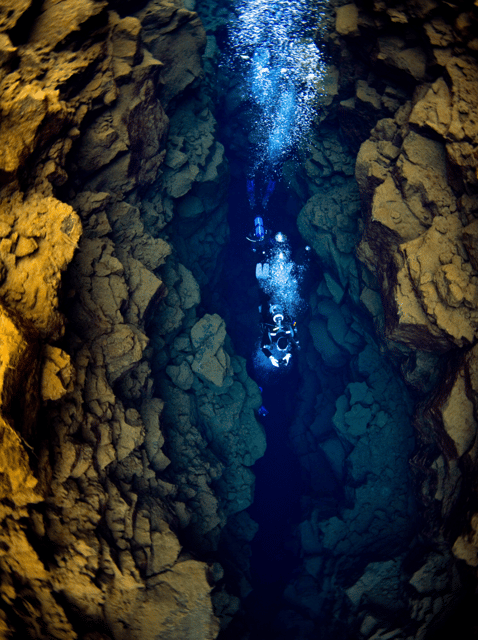
You’ll be in the crystal-clear glacial water, with visibility often exceeding 100 meters. People talk about it like it’s hard to believe because it can look like you’re swimming through a glass window. The outlines of what’s below you are crisp, and the water makes distances feel different than you’re used to.
The guided part matters most when conditions are cold. Your guide’s job is to keep you comfortable with the dry-suit flow, buoyancy basics, and the pacing needed for a single, focused experience. With a small group (up to 3 participants), the coaching can stay personal rather than rushed.
One more thing that surprised me in how people describe it: the cold is real, but it’s not always as brutal as the fear in your head. One past group noted that it felt colder getting out of the water than during the actual time in Silfra, which is exactly how I’d expect dry-suit days to work. Plan for the post-water moment either way.
The practical stuff to pack: warm layers beat guesswork
Because you’re in cold water, your “what to bring” list matters as much as the gear they provide.
Bring:
- warm clothing for before and after
- a change of clothes
- a towel
- socks
- your dry suit certification
- medical statement paperwork
- signed waiver
- your dive log (logbook proof)
Not allowed:
- alcohol and drugs
- bare feet
This is Iceland. Even if the air looks manageable, wind and wet gear will humble you fast. The towel and change of clothes are the difference between feeling okay and feeling miserable while you wait for the next part of the day.
Who this tour suits best (and who should skip it)
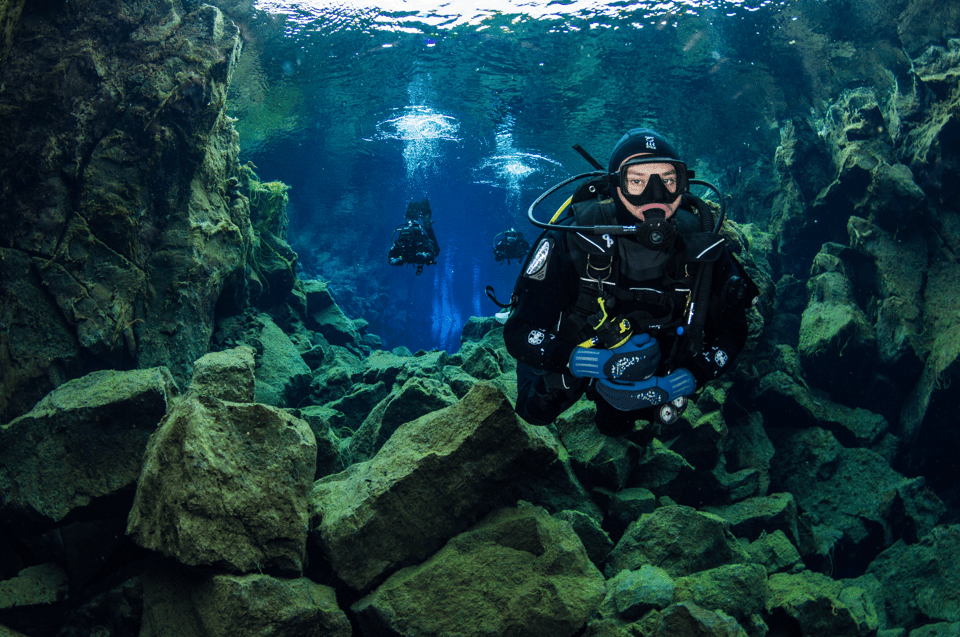
This experience is best for people who already know what cold-water dry-suit conditions feel like, and who meet the certification requirements.
It tends to fit well if you:
- have dry-suit experience and can handle cold-water buoyancy
- are comfortable following a guide closely in a controlled environment
- want a high-meaning location (plate boundary in Þingvellir) rather than a generic sightseeing stop
- like small-group attention instead of big-tour pacing
It’s not a match if you:
- are claustrophobic (dry suits and controlled gear time can feel tight)
- have heart problems, respiratory issues, epilepsy, or other disqualifying conditions
- are dealing with pregnancy
- don’t meet the certification and experience requirements
- need accessibility support not covered by the stated limits
If you’re hovering between “I think I’ll be fine” and “I’m not sure,” don’t gamble. The medical and suitability rules aren’t paperwork theater; they’re built around safety in cold water.
Price and value: what $281 buys you (and what it doesn’t)
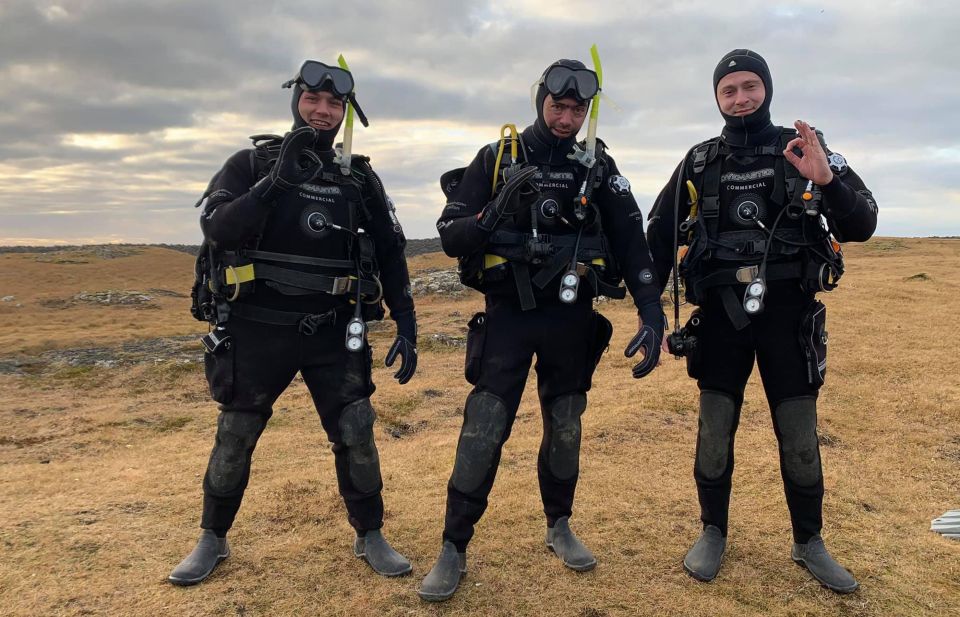
At $281 per person, this isn’t cheap in the way a normal museum ticket is cheap. But the price is covering a lot of real costs that add up quickly in Iceland.
You’re getting:
- small-group handling (max 3)
- all the cold-water dry-suit gear (including regulator, BCD, harness, tanks, hood, gloves, mask, fins)
- a PADI-certified guide
- Thingvellir National Park admission
- optional round-trip transportation from Reykjavík if you select pickup
That’s why I think the value is stronger than the headline number suggests. The price isn’t just “getting in the water.” It’s the gear, the guide time, the park access, and the controlled conditions that make a famous site possible.
Where value can drop is if you’re not prepared. If you show up without the right dry-suit proof, can’t wear corrective lenses as required, or aren’t medically cleared, you won’t get to convert your money into the experience. So your best move is to treat the requirements as part of the budget—schedule time to check everything.
Optional pickup from Reykjavík: convenient, but plan buffer time
If you’re staying in Reykjavík, optional pickup can be a big help. It removes one part of stress: parking and finding the right van in the park.
Just plan for the stated reality: pickup can take up to 30 minutes in the process. If your schedule is tight, you may prefer to drive yourself, especially if you like having total control over timing. Either way, aim to arrive early at the meeting point so you’re not rushing while your body is already cold.
Getting the most out of your day: small habits that help
Silfra is memorable partly because it feels calm and controlled. You can help that by doing three simple things:
- Be ready early. Your start time isn’t flexible once cold-water gear is involved.
- Follow the guide’s instructions the first time. In dry-suit setups, tiny mistakes become big annoyances.
- Take warming seriously after you’re out. That’s when discomfort often spikes.
Also: avoid making last-minute plans for what to do after. Even with the best coaching, you’ll come back cold and tired in a good way. Give yourself time to warm up properly.
Should you book Silfra Fissure with Arctic Adventures?
If you’re the right kind of diver for the requirements, I’d say yes. This is one of the most distinctive places on Earth to connect geology and water at the same time, and the tour structure supports that goal with small-group attention and full dry-suit equipment.
Book if:
- you have valid dry-suit certification and fit the size/medical rules
- you want the plate boundary experience, not a generic Iceland activity
- you appreciate guided safety and a tight group size
Hold off if:
- you’re unsure about your medical clearance
- you don’t meet dry-suit experience proof requirements
- you’re likely to struggle with cold-water conditions or suit fit
And if you do book, pick your preparation date as carefully as your travel date. The best Silfra day is the one where you’re calm before you ever get in the water.
FAQ
FAQ
How long is the Silfra Fissure water session in Þingvellir?
The total duration is listed as 4 to 6 hours.
Where do I meet the guide?
You meet at Arctic Adventures Silfra Fissure in Þingvellir National Park.
How do I find the correct van?
Park at Thingvellir Parking P5, then walk about 400 meters back along the road to the car park with the snorkel and dive vans. Look for the Arctic Adventures van and show your voucher since multiple companies operate at the site.
Is transportation from Reykjavík included?
Pickup is optional. Round-trip transportation is included if you select pickup from authorized Reykjavik pickup points.
What gear is provided?
All necessary gear is included: undersuit, dry suit, BCD, cold-water regulator, weight harness, tanks, neoprene hood and gloves, mask, and fins.
Do I need a dry suit certification?
Yes. You need a valid dry suit diving certification, or a logbook showing at least 10 logged drysuit dives in the last 2 years.
Can I wear glasses under the mask?
No. Glasses cannot be worn under the mask. If you need correction, bring contact lenses.
What should I bring besides the dry suit certification?
Bring warm clothing, a change of clothes, a towel, socks, your medical statement, signed waiver, and your dive log.
Who is this not suitable for?
It is listed as not suitable for pregnant women, people with mobility impairments, claustrophobia, heart problems, people under 18, non-swimmers, respiratory issues, epilepsy, diabetes, and several other medical or fitness-related conditions. There are also height and weight limits.
What’s the cancellation policy?
Cancellation is free up to 24 hours in advance for a full refund.