REVIEW · REYKJAVIK
7-Day Small Group Journey Around Iceland
Book on Viator →Operated by Snaeland Travel · Bookable on Viator
Iceland moves fast, and this tour keeps up. This 7-day small-group Ring Road style trip links Reykjavík with the north, east, and south coasts through guided stops, comfortable transport, and the big included highlight: an amphibian boat ride on Jökulsárlón.
What I like most is that you don’t have to manage driving, parking, or weather logistics yourself. You’ll also get real storytelling from an English-speaking local guide, not just signpost stops.
One consideration: the schedule gives you very little time for Reykjavík’s downtown. If you want cafés, museums, and neighborhoods, plan a walk before or after the tour.
In This Review
- Key Things I’d Highlight Before You Go
- Price and Value: What $2,221.59 Really Buys
- Meeting Point, Start Time, and the One-Trip Pace
- The Tour Style: Small Group Comfort Without the Drama
- Day 1 in Reykjavík: Arrival and Getting Your Bearings
- Day 2: Borgarfjörður, Skagafjörður, Glaumbær, and Akureyri
- Hvalfjörður Tunnel to Borgarnes
- Grábrók Volcano (Volcanic Fissure)
- Holtavörðuheiði to North Iceland Farming Country
- Skagafjörður and the Horse County Fact
- Glaumbær Folk Museum (Included)
- Akureyri Overnight
- Day 3: Lake Mývatn Geology Day (Goðafoss to Dettifoss)
- Goðafoss: The Waterfall of the Gods
- Dimmuborgir: Dark Castles
- Skútustaðagígar Pseudocraters
- Grjótagjá Cave
- Námaskarð: Geothermal Mud Pools
- Dettifoss on the Way to Egilsstaðir
- Day 4: Eastfjords to Höfn and the Reindeer Story
- Day 5: Jökulsárlón Amphibian Boat, Diamond Beach, and the South Coast Icons
- Jökulsárlón Glacier Lagoon (Amphibian Boat Included)
- Diamond Beach
- Vatnajökull National Park Pass-Through
- Reynisfjara Black Sand Beach and Puffins
- Dyrhólaey Viewpoint
- Skógafoss
- Seljalandsfoss
- Day 6: Golden Circle Day with Gullfoss, Geysir, and Þingvellir
- Gullfoss
- Geysir and Strokkur
- Þingvellir National Park
- Back to Reykjavík (Final Night) and Optional Blue Lagoon
- Day 7: Breakfast, Flight Timing, and the Keflavík Transfer You Handle
- Optional Add-Ons: Worth It vs Time-Heavy
- Who This Tour Suits Best (And Who Might Want a Different Plan)
- The Most Praised Parts You’ll Feel Immediately
- Should You Book This Iceland Small-Group Tour?
- FAQ
- FAQ
- What’s included in the 7-day small-group tour?
- How many nights are you staying in hotels?
- Do I need to drive in Iceland?
- How big is the group?
- What time does the tour start?
- Where is the meeting point?
- Are airport transfers included?
- What meals are included?
- Is the tour in English?
Key Things I’d Highlight Before You Go
- No driving required: the tour handles transportation across Iceland in a spacious vehicle, with no luggage restrictions mentioned.
- Amphibian boat included at Jökulsárlón: you don’t have to shop around for this popular activity.
- A guide who explains what you’re seeing: volcanic areas, tectonic plates, and Icelandic history come with context.
- Built-in rhythm for long days: frequent stop opportunities and clear instructions help keep things relaxed.
- Comfort-first small-group size: maximum 25 travelers, with many departures running smaller for a more personal feel.
- Hotel base for 6 nights with breakfast: private bathroom rooms and breakfast are included.
Price and Value: What $2,221.59 Really Buys
At $2,221.59 per person, this isn’t a budget hop-on, hop-off deal. But it also isn’t just “a bus ticket with photos.” You’re paying for a bundle: small-group transportation, six nights of accommodation with private bathrooms, and daily breakfast, plus key paid experiences like the amphibian boat tour at Jökulsárlón and a museum visit at Glaumbær.
If you tried to DIY this route, you’d quickly feel the cost pressure from two directions. First, Iceland’s driving-and-lodging reality is expensive and time-consuming. Second, some of the top stops (like boat tours) are easier when logistics are handled for you. Here, you’re buying time and mental energy back.
There’s also a planning hint baked into the timing: the tour is commonly booked about 134 days in advance on average. That’s often a sign that popular departures sell out, especially in peak travel seasons. If your dates are flexible, it’s still smart to book earlier rather than later.
You can also read our reviews of more tours and experiences in Reykjavik
Meeting Point, Start Time, and the One-Trip Pace
The tour meets at Reykjavík Natura – Berjaya Iceland Hotels on Nauthólsvegur 52, starting at 9:00 am. The end point returns back to the same meeting location after breakfast and your final free time on day 7.
Day 1 is an arrival day where you handle your own way from Keflavík Airport to Reykjavík. You settle in, then the real road trip starts the next morning. That matters because it sets the tone: this is a moving itinerary with you focused on sightseeing, not “where do I sleep tonight” problem-solving.
Most days follow a steady drive-and-stop rhythm. In the field, that usually means you’ll spend less time staring at a map and more time standing close enough to waterfalls and formations to feel what makes them special. It also means you’ll want to pack for quick weather changes, because Iceland loves to shift conditions without asking.
The Tour Style: Small Group Comfort Without the Drama
This is marketed as a small group with a maximum of 25 travelers, and many departures run smaller. In practice, that size is a sweet spot. You get the group energy and the benefits of a guide, but you’re not trapped in a huge crowd at every stop.
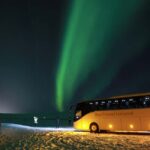
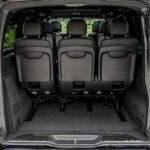
You’ll be in a spacious vehicle with free Wi‑Fi onboard and USB charging points are mentioned in one review. That’s not a small detail on long driving days. It helps you keep your phone battery alive for photos, maps, and the “wait, what is that waterfall called?” moments.
Guides on this type of trip aren’t just translating. They typically help you read the landscape. You learn why certain places exist (volcanism, tectonics, geothermal activity), and you also get human context: where people farm, why certain areas are known for horses, and how history ties to geology.
Day 1 in Reykjavík: Arrival and Getting Your Bearings
You land at Keflavík and then make your own way to Reykjavík. This first day is about recovery and orientation. The tour gives you a hotel base so you can sleep, shower, and reset before the early start on day 2.
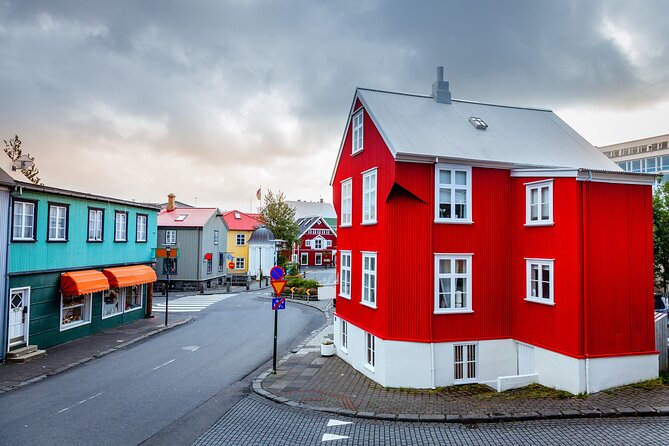
Because the itinerary doesn’t heavily schedule downtown Reykjavík time, I’d treat day 1 (or day 7) as your chance to add something local. One review specifically recommends walking up to Perlan, a well-known exhibition and viewpoint area near the Natura hotel, if you’re curious and your energy holds out.
Even if you do only a short stroll, Reykjavík is useful as a “warm-up city.” You get your bearings in a place where everything is walkable and low pressure before the route heads out into Iceland’s wilder zones.
Day 2: Borgarfjörður, Skagafjörður, Glaumbær, and Akureyri
Day 2 is where you start turning the corner from Reykjavík-style Iceland into the broader story of the island.
Hvalfjörður Tunnel to Borgarnes
You drive north via the Hvalfjörður tunnel to Borgarnes. That’s a practical start: tunnels cut time and make the first long day easier.
Grábrók Volcano (Volcanic Fissure)
Near Borgarnes, you stop at Grábrók, a volcanic fissure that erupted about 3,000 years ago. This is one of those stops that’s easy to underestimate if you’re only looking for “big spectacle.” It’s better when you treat it like an opening chapter: geology explaining why Iceland looks the way it does.
Holtavörðuheiði to North Iceland Farming Country
You continue over Holtavörðuheiði highland plateau and into northwest Iceland’s farming areas. You’re not just driving through scenery here. You’re seeing how Iceland supports life alongside volcanic forces.
Skagafjörður and the Horse County Fact
In the Skagafjörður region, you pass a deep fjord and valley known for agriculture and horse breeding. One of the standout facts provided is that it’s the only county in Iceland where horses outnumber people. Even if you don’t stop for a farm visit, it’s a memorable “wait, that’s Iceland?” moment.
Glaumbær Folk Museum (Included)
You visit Glaumbær Museum, a historic turf farm with preserved turf houses dating back to the 18th and 19th centuries. This stop is valuable because it anchors everything else. The tour spends days surrounded by lava fields and roaring water, but Glaumbær reminds you that people lived here in harsh conditions using local materials and clever building.
If you like history that feels tangible rather than museum-glossy, this is a solid included choice.
Akureyri Overnight
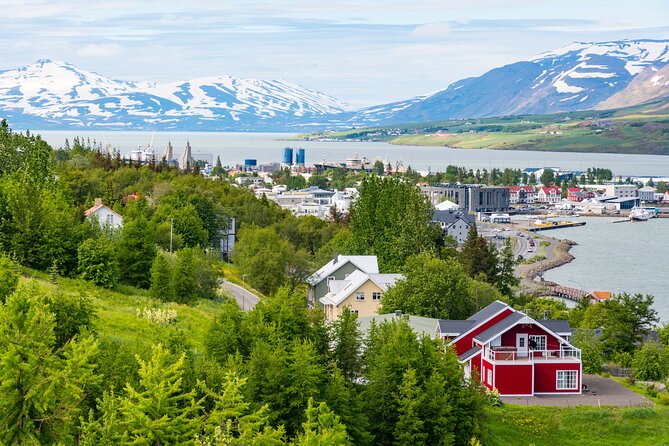
You then continue over Öxnadalsheidi to Akureyri, described as the capital of north Iceland, and overnight there. Akureyri is often where travelers feel the shift: less Reykjavik mood, more north Iceland pace.
Day 3: Lake Mývatn Geology Day (Goðafoss to Dettifoss)
Day 3 is the big nature brain-teaser day. You’re moving through the Mývatn region and the surrounding geothermal chaos—steam, lava, and water that formed for reasons you can actually learn.
Goðafoss: The Waterfall of the Gods
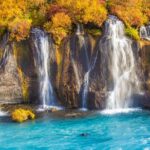
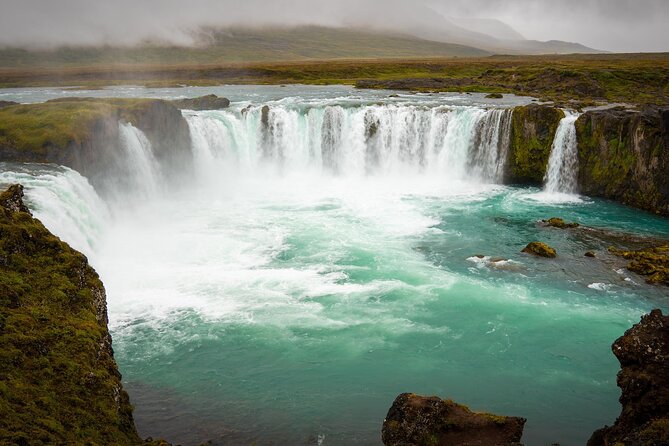
Starting from Akureyri, you reach Goðafoss. The provided nickname—Waterfall of the Gods—matches its role in Iceland’s storytelling. It also works well on a tour because it’s dramatic without demanding a lot of extra hiking.
Dimmuborgir: Dark Castles
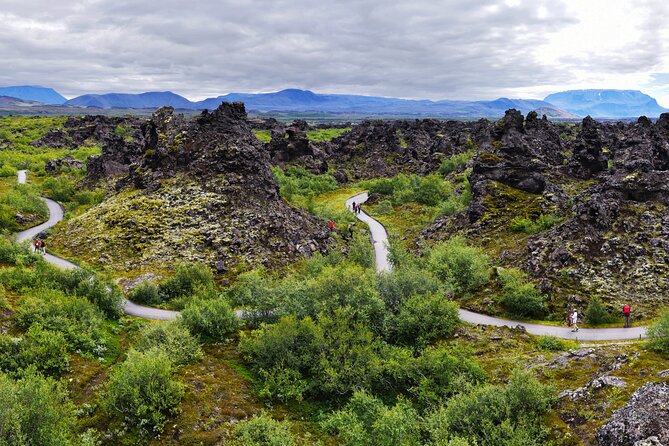
You explore Dimmuborgir, known as the Dark Castles. It’s a volcanic formation area created thousands of years ago. This is one of those places where your guide’s explanations help you see patterns you’d miss on your own.
Skútustaðagígar Pseudocraters
Next are the pseudocraters at Skútustaðagígar. They look like craters, but they’re not true volcanoes—steam explosions over wetlands when hot lava flowed through. That kind of detail turns photos into understanding.
Grjótagjá Cave
You also visit Grjótagjá, a lava cave with a thermal spring. It’s noted as less accessible than before due to temperature fluctuations from volcanic activity. If you’re the type who likes calm, unique places (rather than only high-energy sights), this one often lands well.
It’s also connected to popular culture because it was used as a filming location for Game of Thrones. Even if you don’t follow that show, the cave story gives the stop a second layer.
Námaskarð: Geothermal Mud Pools
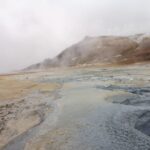
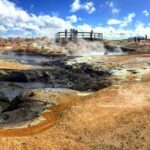
At Námaskarð, bubbling mud pools and steaming fumaroles create an otherworldly feel. This is where you’ll want to dress for weather and keep your stance safe around geothermal ground.
Dettifoss on the Way to Egilsstaðir
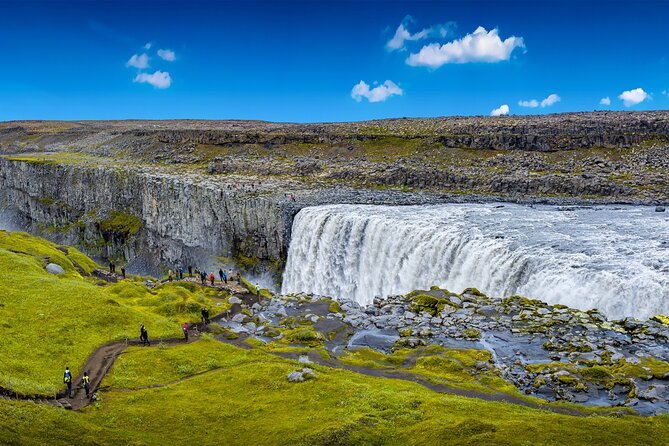
Finally, you stop at Dettifoss, described as the second most powerful waterfall in Europe after the Rhine Falls. Then you drive through highland desert areas (like Möðrudalsöræfi) via Jökuldalur to Egilsstaðir.
If you’re trying to compress Iceland into one “wow” day, this is it.
Day 4: Eastfjords to Höfn and the Reindeer Story
Day 4 shifts from the volcanic north into the Eastfjords—a region with narrow fjords, steep cliffs, and small fishing villages.
The tour’s description includes a seasonal note: the Eastfjords can be among the sunniest areas in summer, while winter can bring dense fog. That’s important because it affects how much you’ll see. If fog rolls in, you might feel like you’re driving through mystery rather than a postcard.
Wildlife is a big theme here, including a specific detail: this is noted as the only part of Iceland where herds of wild reindeer live. They were introduced for farming, but the plan didn’t pan out—so the reindeer remained and roamed free.
Overnight is in Höfn í Hornafirði, a good base for the next day’s glacier lagoon and black-sand coastline.
Day 5: Jökulsárlón Amphibian Boat, Diamond Beach, and the South Coast Icons
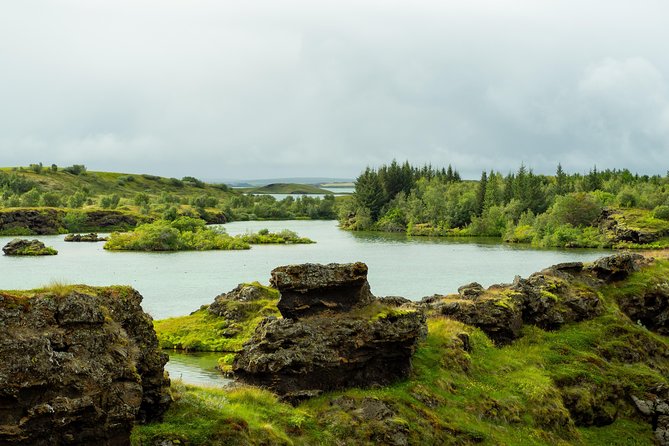
Day 5 is the day many people book for: the glacier lagoon and its ice-filled drama, plus a run of famous south coast stops.
Jökulsárlón Glacier Lagoon (Amphibian Boat Included)
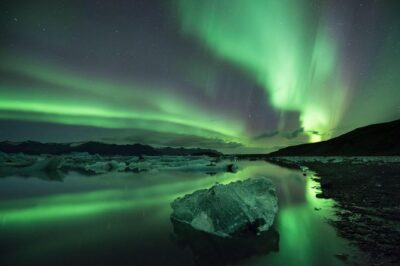
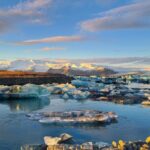
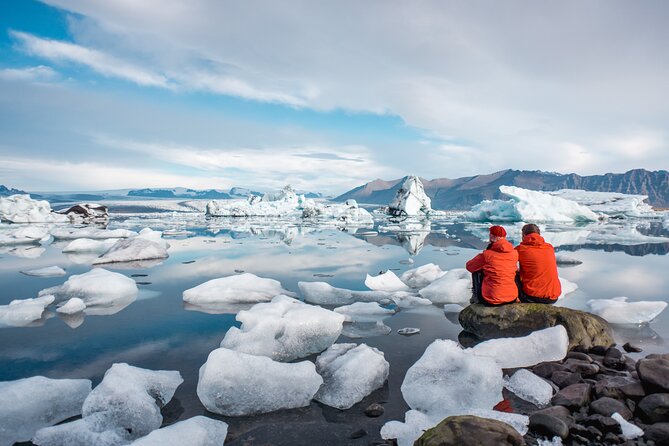
You arrive at Jökulsárlón Glacier Lagoon and take an included amphibian boat tour. The lagoon forms from calving icebergs from Breiðamerkurjökull, and the ice can show different shades—milky white and bright blue—depending on light and ice crystals.
This is the one “paid activity” you don’t have to add yourself. Boat days also tend to be weather-sensitive, so it’s reassuring when it’s built into a scheduled tour day rather than left to optional planning.
Diamond Beach
Below the lagoon, you see Diamond Beach where ice washes ashore on Breiðamerkursandur. It’s called Diamond Beach for a reason: the ice chunks look like scattered gems against black sand.
Vatnajökull National Park Pass-Through
You continue through Vatnajökull National Park, passing Hvannadalshnúkur (Iceland’s highest peak) at 2,119 m. You also travel past lava fields like Eldhraun and black glacial plains like Mýrdalssandur.
Even when you’re not hiking, that’s a valuable “big picture” day. It helps you see the scale of Iceland’s forces.
Reynisfjara Black Sand Beach and Puffins
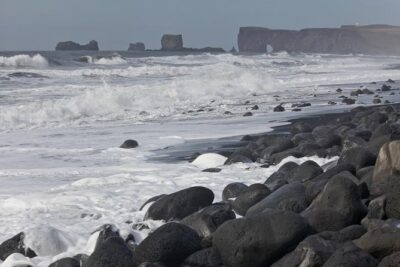
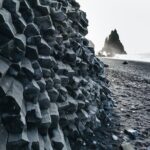
You visit Reynisfjara near Vík. It’s known for black sand, unusual geological formations, and puffins, plus tidal danger. The key practical note: don’t get too close to the waves. That warning belongs in your pocket.
Dyrhólaey Viewpoint
Next comes Dyrhólaey, a promontory where the sea carved a hole through the rock. It’s a great stop for photos, especially when the wind is willing.
Skógafoss
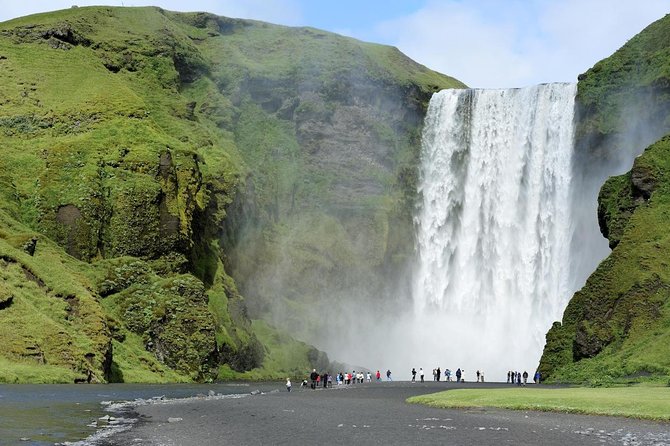
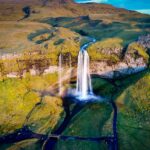
You reach Skógafoss, a major waterfall with a 60-meter drop and mist that can create rainbows on sunny days. It’s also surrounded by cliffs and greenery, which makes this one feel like a signature stop.
Seljalandsfoss
Finally, Seljalandsfoss gives you the option to walk behind the waterfall. The tour info warns to dress well because mist can soak you fast. If you like getting closer, this is one of the better “walk-around” options on the route.
Day 6: Golden Circle Day with Gullfoss, Geysir, and Þingvellir
Day 6 is a classic Iceland combo, built for people who want high recognition without driving.
Gullfoss
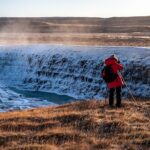
You start at Gullfoss, the two-tier waterfall in the canyon of the Hvítá River. The tour emphasizes its power and rugged gorge setting. It’s a stop that rewards timing: when the light hits the water, you’ll see the spray texture and depth.
Geysir and Strokkur
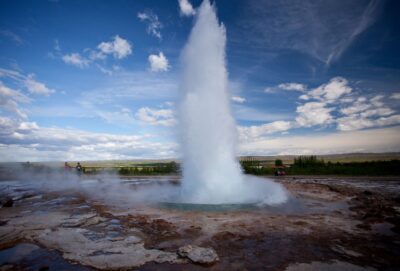
Next is the Geysir hot spring area. One factual point matters here: Geysir is no longer active, but Strokkur erupts every few minutes. So you’re not visiting an empty field. You’re visiting a predictable show, which is ideal on a scheduled day.
Þingvellir National Park
Then comes Þingvellir National Park, where the North American and European tectonic plates drift apart. You also connect to human history: the ancient Alþingi parliament was established in 930, and it’s still treated as sacred by Icelanders.
This stop is a good “why Iceland matters” bridge. You see geology shaping geography, and history shaping culture in the same place.
Back to Reykjavík (Final Night) and Optional Blue Lagoon
You return to Reykjavík for the final night. If you haven’t booked the optional Blue Lagoon, you’re driven directly to the hotel. If you have booked it, you likely get time for that separate excursion.
This is the one moment where you’ll want to think ahead. If you want Reykjavík downtime, keep your schedule flexible and don’t overload the last evening.
Day 7: Breakfast, Flight Timing, and the Keflavík Transfer You Handle
After breakfast you get free time depending on your flight time. Then you take your own way from your Reykjavík hotel to Keflavík Airport.
This is the day where timing matters most. Iceland itineraries work best when you don’t cut it too close, especially if weather can affect roads.
Optional Add-Ons: Worth It vs Time-Heavy
The tour includes some optional extras, and reviews give you a useful hint on how to choose wisely.
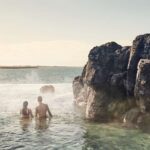
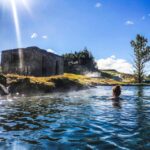
One optional item highlighted as worth it is the Forest Spa (Hot Spring) as a relaxing evening add-on. Another common optional activity people consider is whale watching. One review describes a whale watching boat that felt large and crowded, and with a long cold windy outing at the end of a busy trip, it wasn’t the top pick.
My practical advice: treat optional items as energy management, not just checklist items. Add the one that fits your mood for that day, not the one that looks best on paper.
Who This Tour Suits Best (And Who Might Want a Different Plan)
This trip is a strong fit if you want:
- A guided sweep that covers the big Iceland highlights without renting a car.
- A small group where you can actually hear your guide and ask questions.
- Included “bucket list” time like the Jökulsárlón amphibian boat and a turf farm museum visit.
It might be less ideal if:
- Reykjavík nightlife and museums are your top priority. The route gives you only limited downtown time, so add Reykjavík days separately.
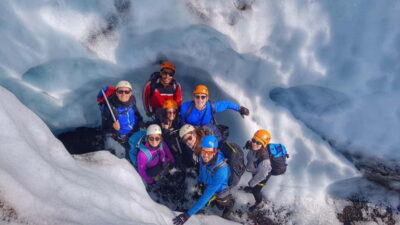
- You want guaranteed glacier access or glacier walking. The itinerary covers areas near glaciers and national parks, but the emphasis here is on views and geothermal/waterfall stops rather than a glacier hiking component.
The Most Praised Parts You’ll Feel Immediately
The biggest recurring strengths are the human side and the pacing.
- Guides who personalize the trip. One guide named Arni is mentioned for professional but kind guidance, plus extra bonus stops like a glacier-related walk and time for Icelandic horses. That kind of adjustment is exactly why guided touring beats DIY for many people.
- Drivers with serious range. Another driver named Ellert is described as combining science and storytelling (geology, history, weather) in a way that makes stops easier to understand, even when conditions turn rough.
- A comfortable, practical ride. USB charging and a mini-coach size that still feels roomy show up in reviews, and that’s real comfort value when you’re spending long hours moving across Iceland.
If you take only one takeaway: this isn’t just about seeing places. It’s about understanding them while someone handles the logistics.
Should You Book This Iceland Small-Group Tour?
I’d book it if you want an efficient, low-stress way to cover a lot of Iceland with included lodging, breakfasts, and a Jökulsárlón amphibian boat ride. The small-group size and strong guide presence are the difference-maker, especially on days like Mývatn and the Golden Circle where context turns a photo into a story.
I’d think twice if you’re the kind of traveler who needs lots of downtown Reykjavík time, or if your dream Iceland includes glacier walking as a must-do. In that case, you can still enjoy Iceland, but you’ll likely want either extra city nights or a different glacier-focused add-on before or after this trip.
FAQ
FAQ
What’s included in the 7-day small-group tour?
It includes a small group tour in a spacious vehicle, free Wi‑Fi onboard, an English-speaking local guide, accommodation with private bathrooms for 6 nights, breakfast at the hotels, a visit to Glaumbær Folk Museum, and an amphibian boat tour on Jökulsárlón Glacier Lagoon.
How many nights are you staying in hotels?
You get 6 nights of accommodation included.
Do I need to drive in Iceland?
No. Transportation is included as part of the tour in the provided vehicle.
How big is the group?
The tour has a maximum of 25 travelers.
What time does the tour start?
The start time is 9:00 am.
Where is the meeting point?
The meeting point is Reykjavík Natura – Berjaya Iceland Hotels, Nauthólsvegur 52, 101 Reykjavík, Iceland.
Are airport transfers included?
No. Airport transfers are not included, and you arrange your own way from Keflavík to Reykjavík on day 1. On day 7, you also arrange your own transfer from Reykjavík to Keflavík.
What meals are included?
Breakfast is included at the hotels. Meals other than breakfast are not included.
Is the tour in English?
Yes, it is offered in English.