REVIEW · ICELAND
North Iceland: Horseback Riding Tour
Book on GetYourGuide →Operated by Lava Horses · Bookable on GetYourGuide
A short ride can still feel like a lot of Iceland. This 2-hour horseback tour mixes multiple terrains with the chance to try the Icelandic horse’s tölt.
You’ll be led by an English-speaking guide who keeps things calm for first-timers, including guide Audrey, who’s described as patient and encouraging.
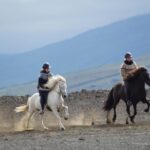
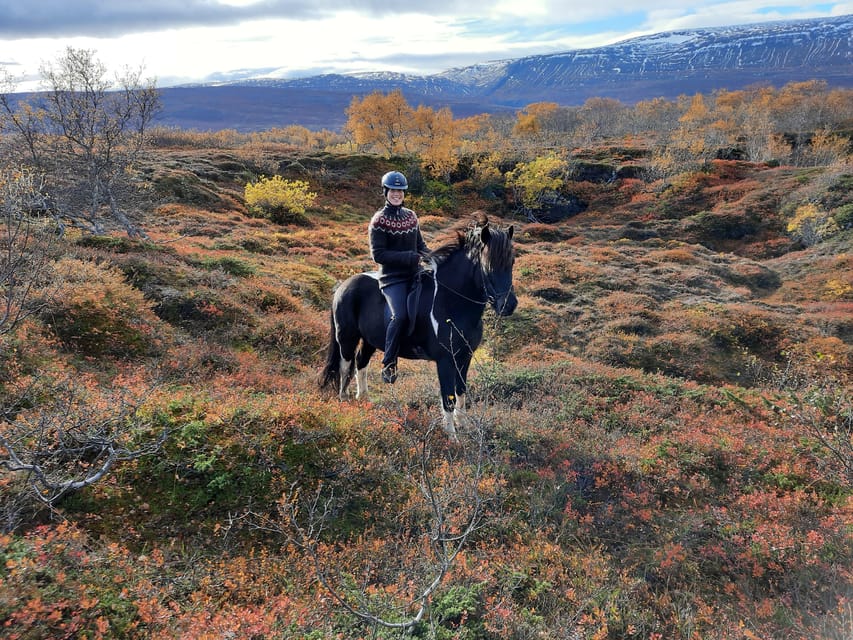
My favorite part is the variety you move through on horseback. You ride from a farm down toward the river, pass grazing fields (cows in summer, sheep in autumn), then cross a small lake and work your way among volcanic rocks and moss.
One thing to plan around: there’s no hotel pickup/drop-off, and the ride does ask for a basic level of fitness. If you’re pregnant, have back problems, or have animal allergies, this one isn’t a fit.
In This Review
- Key Highlights at a Glance
- Icelandic Horses and the Tölt: Why This Ride Feels Different
- A 2-Hour Circuit Through North Iceland’s Terrain
- River Time and the Small Lake Crossing: What to Expect
- Beginner vs. Advanced: Where This Tour Works for Both
- Price and Value: Is $141 Worth Two Hours?
- What’s Included, What’s Not, and the Stuff You’ll Actually Need
- Group Size and Guide Style: Why Audrey and Anna Get Mentioned
- Seasonal Details: Cows, Sheep, and the Feeling of Time in Iceland
- Who Should Book This North Iceland Horseback Tour
- Should You Book It or Pass?
- FAQ
- How long is the horseback riding tour?
- What’s included in the price?
- Do I need previous riding experience?
- Is there an English guide?
- Do they pick you up at your hotel?
- Can I cancel for a full refund?
Key Highlights at a Glance
- Tölt practice on Icelandic horses so you can experience that smooth gait for yourself
- Birch forest to black sand in the same outing, with volcanic rocks and moss thrown in
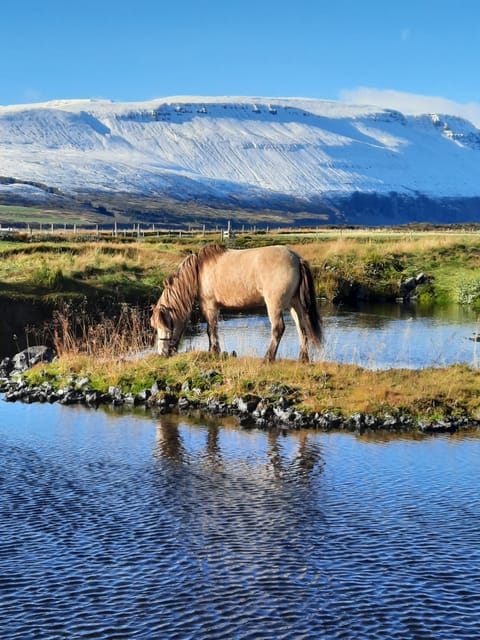
- River time plus a small lake crossing for real North Iceland variety
- Small groups up to 7 so the guide can watch technique and help you settle in
- Good for beginners and stronger riders thanks to friendly horses and guidance for different levels
Icelandic Horses and the Tölt: Why This Ride Feels Different
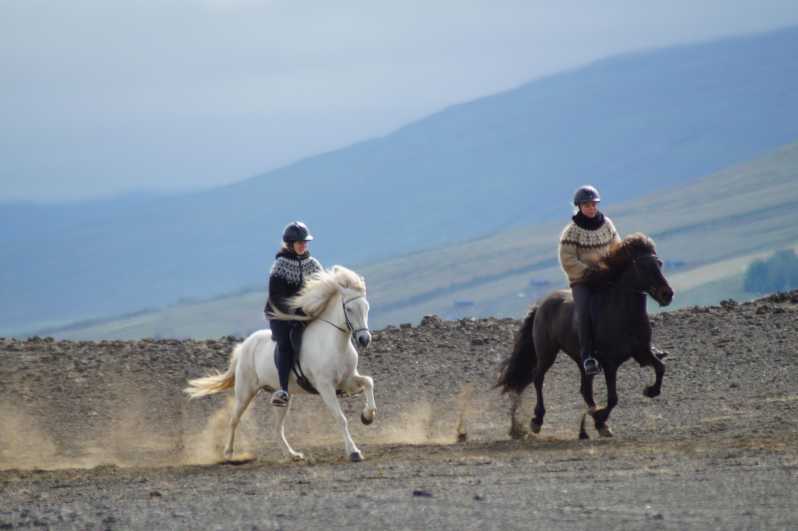
If you’ve seen Icelandic horses before, you already know they look a little different. This tour leans into that. The big draw is the chance to ride an Icelandic horse at its best and try the tölt—that signature gait riders often describe as smooth and efficient compared to the usual walk/trot feel on many other horse types.
What I like about this setup is that you’re not just walking in circles or sticking to one flat path. The tour is designed around landscapes where your horse can move naturally—especially once you’re following the river for a stretch. That matters because tölt feels best when the rhythm stays steady and you’re not constantly stopping to regroup.
Also, you’re not doing this totally solo. The experienced guide is there to help you get comfortable in the saddle and learn what the horse is asking from you—balance, posture, and how to respond when you’re told to try something new. In the experiences shared by others, guides like Audrey and Anna are specifically credited with checking in with everyone and making beginners feel safe and included.
You can also read our reviews of more tours and experiences in Iceland.

A 2-Hour Circuit Through North Iceland’s Terrain
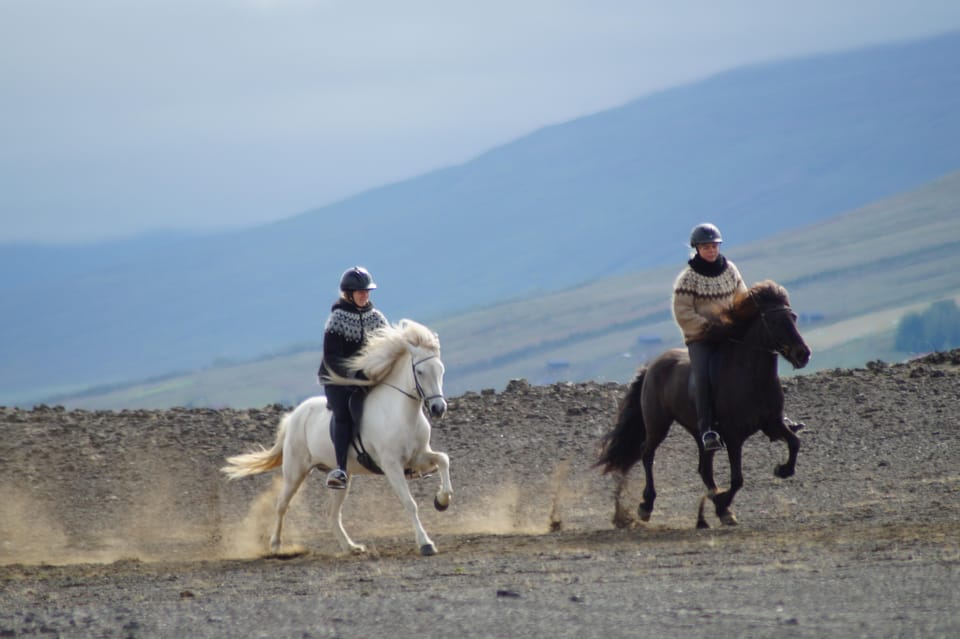
This is the kind of ride where the time flies because the ground keeps changing. You start from the farm and head downhill toward the river. Along the way, you pass through fields where the grazing animals match the season: cows in summertime and sheep in autumn. It’s a simple detail, but it makes the ride feel tied to real rural life rather than a staged attraction.
Then you follow the river for a while. That stretch gives you a chance to settle into the horse, get your steering basics, and enjoy the steady pace without feeling rushed. After that comes a small lake crossing, which is short but memorable. Even if you’re a nervous rider, the guide’s job here is to keep your attention on the horse and the footing.
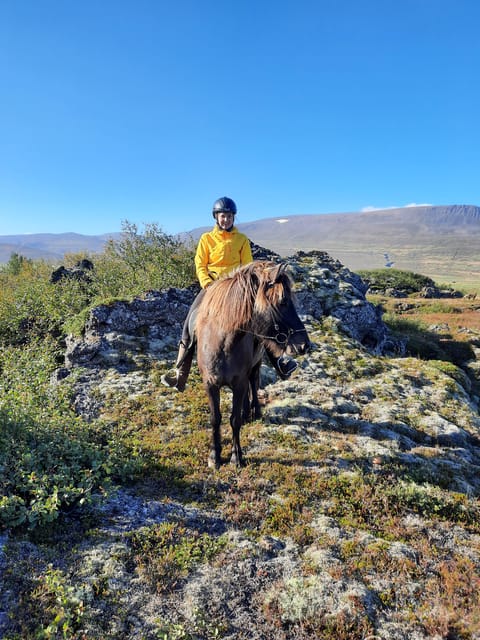
Next, the route brings you into a more dramatic mix: you’ll crisscross between volcanic rocks and moss, where the ground looks Iceland-made—rough textures, dark stone, and that soft green that grows where it can find purchase. And because you’re on horseback, you experience it closer than you would from a viewpoint.
Finally, the tour reaches a big black sand plain, which is one of those Iceland visuals that looks unreal at first glance. You cross it and then make your way back to the farm through a natural birch forest. That last section is a nice reset: the forest path feels more sheltered and gives you a chance to relax after the open, stark feeling of the black sand.
River Time and the Small Lake Crossing: What to Expect
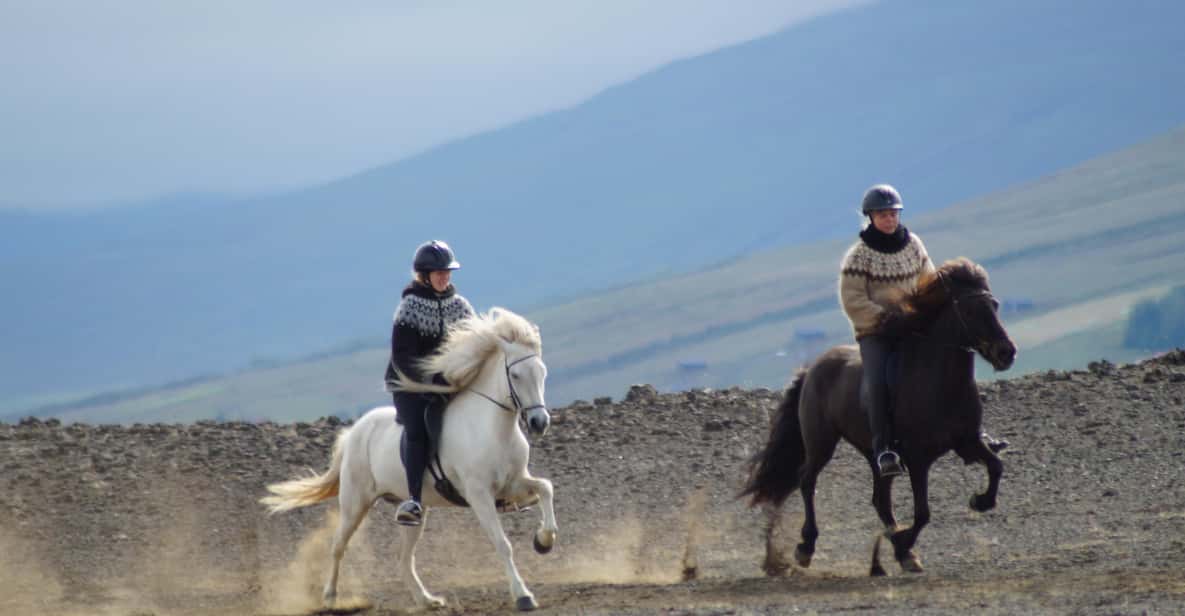
The river and the lake are the moments that tend to create the biggest emotional payoff. Not because they’re extreme, but because they’re “real.” You’re not just watching water from afar—you’re literally moving along it on horseback.
Here’s what you should keep in mind for comfort and confidence:
- The pace stays controlled. This tour is built for both beginners and advanced riders, and the route includes steps that help less-experienced guests feel secure.
- Footing matters. Moss, rocks, and sand each change how your horse moves. If you keep a steady seat and follow the guide’s instructions, you’ll likely find it easier than you expect.
- The guide is your metronome. When the route turns into rocks and moss, you’ll want to focus on your horse’s cues rather than fighting for control. That’s where guidance really helps.
People also note that horses are gentle and well cared for, which makes sense for a tour that mixes nervous first-timers with confident riders in the same group. If you’re the kind of person who likes structure—what to do, when to do it—this format works.
Beginner vs. Advanced: Where This Tour Works for Both
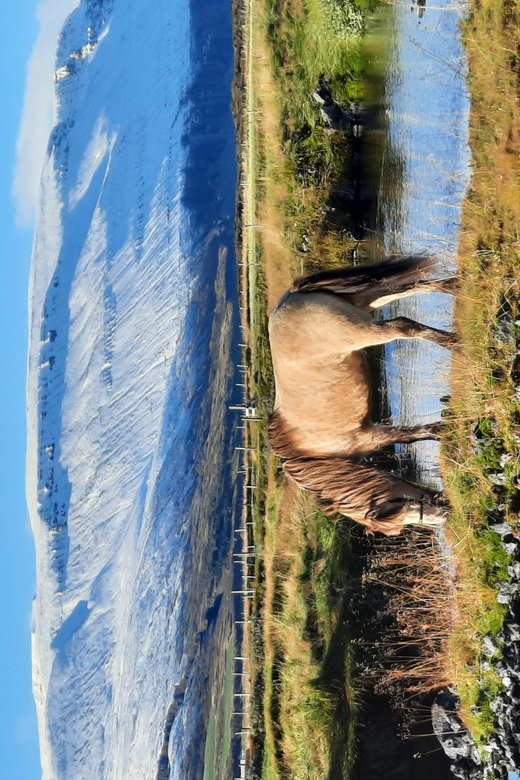
On paper, “beginner friendly” can mean anything. On this ride, it’s backed by the way the tour is set up: small group size, experienced guide, and Icelandic horses that can handle different rider styles.
If you’re new to riding, the best part is that the guide takes time with people who need it. Audrey is specifically mentioned as encouraging and willing to explain the basics without rushing anyone. Another point that comes up is that the guide helps you feel safe on the horse, even if you’ve never held reins before.
If you’re more experienced, you still get value. You’re not stuck on one track. You move through different terrain and have the option to try tölt, which can be a satisfying challenge. One rider even mentioned that a specific horse (named Lisa) was chosen well for their needs. That kind of horse matching is exactly how a mixed-level tour stays fun for everyone instead of turning into a compromise.
That “basic physical shape” note is also real. This is not described as extreme riding, but you should assume you’ll be on a saddle for two hours. If you have limited mobility or significant balance issues, the farm-to-river route plus rougher ground might be more work than you want.
Price and Value: Is $141 Worth Two Hours?
At $141 per person for a 2-hour horseback tour, you’re paying for more than just riding time. You’re paying for:
- A live, English-speaking guide
- Riding equipment and a helmet
- A route that strings together birch forest, river follow, volcanic rock terrain, and a black sand crossing
- A small group limit of 7, which keeps the experience from feeling crowded
The “no hotel pickup/drop-off” piece matters here. It means you’ll likely need your own transportation to the ranch. From some experiences shared, getting to the meeting spot can be tricky if you’re coordinating with a cruise schedule or shifting ports. So yes, the base price is clear—but your total cost can rise a little if you need extra transport.
Still, if you can get to the farm without stress, this feels like solid value for Iceland. Two hours is long enough to learn something and take in multiple North Iceland scenes, but short enough that you won’t burn an entire day or need a recovery nap.
What’s Included, What’s Not, and the Stuff You’ll Actually Need
Included:
- 2-hour horseback riding tour
- Experienced guide
- Helmet
- Riding equipment
Not included:
- Hotel pickup/drop-off
- Food and drinks
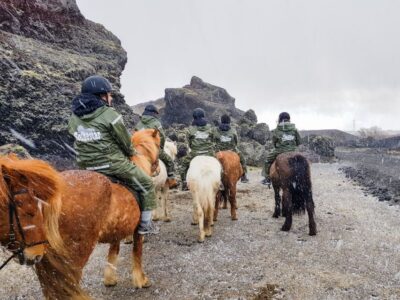
So, plan to arrive fed and hydrated. If you know you’ll be cold, bring layers. Iceland weather can swing fast, and even in late-season rides, people have mentioned snow and rough conditions. One detail worth noting: when it was cold, windy, and rainy, the operator provided foul-weather clothing. You shouldn’t assume that every day will require it, but it’s a good sign that they’re prepared if conditions get nasty.
What to wear:
- Comfortable shoes
- Comfortable clothes
- Weather-appropriate layers (you’re outdoors the whole time)
And don’t show up late. Arrive at least 10 minutes before the start so you have time to get your helmet and settle in.
Group Size and Guide Style: Why Audrey and Anna Get Mentioned
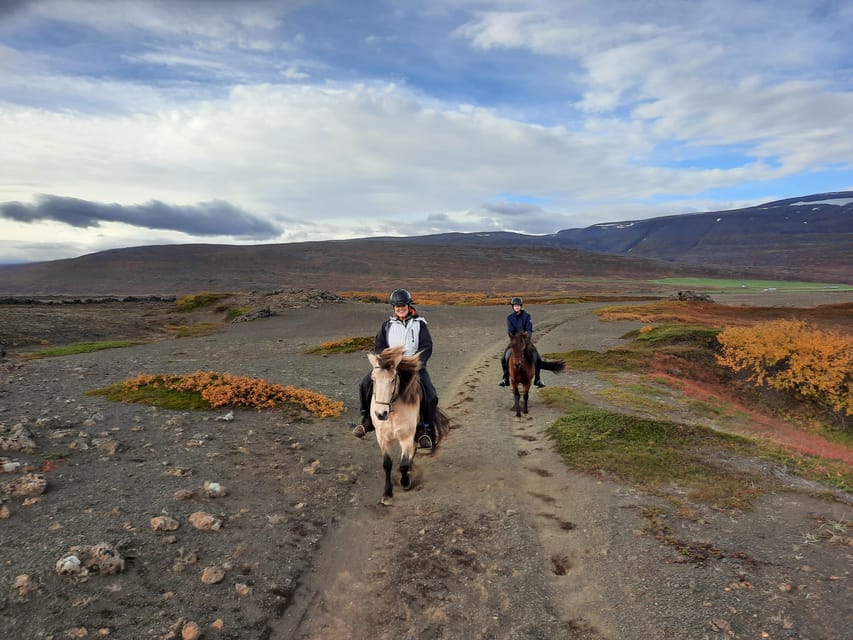
In a small-group setup, guide personality matters. When the group is capped at 7 participants, the guide can watch everyone’s posture, check reins, and step in before you get overwhelmed.
The names that came up—Audrey and Anna—are associated with two things riders really care about:
1) Patient coaching for beginners
2) A relaxed, personal approach to explaining what you’re seeing and riding through
That combination helps you enjoy the “Iceland horse + Iceland terrain” part instead of spending the whole ride in mental overload. If you’re traveling solo, or you’re nervous about riding, that kind of attention is exactly what makes the difference between a tense ride and a fun one.
Seasonal Details: Cows, Sheep, and the Feeling of Time in Iceland
This tour changes slightly with the season, and that’s part of the charm. In summertime, you pass fields where cows are grassing. In autumn, it’s sheep instead. The route itself also reflects typical North Iceland texture—open black sand, mossy rock, and birch forest—so your ride still feels unmistakably Iceland, even when the farm-side scenery shifts.
If you’re choosing when to go, treat it like a small bonus: matching the animals to the time of year makes the ride feel more grounded. It’s not just scenery—it’s lived-in farmland.
Who Should Book This North Iceland Horseback Tour
This one is a good match if you:
- Want a two-hour ride that covers multiple terrain types
- Want to try tölt on an Icelandic horse
- Are a beginner who needs coaching and reassurance
- Are an experienced rider looking for variety without going all-day
You should skip it if you:
- Are pregnant
- Have back problems
- Have animal allergies
Should You Book It or Pass?
Book it if you want a practical Iceland “taste” of rural North Iceland that doesn’t require expert riding skills and still feels like more than a short trail ride. The tölt opportunity, the river and black sand crossing, and the small group size are the big wins for most people.
Pass or look for a different format if getting to the ranch is going to be a headache for you, or if two hours in the saddle plus uneven ground is uncomfortable given your body. Also, take the safety notes seriously: if you’re in any of the categories listed as not suitable, don’t try to talk yourself into it.
If you can handle a basic physical ride and you’re okay organizing your own transport to/from the farm, this tour is a strong value way to see North Iceland on horseback.
FAQ
How long is the horseback riding tour?
The tour lasts about 2 hours.
What’s included in the price?
The price includes the 2-hour horseback riding tour, an experienced guide, a helmet, and riding equipment. Food and drinks are not included.
Do I need previous riding experience?
No. The tour is described as suitable for both beginners and advanced riders, with guidance to help you feel comfortable on the horse.
Is there an English guide?
Yes, the tour has a live guide in English.
Do they pick you up at your hotel?
No. Hotel pickup and drop-off are not included, so you’ll need your own way to get to the ranch.
Can I cancel for a full refund?
Yes. You can cancel up to 24 hours in advance for a full refund.