REVIEW · REYKJAVIK
Reykjavik: Saga Museum Entry Ticket
Book on GetYourGuide →Operated by Saga Museum · Bookable on GetYourGuide
Vikings in wax, sagas in sound. That mix is exactly why Saga Museum is worth your time in Reykjavik: a walk through Iceland’s turning points, told through life-like scenes and a 35-minute audio tour.
I especially love how the route follows a clear story line, starting with the earliest settlers and moving all the way to the Reformation. The big win for me is the chance to dress up at the end, so you leave with more than just photos and facts. One heads-up: the museum can feel a bit process-y, with periods where you wait for the next step in the route.
Key things to know before you go
- 20 saga-focused exhibits that track Iceland’s story through major eras
- 35-minute audio-guided tour with headsets in multiple languages
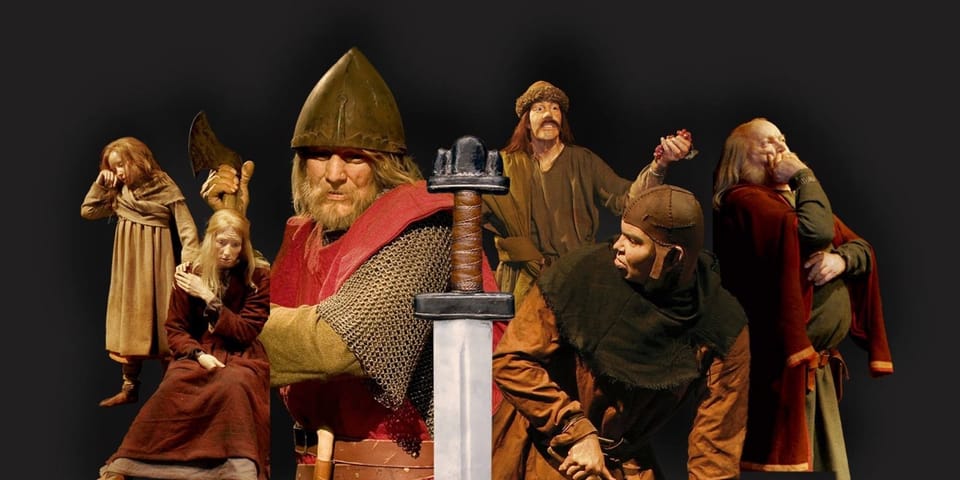
- Realistic waxwork scenes designed to make Viking life feel tangible
- Dress-up time in a fully equipped Viking costume area after the tour
- Locker + parking included, so you’re not hunting for practical help
In This Review
- Saga Museum in Reykjavik: what it does well and what to watch for
- Your 35-minute audio route: the story line you follow
- From the Papar to Reykjavik: how the early chapters set the tone
- Leif the Lucky and the Parliament: moments that connect myth and society
- The Saga age, civil war, and the writing down of stories
- Reformation in wax: the last Catholic Bishop in Iceland
- The costume area: Viking gear as a final payoff
- Languages, headsets, and how to use the audio guide
- Price and value: is $33 a fair deal for Reykjavik?
- Location tips: finding Saga Museum fast (and not wasting your energy)
- Who should book this waxwork saga ticket?
- Should you book Saga Museum in Reykjavik?
- FAQ
- How long is the audio-guided tour?
- How many exhibits are included?
- What languages are available for the audio guide?
- Where is the meeting point?
- What’s included in the ticket price?
- Is food or drinks included?
- Is there a place to dress up as a Viking?
- Is the museum wheelchair accessible?
- Is it suitable for young children?
- What’s the price and cancellation policy?
Saga Museum in Reykjavik: what it does well and what to watch for
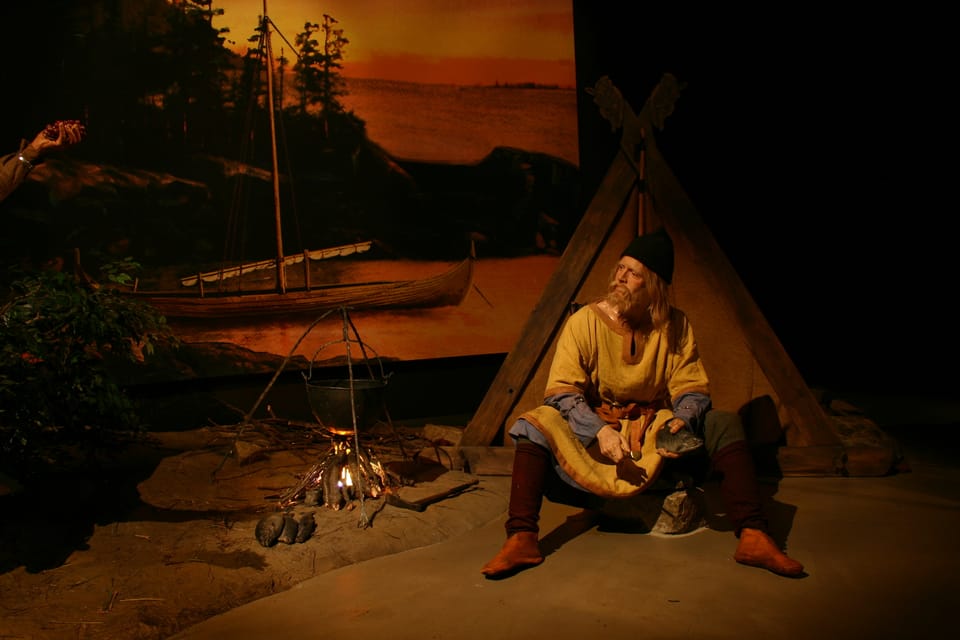
Saga Museum is a small, focused waxwork experience at Grandagarður 2, in Reykjavik’s Capital Region. The building is white, and if you’re looking for it, there’s a Viking-on-a-horse statue right in front. You’ll enter through the same door as the restaurant Matur og Drykkur, so it’s easy to spot once you’ve reached the street.
What I like about this setup is that it isn’t trying to be a huge museum you can wander all day. You buy in for a guided arc. You hear the sagas in sequence. You see 20 exhibits built around the same story beats. Then you close with the costume area. If you want a tight, story-led visit, it fits the bill.
The main consideration is pacing. One review pointed out that the audio was fine but there was a lot of waiting for the next step. That doesn’t mean the experience is bad, just that it’s not designed for people who want constant motion. Go in expecting short segments, then transitions.
Your 35-minute audio route: the story line you follow
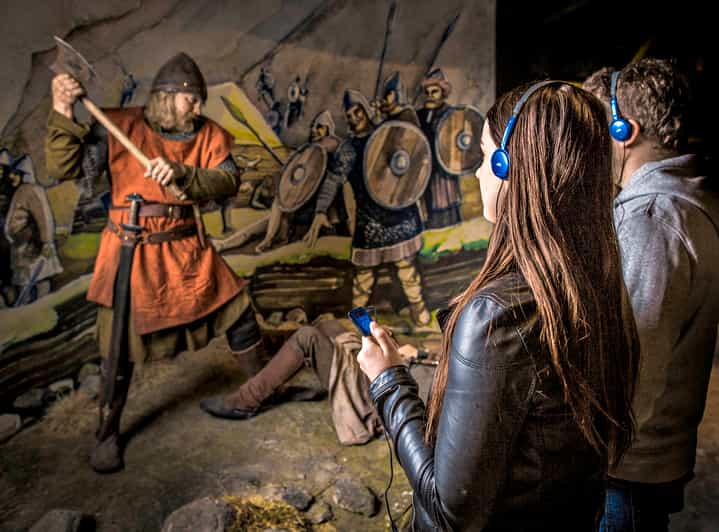
Your ticket is valid for one day starting from first activation, and the heart of the experience is the audio-guided tour. Plan on about 35 minutes with the headsets, designed to guide you from room to room while you work through Iceland’s saga eras.
You’ll start with the earliest settlers, including the Papar (the first group associated with earlier settlement) and then the first Vikings who settled Iceland. From there, the tour connects big name moments to larger shifts in Icelandic society and governance.
Here’s the order you’ll experience it in, in plain terms:
- Earliest settlers and the Papar
- Early Viking arrivals and the origins behind Reykjavik’s name
- Leif the Lucky and the discovery of America
- The founding of the Parliament
- The Saga age, when the stories were written down
- The civil war in Iceland
- The Reformation, including the last Catholic Bishop in Iceland
- Final stop: costume area to dress as a Viking
This sequence matters. Iceland’s sagas aren’t just entertainment; they’re part of how people preserved memory and identity. By following the timeline, you’re not just looking at wax figures. You’re learning why these stories became important and how different periods shaped what got written down and remembered.
You can also read our reviews of more tours and experiences in Reykjavik


From the Papar to Reykjavik: how the early chapters set the tone
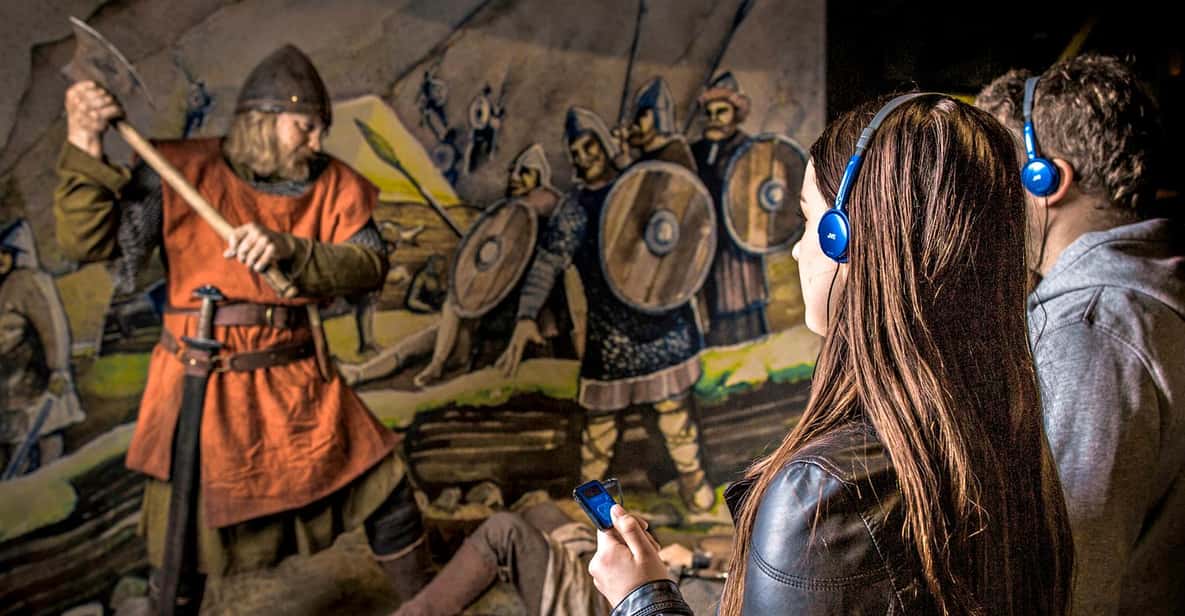
You begin at the earliest settlement layer, with the Papar and then the first Vikings who came to Iceland. Even if you already know Iceland has a Viking past, this opening helps you ground the broader idea: Iceland’s history is layered, and the sagas reflect that long memory.
This section is also where the museum’s “sensory” approach starts to make sense. Instead of reading a wall of text, you’re seeing life-size-like scenes and being told the story through the headset. It’s more approachable if you find Icelandic history easier when it comes with visual anchors.
One practical tip: treat the first few exhibits like your orientation phase. You’re not just absorbing facts, you’re learning the museum’s rhythm. Once you’re familiar with how the audio cues you, the rest of the tour usually feels smoother.
Leif the Lucky and the Parliament: moments that connect myth and society
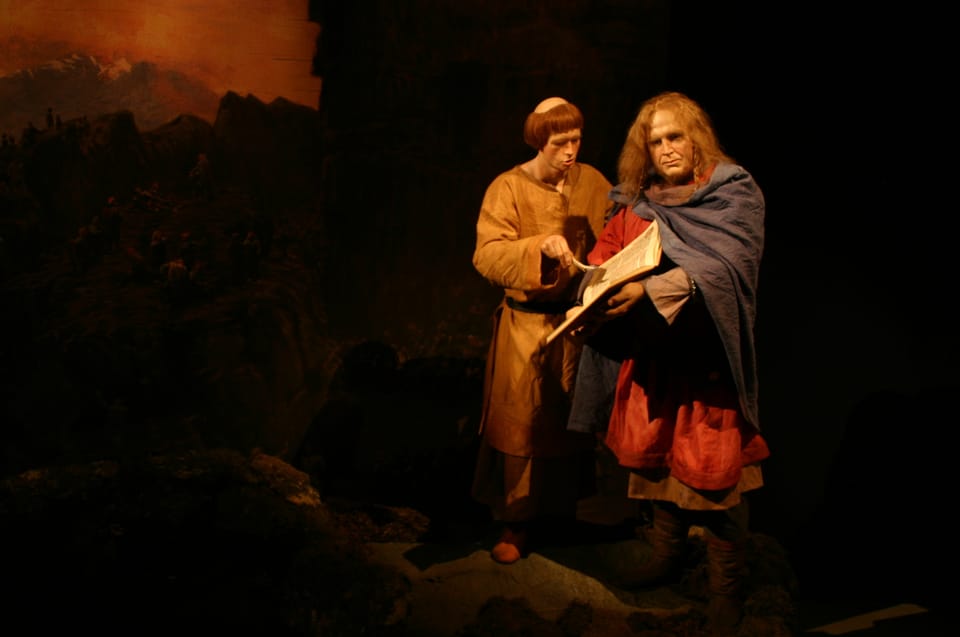
Next come the big, widely referenced saga themes: Leif the Lucky’s story and the discovery of America, followed by the founding of the Parliament.
These are the kinds of events that tend to show up in Iceland conversations because they represent two sides of saga storytelling:
- bold exploration and seafaring legends
- political structure and community decision-making
By placing them in the same guided arc, the museum nudges you to think past the headline. You can leave with a clearer sense of how saga narratives cover both adventure and governance.
If you’re the kind of traveler who likes your attractions to explain why something matters (not only what it is), this section is one of the better parts of the route.
The Saga age, civil war, and the writing down of stories
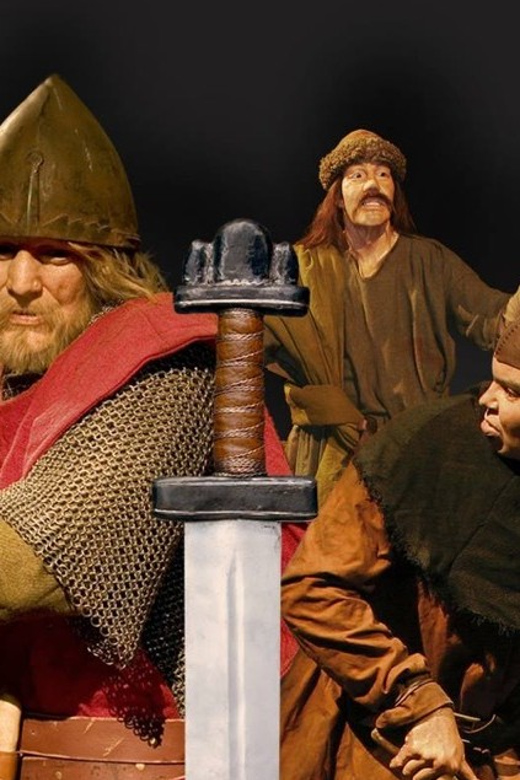
After the Parliament chapter, the tour moves into the Saga age. This is a key point in the museum narrative: you’ll learn about the period when these stories were written down. That detail may sound small, but it’s a big deal. Oral traditions don’t survive the same way written texts do, and once stories get written down, they can travel farther in time.
Then you’ll shift to the civil war in Iceland. The contrast is important. A lot of visitors expect Viking history to be mostly raids and battles. The museum steers you toward a fuller picture: conflict inside communities, the pressure points in society, and the way those realities show up in the saga tradition.
I also appreciate how this portion keeps the story moving. The exhibits aren’t random. Each section feels like it’s there to support the next one.
Reformation in wax: the last Catholic Bishop in Iceland
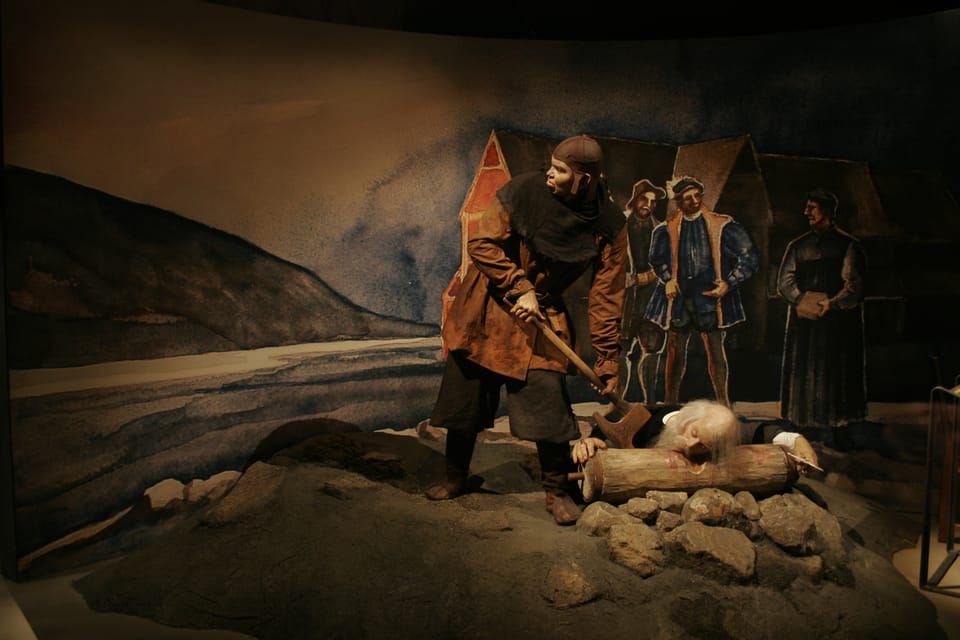
The tour concludes with the Reformation, including the last Catholic Bishop in Iceland. This ending brings you from the saga-focused “earlier” world into a time of religious and cultural shift.
Why I think this ending works: it shows that Iceland’s identity didn’t stop at the Viking era. The sagas are a major thread, but they sit inside a larger national story with big turning points. Ending with the Reformation helps you connect that.
If you like your museum visits to land on something slightly unexpected, this is a strong note to finish on, because it keeps the tour from feeling stuck in one century.
You can also read our reviews of more museum experiences in Reykjavik




The costume area: Viking gear as a final payoff
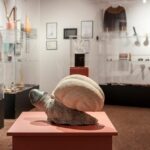
After the learning is done, you move into the fully equipped costume area. This is the part that turns the museum from “watch and listen” into “try and play.”
You can dress up in authentic clothes and with authentic weapons. Even if you don’t care about cosplay, it’s still good value because it changes your involvement level. You’re no longer a passive observer. You can make photos, shake out your posture, and get that fun Viking moment right on site.
One practical thing: this is usually where you’ll slow down the most. If you’re traveling with a tight schedule, plan for a few extra minutes beyond the 35-minute audio experience.
Languages, headsets, and how to use the audio guide
This museum includes audio guides with headsets in multiple languages: English, French, German, Icelandic, Russian, Spanish, and Swedish. There are also text guides in Polish and Italian.
Here’s how to make that work for you:
- If you’re an audio-first learner, put the headset on as soon as you’re set.
- If you want to read along, use the text guide to catch details the audio moves past.
- Expect the audio to drive the order of rooms. It’s not designed for skipping ahead.
Also, audio makes a difference for historical storytelling. It’s easier to follow the thread when someone is guiding the timing. That’s especially helpful here because the museum tells a continuous sequence across major saga eras.
Price and value: is $33 a fair deal for Reykjavik?
At $33 per person, the ticket isn’t cheap. One review even flagged the cost as high compared with other European countries and the USA, and I get that reaction. Iceland in general can be pricey, and this museum is no exception.
But here’s where the value argument holds up:
- You get a guided 35-minute story arc rather than a pile of disconnected rooms.
- You get 20 exhibits tied to that arc.
- You get included headsets in several languages.
- You get practical add-ons like parking and lockers.
- You get a costume experience at the end, not just observation.
So the question isn’t only the price. It’s what you’re getting for that price. If you like saga storytelling, visual history, and the idea of ending with a dress-up moment, the cost starts to feel more reasonable.
On the flip side, if you only want a large museum you can linger in or you dislike waiting between sections, it may feel small and not worth it. One review described it that way. I’d treat that as a sign: this is a “focused stop,” not an all-day museum marathon.
Location tips: finding Saga Museum fast (and not wasting your energy)
Meeting point is Saga Museum at Grandagarður 2. The entrance is shared with the restaurant Matur og Drykkur, and there’s that Viking horse statue in front of the white building.
My practical suggestion: arrive with a little buffer. When you’re hunting a specific entrance, the last thing you want is to rush your first exhibit and then feel behind for the rest of the audio route.
Also remember:
- Parking is included.
- Lockers are included.
- No pickup or drop-off is part of the experience.
If you’re arriving on foot, I’d prioritize finding the statue first. It’s the fastest landmark for the right building.
Who should book this waxwork saga ticket?
I’d point this ticket toward three types of travelers:
1) Family-friendly in the right way (but check the age fit). The museum may not be suitable for sensitive children, and it’s not suitable for children under 4. If your kids are old enough and handle historical themes well, the costume area is the big payoff.
2) History + storytelling fans. If you like learning history in a narrative format, the story order is a strong feature. You’re not just seeing scenes; you’re following a timeline.
3) People who want a memorable Reykjavik indoor activity. Iceland weather changes. When you need something inside, this gives you a clear plan: audio tour, exhibits, then costume time.
If you hate group pacing or prefer wandering without cues, you may find the waiting element annoying. This isn’t the museum for that style.
Should you book Saga Museum in Reykjavik?
If you want a short, well-structured introduction to Iceland’s saga eras, I’d say yes. The combination of life-like waxwork scenes, a clear 35-minute audio-guided storyline, and a real costume area makes it more than a quick look-and-leave attraction.
Don’t book it if you’re chasing a huge, long museum experience or if you’re easily frustrated by waiting between steps. Also, if you’re traveling with very young kids or sensitive children, take the suitability note seriously.
For most visitors who like history but also like fun, this is a solid stop that fits neatly into a day in Reykjavik.
FAQ
How long is the audio-guided tour?
The audio-guided tour is about 35 minutes.
How many exhibits are included?
The experience includes 20 exhibits.
What languages are available for the audio guide?
Audio guides are available in English, French, German, Icelandic, Russian, Spanish, and Swedish. Text guides are available in Polish and Italian.
Where is the meeting point?
The meeting point is Saga Museum at Grandagarður 2. Look for the white building with a Viking statue on a horse in front; it shares the same door as the restaurant Matur og Drykkur.
What’s included in the ticket price?
The entrance fee is included, along with audio guides (headsets), parking, and lockers.
Is food or drinks included?
No. Food and drinks are not included.
Is there a place to dress up as a Viking?
Yes. After the tour, there’s a fully equipped costume area where you can dress in authentic Viking clothes and with authentic weapons.
Is the museum wheelchair accessible?
Yes, it’s wheelchair accessible.
Is it suitable for young children?
It may not be suitable for sensitive children, and it’s not suitable for children under 4 years old.
What’s the price and cancellation policy?
The price is $33 per person. You can cancel up to 24 hours in advance for a full refund.