REVIEW · REYKJAVIK
Reykjavik Shore Excursion: Whale-Watching Cruise
Book on Viator →Operated by Special Tours Iceland · Bookable on Viator
Whales or not, this is Iceland on the move. This Reykjavik shore cruise sends you out from Skarfabakki Harbour into Faxaflói Bay for a guided search for whales and dolphins, with enough onboard comfort that the boat ride still feels like part of the experience.
What I like most is the practical warmth. You can use thermal/waterproof coveralls (including kids’ sizes), plus complimentary sea-sickness tablets, and that changes how long you can comfortably stand watch for wildlife. I also love the way the guide keeps everyone oriented, with clear onboard commentary and speakers so you’re not stuck guessing what you’re seeing.
One thing to consider: whale-spotting is always luck plus weather. Even with an expert crew working the area, you might end up seeing only smaller cetaceans or none at all, and rougher seas can make moving around the boat harder than you’d hope.
In This Review
- Key things to know before you go
- Skarfabakki Harbour to Faxaflói Bay: the cruise in plain terms
- Choosing 3.5 hours vs 2.5 hours high-speed (and who should pick what)
- What you’ll actually see: whales, dolphins, and the small “bonus” wildlife
- The onboard guide and how the crew helps you find animals fast
- Waterproof coveralls, sea-sickness tablets, and the comfort checklist
- The Special Tours Iceland app: turning wildlife into a “live lesson”
- WiFi and facilities: what to expect when you’re hungry or curious
- Price and value: why the try-again ticket changes the math
- Getting there: Skarfabakki Harbour timing and the pickup traps to avoid
- So… should you book it?
- FAQ
- What’s the duration of the whale-watching cruise from Reykjavik?
- Is pickup available from the cruise terminal or your hotel?
- What’s included on the tour?
- What wildlife can you expect to look for?
- Is the tour guaranteed to show whales?
- What languages are available?
Key things to know before you go
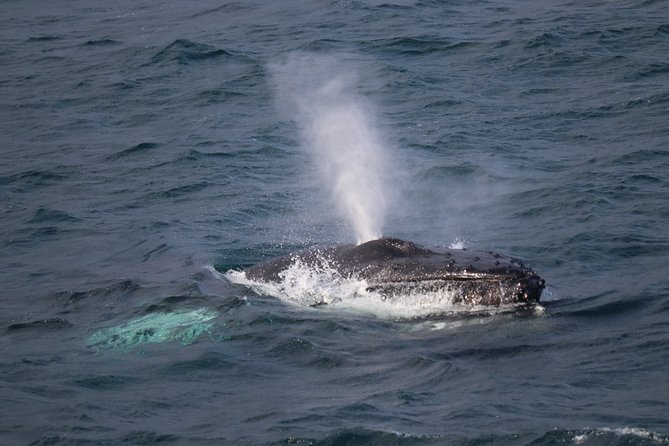
- Faxaflói Bay is the real star: a busy stretch of North Atlantic waters where small cetaceans are often seen and whales sometimes show up.
- Two cruise lengths: choose a calmer-feeling 3.5-hour option or a shorter 2.5-hour high-speed run.
- Comfort that matters: waterproof coveralls and sea-sickness tablets help you last through the search.
- Clear guidance onboard: the crew helps you find animals quickly from different sides of the boat.
- Free try-again ticket: if nothing is seen on your cruise, you can return for another whale-watching outing.
- Use the Special Tours Iceland app: text and audio help you track wildlife and the nature around you (in multiple languages).
Skarfabakki Harbour to Faxaflói Bay: the cruise in plain terms
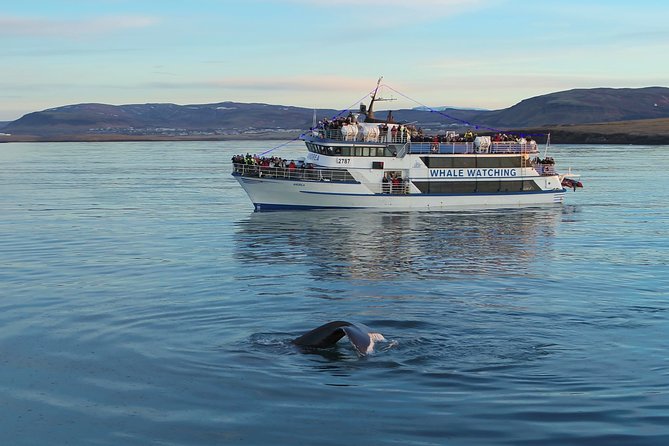
Reykjavik whale watching has a particular vibe: it’s not a quiet pond cruise. You’re out at sea, with wind and spray possible even on a good day, chasing animals that don’t follow a schedule. This tour starts at Skarfabakki Harbour, and from there you head into Faxaflói Bay, where the water around Iceland’s capital is known for marine life.
What makes this experience feel worthwhile isn’t just the possibility of whales. It’s the whole “field trip” approach. You’re given an expert guide’s commentary, and you’re not left alone with a pair of binoculars and hope. The boat layout also matters. On the better viewing days, the captain and crew help people on port and starboard sides get a look, so you’re not stuck watching other passengers’ screens while your side comes up empty.
The trip runs for about 3 hours 50 minutes total (including sailing and time on the water), and it ends right back at the meeting point. So you get a full chunk of time on the water without losing the rest of your Reykjavik day to complicated transfers.
You can also read our reviews of more boat tours in Reykjavik


Choosing 3.5 hours vs 2.5 hours high-speed (and who should pick what)
You get two shore-excursion options: a leisurely 3.5-hour cruise and a 2.5-hour high-speed cruise. On paper, it’s a simple choice: longer time on the water versus a faster route.
Here’s how I’d think about it:
- If you want the best odds of sightings and you’re comfortable spending time scanning the water, go for the 3.5-hour option. Extra time can help when animals travel or when the crew needs to reposition.
- If your schedule is tight or you prefer shorter time outside, the 2.5-hour high-speed cruise can be the practical pick. It’s also nice when you’re balancing other Reykjavik plans.
From the vibe of the experience, the longer option tends to feel more like a wildlife outing where you learn, track, and watch behavior. The shorter option feels more like a focused sprint for who’s out there today.
If you’re traveling with kids, the included waterproof coveralls (kids’ sizes) help a lot for comfort, but still pick the cruise length that matches your family’s patience for scanning the sea.
What you’ll actually see: whales, dolphins, and the small “bonus” wildlife
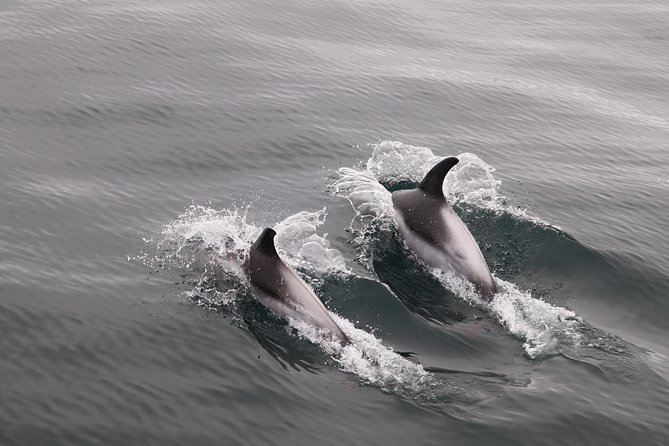
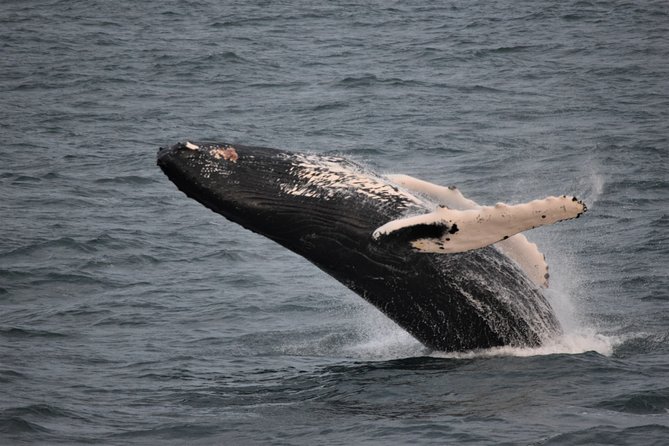
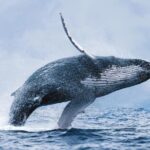
The waters around Reykjavik’s bay can produce both small and large animals. This cruise is set up to look for porpoises, white-beaked dolphins, and whales such as minke whales and humpback whales. Even when big whales don’t appear, smaller cetaceans can keep the viewing active.
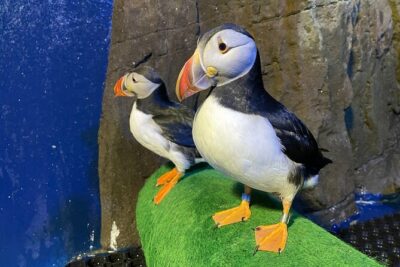
On great days, you’re not only chasing whales. You might also notice seabirds working the same waters. One of the best parts of this kind of trip is that the marine food chain shows up fast: when fish move, birds follow, and sometimes predators follow too. In a standout outing, the on-water “show” included diving gannets and puffins alongside the dolphin/whale sightings, turning it into a longer sequence of moments rather than one single lucky sighting.
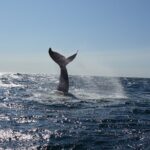
If you do get whales, don’t expect a predictable script. On more memorable runs, whales can surface near the boat and give close views, while on other days you may only catch brief glimpses. That’s why this tour’s structure leans on education and guidance, not just hype.
A real-life detail that came up in feedback: one rider noted the operation relies on human spotting rather than sonar-radar devices. I can’t verify the exact policy for every boat every day, but it does match a good rule of thumb for all whale watching in this region: you’re part of the search, and conditions matter.
The onboard guide and how the crew helps you find animals fast
This is the heart of the experience. The tour isn’t only about wildlife; it’s about you being able to see wildlife.
The guide provides illuminating commentary and helps explain which species you might be looking at and why they’re around. In one praised outing, the guide was named Dominiki, described as very knowledgeable with a good sense of humour. The key takeaway for you: the best whale cruises don’t just identify animals after the fact. They help you spot them, which can turn frustration into momentum.
You’ll also benefit from the boat’s sound setup. Several comments praised that the guide was easy to hear throughout the vessel thanks to speakers. That means you’re not trapped in one spot to catch instructions.
Finally, there’s a teamwork element with the captain. More than one review highlighted that the captain helped manage views so both sides of the boat could see when animals surfaced. That’s a big deal on larger vessels, because if you’re stuck on the “wrong” side, the trip can feel disappointing fast.
Waterproof coveralls, sea-sickness tablets, and the comfort checklist
If there’s one thing I strongly recommend you respect, it’s the boat’s weather reality. Even in decent conditions, wind chill off the water can be serious. That’s why this tour’s included gear is more than a nice add-on.
You can put on thermal overalls / waterproof coveralls if you want, and they’re available in children’s sizes. People who actually used them tended to rate the cruise better because they stayed warmer while watching longer.
You also get complimentary sea-sickness tablets. Take them if you’re the type who gets motion sickness easily, even if you think you’ll be fine. A recurring theme in feedback is that rougher water can still make some passengers feel sick, even with the tablets. In other words: the tablets help, but they don’t magically turn waves into still glass.
Practical comfort tips for you:
- Wear warm layers under the coveralls if you tend to get cold.
- Bring gloves or something similar if you’re sensitive to wind.
- If you’re nervous about motion, consider aiming for a spot where you can see forward and where movement feels less intense (the crew can often point you to viewing areas).
Also, note that the boat may not be ideal for everyone with mobility needs. One review complained about limited handicapped accessibility. The tour data says most travelers can participate, but if accessibility is a concern for you, it’s worth asking ahead about onboard access points and viewing areas.
You can also read our reviews of more whale watching tours in Reykjavik
The Special Tours Iceland app: turning wildlife into a “live lesson”
This is a newer feature and it’s useful if you like learning in real time.
The Special Tours Iceland App is available for you to download before or during the tour. It includes both text and audio information about the tour, the wildlife, and the surrounding nature. It also lists language support for English, German, French, Spanish, and Chinese.
Think of it as your on-the-water field guide. When you see a fin break the surface or a pattern of surfacing behavior, the app can help you make sense of it while it’s happening, not after you’ve already moved on.
If you’re the type who learns best by connecting names to sightings, this app can improve how satisfying the cruise feels, even on days when whales are scarce.
WiFi and facilities: what to expect when you’re hungry or curious
You get free WiFi onboard, which can be handy for passing time, checking directions back to your hotel, or just sending a quick message before the internet goes spotty later.
Food and drinks are not included unless specified. That means you should plan to either eat before you board or buy snacks onboard if available. One review specifically mentioned a snack bar with options like hot coffee and snacks, so you’re not totally stuck without a warm drink. Still, don’t assume a full meal is part of the package.
If you get motion sick, warm comfort matters. Some people prefer to keep things simple: a warm drink can help you feel human again after you’re dressed for cold and wind.
Price and value: why the try-again ticket changes the math
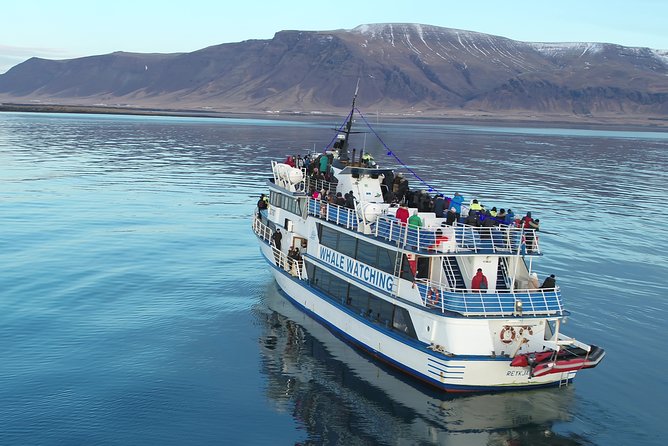
At about $108.13 per person for the tour, the price is not cheap. But whale watching isn’t a museum exhibit where you can guarantee an animal at a set time.
The main value lever here is the free ticket to try again if nothing is seen on your tour. That doesn’t magically guarantee a whale on your second attempt. But it does protect you against the harshest outcome: spending a long chunk of your trip on a boat and seeing nothing worth remembering.
When I judge value on this kind of tour, I look for two things:
- Do they help you find animals (sound, guidance, crew coordination)?
- Do they offer a real remedy if you get unlucky?
This tour hits both. The guidance and onboard orientation seem to be a strong point, and the try-again ticket is the practical compensation when wildlife doesn’t cooperate.
Also, this cruise is capped at a maximum of 189 travelers, which is a reminder that you’re not on a tiny skiff. You should still expect a busy boat in peak times, but you’re not dealing with an unlimited crowd.
Getting there: Skarfabakki Harbour timing and the pickup traps to avoid
This is where many shore excursions can go wrong, and it came up more than once.
The meeting point is Skarfabakki Harbour (544P+F35, 104 Reykjavík), and the tour ends back at the same location. If you selected pickup, you need to be ready at the harbour 1 hour prior to departure.
Two different problems showed up in feedback:
- Pickup time confusion, where a stated time didn’t match reality.
- The painful experience of missing the tour due to a longer transfer from the airport to the hotel.
Here’s my straight advice: treat the departure time as a minimum. Build buffer time into your plan to arrive at the harbour early enough that one small delay doesn’t become a missed boat.
If you’re picking up at sea-cruise terminal connections, write down the pickup time they give you and set your own internal alarm for an earlier arrival. If there’s any uncertainty, call and confirm the pickup details when you can.
So… should you book it?
Book this whale-watching cruise if:
- You want a guided wildlife search, not just a boat trip.
- You’ll actually use the warm waterproof coveralls and you’re open to standing watch in cold wind.
- You like the idea of returning with a try-again ticket if your first outing is whale-free.
Skip it (or plan your expectations carefully) if:
- You need a 100% chance of whales. This experience is built on searching, and sightings are never guaranteed.
- You’re extremely motion-sensitive and worried about rough water. While tablets help, some people still feel sick on choppier days.
If your goal is the classic Reykjavik mix of sea air, marine life, and expert narration, this is a solid choice. Just go in knowing the ocean sets the schedule, not the itinerary.
FAQ
What’s the duration of the whale-watching cruise from Reykjavik?
It runs for about 3 hours 50 minutes on the day, with cruise options of either a 3.5-hour leisurely ride or a 2.5-hour high-speed ride.
Is pickup available from the cruise terminal or your hotel?
Pickup is offered. If you choose pickup, be ready at Skarfabakki Harbour 1 hour prior to departure.
What’s included on the tour?
Included items are thermal/waterproof overalls, free WiFi, complimentary sea-sickness tablets, and a free ticket to try again if you see nothing on your cruise.
What wildlife can you expect to look for?
The cruise focuses on marine life in Faxaflói Bay, including porpoises, white-beaked dolphins, minke whales, and humpback whales.
Is the tour guaranteed to show whales?
No. Whale watching depends on luck and conditions. If nothing is seen on your tour, you get a free ticket to try again.
What languages are available?
The tour is offered in English. The Special Tours Iceland App adds text and audio information in English, German, French, Spanish, and Chinese.