REVIEW · VIK
3 Hours Katla Ice Cave Tour/Meet in Vík
Book on Viator →Operated by Southcoast Adventure · Bookable on Viator
Katla Ice Caves feel like entering another planet. I love the small-group size (max 14), which makes the guide attention feel real, and I love that you get equipment plus coaching before you head into the ice. One thing to consider: on the wrong day (weather, vehicle hiccups, or timing delays), the experience can feel rushed, with less time in the cave and more hanging around than you’d hope.
The ice itself is the star. This area is tied to Katla Volcano (Kötlujökull is named for it), and the glacier has been slowly feeding some of Iceland’s most dramatic ice caves, which can be worked on and visited during much of the year.
Practical note: the tour is usually timed around a 3-hour window, but Iceland weather plays games. If there’s any chance you’ll be hiking near dusk or later than planned, I strongly recommend packing a small headlamp for the walk back.
In This Review
- Key things to know before you go
- Price and value for a Katla Ice Cave tour from Vík
- Meet at Ice Cave Bistro in Vík: the start of the day
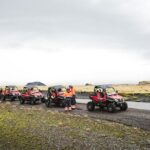
- The Super Jeep ride: Mýrdalsjökull to Kötlujökull
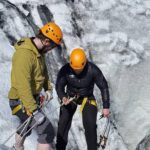
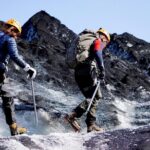
- Getting kitted up: helmets, crampons, and a real safety check
- The walk in: where conditions matter most
- Entering Katla’s ice cave: time, light, and the reason it’s different
- Guide quality makes a huge difference (so choose your mindset)
- The cave team’s work: stairs and safe access
- Wildlife surprises: when Iceland adds extra credit
- How the 3 hours often feel (and why delays can happen)
- Who this Katla Ice Cave tour is best for
- Quick checklist before you go
- Should you book the Katla Ice Cave tour with Southcoast Adventure?
- FAQ
- How long is the Katla Ice Cave tour from Vík?
- Where do I meet for the tour?
- How much does the tour cost?
- Is the tour guided and in English?
- Is it a large group?
- Do I need a printed ticket?
- Will I get confirmation after booking?
- Is the tour appropriate for most people?
- What happens if weather is poor?
- What is the cancellation window?
Key things to know before you go
- Small-group (max 14): less crowding and more room to hear your guide.
- Super Jeep access: you’re not just looking at the glacier area from afar; you’re actually getting onto it.
- Katla/Kötlujökull story: the cave connects to the volcano beneath the ice.
- Gear and instruction provided: you’ll learn how to use what you’re given before stepping onto ice.
- Safety focus depends on the guide day: most guides run a tight operation, but communication and lighting can vary.
- Timing can shift in bad weather: plan for delays and bring a bit of backup readiness.
Price and value for a Katla Ice Cave tour from Vík
At $266.16 per person for about 3 hours, this isn’t a bargain. You’re paying for the full package: Super Jeep transport out to the glacier, guide time, and the ice-cave logistics (the work it takes to keep access safe).
If you’re the type who wants a front-row seat inside a real working ice cave—not just a photo stop—this price starts to make sense. Your money is mostly buying risk management and access: someone has to get you there, kit you up, and keep the group moving safely on uneven ice and snow.
Where value can wobble is if you end up in a schedule-crunch situation. Some experiences can feel like you spend more time traveling or waiting than you expected, and that’s when the same price can feel less fair. If you’re sensitive to wasted time, build in patience before you book.
You can also read our reviews of more tours and experiences in Vik
Meet at Ice Cave Bistro in Vík: the start of the day
Your tour begins back in Vík, at Ice Cave Bistro, Austurvegur 20, 870 Vík. This matters more than it sounds. Vík is a practical base for glacier day trips, and meeting at a fixed point keeps your morning simple.
When you arrive, plan to move fast once you’re sorted. You’ll want your ticket ready on your phone (this tour uses a mobile ticket), and you should expect quick ticket scanning and a group handoff into vehicles.
Also, don’t assume the start time always means you’ll be on the glacier exactly then. Weather in this part of Iceland can be messy, and even with a solid operator, conditions can slow down travel and swapping vehicles when needed.
The Super Jeep ride: Mýrdalsjökull to Kötlujökull
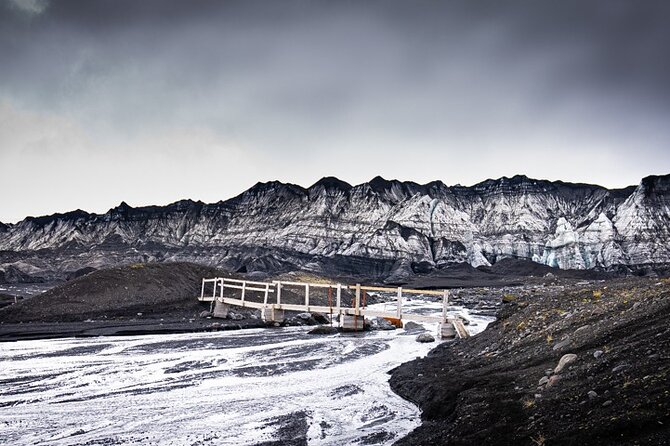
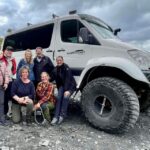
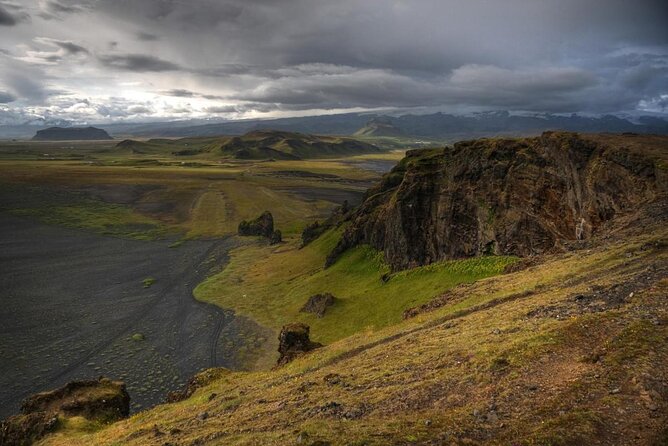
This is not a luxury bus tour. You’ll take a Super Jeep ride through the glacier region tied to Mýrdalsjökull—one of Iceland’s best-known ice caps—and toward Kötlujökull, the glacier linked to Katla Volcano.
Why this ride is part of the deal: it gets you to a place where the ice caves aren’t just a concept. The glacier area has a sense of scale that photos can’t match. Once you’re actually on the approach route, you feel the remoteness quickly.
It’s also where the day’s mood is set. If road conditions are rough, you may get bumps and slower driving. That’s normal here—but it’s one reason I’d dress in layers and keep comfort in mind (even if you’re excited, being cold doesn’t help your focus).
Getting kitted up: helmets, crampons, and a real safety check
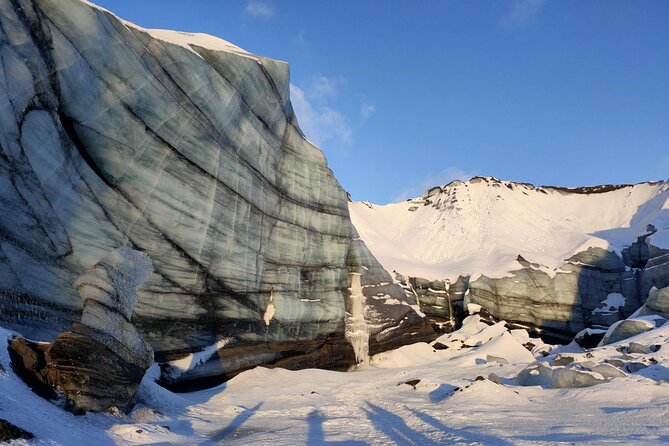
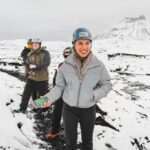
Before you head into the ice, expect an equipment moment. The tour includes instruction on descending and using the gear provided, and you’ll get what you need to move more confidently on snow and ice.
Common items you should plan for include:
- Helmets
- Crampon-style traction (or similar ice traction), depending on conditions
The best tours treat this as more than a handout. You want a short, clear explanation: how the gear should fit, when to use it, and what to watch for on the walking surface. A couple of rougher experiences have involved limited explanation and uneven guidance, so if your guide is rushing, ask a simple question right then: How do you want our spacing on the trail? Where is the safest route?
This is also a good time to check your personal setup. Make sure your gloves work with your equipment. If your footwear is slick or you feel unstable, say so early.
The walk in: where conditions matter most
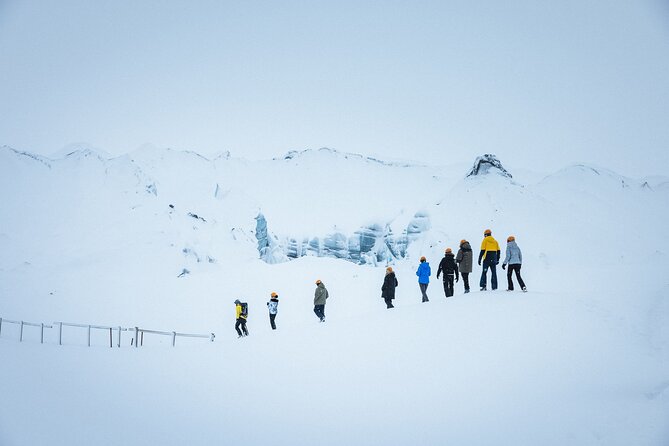
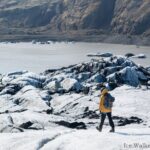
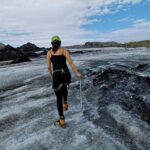
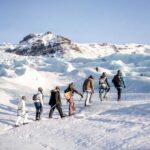
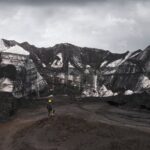
Between vehicles and cave entrance, there’s a hike/approach. This can be surreal in a good way—you’re moving through snow and glacier terrain that feels cut off from everyday life.
Here’s what you should know: the walk can be narrow, and uneven snow drifts can create hidden hazards around the trail edge. A few past experiences reported that the return path can get dim, and that lighting on the walking route isn’t always obvious.
My advice is simple and low-effort:
- Bring a headlamp even if you think you’ll be back before it’s dark.
- Wear warm layers you can move in, not just a parka that restricts your legs.
- Keep your distance on the trail so you’re not stepping where someone else just landed.
If you do nothing else, treat the hike as the part that can bite you—not the cave itself.


Entering Katla’s ice cave: time, light, and the reason it’s different
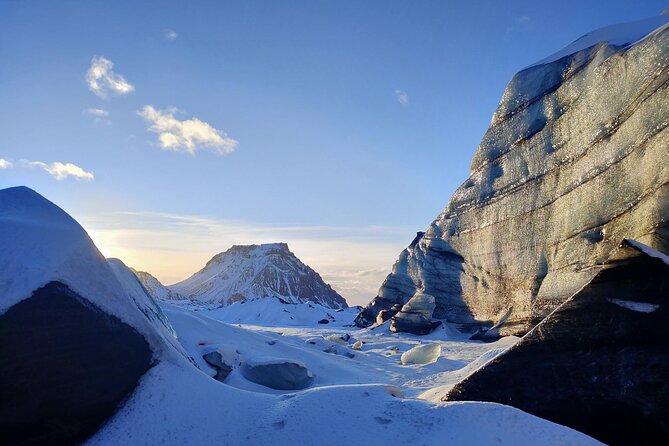
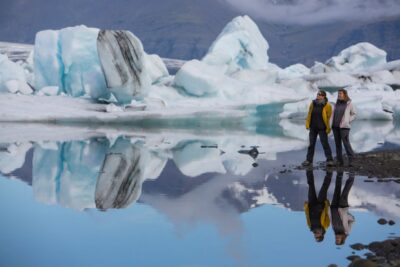
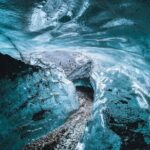
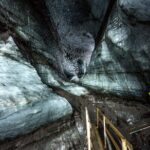
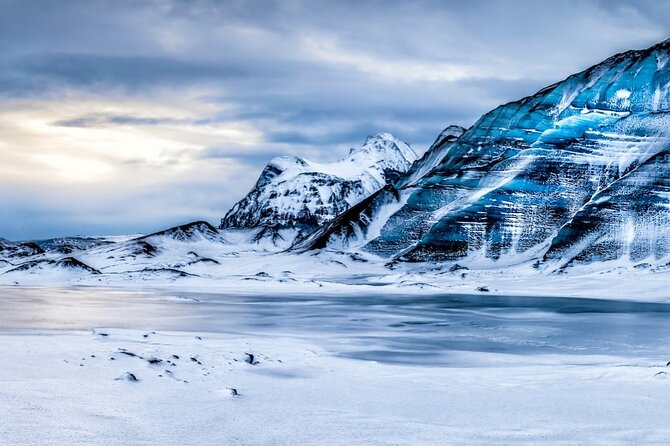
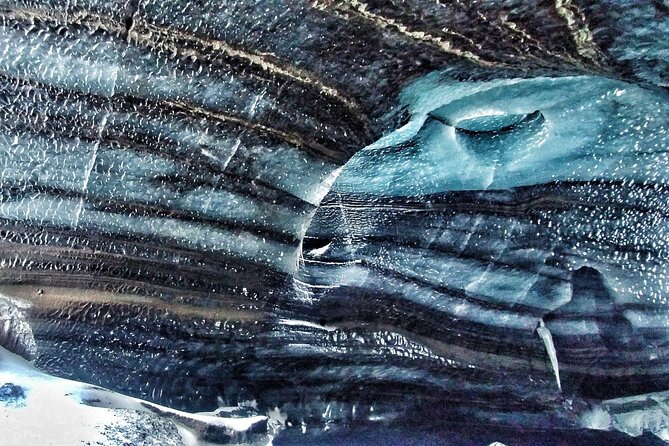
The ice cave is the moment you came for. The interior is often lit (some tours mention lights inside the cave), and the ice has that signature blue-and-white look that makes you stop talking and just stare.
What makes Katla-area caves special is the environment around them. You’re inside a system shaped by the slow movement of glacier ice over time, and the ice structure can vary year to year. That’s part of the appeal: you’re not seeing a permanent museum set.
You’ll typically have time inside to look, photograph, and take it in. But here’s the tradeoff: some people have felt the cave time is short compared with the total day, especially when the schedule gets tight. If you’re hoping for a long, slow wander, set expectations for a guided, timed visit rather than an open-ended exploration.
Also pay attention to group flow. In the best-run tours, the guide manages spacing and tells you where to stand and where to avoid contact with fragile ice. In weaker runs, you may feel like you’re moving quickly for photos. If you’re there for the ice science and the artistry of erosion, ask your guide where to look for the best features and why they form.
Guide quality makes a huge difference (so choose your mindset)
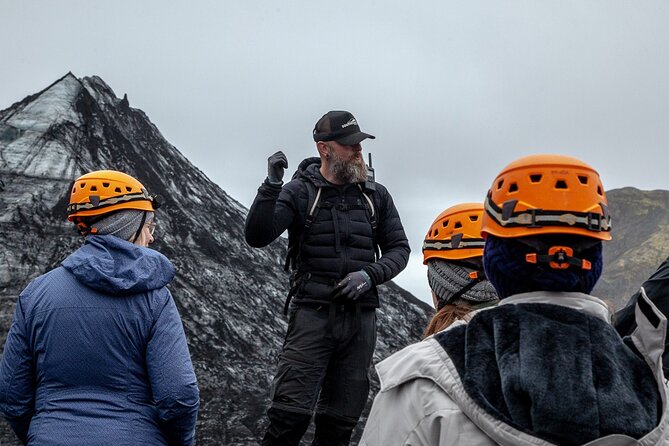
This tour is guided, and the guide can seriously change the feel of the day. In accounts of past trips, guides such as Helgi and Alex were praised for being friendly, easy to talk to, and entertaining while still explaining how the cave formed and why it changes.
Other names show up too, like Siggi and Benny, often connected to strong explanation and a good sense of humor. One theme across the better experiences: the guide keeps you safe while also making you feel like you’re part of something unique.
So how should you handle it as a traveler? Go in expecting instruction, not a free-form experience. Ask one or two questions early. If the guide doesn’t explain much, you can still get value by focusing on what you’re actually seeing: ice color shifts, textures, and the way the cave’s structure changes your walking route.
And if you’re traveling for thrills and photos, let yourself enjoy both—but keep safety front and center. Ice caves are beautiful, not forgiving.
The cave team’s work: stairs and safe access
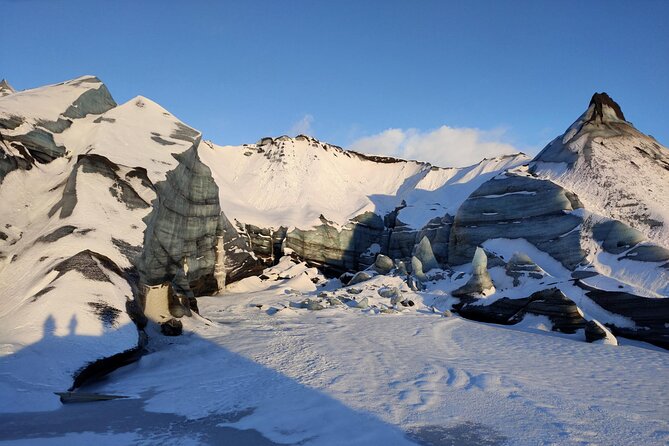
One thing I really like about this style of ice-cave operation is that it’s not just luck. Even on the approach, you may see the crew carving or chiseling new stairs into the ice to make access safer.
That tells you something important: someone is managing the risks so regular visitors can do this without reinventing glacier travel. It’s also a reminder that ice cave access isn’t a permanent fixture. The cave changes, and safety infrastructure needs maintenance.
If you want to help this kind of place keep working, be careful with where you step and keep to the guide’s route. The goal is to enjoy the cave without damaging it.
Wildlife surprises: when Iceland adds extra credit
Sometimes the day throws in more than ice. One account noted an arctic fox sighting on the way down from the glacier area, and that’s the kind of bonus you can’t plan for.
Even if you don’t see wildlife, the glacier drive and ice cave structure can still deliver. But if seeing animals is on your wishlist, keep your eyes open during the drive segments—without getting in the way of the safe vehicle operation.
How the 3 hours often feel (and why delays can happen)
The tour is listed at about 3 hours, and the activity ends back at the meeting point in Vík. In clean weather, that timing can feel tight but doable.
In rougher conditions, expect the day to stretch. Some experiences describe delays from the group ahead taking longer due to weather, plus occasional vehicle issues that required switching vans or stopping while repairs were handled. When that happens, the cave time can feel compressed, and you may spend more of your day waiting in cold air.
This is why I keep repeating the same practical theme: assume the schedule might shift and prepare your body for it. Warm layers, a way to keep your phone charged, and a headlamp are small investments that prevent a lot of stress.
Who this Katla Ice Cave tour is best for
I’d steer you toward this tour if:
- You want a guided, hands-on ice experience (not just viewing ice from a distance).
- You like small groups and want the guide to manage your path and safety.
- You’re excited by the science story: glacier ice shaped by Katla Volcano.
- You’re comfortable with cold, bumpy rides, and short walks on snow/ice.
I’d think twice if:
- You get anxious when weather disrupts a timeline.
- You’re expecting a long, unstructured cave exploration.
- You need lots of quiet explanation time without movement.
- You’re sensitive to comfort issues in vehicles during winter travel.
In other words: this is best for people who can handle Iceland being Iceland.
Quick checklist before you go
Bring what keeps you comfortable and safe on ice and in possible dim light:
- Headlamp (especially if timing slips)
- Warm gloves that still let you manage gear
- Layers you can move in
- Sturdy winter footwear
- Your phone ready for the mobile ticket
If you do these five things, you’ll get more out of the experience and worry less about the parts you can’t control.
Should you book the Katla Ice Cave tour with Southcoast Adventure?
If you’re looking for one of the most memorable experiences in South Iceland, I think this is a strong bet—mainly because you’re paying for guided access and real safety structure inside the Katla ice system. The ice is genuinely the point, and when the guide is on their game, the day feels organized and fun.
The main reason to hesitate is the variability you can’t see from the outside: weather and logistics can affect cave time and communication quality. If you’re calm with that reality and you pack smart (headlamp, warm layers, traction-friendly footwear), you’re set up to enjoy one of Iceland’s coolest natural oddities.
If you want, tell me your travel month and age/fitness level, and I’ll help you decide how cautious you should be and what to pack for that time of year.
FAQ
How long is the Katla Ice Cave tour from Vík?
The tour runs for approximately 3 hours.
Where do I meet for the tour?
You meet at Ice Cave Bistro, Austurvegur 20, 870 Vík, Iceland.
How much does the tour cost?
The price is $266.16 per person.
Is the tour guided and in English?
Yes. The tour is offered in English and includes a guide.
Is it a large group?
No. The tour caps group size at a maximum of 14 travelers.
Do I need a printed ticket?
No. You use a mobile ticket.
Will I get confirmation after booking?
Yes. Confirmation is received at the time of booking.
Is the tour appropriate for most people?
Most travelers can participate.
What happens if weather is poor?
This experience requires good weather. If it’s canceled due to poor weather, you’ll be offered a different date or a full refund.
What is the cancellation window?
You can cancel up to 24 hours in advance for a full refund. If you cancel less than 24 hours before, the amount paid is not refunded.