REVIEW · REYKJAVIK
Reykjavik City Walking Tour
Book on GetYourGuide →Operated by Rvk Sightseeing · Bookable on GetYourGuide
Reykjavik gets personal when you slow down and walk. This guided route connects the biggest sights—Hallgrímskirkja, Þingholt streets, Tjörnin pond, and Harpa—with the stories that explain how a volcanic island became a modern capital.
What I like most is the way the tour turns landmarks into meaning. You get a standout intro to Iceland through the lens of Norse mythology and Viking-era roots, then you end up back in the center with clear mental landmarks for your next days. Guides you might be paired with, like Sara or Thomas, tend to bring strong storytelling energy and lots of patient answering time.
One possible drawback: it’s still a 2.5-hour walk in Iceland’s fast-changing weather. If you hate damp wind or if you’re traveling with small kids (under 6 may find it long), you’ll want proper gear and a plan for comfort.
In This Review
- Key highlights worth marking on your mental map
- Starting at Hallgrímskirkja: the best why-to-here moment
- Þingholt streets and Norse myths: stories that make the city click
- Einar Jónsson Museum and the sculpture park: art with Iceland’s attitude
- Tjörnin pond: geese, swans, and a needed breather
- City Hall’s topographical map: geology lesson, but made practical
- Parliament building, cathedral, and first Viking homesteads: where the old roots show
- Old Harbour to Harpa, plus Sólfar and Mount Esja views
- How long it really is (and how to dress so you enjoy it)
- Value at $53: what you’re really paying for
- Who should book this walking tour
- Should you book the Reykjavik City Walking Tour?
- FAQ
- What’s the duration of the Reykjavik City Walking Tour?
- Where do I meet my guide?
- What attractions are included in the walking route?
- What language is the tour offered in?
- Is hotel pickup included?
- Are there discounts for children or teens?
Key highlights worth marking on your mental map
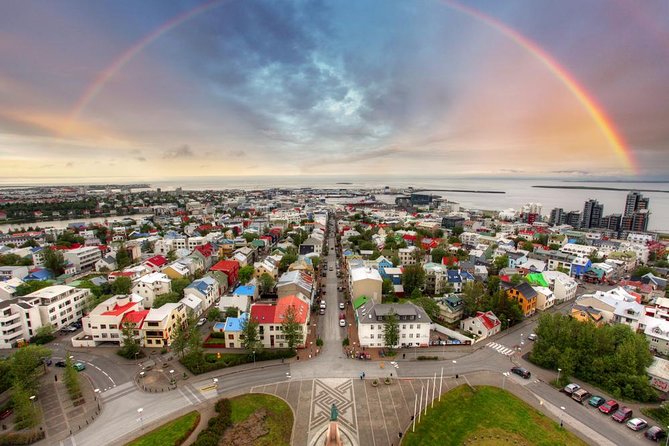
- Hallgrímskirkja church plus bell-tower time to start with Reykjavik’s most recognizable silhouette
- Þingholt neighborhood streets tied to Norse myths and Viking-era talk, not just postcard stops
- Einar Jónsson Museum and sculpture park so art history feels like city life
- Tjörnin pond geese and swans as a calm reset in the middle of town
- City Hall’s giant topographical map of Iceland that connects what you see to geology and volcanoes
- Old Harbour to Harpa with Sólfar views across the bay toward Mount Esja
Starting at Hallgrímskirkja: the best why-to-here moment
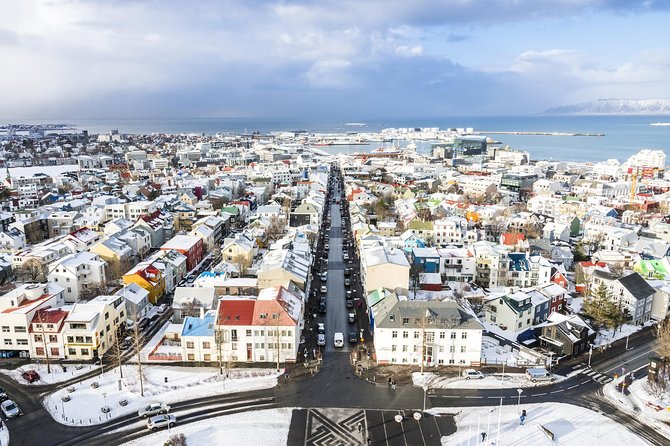
Your tour begins at the statue of Leifur Eiríksson, right in front of Hallgrímur—Hallgrímskirkja Church. It’s one of those meeting points that feels natural because the church is hard to miss and you’re already in the thick of the city center.
From the start, this works because Hallgrímskirkja isn’t just architecture you glance at. It’s your anchor. The tour includes time at the church, and that matters because you’re not rushing past it—you’re given context as you look, then you get access that includes the bell tower. If you like seeing how a city reveals itself from a higher angle, you’ll likely enjoy this early vantage moment. It also helps later when you try to “place” everything you see—Harpa, the harbor, and the bay all start to make sense in one connected picture.
Practical tip: arrive a bit early. The tour asks you to meet your guide 10–15 minutes before departure, and no later than 10 minutes before scheduled start. In Iceland, that buffer also helps if weather is doing its thing.
You can also read our reviews of more walking tours in Reykjavik


Þingholt streets and Norse myths: stories that make the city click
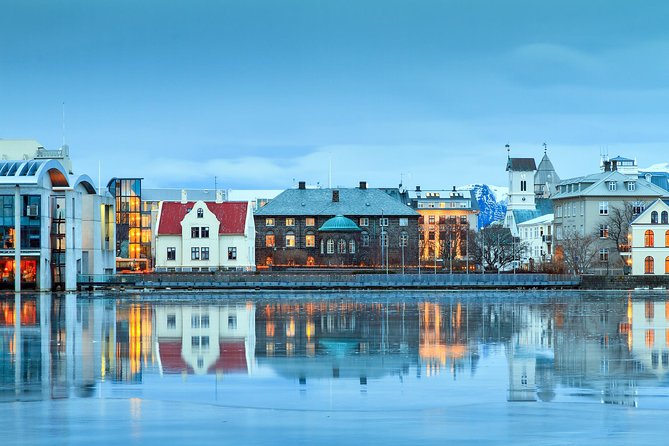
After Hallgrímskirkja, the walk shifts into Reykjavik’s more intimate neighborhoods, especially Þingholt. This is where the tour earns its reputation as more than a sight checklist.
You’re led through the quaint street layout and given the kind of background that makes names and patterns feel less random. You’ll hear about Norse mythology as you pass through the city, but it’s not presented as trivia. The goal is to help you connect Iceland’s cultural language to the places you’re walking past.
This portion also includes talk about Viking homesteads—where the sense of time thickens. Reykjavik is modern, but it sits on an older foundation. When your guide ties the street-level layout to early settlement ideas, you end up understanding why certain areas feel like they “belong” to the story of the island rather than just functioning as neighborhoods.
If you like asking questions (and you’re the type who will), this is a good stretch to do it. You’ll often get the clearest answers when you’re standing right next to the real reference point, not two bus stops later.
Einar Jónsson Museum and the sculpture park: art with Iceland’s attitude
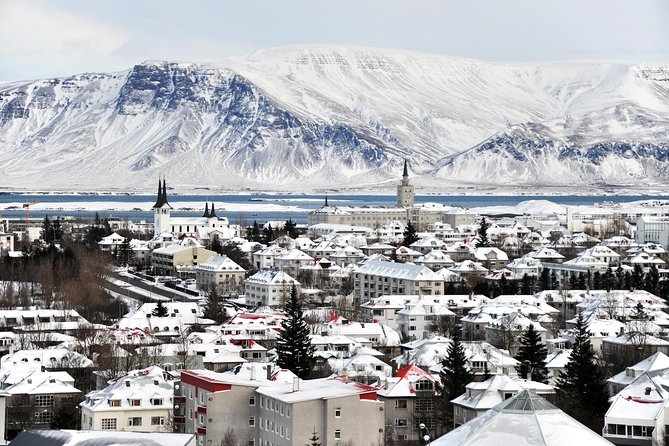
One stop that people often remember is the Einar Jónsson Museum and its sculpture park. It’s not a giant detour, but it adds texture to the day because it changes the pace from “look at buildings” to “read the culture through art.”
What I like about this kind of stop on a walking tour is that it makes Reykjavik feel less like a set of icons and more like a living city with local creative energy. The sculptures help you slow down and notice form, texture, and symbolism—things that are easier to appreciate when you’re outdoors nearby and not trapped under museum lighting.
There’s also a logical flow to it: after myths and early settlement talk, you get a transition into modern Icelandic identity through visual storytelling. If you’re the type who enjoys cultural context, this can be the part that turns the day from sightseeing into understanding.
Tjörnin pond: geese, swans, and a needed breather
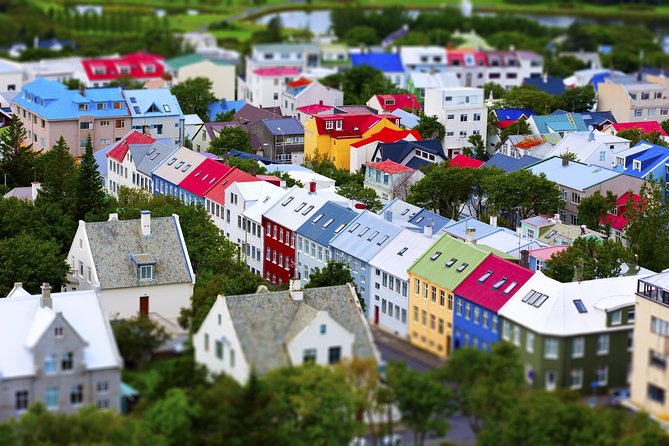
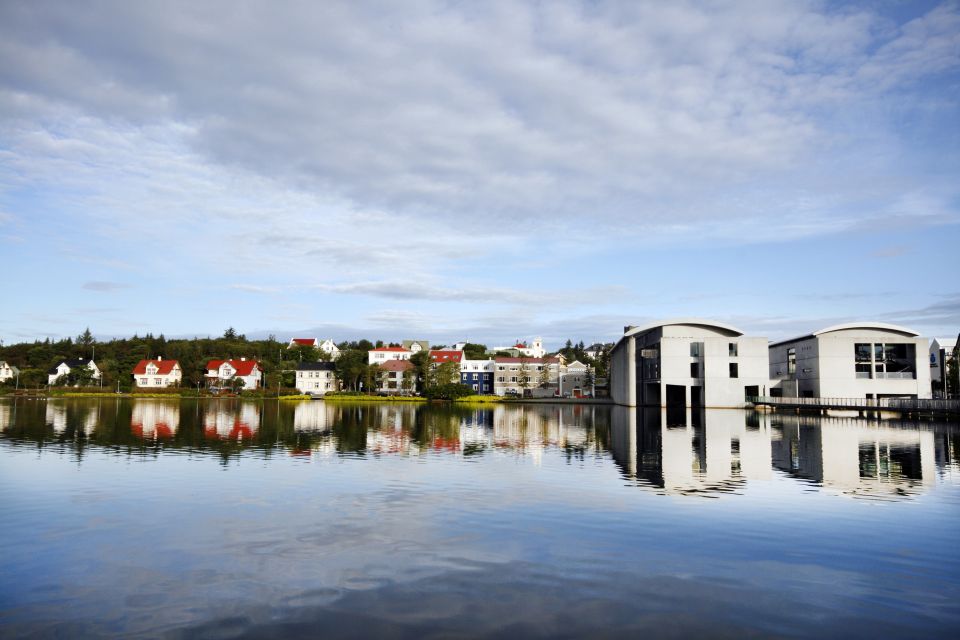
Then you reach Tjörnin pond. This is one of Reykjavik’s classic calm spots, and it works beautifully in a walking tour because it breaks up the more “big landmark” segments.
You’ll visit the pond to see the geese and swans. Even if you’ve seen plenty of birds before, this has a special feel because it’s right in the city. Iceland’s weather can be dramatic, but a water pause like this gives your eyes a rest from stone and glass and lets your brain reset.
It’s also a good place to take in the city rhythm—people walking, day-to-day life, the harbor-city vibe creeping in and out with the wind. If you’re traveling early in your trip, I’d treat this as a “now I get Reykjavik” moment.
City Hall’s topographical map: geology lesson, but made practical
From there, the tour turns toward City Hall. The standout element here is the super-sized topographical map of Iceland. A map sounds like a dry stop on paper, but in this format it’s useful because you’re already seeing the city—and now your guide connects it to what’s happening underneath it.
You’ll hear explanations about Iceland’s geology and volcanic history. The practical value is that it helps you interpret Iceland as active, not static. Reykjavik stops being just a city you happen to visit and starts becoming a place shaped by forces you can’t see but still feel in the way the land and coast behave.
If you’re wondering how to balance “education” with “enjoyment,” this is the model. You’re not forced into a lecture hall. You’re standing in the place where the story makes sense, looking at the big picture, then continuing your walk.
You can also read our reviews of more city tours in Reykjavik




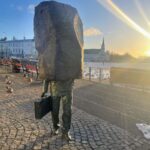

Parliament building, cathedral, and first Viking homesteads: where the old roots show
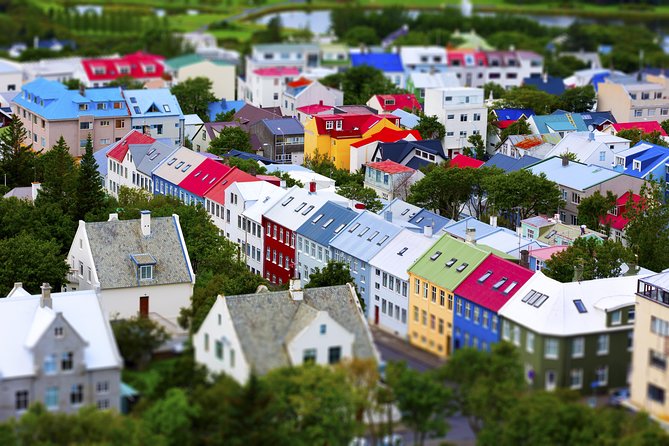
As the route moves into the heart of downtown, you’ll pass by the parliament building and a modest but beautiful cathedral. These stops add civic context, which matters because Reykjavik’s culture isn’t just scenic—it’s organized around institutions that evolved over time.
You’ll also visit the site of the first Viking homesteads. That’s a powerful anchor in a walking day because it turns “Viking time” into a physical location, not a general concept. When your guide frames how settlement patterns worked, it helps you understand why Reykjavik’s “center” feels meaningful. The city’s size is compact enough that these references don’t float away in your memory.
One caution: this part includes a few points where the view is more about the building frontage than sweeping scenery. If you only want dramatic outdoor panoramas, you might find it less visually exciting than Harpa or the bay. But if you enjoy connecting the dots, this is where the tour earns its “good first day” reputation.
Old Harbour to Harpa, plus Sólfar and Mount Esja views
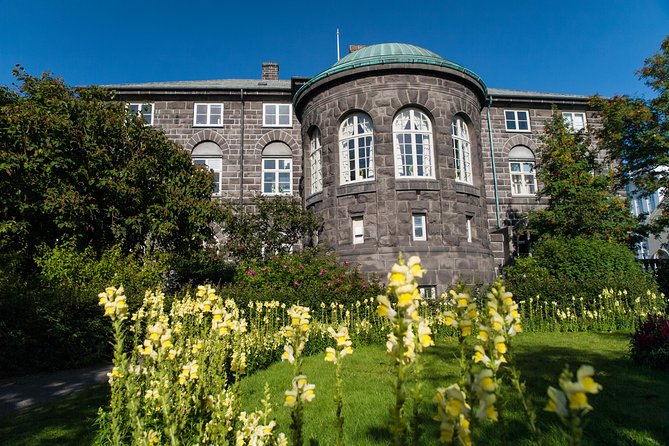
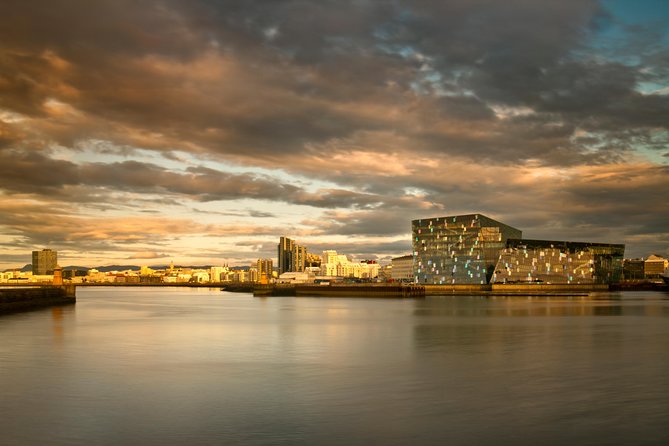
Next up: the Old Harbour and Harpa Concert Hall. This is the visual payoff stretch for many people because you’re moving from civic buildings to a coastal setting with more sky and water in the frame.
You’ll also see views of the Sólfar sculpture overlooking the bay, with Mount Esja in the distance when conditions allow. That pairing—harbor activity plus the iconic modern design of Harpa—makes it easy to photograph without feeling like you’re hunting for the perfect angle for hours.
Why this matters for your trip: Harpa and the harbor area are useful orientation points. If you spend the rest of your trip exploring on your own, having already walked this segment helps you plan routes, choose viewpoints, and understand how distances work in the city.
Also, if you’re in Reykjavik and deciding where to spend your best light later, Harpa and the bay area are strong candidates. You’ll leave knowing where the action is.
How long it really is (and how to dress so you enjoy it)
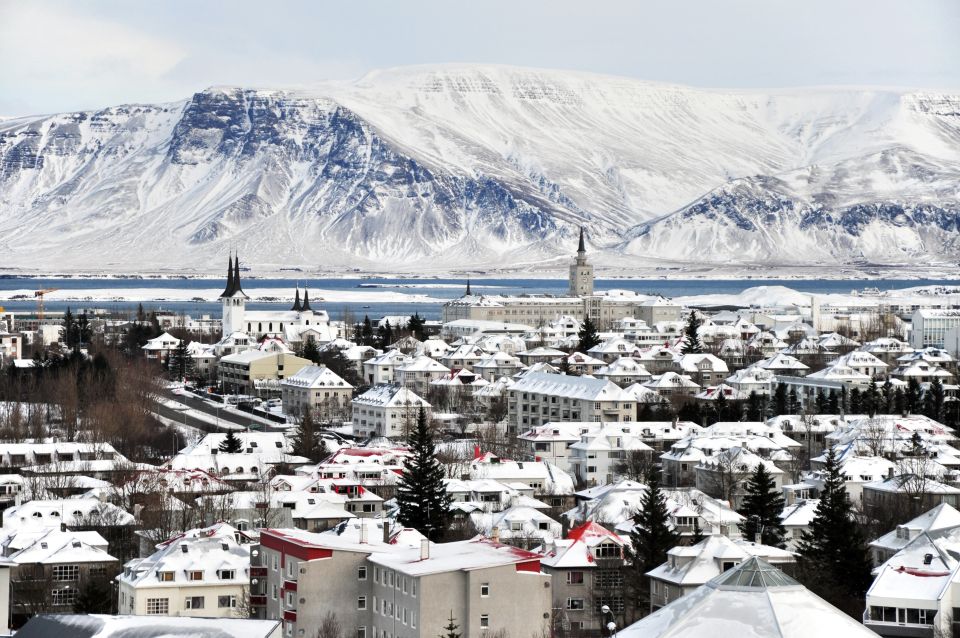
The tour lasts about 2.5 hours, including a stop at Hallgrímskirkja (with bell-tower access), the Einar Jónsson Museum, and Tjörnin pond. That’s a good length for first-time visitors because it’s long enough to cover multiple districts, but short enough that you won’t feel you lost an entire day.
Pace tends to be steady and walking-focused. That’s great for adults who want to see the city efficiently. If you’re traveling with kids, note that there’s no age limit, but children under 6 may find the walk a little long. If you’re bringing a stroller, you’ll likely need to manage it carefully. Otherwise, plan for carrying for part of the way.
Dress advice here isn’t optional. Iceland changes fast, and this is a walking tour—so you’ll want warm, waterproof clothes, plus a waterproof jacket and pants. Bring headwear and gloves, and wear good outdoor shoes. If you do this, you’ll spend the day enjoying the stories instead of counting minutes until you can get dry.
Value at $53: what you’re really paying for
At $53 per person, the price lands in a range that feels fair for a guided walk that hits multiple major sites and includes guided time at Hallgrímskirkja and the bell tower, plus the museum stop.
The value isn’t only the stops. It’s the “how it connects” factor: Norse mythology, Viking homesteads, and volcanic/geology explanations all stitched to specific places you can point to later. For first-timers, that can save you time on your own—because you’ll understand what to prioritize in subsequent days.
This is also the kind of tour that helps you “get bearings fast.” Several guides mentioned in the experience notes—people like Sara, Thomas, and Lalli—are described as friendly, funny, and ready to answer questions. That kind of guide energy matters, especially on days where you might be arriving tired or jet-lagged. A good guide helps you turn a cold morning into a confident plan for the rest of your Reykjavik time.
Who should book this walking tour
I’d recommend it if:
- You want a strong first-day orientation in a city that’s easy to explore on foot once you understand where things sit.
- You like stories that connect culture, settlement, and the natural forces shaping Iceland.
- You’re comfortable walking for about 2.5 hours and dressing for cold, wet weather.
I might skip it if:
- You hate walking and would rather focus only on shorter “sit and view” attractions.
- You’re looking for long stretches of dramatic scenery only. This tour is more about city connections and context than remote landscapes.
Should you book the Reykjavik City Walking Tour?
If this is your first time in Reykjavik, I think you should book it. It gives you a compact, high-impact route through Hallgrímskirkja, Þingholt, Tjörnin, Einar Jónsson’s art world, City Hall’s geology map, and the harbor-to-Harpa bay zone. You come away with place-based understanding, not just photos.
If you’re already comfortable navigating the city center, you might still enjoy it for the explanations—especially the geology and Iceland-wide context tied to what you see. Just don’t underestimate the weather. Bring the right gear, and you’ll leave cold-proofed and mentally sorted for the rest of your trip.
FAQ
What’s the duration of the Reykjavik City Walking Tour?
The tour lasts about 2.5 hours, including a stop at Hallgrímskirkja church (including the bell tower), the Einar Jónsson Museum, and Tjörnin pond.
Where do I meet my guide?
Meet your guide 10–15 minutes before departure at the statue of Leifur Eiríksson in front of Hallgrímkirkja Church. The tour ends back at the same meeting point.
What attractions are included in the walking route?
You’ll visit highlights such as Hallgrímskirkja church, Þingholt neighborhood, Tjörnin pond, Einar Jónsson’s sculpture park/museum area, City Hall (including the topographical map), the parliament building, a cathedral, the Old Harbour, and Harpa Concert Hall with views toward Sólfar and Mount Esja.
What language is the tour offered in?
The live tour guide speaks English.
Is hotel pickup included?
No. Hotel pick-up and drop off are not included.
Are there discounts for children or teens?
Yes. Teenagers aged 12 to 15 years old get a 50% discount. Children aged 0 to 11 years old can join for free.